Find Your Environmental Community Match
Your Best Fit:
Key Characteristics
Why You Fit Here
You’ve probably heard the term "community" thrown around in meetings, news reports, and marketing brochures. But what does it actually look like when people come together to solve a real problem? It’s not just a buzzword. It’s a group of humans coordinating their energy toward a shared goal. When we talk about environmental groups, we aren't just talking about tree-huggers with picket signs. We are looking at organized efforts that change policy, restore ecosystems, and shift culture.
If you’re trying to understand how these communities function-whether you want to join one, start one, or just figure out why your neighbor is obsessed with river cleanup-you need concrete examples. Abstract definitions don’t help much. You need to see the mechanics in action. Here are five distinct types of community examples, all rooted in environmental work, that show exactly how collective action works in the real world.
The Hyper-Local Stewardship Group
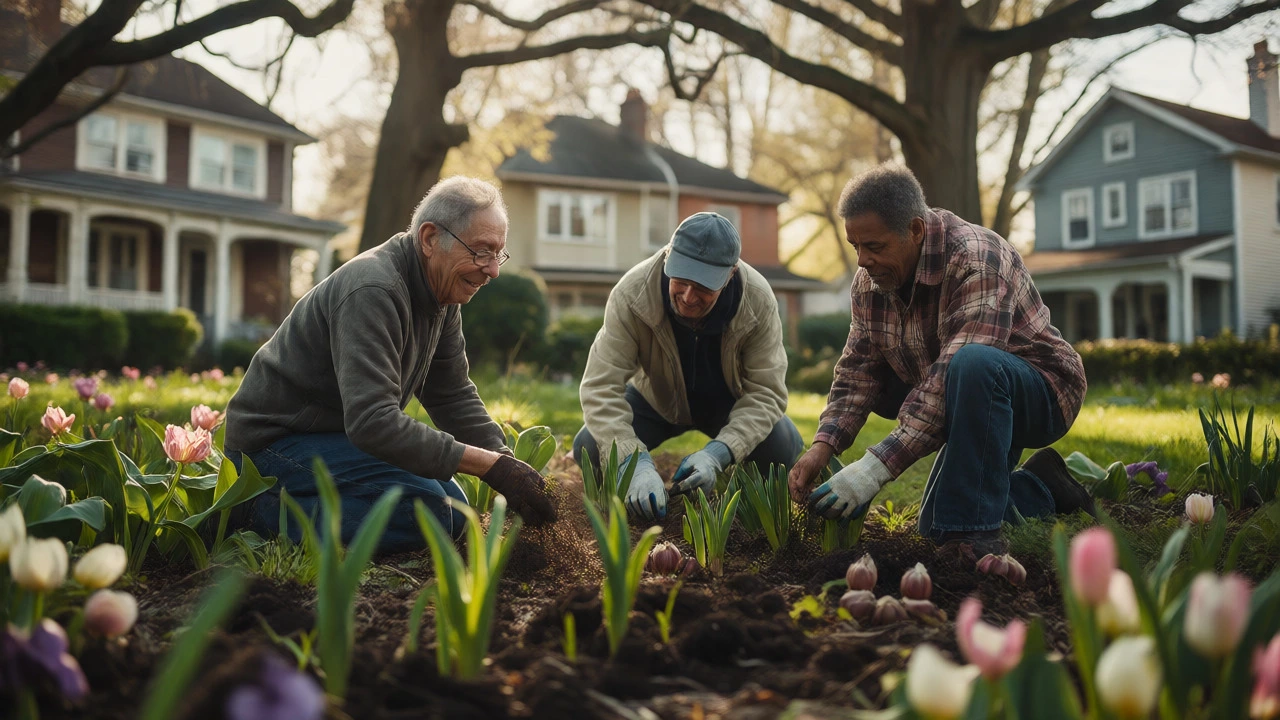
A hyper-local stewardship group is a small-scale community focused on the immediate physical environment surrounding its members. Think of this as the neighborhood watch, but for nature. These groups usually form because residents notice something specific: a creek is clogged with trash, a park is overgrown, or invasive vines are choking out native oaks.
What makes this example powerful is its accessibility. You don’t need a degree in ecology to join. You just need gloves and a Saturday morning. The structure is flat. Decisions happen on porches or in living rooms, not boardrooms. Because the scope is small, the impact is visible immediately. If you pull weeds today, you see the cleared bed tomorrow. This immediate feedback loop keeps motivation high.
- Primary Activity: Regular maintenance days (planting, cleaning, monitoring).
- Key Entity: Local Parks Department or Municipal Council.
- Relationship: The group provides volunteer labor; the municipality provides tools and permits.
A classic example is a "Friends of the Park" group. They might meet monthly to plan activities. One month they plant bulbs; the next they host a bird-watching walk. The social glue here is strong because everyone lives within walking distance. You see these people at the grocery store. Accountability is personal, not professional.
The Citizen Science Collective
Not all environmental work involves shovels. Some of it involves data. Citizen science collectives are communities where non-experts contribute to scientific research by collecting observations. Platforms like iNaturalist or eBird rely entirely on these communities. Without them, scientists would miss massive amounts of biodiversity data.
This type of community thrives on curiosity and technology. Members use smartphones to log species sightings. The community aspect comes from verification and discussion. When you upload a photo of a weird beetle, other experts and enthusiasts comment, identify it, and debate its classification. It turns solitary observation into a collaborative puzzle.
| Feature | Traditional Research Team | Citizen Science Collective |
|---|---|---|
| Data Volume | Limited by staff hours | Massive scale via volunteers |
| Expertise Level | High (PhD required) | Mixed (Enthusiasts + Experts) |
| Cost | High (Salaries/Grants) | Low (Volunteer time) |
| Output | Peer-reviewed papers | Databases & Policy inputs |
The key takeaway here? Expertise isn’t a barrier to entry. You learn by doing. The community educates itself through shared mistakes and discoveries. It’s democratic knowledge creation.
The Urban Garden Network
Food systems are environmental issues. That’s why urban gardening networks are some of the most resilient communities we have. These aren’t just hobbyists growing tomatoes. They are creating food sovereignty in areas that might otherwise be "food deserts."
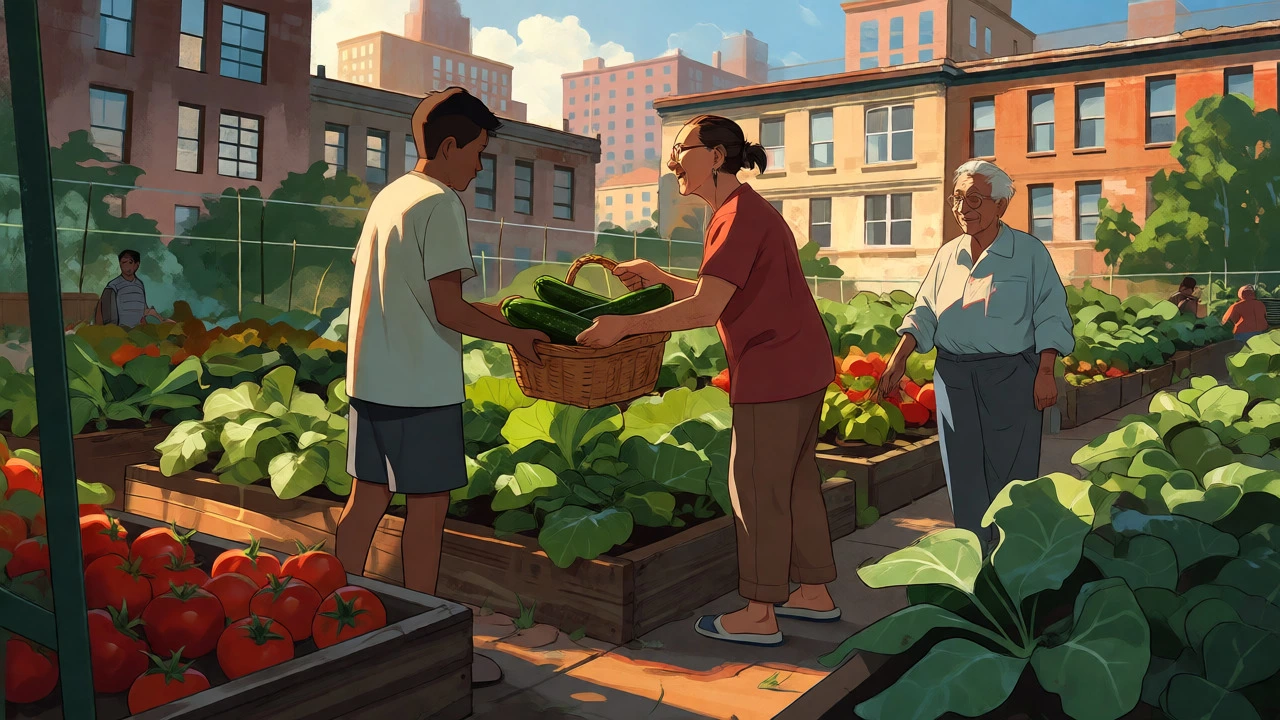
In an urban garden network, individuals manage plots, but the community manages the resources. Water rights, soil quality, tool sharing, and seed libraries are communal assets. When one gardener has too many zucchini, they trade with a neighbor who has too many peppers. This barter system builds trust faster than any meeting could.
These groups often partner with local nonprofits that focus on hunger relief. Surplus produce goes to shelters. This creates a dual-purpose community: it heals the land and feeds the vulnerable. The social dynamic is intergenerational. You’ll see teenagers learning composting from retirees. That cross-age mentorship strengthens the community fabric significantly.
The Policy Advocacy Coalition
Sometimes, individual actions aren’t enough. You need systemic change. That’s where advocacy coalitions come in. These communities are less about hands-on dirt work and more about voices, votes, and legal pressure. They bring together diverse groups-students, business owners, homeowners-to push for legislation like plastic bag bans or carbon taxes.
How do they stay united despite different backgrounds? They focus on a single, clear demand. Instead of arguing about every nuance of climate science, they rally behind a specific bill. The community structure here is hierarchical but flexible. There are organizers who handle logistics, spokespeople who talk to the press, and grassroots members who show up to city council meetings.
What’s interesting is the skill transfer. A lawyer joins to write briefs. A teacher joins to educate voters. A graphic designer joins to make flyers. Each member brings a professional asset to the community pot. This makes the group highly efficient. They operate like a startup, leveraging specialized skills for a common mission.
The Restoration Ecology Crew
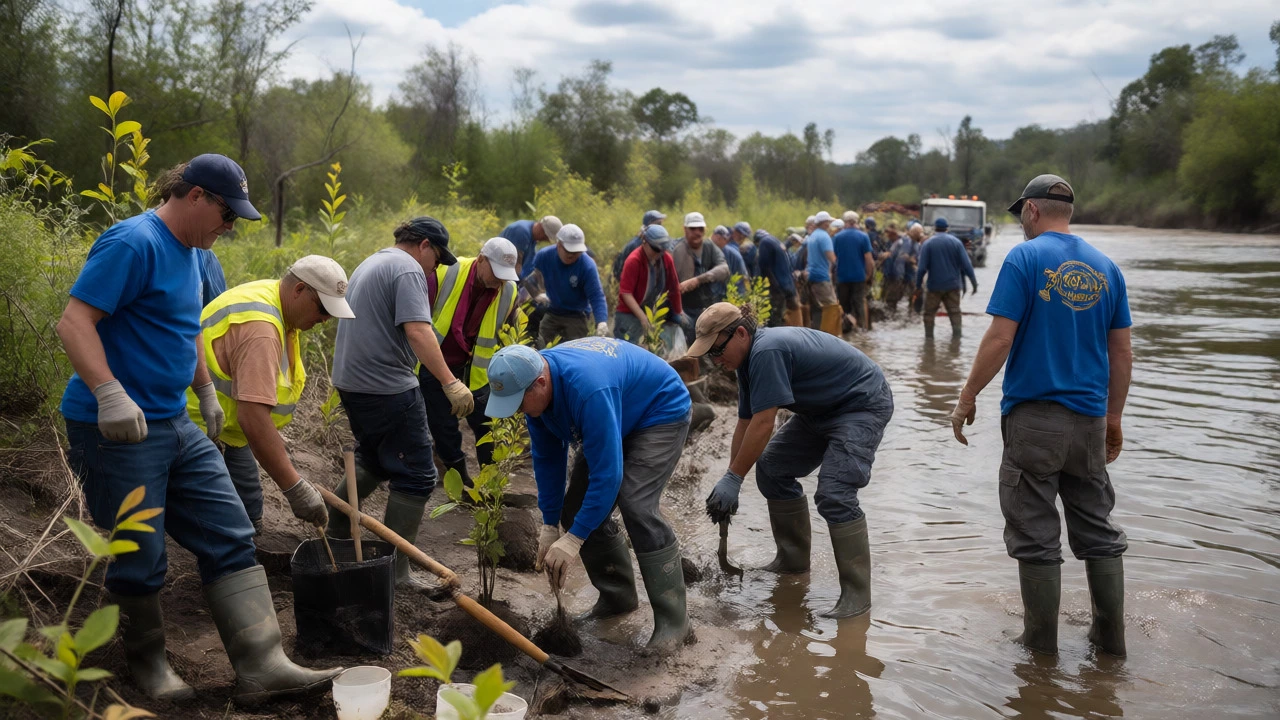
Finally, there are the heavy lifters: restoration ecology crews. These communities tackle large-scale damage. Think reforestation after a wildfire, wetland reconstruction after industrial runoff, or removing dams to let rivers flow again. These projects require significant coordination and often span years.
Unlike the hyper-local group, this community often spans regions. Volunteers might travel from different cities to plant thousands of trees in a weekend. The bonding experience is intense. Working side-by-side in tough conditions creates deep camaraderie. Many participants describe it as life-changing.
These groups often collaborate with government agencies and private landowners. For instance, a river cleanup crew might work with the Army Corps of Engineers. The relationship is symbiotic. The agency provides funding and equipment; the community provides manpower and public visibility. This partnership ensures that restoration projects get both technical precision and public support.
Why These Examples Matter for You
Understanding these five models helps you find your place. Are you detail-oriented? Join the citizen science group. Do you love socializing? Try the urban garden. Want to fight for big change? Look at advocacy coalitions. There is no "best" way to engage. There is only the way that fits your personality and schedule.
Notice a pattern? Every successful environmental community shares three traits:
- Clear Purpose: Everyone knows what they are doing and why.
- Low Barrier to Entry: New members can join easily without expensive gear or degrees.
- Visible Impact: Members can see the results of their effort.
If you’re looking to start your own group, keep these three pillars in mind. Don’t try to save the whole planet on day one. Pick a creek, a park, or a policy issue. Start small. Let the community grow organically from the work itself.
Frequently Asked Questions
Do I need special skills to join an environmental community?
No. Most environmental communities value enthusiasm and reliability over expertise. While some roles (like leading a hike or writing a grant) require specific skills, basic tasks like planting, picking up litter, or attending meetings require nothing but willingness. Many groups offer training sessions for newcomers.
How much time do these commitments take?
It varies widely. Hyper-local stewardship groups might ask for two hours once a month. Advocacy coalitions might require weekly phone calls during legislative sessions. Citizen science can be done in ten minutes a day using an app. You can choose a level of commitment that fits your lifestyle.
Are these communities only for young people?
Absolutely not. In fact, many environmental groups thrive on intergenerational mixing. Older members often provide institutional memory and organizational stability, while younger members bring energy and new technological perspectives. Urban gardens and restoration crews frequently have members ranging from teens to seniors.
How do I find a community near me?
Start with local resources. Check your municipal parks department website for "friends of" groups. Search platforms like Meetup or Eventbrite for "eco-volunteering." Visit local nurseries or community centers, which often have bulletin boards listing active environmental clubs. Libraries also host events that connect you with local activists.
Can I start my own environmental community?
Yes, and it’s easier than you think. Identify a specific problem in your area. Talk to three neighbors about it. If they agree, hold a casual meeting in a park or coffee shop. Define a simple first project. Once you have momentum, you can formalize the group with a name and a regular schedule. Most successful groups started as informal chats between friends.