Environmental Groups: How They Work and How You Can Join
Ever wonder what makes an environmental group tick? In plain terms, they are people who care about the planet and team up to protect it. Some focus on big issues like climate change, while others tackle local problems such as litter or habitat loss. The key is that they turn concern into action, whether that means a protest, a clean‑up, or a letter to a council.
Types of Environmental Groups You’ll Meet
Most groups fall into three buckets. First are the big international NGOs – think Greenpeace or WWF. They have money, staff, and a global reach, so they can influence policy in several countries at once. Second are regional or national charities that work across a whole country, offering campaigns, research, and education. Third are community‑level clubs that meet in a town hall or a local park to organize tree planting, recycling drives, or wildlife surveys. Each type has its own strengths, and you can pick the one that matches your time and interests.
Finding a Group Near You
The quickest way to locate a group is to search online for "environmental groups" plus your town or postcode. Many local councils list community clubs on their websites. You can also check community notice boards, libraries, or ask at a nearby garden centre – they often host talks. Social media groups on Facebook or Nextdoor are another goldmine; members frequently share meeting times and volunteer opportunities. If you prefer a bigger picture, signing up for newsletters from Greenpeace or WWF gives you updates on national campaigns you can support from home.
Once you’ve found a group, don’t feel pressured to jump in full‑time. Attend a single meeting or a one‑off event like a beach clean‑up. This lets you see the vibe, meet the volunteers, and decide if the cause matches your values. Most groups welcome newcomers and have simple sign‑up sheets. If you like the experience, you can volunteer regularly, donate, or even take a leadership role later.
Getting involved doesn’t always mean physical labor. Many groups need people to write letters, create flyers, manage social media, or crunch numbers for fundraising. If you have a skill such as graphic design, gardening, or data entry, offer it online – remote help is a huge boost, especially for smaller clubs with limited budgets.
Why bother? Studies show that people who join environmental groups feel more connected to their community and report higher personal wellbeing. You also learn practical skills – how to compost, identify native plants, or lobby local officials. Plus, your actions add up: a single clean‑up event can prevent tons of waste from entering rivers, and a petition signed by a few hundred people can push a council to adopt greener policies.
So, whether you’re looking to protect a nearby nature reserve or support global climate action, there’s an environmental group that fits your schedule and passion. Start with a quick online search, attend a local event, and bring your skills to the table. The planet needs many kinds of help, and every small effort counts toward a healthier future.

5 Main Types of Ecological Organizations Explained
Discover the 5 main types of ecological organizations, from research institutes to activist collectives. Learn how each operates and which fits your goals.
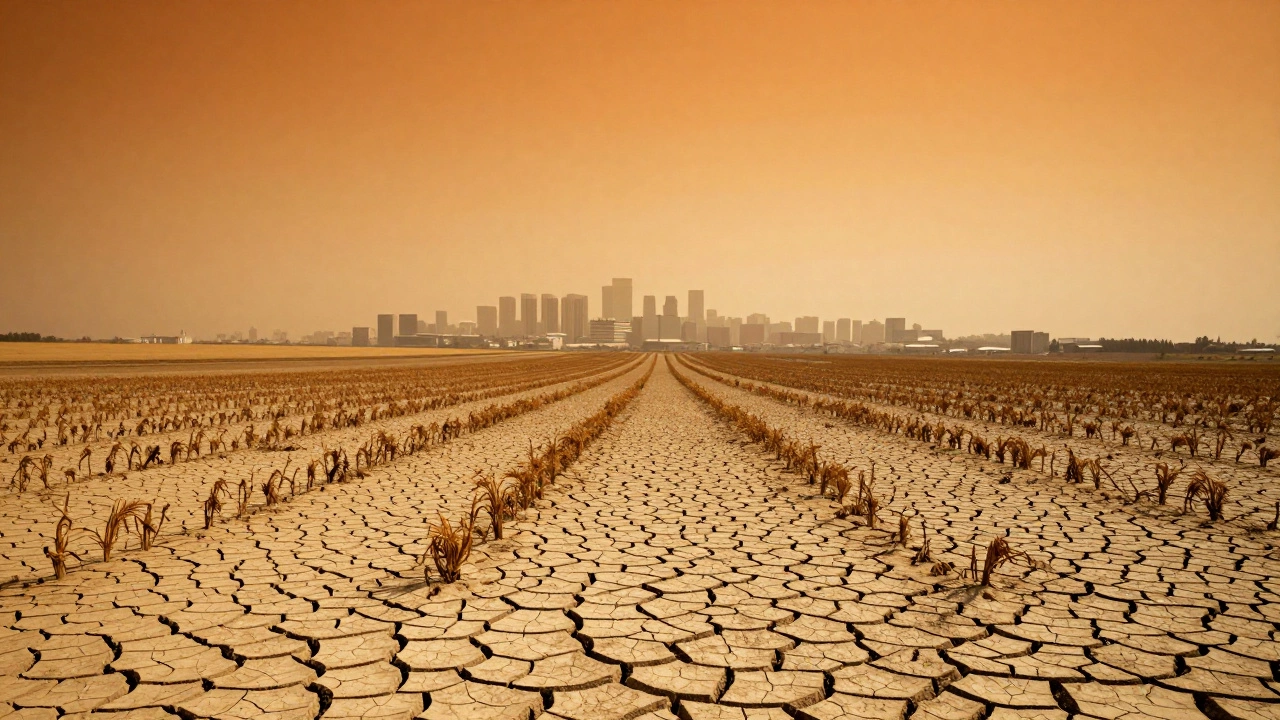
Earth in 2024: The Climate Tipping Points That Defined the Year
Explore the defining environmental events of 2024, from record-breaking heat to biodiversity loss, and see how environmental groups adapted their strategies to address the crisis.
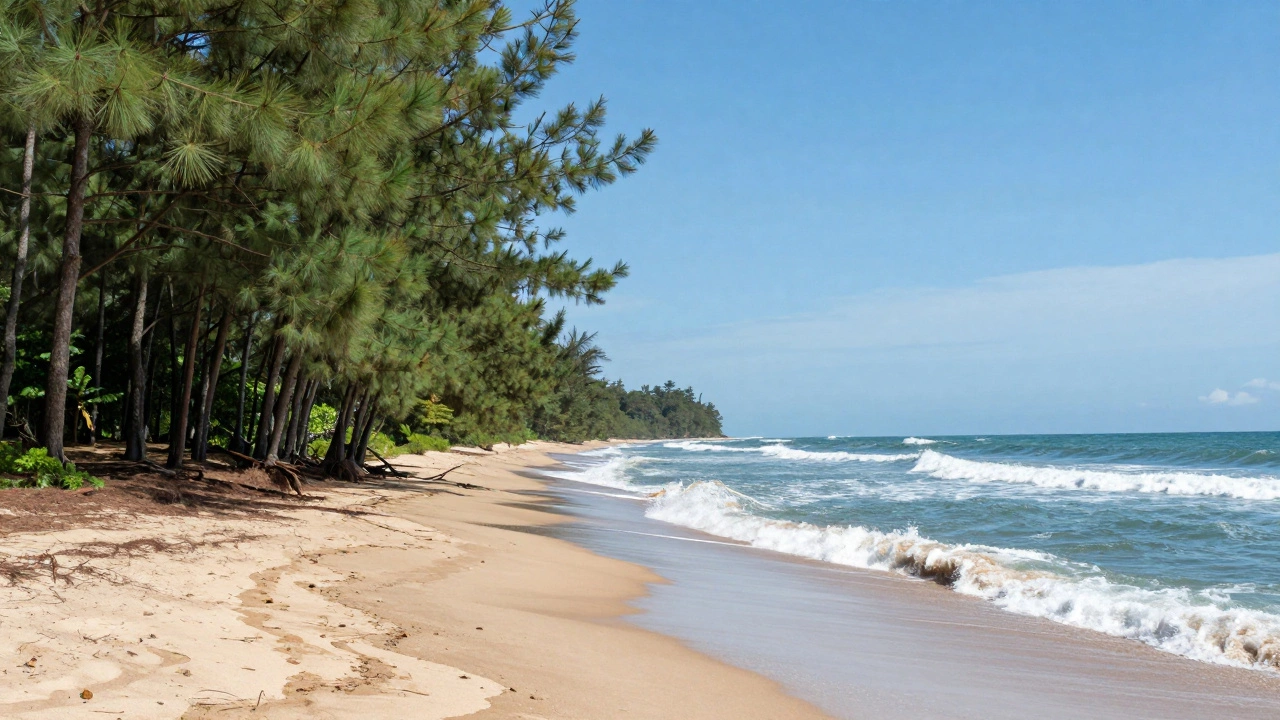
Terrestrial vs Aquatic Ecosystems: Understanding the Two Main Groups
Discover the two main groups of ecosystems: terrestrial and aquatic. Learn how land and water systems differ, interact, and sustain life on Earth.
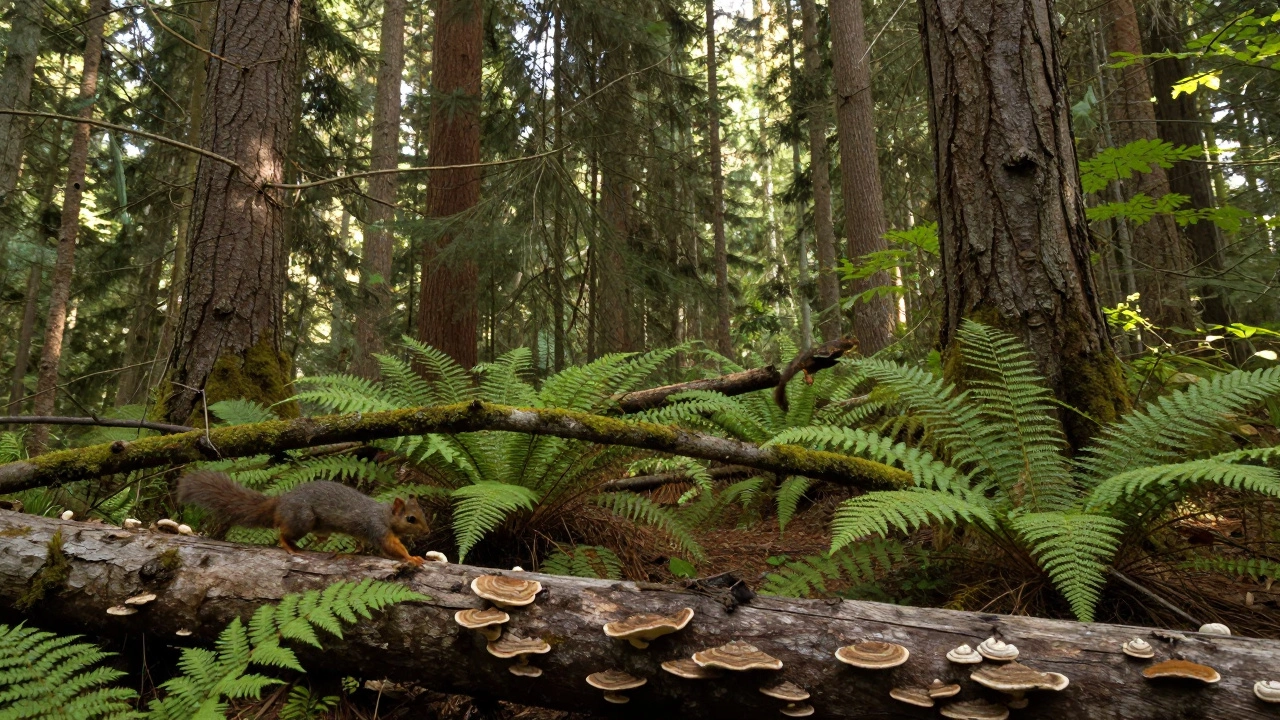
Understanding the Different Types of Ecological Communities
Explore the different types of ecological communities, from tropical rainforests and coral reefs to the invisible microbial networks that sustain life on Earth.
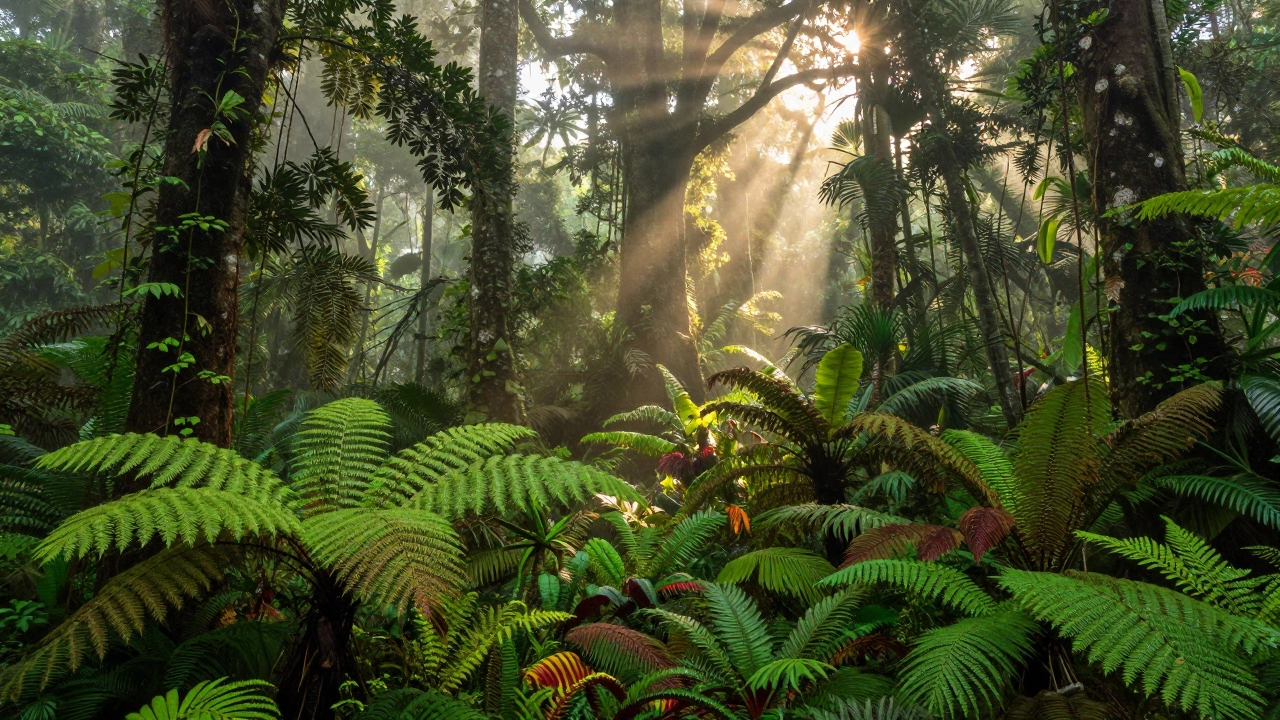
5 Real-World Examples of Environments and Why They Matter
Discover 5 diverse examples of environments, from deep oceans to urban jungles, and learn how these ecological systems function and why they need protection.

What Can Environmental Groups Do? Practical Actions That Make a Difference
Environmental groups drive real change through advocacy, community action, corporate accountability, land protection, youth education, and data-driven campaigns. Their work isn't theoretical-it's measurable, local, and powerful.
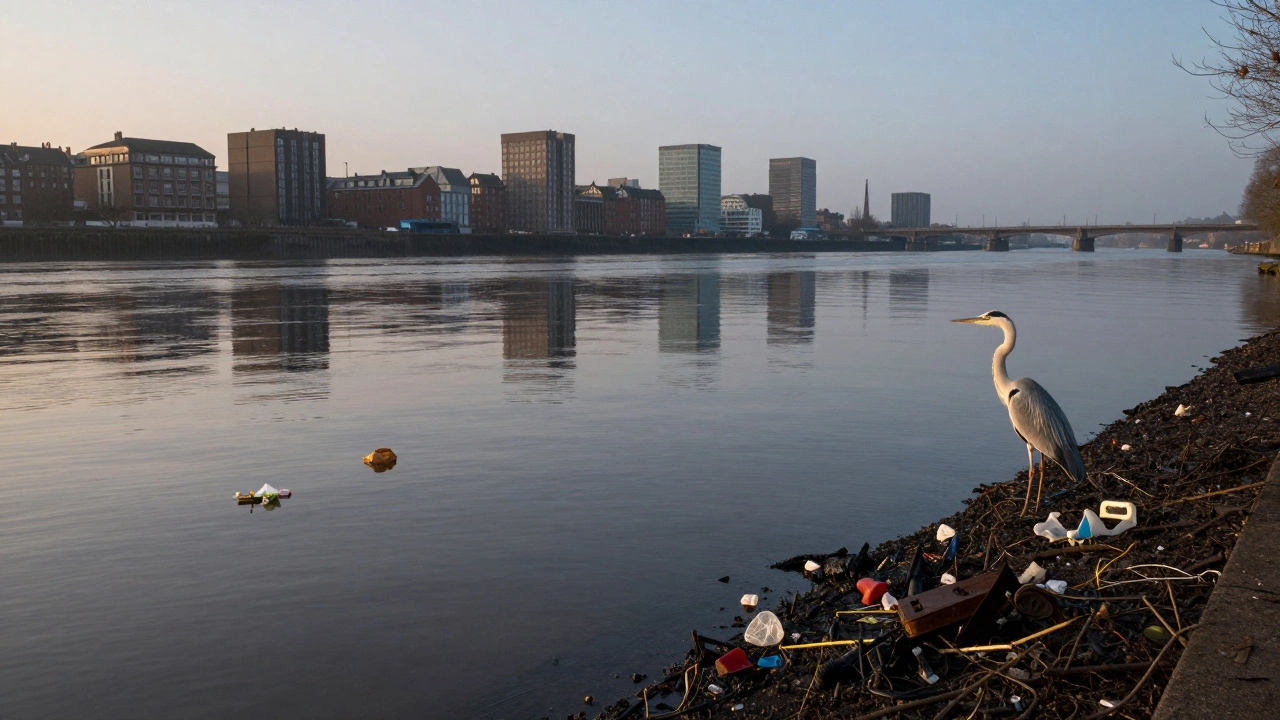
What Are the Three Main Environmental Problem Groups?
The three main environmental problem groups are pollution, climate change, and biodiversity loss. These issues are deeply linked and affect air, water, wildlife, and human health. Understanding them is key to taking effective action.
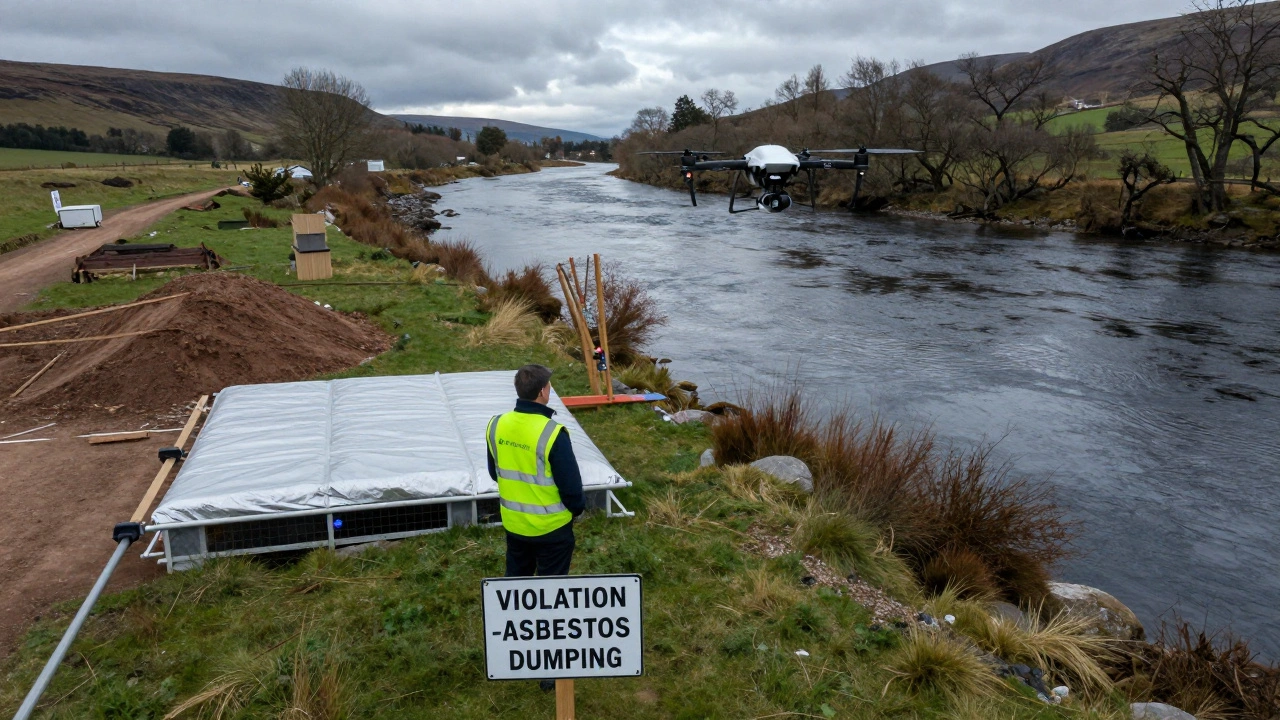
What Are the Three Groups of Environmental Management?
Environmental management is made up of three key groups: regulatory enforcement, conservation of nature, and sustainable resource use. Together, they protect ecosystems, enforce laws, and build a future that doesn’t run out of resources.
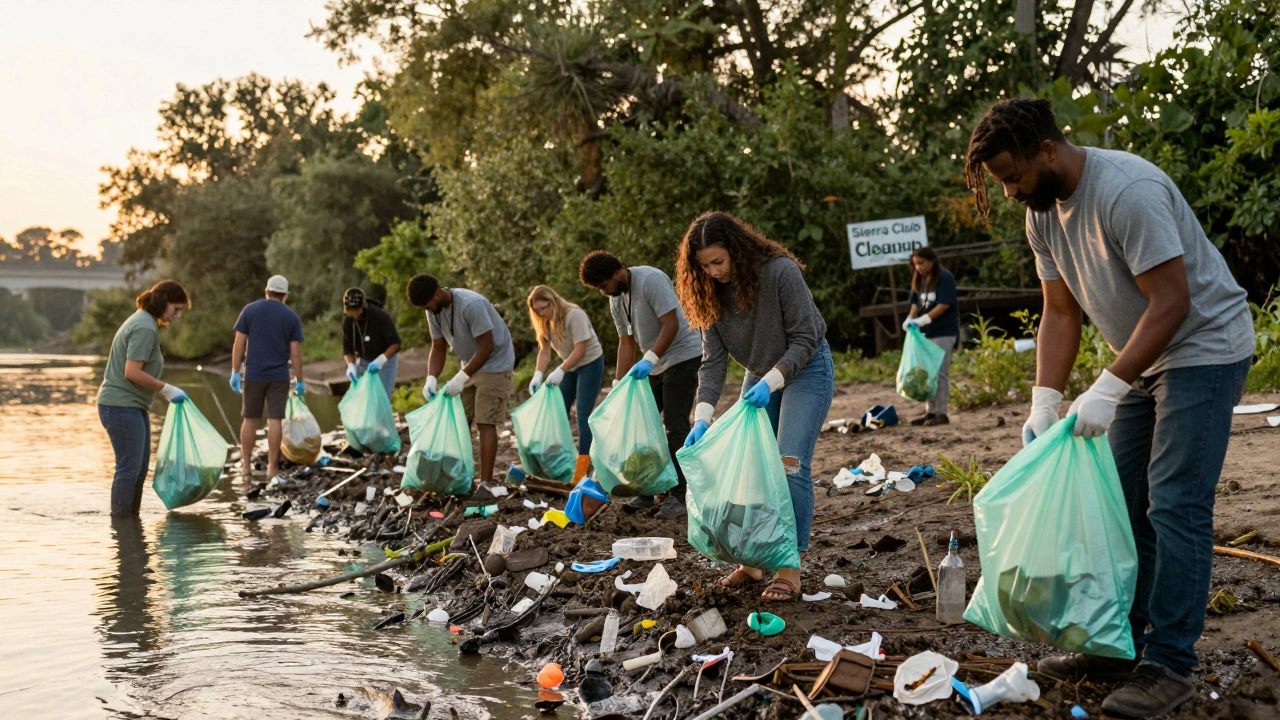
Do you know of any environmental groups? Here are 10 active ones making a real difference
Discover 10 active environmental groups making real progress on climate, conservation, and pollution. Learn how to get involved-even with just a little time.
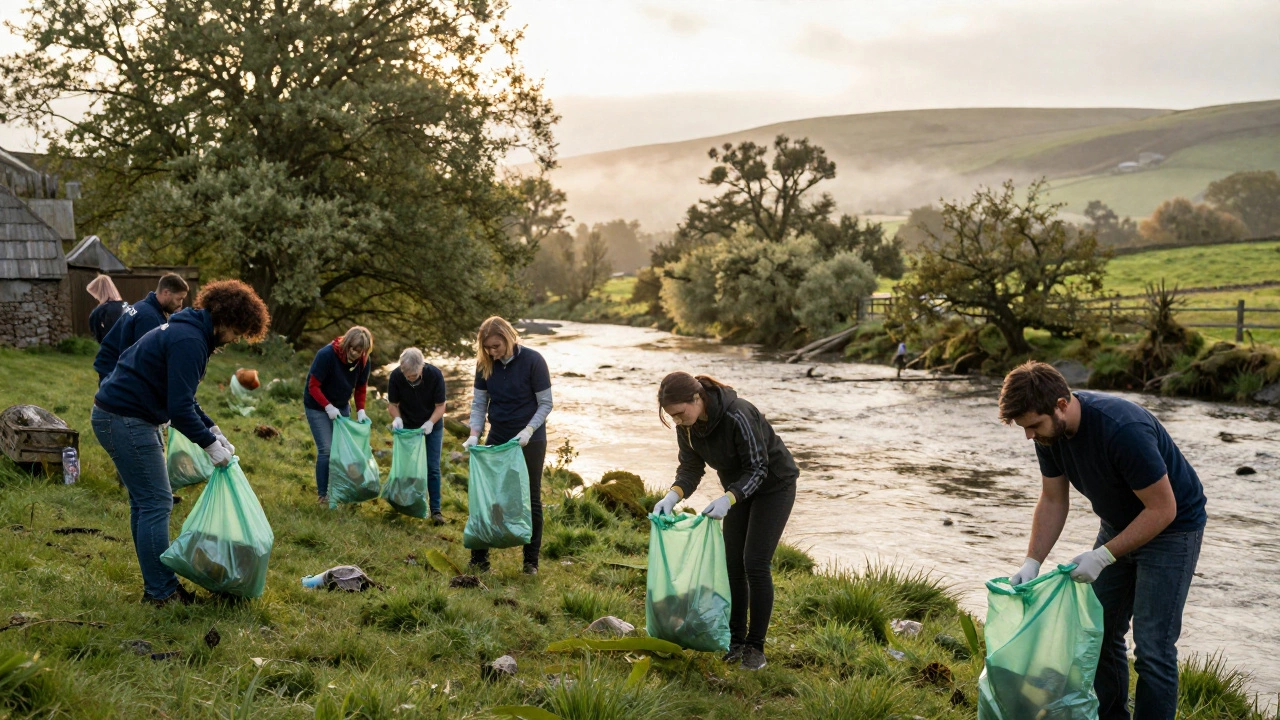
How Many Environmental Groups Are There and What Do They Do?
There are tens of thousands of environmental groups worldwide, from global NGOs to local volunteers. Learn how they operate, who funds them, and how you can join one that actually makes a difference.
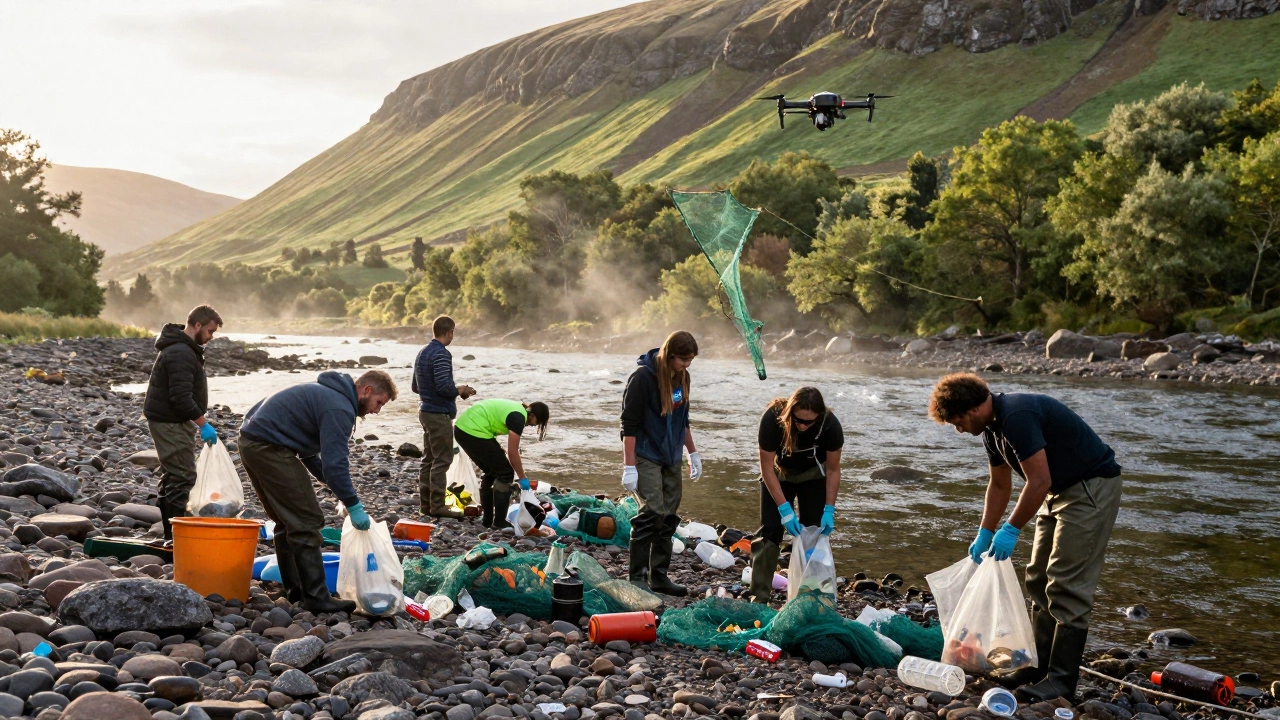
What Is a Group That Helps the Environment? Real Organizations Making a Difference
Environmental groups are organizations working to protect nature, reduce pollution, and push for sustainable policies. From local clean-ups to global policy changes, these groups make real, measurable impacts every day.
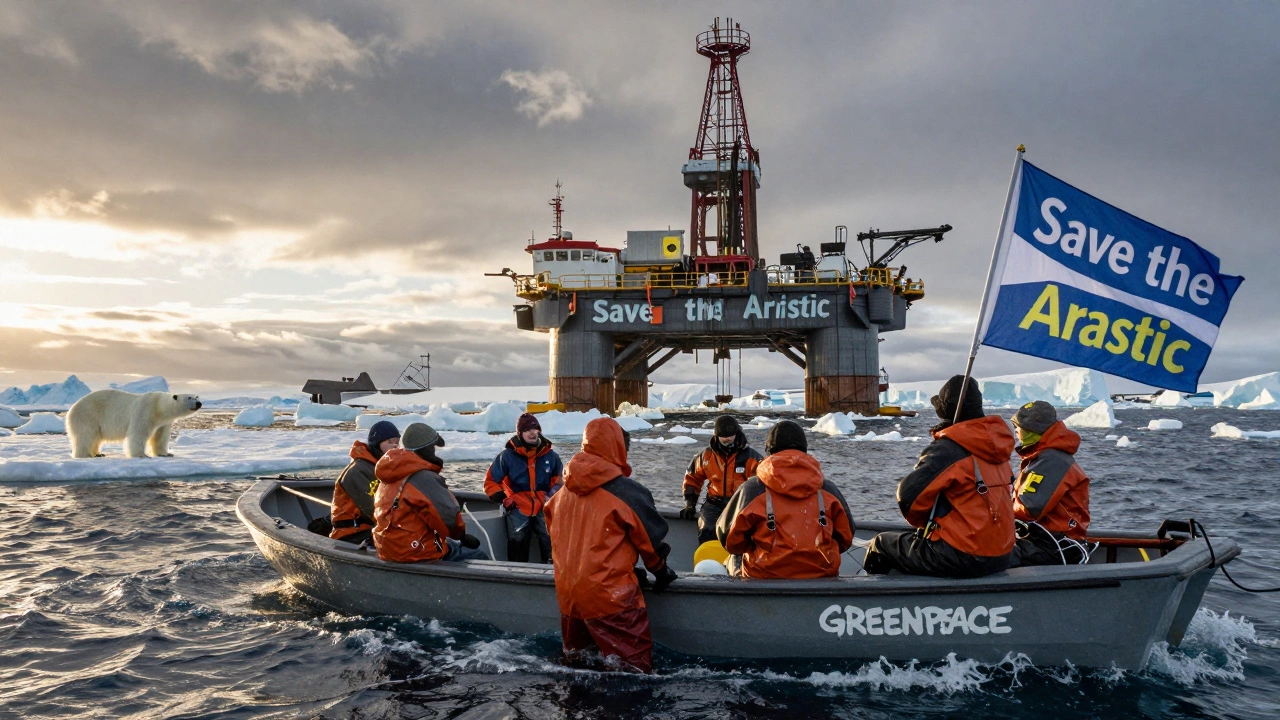
What charity helps the earth? Top organizations making a real difference
Discover the top environmental charities making real, measurable differences for the planet-from Greenpeace's bold actions to The Nature Conservancy's land protection. Learn how to choose a trustworthy group and start helping today.