Community Engagement: Practical Tips to Connect and Make a Difference
Ever wondered why some neighbourhood projects just click while others fizzle out? The secret is simple – clear, genuine community engagement. When you reach out with real purpose, people notice, join, and the impact spreads fast.
First off, know who you’re talking to. Grab a notebook, walk around your area, and jot down the groups that need help – seniors, youth clubs, local businesses, or new residents. This quick audit gives you a target list and shows you where the biggest gaps are.
Start Simple: One‑Step Outreach Plans
Don’t try to launch a massive program on day one. Pick one small project that solves a clear need – like a weekly park clean‑up or a free coffee morning for isolated neighbours. Set a date, choose a spot, and invite a few friends. When the event runs smoothly, you’ve built trust and a ready‑made volunteer crew for the next step.
Clear goals keep everyone on track. Write down what success looks like – maybe 20 volunteers show up, or you collect ten bags of litter. Measure it right after the event and share the results with participants. Seeing concrete numbers makes people feel their effort mattered and encourages repeat involvement.
Five Core Elements for Ongoing Engagement
1. Clarity – Explain the purpose in one sentence. “We’re cleaning the park so families can enjoy safe play space.”
2. Consistency – Hold events on the same day each month. Regularity builds habit.
3. Connection – Use simple tools like a WhatsApp group or a community notice board. Keep the conversation going, not just on event days.
4. Collaboration – Invite local shops to provide snacks or supplies. When businesses see the benefit, they’ll pitch in.
5. Communication – After each activity, send a quick thank‑you note and a snapshot of the outcome. A short thank‑you email works better than a long report.
Putting these five C’s together turns a one‑off task into a lasting community habit. Volunteers feel valued, neighbours see tangible change, and the whole area becomes more connected.
Another quick win is to talk the language of your audience. Instead of saying “outreach,” you might call it “neighbourhood help” or “local sharing.” Small word changes can make the project feel more personal and less bureaucratic.
Finally, keep the fun factor alive. Add a simple ice‑breaker, a music playlist, or a photo booth at events. When people associate the activity with good vibes, they’ll spread the word naturally.
Community engagement isn’t a lofty concept reserved for big NGOs. It starts with a walk, a chat, and a clear, small step. Try one of the ideas above this week, track the result, and watch how quickly your own circle of helpers grows.
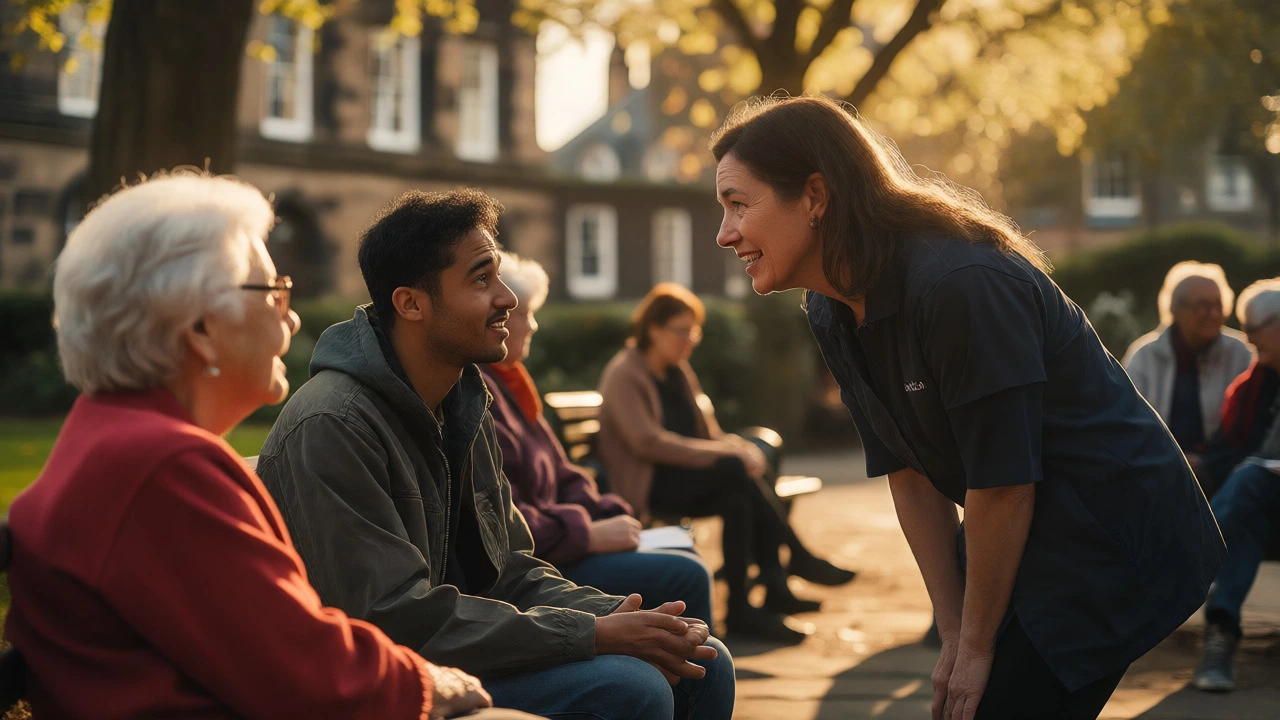
Is Community Outreach a Skill? Breaking Down the Art of Connection
Discover why community outreach is a learnable skill, not just a personality trait. Learn key techniques like active listening, trust-building, and strategic planning to improve your engagement efforts.

What is a Community Outreach Member? Roles, Duties, and Impact
Discover what a community outreach member really does. Learn about their daily duties, essential skills, and how they bridge the gap between organizations and communities.

What do you call someone who does outreach? Job titles explained
Confused by outreach job titles? Learn the differences between Outreach Workers, Community Engagement Officers, and Social Prescribers.

Why Do People Join Private Social Clubs? Networking, Status, and Community
Discover why people join private social clubs, from exclusive networking and status to mental well-being and unique facility access. Learn if membership is worth your investment.
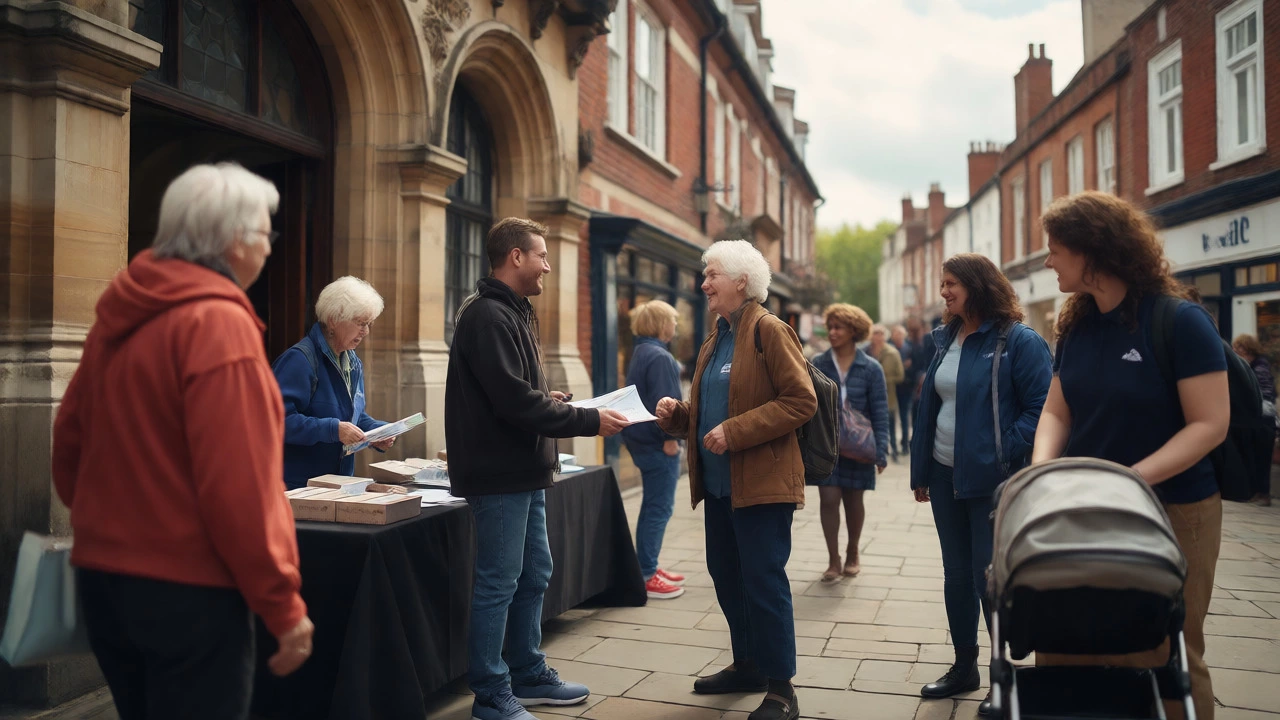
What Is the Primary Aim of a Community Outreach Program?
Discover the true purpose of community outreach programs. Learn how they bridge gaps, build trust, and empower individuals beyond simple service delivery.

What Happens in a Social Club? A Guide to Activities and Benefits
Discover what really happens inside social clubs, from gaming nights to networking. Learn how these communities combat loneliness and offer unique social structures.

What is a Community Outreach Strategy? A Practical Guide
Discover what a community outreach strategy really is and why it differs from marketing. Learn to define audiences, set SMART goals, and measure real impact.

Real Examples of Community Outreach Programs: Case Studies & Impact
Discover real-world examples of community outreach programs, from food hubs to digital literacy cafes. Learn how these initiatives work, compare their effectiveness, and get practical tips on starting your own local project.

How to Plan an Outreach Activity: A Step-by-Step Guide for Community Impact
Learn how to plan a successful outreach activity with this step-by-step guide. From defining goals to measuring impact, discover practical tips for engaging your community effectively.

Can Anyone Join a Social Club? Membership Rules, Types, and How to Get In
Discover whether anyone can join a social club. We break down the differences between open community groups, semi-private interest clubs, and exclusive private societies, including membership requirements, costs, and how to navigate the application process.

Outreach Roles Explained: Community Liaison, Coordinator, and Manager Duties
Explore the key roles in community outreach, from assistants to managers. Learn the duties, skills, and career paths for liaison officers, coordinators, and specialists in this comprehensive guide.

What is the main purpose of a social club? Building connection in a digital world
Discover the true purpose of social clubs beyond just hanging out. Learn how they combat isolation, build community, and provide essential social support in today's digital world.