Community Outreach Readiness & Fit Score
Answer six questions about your neighborhood. We'll score your readiness (0–100) and recommend which outreach model best matches your context.
Most people picture community outreach as a big, glossy campaign with billboards and press releases. But the most effective community outreach is often quiet, hyper-local, and deeply personal. It’s the neighbor who starts a tool library, the school that opens its gym for senior fitness classes, or the local council that sets up a pop-up clinic in a park. If you’re looking for concrete examples to inspire your own initiative or understand how these programs actually work, look no further than the grassroots movements reshaping neighborhoods right now.
This article breaks down five distinct types of outreach programs, showing exactly how they function, who benefits, and why they succeed where top-down policies fail. We’ll move beyond vague definitions to look at specific mechanics, from food banks to digital literacy hubs, giving you a clear blueprint for what works in 2026.
Key Takeaways
- Community outreach is most effective when it solves an immediate, tangible problem rather than addressing abstract social issues.
- Successful programs rely on two-way communication, not just one-way service delivery.
- Partnerships between local businesses, schools, and residents reduce costs and increase trust.
- Digital tools enhance but do not replace face-to-face interaction in high-impact outreach.
- Sustainability depends on rotating leadership and embedding the program into existing community structures.
The Food Hub Model: Solving Hunger Through Logistics
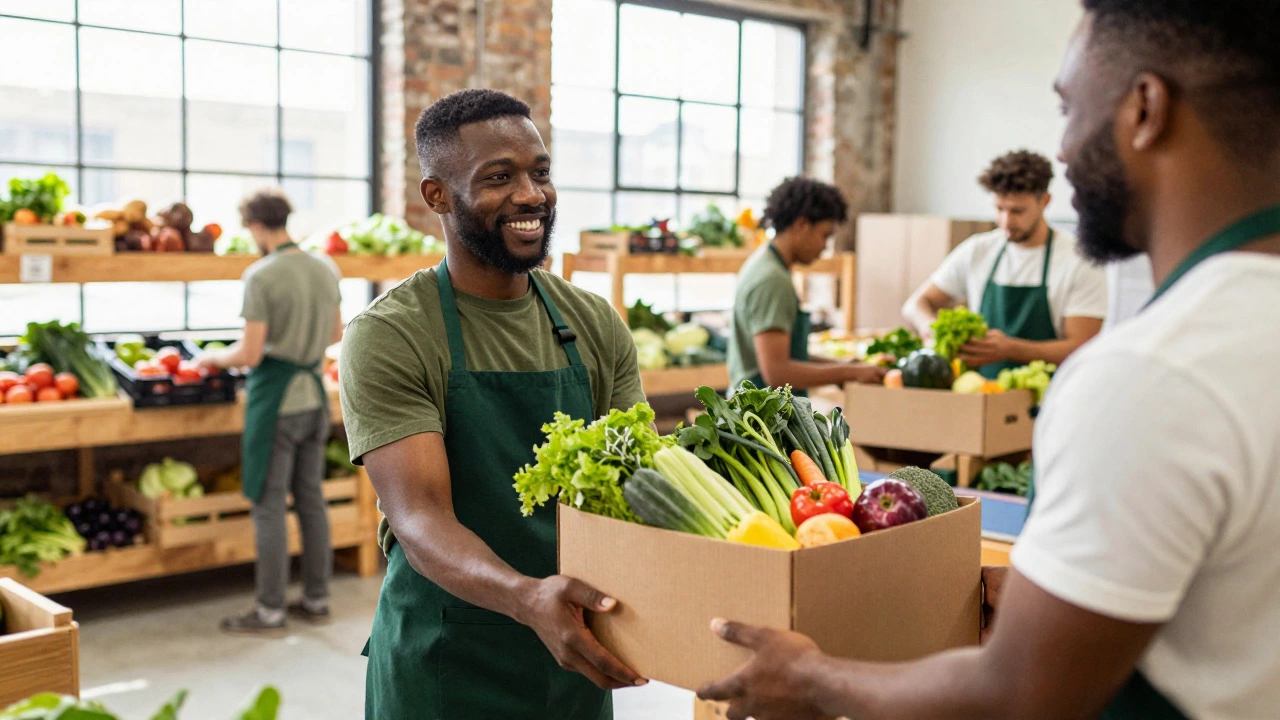
One of the most visible forms of outreach is food security. However, simply handing out cans of soup doesn’t build long-term resilience. A prime example of a modern approach is the "Food Hub" model. Instead of a static pantry, this system connects local farms, grocery stores, and volunteers to create a dynamic distribution network.
In many UK cities, including parts of Scotland, these hubs operate on a subscription basis. Residents pay a small fee or contribute volunteer hours to receive a box of fresh produce. The key here is logistics. By using surplus stock from supermarkets (reducing waste) and direct farm deliveries (supporting local agriculture), the program lowers the cost per household while increasing nutritional value.
Why does this work? It removes the stigma often associated with charity. Recipients are customers or members, not passive recipients. This shift in mindset encourages regular participation and helps identify other needs, such as cooking skills workshops or transport assistance, naturally arising from the interactions at the hub.
Digital Inclusion: Bridging the Connectivity Gap
Before the pandemic, "digital divide" was a niche concern. Now, it’s a critical barrier to accessing jobs, healthcare, and government services. An excellent example of outreach in this space is the "Digital Literacy Café." These aren’t just computer labs; they are social spaces hosted in libraries or community centers where volunteers help residents navigate technology.
The program typically includes three core components:
- Hardware Access: Providing free Wi-Fi hotspots or loaner tablets for those without home internet.
- Skills Training: One-on-one sessions on using video calls for remote work, online banking, and telehealth appointments.
- Peer Support: Creating a group of "digital champions"-residents who have mastered the basics and can help their neighbors, reducing the burden on professional staff.
This approach works because it treats technology as a utility, not a luxury. By focusing on practical tasks like applying for jobs or booking GP appointments, the outreach becomes immediately relevant. The success metric isn’t just "number of devices distributed," but "number of successful online transactions completed by participants."

Youth Mentorship: Beyond the Classroom
Traditional after-school clubs often struggle with retention. A more robust example of youth outreach is the "Mentor-Match" program, which pairs teenagers with professionals from diverse industries for a six-month commitment. Unlike generic tutoring, this focuses on career exploration and soft skills.
The structure is simple but rigorous. Each mentor meets with their mentee bi-weekly. The first month is about building rapport, the middle months involve shadowing days or project work, and the final month culminates in a public showcase where young people present a skill they’ve learned. Local businesses sponsor the event, providing prizes and networking opportunities.
This model succeeds because it leverages existing professional networks. Companies get to cultivate future talent, mentors gain a sense of purpose, and youth gain visibility into careers they might never encounter in school. The key to its longevity is the low barrier to entry for mentors-they only need to commit four hours a month, making it feasible for busy professionals.
Green Spaces: Activating Underused Public Areas
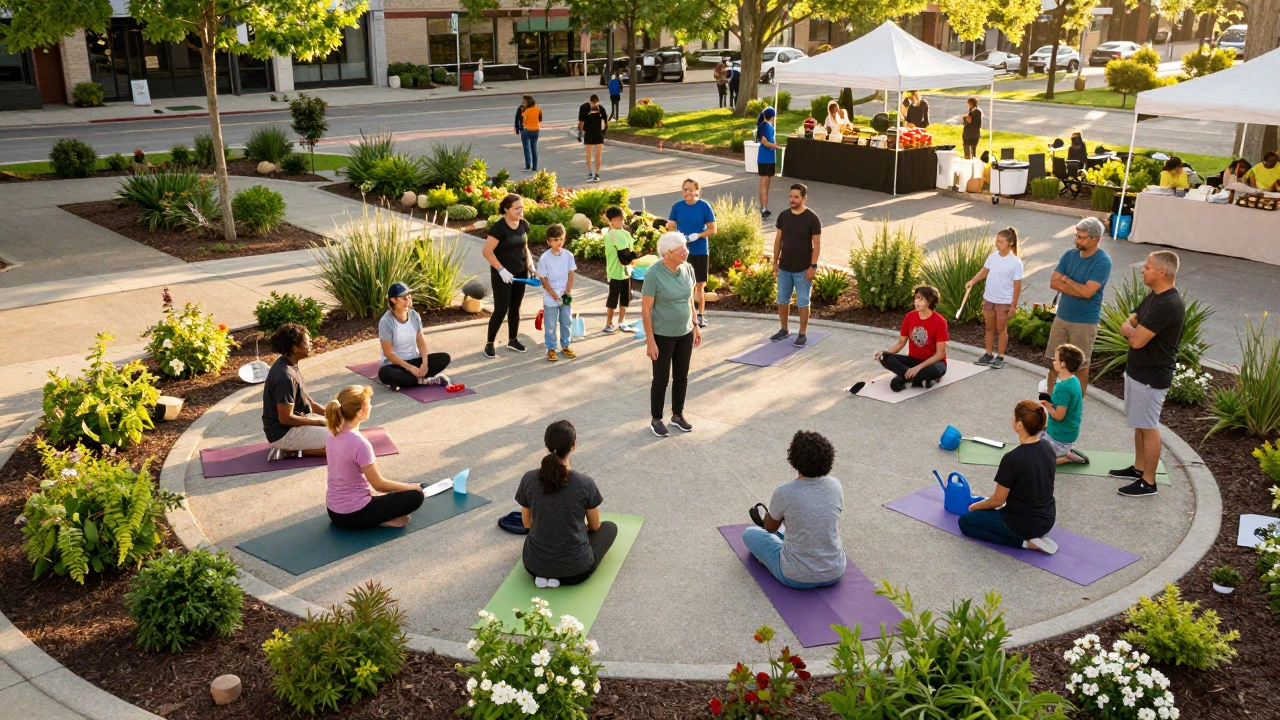
Urban areas often suffer from underutilized public spaces, leading to feelings of isolation and lack of safety. A powerful example of environmental outreach is the "Adopt-a-Park" initiative. Here, a specific group of residents takes ownership of a local green space, committing to monthly clean-ups and planting native species.
But the real power lies in the programming. Once the space is maintained, the group introduces activities: weekend farmers markets, outdoor yoga classes, or storytelling circles for children. The outreach aspect is twofold: it engages volunteers in physical stewardship and invites the broader community to use the improved space.
Local councils support this by providing basic tools and insurance, but the energy comes from the residents. This creates a sense of pride and ownership that top-down municipal maintenance rarely achieves. It also serves as a platform for other issues, such as noise complaints or traffic concerns, as residents gather and discuss them organically.
Comparing Outreach Models: What Works Best?
Not all outreach programs fit every context. The right choice depends on the specific needs of the community and the resources available. Below is a comparison of the models discussed, highlighting their strengths and potential pitfalls.
| Program Type | Primary Goal | Key Resource Requirement | Best For | Potential Pitfall |
|---|---|---|---|---|
| Food Hub | Reduce food insecurity & waste | Logistics & cold storage | Areas with high poverty rates | Supply chain disruptions |
| Digital Literacy Café | Improve tech access & skills | Volunteers & hardware | Older demographics & job seekers | Rapid tech obsolescence |
| Youth Mentorship | Career guidance & confidence | Professional volunteers | Teens aged 14-18 | Mentor burnout |
| Adopt-a-Park | Community cohesion & environment | Consistent volunteer base | Urban neighborhoods with green space | Lack of municipal support |
How to Start Your Own Outreach Initiative
If you’re inspired to launch a similar program in your area, resist the urge to over-plan. The best outreach starts small. Begin by identifying one specific pain point in your neighborhood. Is it loneliness among seniors? Lack of safe play areas for kids? High unemployment among young adults?
Once you’ve identified the issue, talk to ten people affected by it. Don’t ask them what they think the solution should be; ask them what makes the problem worse. Their answers will reveal the gaps in current services. From there, find two or three partners who share the goal. This could be a local business owner, a teacher, or a council representative. You don’t need funding to start; you need commitment.
Finally, set a measurable goal for the first three months. Did you feed 50 families? Did you help 10 people apply for jobs online? Keep records. Data isn’t just for grant applications; it proves to skeptics that the effort is worth continuing. As you grow, document your process so others can replicate it.
Frequently Asked Questions
What is the difference between community outreach and community development?
Outreach is often the initial step of connecting with a specific group to address an immediate need, such as distributing food or teaching a skill. Community development is a longer-term process that aims to build the capacity of the community to solve its own problems sustainably. Outreach builds trust; development builds infrastructure.
How much money do I need to start a community outreach program?
You can start with zero budget if you leverage existing resources. Use public spaces like libraries or parks for meetings. Rely on word-of-mouth and social media for promotion. Seek in-kind donations (like printer paper or snacks) from local businesses rather than cash. Funding usually follows once you have proof of concept and participant feedback.
Who should lead a community outreach program?
Ideally, leadership should be shared. Having a single coordinator helps with administration, but decision-making should involve the community members being served. This prevents the program from becoming top-down and ensures it remains responsive to actual needs. Rotate leadership roles if possible to prevent burnout.
How do I measure the success of an outreach program?
Use both quantitative and qualitative metrics. Quantitative includes numbers: attendees, items distributed, jobs applied for. Qualitative includes stories: testimonials, changes in behavior, or new connections made. A good rule of thumb is to track "retention"-do people come back? If they do, the program is likely meeting their needs effectively.
Can digital tools replace face-to-face outreach?
No, but they can amplify it. Digital tools are great for scheduling, communication, and reaching isolated individuals. However, trust is built through face-to-face interaction. The most effective programs use a hybrid model: digital for logistics and broad reach, in-person for deep engagement and complex problem-solving.