Community Outreach Skill Self-Assessment
Answer these questions honestly to gauge your current competency in the core pillars of effective community outreach.
Your Outreach Profile
0/10You’ve probably heard it in job interviews or seen it on LinkedIn profiles: "I’m great at community outreach." But is that actually a skill you can learn and measure, or just a personality trait some people are born with? It’s a question that trips up a lot of folks trying to get into non-profits, local government, or social enterprise. The short answer? Yes, community outreach is absolutely a skill set, not just a vibe. It involves specific techniques, strategic planning, and measurable outcomes. If you think it’s just about showing up and being nice, you’re missing half the picture. Let’s break down what makes this discipline tick and how you can actually master it.
The Core Components of Effective Outreach
Think of community outreach as a bridge. On one side, you have an organization with resources or messages. On the other, you have people who need those resources or want to hear those messages. Building that bridge isn’t accidental; it requires engineering. At its heart, this process relies on three pillars: listening, trust-building, and consistent follow-through. You can’t outsource your ears. Most failed campaigns crash because the organizers talked too much and listened too little. They assumed they knew what the neighborhood needed without asking a single resident.
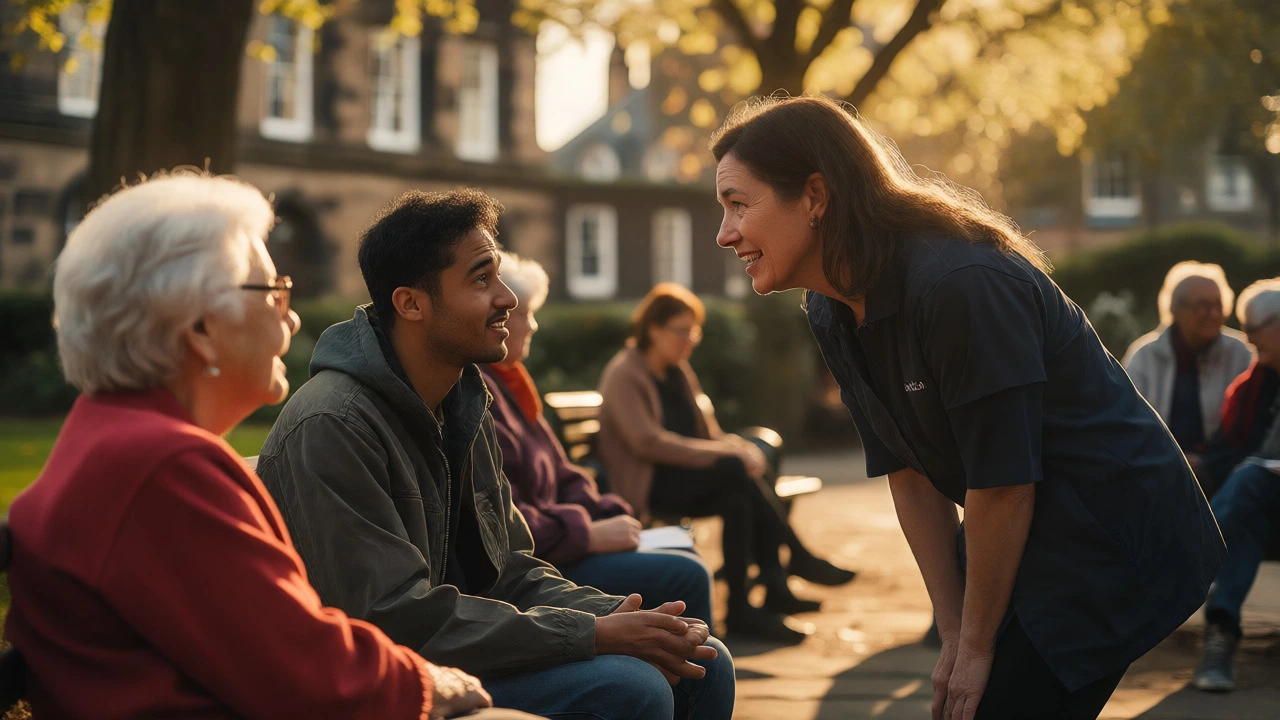
Active listening is the first hard skill here. It’s not just waiting for your turn to speak. It’s understanding the cultural nuances, the unspoken barriers, and the real pain points of the group you’re trying to reach. For instance, if you’re running a health clinic in Edinburgh’s Old Town, you might assume everyone wants digital booking. But if you listen, you might find that elderly residents prefer phone calls because they distrust apps. That insight changes your entire strategy. Without that skill, you’re just shouting into the void.
Why Trust Is the Currency of Outreach
If listening is the foundation, trust is the currency. You can’t spend money you don’t have, and you can’t ask for participation from people who don’t believe you. Building trust takes time, but there are shortcuts-or rather, accelerators. One major accelerator is transparency. When you tell people exactly what you’re doing, why you’re doing it, and what you hope to achieve, you lower their defenses. People hate surprises, especially when it comes to things affecting their daily lives.
Another way to build trust fast is through consistency. Show up when you say you will. If you promise to return a call by Tuesday, do it. If you miss that deadline, call back and explain why. This reliability signals respect. In contrast, flakiness kills credibility faster than any bad idea ever could. I’ve seen well-funded projects fail simply because the team stopped showing up after month two. The community remembered the abandonment more than the initial excitement.
Strategic Planning vs. Spontaneous Action
A common misconception is that good outreach is spontaneous. While flexibility helps, successful campaigns are planned. You need a roadmap. Who are you targeting? What channels do they use? What is your key message? Answering these questions before you launch saves weeks of wasted effort. Imagine trying to reach young parents in Leith. Would you put flyers in mailboxes? Maybe. But you’d likely get better results partnering with local playgrounds, pediatricians, or parenting Facebook groups. That choice isn’t random; it’s based on data and observation.
Here is where many beginners stumble: they confuse activity with progress. Handing out 500 flyers feels productive. But if only two people show up to your event, was it worth it? Strategic outreach focuses on conversion rates, not just volume. You track metrics like attendance, sign-ups, or feedback forms. These numbers tell you if your approach is working or if you need to pivot. Without measurement, you’re flying blind.
Tools and Techniques That Work
You don’t need expensive software to start, but having the right tools helps organize your chaos. A simple spreadsheet can track contacts, meeting notes, and follow-up dates. For larger operations, Customer Relationship Management (CRM) systems designed for non-profits help keep conversations organized. But tools are only as good as the human using them. The best CRM won’t fix a rude email or a missed appointment.
Let’s look at some concrete techniques that consistently yield results:
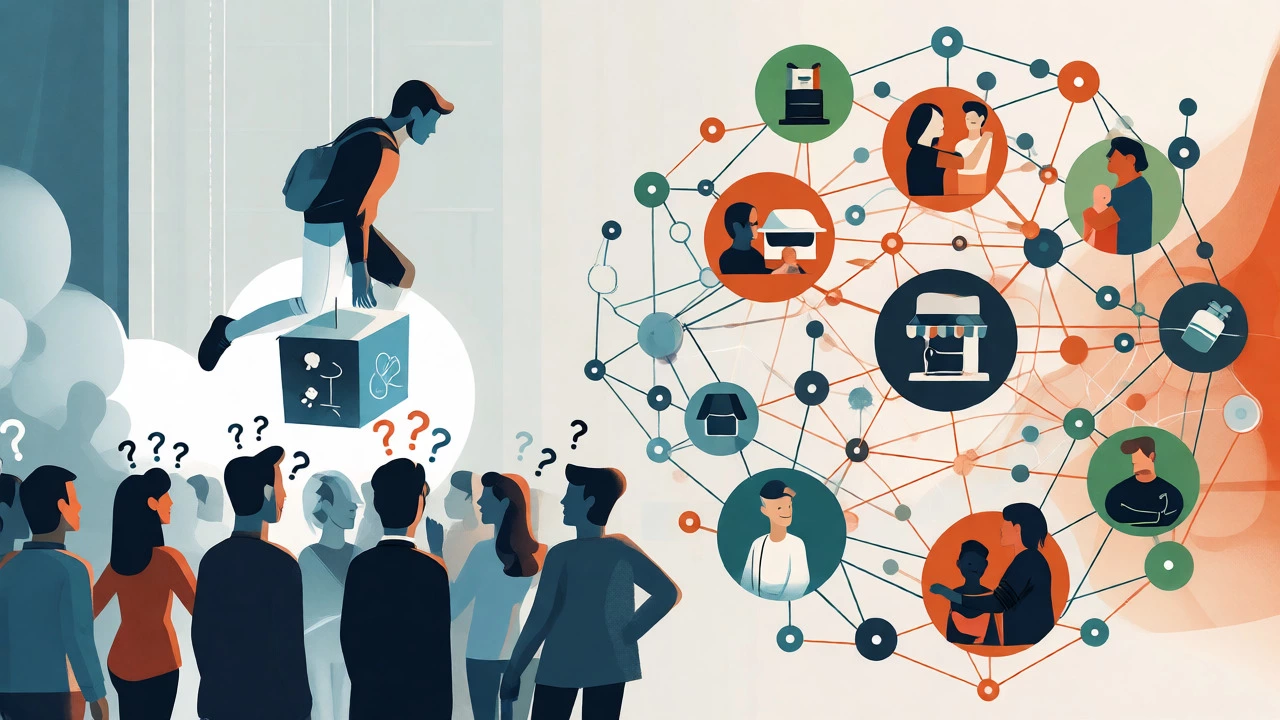
- Partner Mapping: Identify existing trusted voices in the community. Local barbers, shop owners, and religious leaders often know more than city councilors. Partnering with them lends you instant credibility.
- Plain Language Communication: Avoid jargon. Instead of saying "we aim to facilitate socio-economic integration," say "we want to help neighbors meet each other." Clarity invites participation; complexity excludes it.
- Feedback Loops: Create easy ways for people to tell you what they think. QR codes on posters leading to a three-question survey work wonders. Ask, "Did this help you?" and "What did we miss?"
These methods aren’t rocket science, but they require discipline. The challenge isn’t knowing what to do; it’s doing it repeatedly when no one is watching.
Can Anyone Learn Community Outreach?
Some people naturally charm a room. Others freeze up. Does that mean introverts can’t do outreach? Absolutely not. Introverts often excel at one-on-one conversations and deep listening, which are crucial for long-term relationship building. Extroverts might dominate town halls but struggle with the quiet follow-up emails that actually secure funding. Both personality types can succeed if they leverage their strengths.
The real barrier isn’t personality; it’s empathy. Can you genuinely care about someone else’s perspective, even if it clashes with yours? If yes, you have the raw material. The rest-logistics, messaging, timing-is technical knowledge you can acquire. Training programs focus on these technical aspects, but they can’t teach you to care. That part has to come from within.
Measuring Success Beyond Headcounts
How do you know if you’re good at this? Don’t just count bodies in chairs. Look at qualitative data. Are people returning? Are they referring friends? Are they staying longer than expected? These signs indicate genuine engagement. A one-off event with 100 attendees means less than a weekly club with 10 regulars who feel ownership over the space.
Consider this comparison of outreach approaches:
| Feature | Transactional Outreach | Relational Outreach |
|---|---|---|
| Primary Goal | Immediate action (sign-up, donation) | Long-term connection and trust |
| Communication Style | One-way broadcast | Two-way dialogue |
| Success Metric | Conversion rate per campaign | Retention and referral rates |
| Time Horizon | Short-term (weeks/months) | Long-term (years) |
Most modern organizations are shifting toward relational models because they prove more sustainable. Once trust is established, future initiatives face less resistance. You’re not starting from zero every time; you’re building on existing goodwill.
Pitfalls to Avoid
Even skilled practitioners fall into traps. The biggest one is "parachuting in." This happens when outsiders arrive with solutions, implement them quickly, and leave before the community can adapt. It creates dependency rather than empowerment. To avoid this, involve community members in the design phase. Let them co-create the solution. It takes longer, but the result sticks.
Another trap is ignoring digital divides. Not everyone checks email. Assuming everyone uses Instagram for local news ignores older demographics or low-income households with limited data plans. Always offer multiple channels: print, phone, in-person, and online. Inclusivity isn’t a checkbox; it’s a mindset.
Next Steps for Aspiring Outreach Workers
If you want to sharpen this skill, start small. Volunteer for a local cause that requires talking to strangers. Notice how they react to your tone, body language, and questions. Reflect on what worked and what didn’t. Join local networking groups to practice active listening. Read case studies of successful community projects to see how others navigated conflicts.
Remember, community outreach is a muscle. It grows stronger with use. It’s not about being perfect; it’s about being present, persistent, and prepared. The next time someone asks if it’s a skill, tell them it’s a craft-one that pays dividends in social cohesion and practical impact.
Is community outreach harder than marketing?
They share similarities but differ in goals. Marketing aims to sell a product or service, often using broad appeals. Community outreach aims to build relationships and solve problems, requiring deeper personal interaction and long-term commitment. Outreach often demands higher emotional intelligence and patience because you’re dealing with real-life issues, not just consumer preferences.
Do I need a degree to work in community outreach?
Not necessarily. Many roles value lived experience and strong interpersonal skills over formal education. Degrees in sociology, social work, or communications help, but demonstrating ability through volunteer work, internships, or past community involvement often carries equal weight in hiring decisions.
How do I handle rejection in community outreach?
Rejection is common and usually not personal. People may be busy, skeptical, or simply not interested at that moment. View it as data. Did you catch them at a bad time? Was the message unclear? Adjust your approach and try again. Persistence without pushiness is key.
What is the most important tool for community outreach?
While CRMs and social media platforms are useful, the most critical tool is a notebook or digital equivalent for recording insights. Documenting conversations, names, and specific needs allows you to personalize future interactions, which builds trust significantly faster than generic mass communication.
Can community outreach be done remotely?
Yes, but it’s challenging. Remote outreach works well for surveys, information dissemination, and maintaining contact. However, building deep trust often benefits from face-to-face interaction. Hybrid models combining virtual check-ins with occasional in-person meetings tend to yield the best results.