
Outreach Activity Planning Checklist
Track your progress through the essential steps of organizing a high-impact outreach event. Click on each phase to mark it as complete.
Define Purpose & Audience
Set specific goals (Awareness, Service, Recruitment) and identify exactly who you want to reach. Avoid vague objectives.
Set Budget & Resources
List costs for venue, materials, refreshments, and marketing. Secure sponsors or in-kind donations if needed. Keep a 10% contingency fund.
Choose Format & Venue
Select an accessible location near public transport. Ensure the format (lecture, workshop, festival) matches your goal. Test Wi-Fi and acoustics.
Develop Communication Strategy
Start promoting 4-6 weeks early. Use digital channels, local partnerships, email newsletters, and social media with consistent messaging.
Coordinate Volunteers & Staff
Assign clear roles: Greeters, Logistics, Facilitators, Data Collectors. Provide a run-of-show document and conduct a rehearsal.
Execute & Adapt
Manage the event day with flexibility. Handle issues calmly, engage participants actively, and adjust your approach based on the room's energy.
Measure Impact & Follow Up
Collect feedback via surveys. Thank participants within 48 hours. Debrief with your team to document lessons learned for future improvement.
You have a mission. You want to help people, raise awareness, or build connections in your neighborhood. But sitting down to actually plan an outreach activity is where many good intentions stall. It’s easy to get overwhelmed by logistics, budgets, and the fear that no one will show up. The truth is, successful outreach isn’t about throwing a party and hoping for the best. It is about strategic preparation, clear goals, and genuine connection.
Whether you are running a small local charity, a corporate social responsibility team, or a grassroots movement, the core principles remain the same. This guide breaks down the process into manageable steps, ensuring your effort translates into real-world impact rather than just noise.
Define Your Purpose and Audience
Before you book a venue or print flyers, you need to answer two questions: Why are we doing this? And who exactly do we want to reach?
Vague goals lead to vague results. Instead of saying "we want to help the community," be specific. Are you trying to collect winter coats for homeless families? Do you want to educate teenagers about digital safety? Or are you aiming to recruit volunteers for a monthly cleanup crew? Your goal dictates every other decision you make.
| Goal Type | Example Objective | Success Metric |
|---|---|---|
| Awareness | Educate residents about recycling rules | Number of pamphlets distributed; social media shares |
| Service Delivery | Provide free legal advice sessions | Number of individuals consulted; cases resolved |
| Recruitment | Find new volunteers for a food bank | Number of signed-up volunteers; retention rate after 3 months |
Next, identify your target audience. If you are planning a workshop on financial literacy for seniors, hosting it at a trendy co-working space downtown might not work. They may prefer a community center with easy bus access and large-print materials. Understanding your audience’s habits, barriers, and preferences is crucial. In Edinburgh, for instance, reaching students requires different tactics-like university noticeboards and Instagram stories-than reaching retired residents, who might respond better to local newspaper ads or church bulletins.
Set Realistic Budgets and Resources
Money talks, but so does resourcefulness. Most outreach activities don’t require a massive budget, but they do require honesty about what you can afford. Start by listing every potential cost:
- Venue fees: Is there a cost to use the hall? Can you partner with a library or school to waive it?
- Materials: Printing costs, craft supplies, or technology needs (projectors, microphones).
- Refreshments: Food and drinks can significantly boost attendance, even if it’s just coffee and biscuits.
- Marketing: Social media boosts, flyer printing, or poster design.
If your budget is tight, look for sponsors or in-kind donations. Local businesses often appreciate the visibility of sponsoring a community event. For example, a nearby bakery might donate pastries for a morning briefing in exchange for their logo on your promotional posters. Always keep a contingency fund of at least 10% for unexpected expenses, like extra chairs or last-minute permit fees.
Choose the Right Format and Venue
The format of your outreach should match your goal and audience. A lecture works well for information dissemination, while a workshop fosters interaction. A festival builds community spirit, whereas a one-on-one consultation provides personalized support.
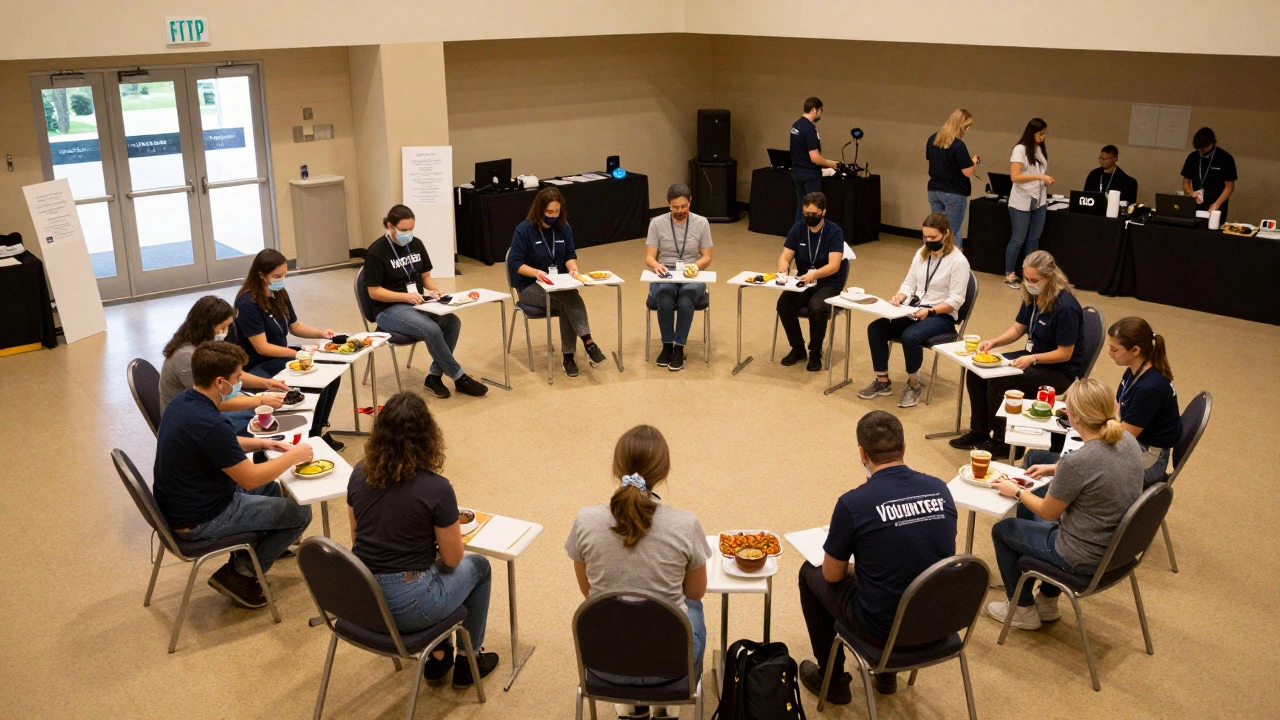
When selecting a venue, accessibility is non-negotiable. Ensure the location is wheelchair accessible, has adequate lighting, and is located near public transport. Consider the time of day as well. Weekday evenings might suit working professionals, while weekends or mid-morning slots could be better for parents or retirees. Test the space beforehand. Check the Wi-Fi strength, the acoustics, and the bathroom facilities. Small details matter because they affect how comfortable people feel.
Develop a Communication Strategy
You can have the best event in the world, but if no one knows about it, it fails. Your communication strategy needs to start at least four to six weeks before the event. Use a mix of channels to reach different segments of your audience.
- Digital Presence: Create a simple landing page or Facebook event. Use clear, compelling headlines. Include all essential details: date, time, location, and what participants gain from attending.
- Local Partnerships: Ask libraries, community centers, and local shops to display your flyers. These physical touchpoints still hold significant power, especially among older demographics.
- Email Newsletters: If you have an existing mailing list, segment it. Send targeted invites to those most likely to be interested.
- Social Media: Post regularly leading up to the event. Share behind-the-scenes prep, testimonials from previous events, or quotes from speakers. Engage with comments to build anticipation.
Make sure your messaging is consistent across all platforms. Use the same visuals and tone of voice. This builds brand recognition and trust. Remember, people are more likely to attend if they see others talking about it. Encourage early registrants to share the event with friends.
Coordinate Volunteers and Staff
No outreach activity happens without people behind the scenes. Whether you have five volunteers or fifty, clear roles prevent chaos. Assign specific responsibilities:
- Greeters: Welcome attendees, hand out name tags, and direct them to seating.
- Logistics Team: Set up equipment, manage sound systems, and handle refreshments.
- Facilitators/Speakers: Lead the session, answer questions, and keep the energy high.
- Data Collectors: Manage sign-in sheets, collect feedback forms, and capture contact information for follow-up.
Brief your team thoroughly. Provide them with a run-of-show document that outlines the timeline minute by minute. Conduct a quick rehearsal if possible. Happy, organized volunteers create a welcoming atmosphere, which directly impacts participant satisfaction.

Execute and Adapt
On the day of the event, things will go wrong. A speaker might be late. The projector might fail. People might arrive earlier than expected. The key is flexibility. Have a backup plan for critical elements. Keep a calm demeanor; your attitude sets the tone for everyone else.
Focus on engagement. Don’t just stand at the front delivering information. Move around the room. Make eye contact. Ask questions. Create opportunities for participants to interact with each other. Human connection is the heart of outreach. If you sense boredom or confusion, adjust your pace or approach immediately. Read the room.
Measure Impact and Follow Up
The event ending doesn’t mean your job is done. In fact, this phase is where long-term value is created. Measure your success against the goals you set in step one. Did you meet your attendance target? Did you collect enough signatures or donations?
Collect qualitative feedback too. Use short surveys or informal conversations to ask: What did you enjoy? What could we improve? This data is gold for future planning. Thank your participants within 48 hours. A simple email thanking them for coming and sharing photos from the event reinforces their positive experience and keeps them engaged for next time.
Finally, debrief with your team. Celebrate wins and discuss lessons learned. Document these insights so you don’t repeat mistakes. Continuous improvement turns a one-off activity into a sustainable program.
Common Pitfalls to Avoid
Even experienced organizers make mistakes. Here are some common traps:
- Overpromising: Don’t promise outcomes you can’t deliver. Be honest about what the event will achieve.
- Ignoring Accessibility: Failing to consider disabilities, language barriers, or cultural sensitivities excludes potential participants.
- Poor Timing: Scheduling during major holidays, school exams, or competing local events reduces turnout.
- Lack of Follow-Up: Letting momentum die after the event wastes the relationships you built.
By avoiding these pitfalls, you increase your chances of creating meaningful, lasting impact. Outreach is not a transaction; it’s a relationship-building exercise. Treat it with care, respect, and strategic thought.
How far in advance should I start planning an outreach activity?
Ideally, start planning 2-3 months ahead. This gives you enough time to secure venues, recruit volunteers, and build anticipation through marketing. For smaller, informal gatherings, 4-6 weeks may suffice, but larger events require more lead time for logistics and partnerships.
What is the most important metric for measuring outreach success?
It depends on your initial goal. If your aim is awareness, track reach and engagement metrics. If it’s service delivery, measure the number of people helped. However, the most valuable metric is often participant satisfaction and long-term engagement. Did people find value? Will they return or recommend the event?
How can I engage hard-to-reach communities?
Trust is key. Partner with existing trusted organizations within those communities, such as faith groups, cultural associations, or local leaders. Use culturally appropriate communication channels and languages. Host events in familiar, comfortable spaces rather than imposing external venues. Listen more than you speak to understand their actual needs.
What should I do if my outreach event has low attendance?
Don’t panic. Analyze why. Was the promotion insufficient? Was the timing bad? Was the topic not relevant? Gather feedback from those who did attend. Adjust your strategy for next time. Sometimes, a smaller, more focused group allows for deeper, more impactful interactions than a large crowd.
Can virtual outreach be as effective as in-person events?
Yes, but differently. Virtual events offer wider reach and lower costs, making them great for awareness and education. However, they lack the personal touch of face-to-face interaction. Hybrid models often work best, combining online accessibility with optional in-person components for deeper engagement.