
Community Outreach Strategy Builder
Stop guessing. Build a clear blueprint for your next campaign by identifying your key stakeholders and defining measurable success criteria.
Vague goals fail. Use this builder to make yours Specific, Measurable, Achievable, Relevant, and Time-bound.
Your Outreach Blueprint
Target Audience & Approach
Focus Group:
Engage Via:
Leverage:
SMART Objective Breakdown
You’ve probably heard the term thrown around in board meetings or grant applications. But what does it actually mean when someone asks for your community outreach strategy? It’s not just about handing out flyers at a local fair or posting on social media. If you’re running a charity, a local club, or even a small business trying to connect with neighbors, a strategy is the blueprint that turns random acts of kindness into measurable results.
Think of it this way: without a strategy, you’re guessing. You might reach people who don’t care, miss the ones who do, and waste precious resources doing it. A good strategy aligns your goals with the actual needs of the people you want to serve. It answers the hard questions before you spend a penny or an hour of volunteer time. So, let’s break down exactly what this is, why it matters, and how to build one that actually works.
The Core Definition: More Than Just Marketing
Community outreach is the process of engaging with specific groups within a community to provide services, information, or support. Unlike traditional marketing, which often pushes products outward, outreach pulls people in by addressing their specific pain points. A strategy is the structured plan that defines who you are talking to, what you are saying, and how you will measure success.
Many organizations confuse outreach with public relations. PR manages your reputation; outreach builds relationships. For example, if you run a food bank, PR tells the city you exist. Outreach involves partnering with local schools to identify families struggling with hunger before they hit crisis mode. The difference is proactive versus reactive. Your strategy must clearly define this boundary so your team doesn’t drift into vanity projects that look good but do little.
Why You Need a Formal Plan (And Not Just Good Intentions)
Good intentions are great, but they don’t pay the rent or secure grants. Funders and stakeholders want to see logic. They want to know that if they give you £5,000, you have a clear path to using it effectively. Without a documented plan, you risk "mission creep," where you end up serving populations you aren’t equipped for, draining your staff and diluting your impact.
Consider a local youth center in Edinburgh. Without a strategy, they might host open hours that no one attends because the times clash with shift work patterns of parents. With a strategy, they survey the neighborhood first, discover the gap, and adjust hours. This isn’t just luck; it’s data-driven decision-making. A formal strategy reduces risk. It ensures every activity ties back to a specific objective, whether that’s increasing literacy rates among teens or reducing isolation among seniors.
Step 1: Identify Your Audience and Stakeholders
You cannot talk to everyone. If you try, you’ll say nothing to anyone. The first step in any solid stakeholder map is segmenting your audience. Who are the primary beneficiaries? Who are the gatekeepers?
Start by listing every group affected by your work. Then, categorize them:
- Primary Beneficiaries: The people directly receiving your service (e.g., homeless individuals, students).
- Influencers: People who can sway opinion or access (e.g., teachers, local councilors, community leaders).
- Allies: Partners who share your goals (e.g., other charities, local businesses).
- Detractors: Those who may oppose your efforts (e.g., residents worried about noise or traffic).
Once you have this list, prioritize. You can’t engage deeply with all four groups simultaneously. Pick one or two segments to focus on for your next quarter. For instance, if you’re launching a new mental health workshop, your primary target might be young adults aged 18-25, while your key influencer could be university student union reps. Tailor your message specifically to them. Generic messages get ignored; specific ones get read.

Step 2: Define Clear, Measurable Objectives
Vague goals like "increase awareness" are useless. How much awareness? By when? Use the SMART framework-Specific, Measurable, Achievable, Relevant, Time-bound. Instead of "help more people," try "enroll 50 new participants in the job training program by December."
Here is how different objectives look across sectors:
| Sector | Vague Goal | SMART Objective |
|---|---|---|
| Healthcare | Promote flu shots | Increase vaccination rates among elderly residents in Ward 4 by 15% before November 30. |
| Education | Get kids reading | Distribute 200 free books and record 50 library sign-ups from low-income households in Q3. |
| Environment | Clean up parks | Recruit 30 volunteers for monthly clean-ups and remove 50kg of plastic waste per session. |
Notice the specificity. These goals tell you exactly what success looks like. If you hit the number, you win. If you don’t, you know exactly where to adjust. This clarity keeps your team motivated and your funders happy.
Step 3: Choose the Right Channels and Tactics
Now that you know who you’re talking to and what you want to achieve, how do you reach them? Don’t default to Facebook because it’s easy. Go where your audience already spends time.
If your target is older adults, digital channels might fail. You need physical touchpoints: church bulletins, community centers, local newspapers, or word-of-mouth through trusted community figures. If you’re targeting Gen Z, TikTok and Instagram Stories are essential, but only if you use authentic, unpolished content. Corporate-speak kills engagement on social platforms.
Mix your tactics. A blended approach usually works best. For example, use email newsletters to nurture existing supporters, social media to attract new eyes, and face-to-face events to deepen trust. Remember, outreach is a funnel. Social media gets attention; events convert interest into action; follow-up emails keep them engaged. Map each tactic to a stage in this journey.
Step 4: Build Authentic Relationships
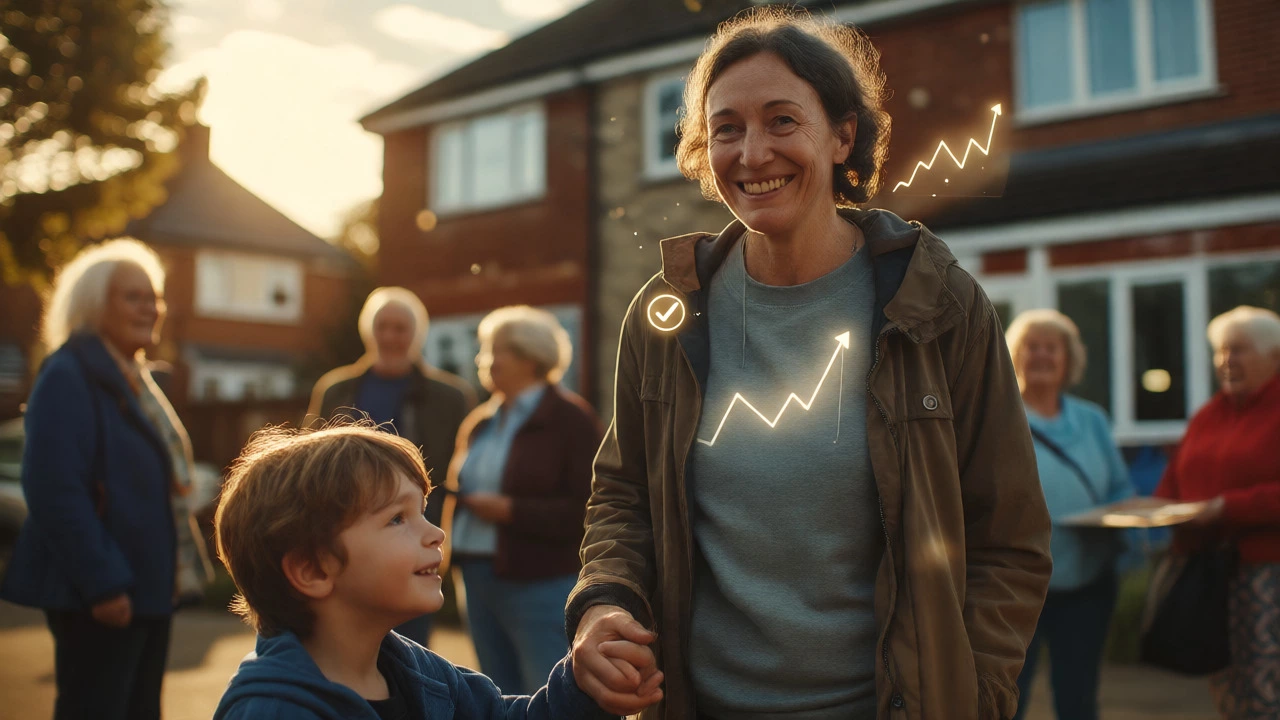
This is the part most strategies miss. Outreach isn’t a broadcast; it’s a conversation. If you show up once, drop a pamphlet, and leave, you haven’t done outreach-you’ve done advertising. True community outreach requires listening.
Host town halls or informal coffee mornings. Ask questions and actually write down the answers. When you implement changes based on feedback, tell people you did it because they asked. This builds trust. In my experience working with local trusts here in Scotland, the organizations that thrive are those that treat community members as partners, not just recipients. Co-design your programs with them. Let them choose the venue, the time, and sometimes even the topic. Ownership drives participation.
Measuring Success: Beyond Vanity Metrics
How do you know if your strategy worked? Likes and shares are nice, but they don’t pay bills. Look at conversion rates and retention. Did the people who attended your event sign up for ongoing support? Did they refer others?
Set up simple tracking mechanisms. Use unique QR codes for flyers from different locations to see which areas respond best. Send post-event surveys via SMS-it has higher open rates than email for many demographics. Track qualitative data too. Collect stories. One powerful testimonial from a single parent who found housing help can be worth more in a grant report than ten pages of statistics.
Review your metrics quarterly. If a channel isn’t delivering, cut it. If a tactic is working, double down. Flexibility is key. A static strategy becomes obsolete quickly. Treat your outreach plan as a living document, updated regularly based on real-world performance.
Common Pitfalls to Avoid
Even well-meaning organizations stumble. Here are three traps to watch out for:
- Assuming Needs: Never guess what the community wants. Always validate through research or direct dialogue. What seems helpful to you might be burdensome to them.
- Overpromising: Don’t promise services you can’t sustain. It’s better to underpromise and overdeliver. Broken promises destroy trust faster than anything else.
- Neglecting Internal Capacity: Ensure your staff or volunteers have the bandwidth to handle increased engagement. A surge in interest without adequate support leads to burnout and poor service quality.
Avoid these, and you’ll stay ahead of 90% of competitors. Keep communication honest, consistent, and two-way.
Is a community outreach strategy the same as a marketing plan?
No. While they overlap, marketing typically focuses on promoting products or services to generate sales or brand awareness. A community outreach strategy focuses on building relationships, providing value, and solving specific problems for a defined group. Marketing is often transactional; outreach is relational.
How long should a community outreach strategy last?
Most strategies are designed for 1-3 years, with annual reviews. However, tactical plans (like specific campaigns) should be reviewed quarterly. Community needs change, so flexibility is crucial. Don’t lock yourself into rigid five-year plans without checkpoints.
Do I need a big budget for effective outreach?
Not necessarily. Many successful outreach initiatives rely on volunteer time, partnerships, and existing networks rather than cash. Creative approaches, such as leveraging local influencers or hosting free workshops, can yield high returns with minimal financial investment. Consistency matters more than budget size.
Who should be responsible for implementing the strategy?
Ideally, a dedicated coordinator or manager oversees the strategy to ensure consistency. However, implementation should involve the whole organization. Frontline staff, volunteers, and leadership all play roles. Everyone should understand the strategy’s goals to communicate coherently.
How do I measure ROI for non-profits?
For non-profits, ROI often means social return on investment (SROI). Measure outcomes like improved well-being, reduced emergency room visits, or increased employment rates. Combine quantitative data (numbers served) with qualitative data (stories of change) to present a holistic view of impact.