Find Your Ideal Social Club Type
Configure Your Preferences
Recommended Club Types
Based on your preferences, here are the best matches from the 2026 landscape.
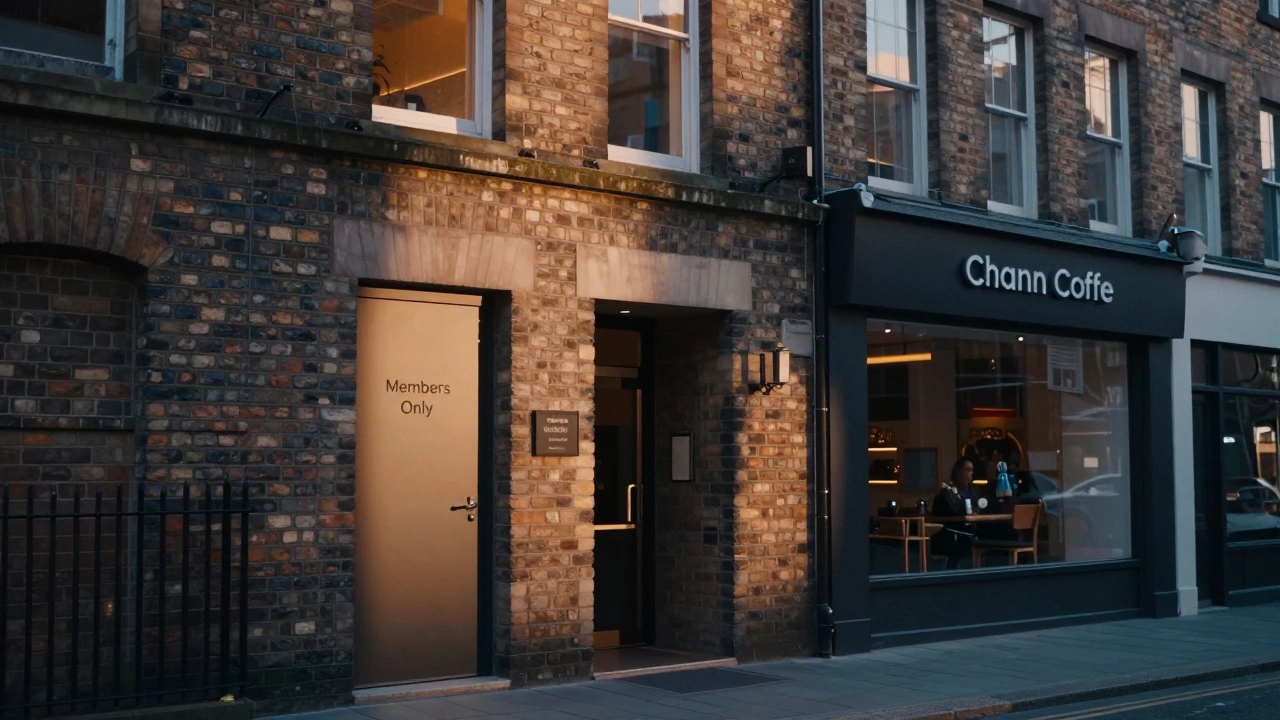
Walk down any high street in Edinburgh or London today, and you might notice a familiar pattern. The old pub is gone, replaced by a chain coffee shop. The corner store has become a convenience mart. But tucked away on the second floor of a nondescript building, or perhaps occupying a renovated warehouse space, there’s often a door with a sign that says "Members Only." Are social clubs still around? The short answer is yes. In fact, they are having a massive resurgence, but they look nothing like the dusty, exclusive gentlemen’s clubs of the 19th century.
We are living through a crisis of connection. Digital fatigue is real. People are lonely, even when they are constantly online. This has created a hunger for what sociologists call third places, which are social surroundings separate from the two usual social environments of home (first place) and the workplace (second place). Social clubs have stepped into this void, evolving from elitist institutions into vibrant, inclusive hubs for community, hobbyists, and professionals alike.
The Death of the Old Guard and Birth of the New
To understand where we are, we have to look at where we’ve been. For decades, the image of a social club was stuck in time: leather armchairs, cigar smoke, strict dress codes, and membership lists that read like who’s who of the aristocracy. These traditional private members' clubs faced declining relevance as societal values shifted toward inclusivity and transparency. Many closed their doors due to lack of interest or financial unsustainability.
However, the concept didn’t die; it mutated. The modern social club is less about status and more about shared identity. Think of it as a hybrid between a co-working space, a hobby group, and a neighborhood hangout. In cities across the UK and globally, new models have emerged. There are clubs for remote workers who crave human interaction, clubs for parents seeking support networks, and clubs dedicated to specific interests like board games, gardening, or tech innovation. The barrier to entry is no longer your family name; it’s your willingness to participate.
Why We Need Physical Spaces Again
You might ask, why not just meet up via Discord or WhatsApp? Virtual connections are convenient, but they lack the depth of physical presence. Human beings are wired for face-to-face interaction. Eye contact, body language, and shared physical experiences create stronger bonds than text messages ever could.
Social clubs provide a structured environment for these interactions. They offer a sense of belonging without the pressure of constant performance. In a world where everyone is curating their online persona, a social club is one of the few places where you can just be yourself. You don’t need to post about your visit. You don’t need to worry about likes. You just show up, grab a drink, talk to someone, and leave feeling slightly more connected to your community.
This need is particularly acute in urban areas. High-rise living and transient populations can make cities feel isolating. Social clubs act as anchors, creating micro-communities within larger cities. They foster local economic activity by supporting nearby businesses and providing a safe, welcoming space for residents.
Types of Modern Social Clubs
The landscape of social clubs in 2026 is diverse. Here are some of the most common types you’ll encounter:
- Interest-Based Clubs: These revolve around a specific hobby or passion. Examples include book clubs, running groups, coding collectives, or craft breweries. The focus is on the activity, but the social bonding is the secondary benefit.
- Professional Networks: Unlike stiff business associations, these are relaxed spaces for freelancers, entrepreneurs, and creatives to network, share resources, and find collaborators. They often host workshops and speaker events.
- Community Hubs: These are hyper-local clubs focused on neighborhood improvement, mutual aid, and socializing. They might organize clean-up days, food shares, or local festivals.
- Lifestyle Clubs: These offer a curated experience, combining fitness, wellness, dining, and social events under one roof. They appeal to people looking for a holistic lifestyle upgrade.

How to Find a Club That Fits You
Finding the right social club isn’t as simple as walking into the nearest one. It requires a bit of research and self-reflection. Ask yourself what you’re looking for. Do you want to learn a new skill? Meet potential partners? Expand your professional network? Or just escape the loneliness of working from home?
Start by looking locally. Check community boards, local Facebook groups, and platforms like Meetup or Eventbrite. Many clubs have open houses or trial periods where you can visit before committing. Pay attention to the vibe. Is it too formal? Too rowdy? Does it align with your values?
Don’t be afraid to start your own. If you can’t find a club that meets your needs, consider gathering a few friends and launching one. You don’t need a fancy venue to begin. A regular meeting at a local cafe or park can evolve into a formal organization over time.
The Economics of Membership
One of the biggest concerns for potential members is cost. Traditional clubs were notoriously expensive, with initiation fees and monthly dues that priced out most people. Modern clubs are trying to be more accessible, but they still need to cover operational costs.
| Club Type | Typical Cost | Primary Benefit | Commitment Level |
|---|---|---|---|
| Interest-Based | Low (£5-£20/month) | Shared Hobby | Flexible |
| Professional Network | Medium (£30-£100/month) | Career Growth | Moderate |
| Lifestyle Club | High (£150+/month) | Convenience & Status | High |
| Community Hub | Very Low (Free-Donation) | Local Connection | Variable |
When evaluating cost, consider the value you’re getting. Are you saving money on other subscriptions? Are you gaining access to unique opportunities? Is the social capital worth the financial investment? Be wary of clubs that hide fees or have vague pricing structures.

Challenges Facing Modern Clubs
Despite the resurgence, social clubs face significant challenges. Retention is a major issue. People join with enthusiasm but often drop out when life gets busy. Clubs need to continuously engage members with fresh content, events, and reasons to return.
Diversity and inclusion remain ongoing battles. While many clubs strive to be welcoming, unconscious bias can still creep into membership processes and social dynamics. Leaders must actively work to create environments where everyone feels comfortable and valued.
Finally, there’s the threat of digital substitution. As virtual reality and augmented reality technologies improve, will people prefer digital hangouts over physical ones? Most experts believe physical presence will always hold value, but clubs must adapt by offering hybrid experiences that blend online and offline interactions.
The Future of Connection
Social clubs are not just surviving; they are thriving because they address a fundamental human need. We are social creatures. We need to belong. As our world becomes increasingly digital and fragmented, physical spaces for connection become more precious, not less.
The next generation of social clubs will likely be even more specialized and technology-integrated. Imagine a club that uses AI to match you with compatible members based on your interests and personality. Or a club that offers immersive VR experiences alongside physical gatherings. The possibilities are endless.
Whether you’re looking to make new friends, advance your career, or simply find a place to relax after work, a social club might be the answer. The question isn’t whether social clubs are still around. The question is whether you’re ready to join them.
Are social clubs only for wealthy people?
No, while some exclusive clubs remain expensive, many modern social clubs are affordable and accessible. Interest-based and community-focused clubs often have low fees or operate on a donation basis. The trend is moving toward inclusivity rather than exclusivity.
How do I find a social club near me?
You can search online platforms like Meetup, Eventbrite, or local community websites. Social media groups specific to your city or interests are also great resources. Additionally, check bulletin boards in cafes, libraries, and community centers for flyers.
What is the difference between a social club and a gym?
A gym focuses primarily on physical fitness and exercise. A social club focuses on community, shared interests, and social interaction. While some lifestyle clubs may include fitness facilities, the core purpose of a social club is connection, not just workout equipment.
Can I start my own social club?
Yes, absolutely. Starting a social club doesn't require a large budget. Begin by identifying a shared interest among a small group of people. Organize regular meetings in public spaces or private homes. As the group grows, you can formalize the structure and seek a dedicated venue.
Do social clubs help with professional networking?
Many modern social clubs are designed specifically for professional networking. They provide a relaxed environment to meet peers, mentors, and potential clients. Unlike formal business events, these clubs foster genuine relationships that can lead to valuable professional opportunities.