
Food Bank Access & Referral Checker
Are you in crisis but unsure how to get help? This tool guides you through the eligibility process for UK food banks (like The Trussell Trust) and alternative community options.
Traditional Food Bank Recommended
Based on your answers, you likely qualify for a standard emergency food parcel. Most traditional centres (like The Trussell Trust) require a referral voucher.
Who can give you a voucher?
- Citizens Advice: Best first stop. Call 0808 223 1133.
- GP or Health Visitor: If you've seen them recently.
- Social Worker: If you already have one.
- Local Charity/Church: Many are registered referrers.
Next Steps:
Community Pantry or Soup Kitchen
You may prefer options that don't require a formal voucher, especially if you want fresh produce or hot meals.
Community Pantry
Pay a small fee (£5-£7) for goods worth £20+. Feels like shopping. Great for fresh fruit/veg.
Soup Kitchen
Hot cooked meal provided. Often open access. Good if you need immediate warmth and company.
Emergency Support
If you are fainting or have absolutely nothing to eat right now, do not wait for a voucher appointment.
- 1. Eat what you have: Even non-perishables or condiments can hold you over.
- 2. Find a Soup Kitchen: Search online for "soup kitchen near me". They usually serve without questions.
- 3. Ask Faith Groups: Local churches, mosques, or gurdwaras often provide emergency snacks or vouchers immediately.
Tip: Once you have stabilized with a hot meal or snack, contact Citizens Advice the next day to arrange longer-term support and prevent this happening again.
You’re staring at an empty cupboard. The heating bill just hit your account, leaving you with £12 for the week. You’ve heard about food banks, but you hesitate. Do you need a specific form? Will they judge you? Can you just walk in off the street?
The short answer is: yes, anyone who is hungry can access help, but most traditional food banks require a referral voucher first. This isn’t bureaucracy for the sake of it; it’s how charities manage limited stock and ensure support reaches those in crisis. If you are in Edinburgh or anywhere else in the UK, understanding this process saves you time, stress, and potentially embarrassment.
The Voucher System Explained
Most people picture a supermarket shelf when they think of food distribution. But a food bank is a charitable organization that provides emergency food parcels to people in crisis. In the UK, the largest network is run by the Trussell Trust. Their model relies on third-party referrals. Why? Because demand often outstrips supply. By requiring a voucher, they prevent panic buying and ensure that a three-day supply goes to someone who truly has nothing else to eat.
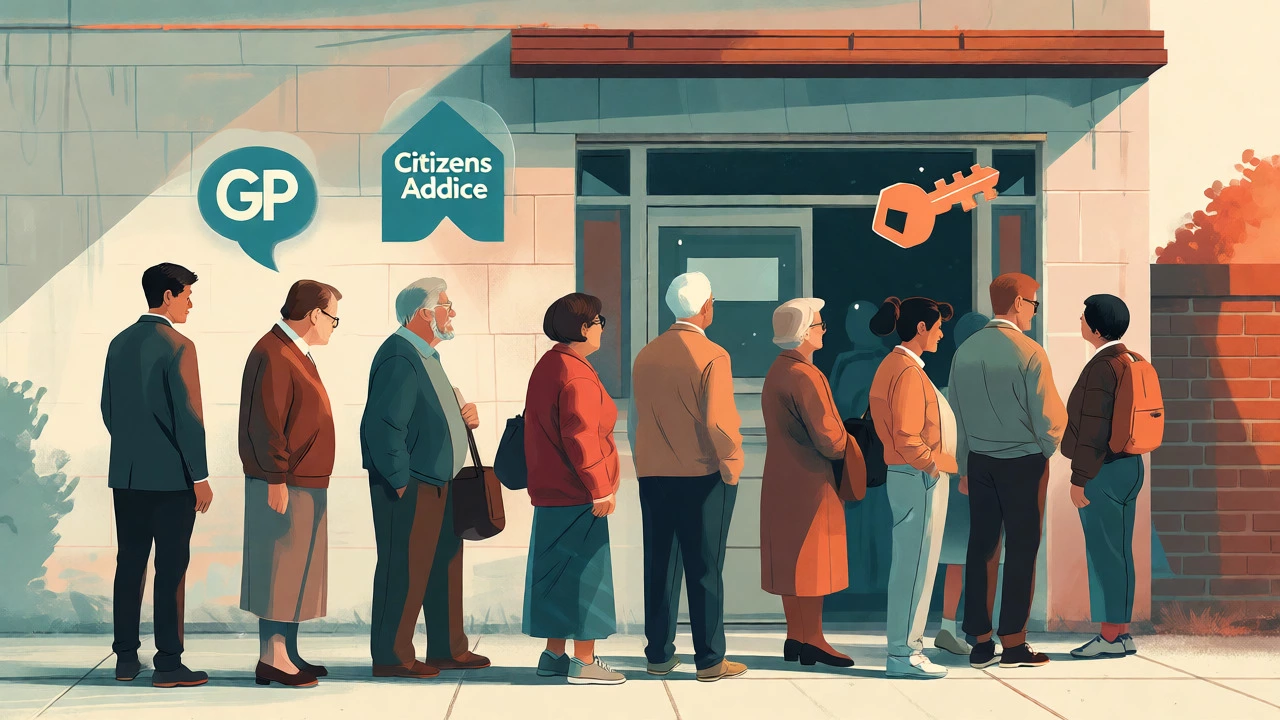
You cannot simply walk into a standard Trussell Trust centre without one. However, this doesn't mean you need to be unemployed or receiving benefits. It means you need a professional-like a doctor, social worker, or advice bureau staff member-to confirm you are in a temporary crisis. Think of the voucher as a key. Once you have it, the door opens.
Who Can Give You a Referral?
If you don’t know where to start, look for these authorized referrers. They are trained to assess immediate need without demanding extensive paperwork.
- Citizens Advice Bureaux: These are your best bet for quick assessments. Staff there deal with debt, housing, and benefits daily. They can issue a voucher immediately if they see immediate hunger risk.
- GPs and Health Visitors: If you visit your doctor because you feel faint from skipping meals, tell them. A health visitor can also refer families with young children.
- Social Workers: If you already have a case worker, ask them directly. They often hold vouchers on their desks.
- Charities and Faith Groups: Many local churches, mosques, and community groups are registered referrers. You don’t need to be religious to ask them for help.
- Housing Associations and Landlords: If rent arrears are causing your hunger, your housing officer might be able to help.
In Scotland specifically, the Scottish Government has invested heavily in reducing the stigma around food banks, encouraging more community-led initiatives that sometimes bypass the strict voucher rule for emergency snacks or fresh produce.
What Counts as "Crisis"?
People often delay seeking help because they think their situation isn't "bad enough." Here is the reality: crisis is subjective. You do not need to be homeless to qualify. Common reasons for referral include:
- Benefit Delays: Waiting six weeks for your first Universal Credit payment while your savings drain.
- Low Income Jobs: Working full-time but earning below the living wage, with high childcare costs eating up your pay.
- Unexpected Bills: A broken boiler or car repair that wipes out your weekly budget.
- Domestic Abuse: Leaving a home suddenly with no money and few possessions.
- Mental Health Crises: When anxiety or depression makes managing finances and shopping impossible.
If you have skipped a meal because you chose between paying electricity or eating, you are in crisis. That is sufficient reason for a referral.

What Is Inside a Typical Food Parcel?
Expect a three-day supply of non-perishable food for each person in your household. It is not a gourmet experience, but it is nutritious and calorie-dense. Standard items usually include:
| Category | Examples | Purpose |
|---|---|---|
| Staples | Rice, pasta, flour, sugar, oil | Base meals that fill you up. |
| Protein | Tinned beans, lentils, spam, tinned fish | Essential nutrients without cooking fuel. |
| Fresh-ish | Apples, bananas (if available) | Vitamins and morale boost. |
| Extras | Biscuits, tea bags, coffee | Comfort and hydration. |
Note: Most centres do not provide fresh meat or dairy unless they have a specific partnership with a local grocer. Always check what dietary requirements you can request. Halal, kosher, gluten-free, and baby food options are often available, but you must mention them during the referral process so the centre can prepare your parcel.
Walk-In vs. Voucher Centres
Not all food assistance looks the same. While the Trussell Trust dominates the landscape, other models exist, especially in urban areas like Edinburgh.
| Feature | Traditional Food Bank (e.g., Trussell Trust) | Community Pantry / Larder | Street Feed / Soup Kitchen |
|---|---|---|---|
| Access Method | Voucher required | Membership or small fee (£5-£7) | Open access / No questions asked |
| Food Type | Non-perishable staples | Fresh produce, dairy, bakery surplus | Hot cooked meals |
| Best For | Immediate survival, no cash | Ongoing low income, cooking skills | Homelessness, isolation, hot meal needed |
| Stigma Level | Medium (requires admission of crisis) | Low (feels like shopping) | Varies (often associated with homelessness) |
If you find the voucher system too stressful, look for a community pantry. These operate like supermarkets where you pay a small fee for goods worth much more. They are excellent for long-term affordability rather than immediate emergencies. In Edinburgh, organizations like Edinburgh Foodbank and various church-run larders offer flexible options.
How to Find Your Nearest Centre
Don’t guess. Use digital tools to find the closest drop-off point. The Trussell Trust website allows you to enter your postcode to find the nearest centre and its opening hours. Similarly, apps like The Food Foundation’s resources or local council websites list independent pantries.
When you call ahead, ask two things:
- Do I need a voucher today?
- Are you open right now?
Some centres close early or only open on specific days. Showing up unannounced can lead to disappointment, which worsens the stress of hunger.
Beyond the Parcel: Additional Support
A food parcel solves hunger for three days. It does not solve the underlying problem. Most good food banks connect you with further help. During your visit, ask about:
- Energy Grants: Charities often have funds to help pay gas and electric bills.
- Debt Advice: Free sessions with advisors who can negotiate with creditors.
- Hygiene Kits: Soap, shampoo, and toothpaste are often available separately.
- Clothing Banks: Some locations partner with charity shops for coats or shoes.
Using the service once does not lock you in. You can return every six months if needed. There is no limit on lifetime visits.
Common Myths Debunked
Myth 1: Only homeless people use food banks.
False. A significant portion of users are working families struggling with cost-of-living pressures.
Myth 2: You need to be on benefits.
False. Self-employed individuals, students, and pensioners all use food banks regularly.
Myth 3: The food is expired.
False. While some items may be near their "best before" date, they are safe and inspected. Donations are sorted by volunteers to ensure quality.
Myth 4: It’s free forever.
Partially true. The parcel is free, but it is intended as a bridge, not a permanent solution. Caseworkers will often encourage you to seek longer-term financial stability.
Next Steps If You Are Hungry Today
If you are reading this because you are hungry right now, here is your action plan:
- Check your fridge/cupboard: Do you have anything edible? Eat it now.
- Call Citizens Advice: Dial 0808 223 1133 (UK-wide) or find your local number. Explain you have no food.
- Visit a GP or Community Nurse: Ask for a referral.
- Look for "Free Food" signs: In cities, many cafes participate in "pay it forward" schemes or have surplus bread at closing time.
You are not failing by asking for help. You are using a safety net designed exactly for moments like this.
Do I need ID to go to a food bank?
Generally, no. You do not need to show proof of address or identity to receive a food parcel. The focus is on immediate need, not administrative verification. However, having your National Insurance number handy can speed up the registration process if the centre asks for basic demographic data for reporting purposes.
Can I get fresh fruit and vegetables from a food bank?
It depends on the location and the time of year. Traditional food banks rely on donated non-perishables, so fresh produce is less common. However, many centres now partner with local farms or supermarkets to distribute surplus fresh items. Community pantries are a better option if you specifically need fresh food, as they stock perishables like milk, eggs, and vegetables.
Is there a limit to how many times I can use a food bank?
There is no legal limit. However, most charities recommend using the service no more than once every six months to ensure resources reach new crises. If you find yourself returning frequently, caseworkers will likely suggest looking into longer-term support options like budgeting advice or benefit checks.
What if I don't have a voucher but am starving?
If you are in immediate danger of fainting or severe hunger, try a soup kitchen or community café first, as they often serve hot meals without vouchers. Alternatively, contact a local church or mosque directly; faith leaders can sometimes issue emergency vouchers on the spot even if they aren't official registered referrers.
Are food banks free?
Yes, emergency food parcels from major networks like the Trussell Trust are completely free. You do not need to pay or donate to receive them. Some smaller community projects might ask for a nominal donation (e.g., £1), but this is never mandatory if you cannot afford it.