Food Bank Eligibility & Process Checker
Answer these questions to see if you are eligible for immediate help or need a referral.
Eligible for Assistance
Based on your responses...
Contact a professional to get a voucher.
Bring your voucher and bags.
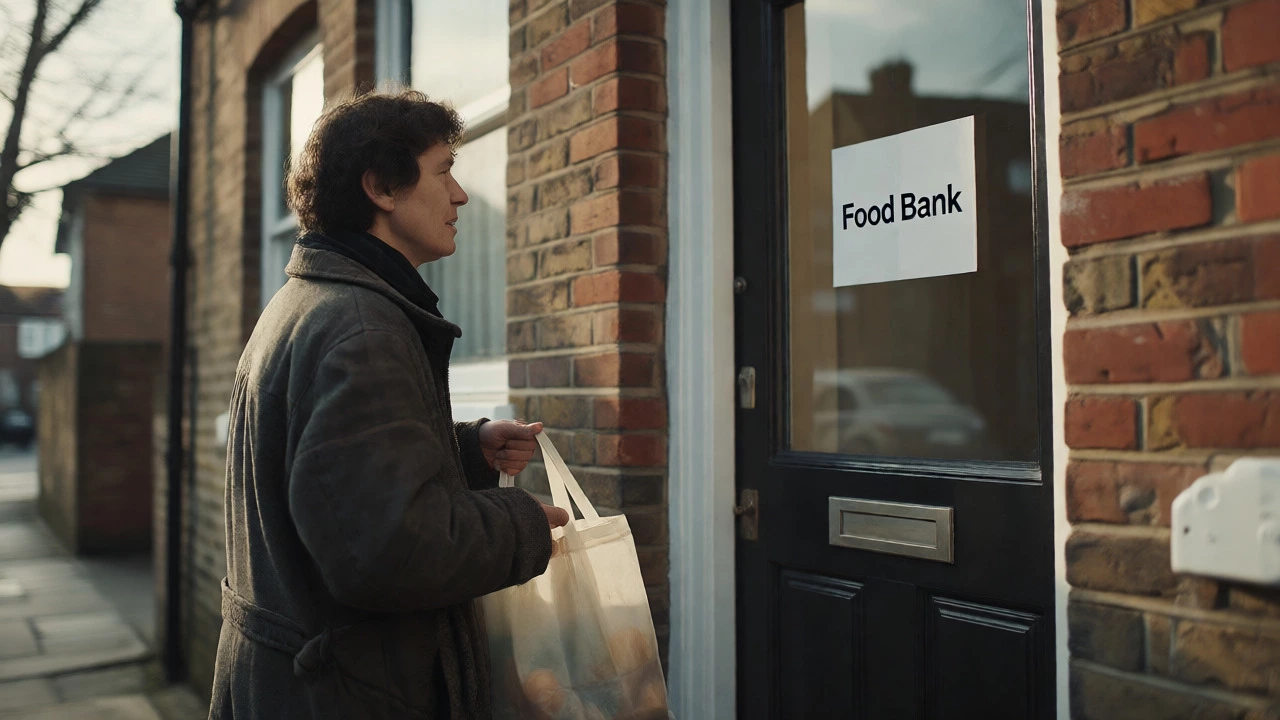
You’re standing outside a community center, clutching a bag of groceries that’s half-empty because your hours got cut. You see the sign: Food Bank. Your stomach growls, but so does your pride. The question spinning in your head isn’t just about hunger-it’s about permission. Can you actually walk in there? Do you need a referral letter from a doctor? Is it only for people who have been struggling for years?
The short answer is yes, most local food banks are open to anyone facing food insecurity, regardless of their background or how long they’ve been tight on cash. But "anyone" doesn't mean "no questions asked." There are systems in place to keep supplies flowing to those who truly need them. Understanding these rules removes the anxiety from the doorstep. Whether you are a student with empty cupboards, a parent hit by unexpected bills, or someone between jobs, knowing how the process works saves you time and dignity.
Understanding the Core Mission of Community Food Banks
A food bank is a non-profit organization that collects and distributes free food to people experiencing hunger. Unlike a grocery store, its inventory comes from donations, government grants, and partnerships with supermarkets. The primary goal isn't profit; it's preventing hunger in the local community.
Most modern food banks operate as part of larger networks, such as the Trussell Trust in the UK or Feeding America in the US. These networks standardize how help is distributed. They ensure that when you walk into a local distribution center, you aren't just getting random cans of beans. You’re getting a balanced parcel designed to feed a household for three days.
It’s crucial to distinguish a food bank from a soup kitchen. A soup kitchen serves hot meals on-site, often requiring you to eat there. A food bank provides groceries you take home. This distinction matters if you’re cooking for a family or managing dietary needs at your own pace. If you can cook, a food bank is usually the more flexible option.
Who Qualifies? Breaking Down Eligibility Myths
Let’s tackle the biggest myth first: you don’t need to be homeless to use a food bank. In fact, the majority of users are working families. According to recent data from major food aid charities, over 50% of food bank users are employed. Many are single parents, students, or gig workers whose income doesn’t stretch to cover rising energy and food costs.
Eligibility generally hinges on one factor: need. If you cannot afford enough nutritious food for yourself or your dependents, you qualify. However, most established food banks require a referral. This isn't a judgment call; it’s a logistical tool to prevent fraud and ensure resources go where they are most needed.
| Region/Network | Referral Required? | Accepted Referrers | ID Proof Needed? |
|---|---|---|---|
| Trussell Trust (UK) | Yes | Citizens Advice, Doctors, Social Workers | No |
| Feeding America (US) | Varies | Social Services, Schools, Charities | Often Yes |
| Independent Pantries | No | N/A (Open Access) | No |
If you’re in the UK and using a Trussell Trust network, you typically need a voucher. You get this voucher from a professional who has assessed your situation. This could be a GP, a school counselor, or a housing officer. It takes minutes to get one. Don’t let the paperwork scare you off. The referrer isn’t checking your bank balance; they’re confirming you’re currently unable to buy food.
The Referral Process: How to Get Your Voucher
Getting a referral sounds bureaucratic, but it’s often faster than you think. Here is the typical path:
- Contact a Professional: Call your GP surgery, visit Citizens Advice, or speak to a social worker. If you’re a student, your university welfare office is a prime contact.
- Explain Your Situation: Be honest. Say, “I’m struggling to buy food this week.” You don’t need to provide a detailed financial audit.
- Receive the Voucher: The professional fills out a simple form. It lists your household size and the number of days of food needed.
- Take it to the Food Bank: Bring the physical voucher or reference number to the distribution center during opening hours.
What if you can’t get a referral? Maybe your GP is booked out, or you live in a rural area with few services. Look for independent community pantries. These smaller, hyper-local groups often operate on an "open door" policy. They might ask for a small donation (like £1 or $1) to maintain the cycle of giving, but they rarely demand paperwork. Check local Facebook community groups or Nextdoor apps to find these informal hubs.

What Happens When You Arrive?
Walking into a food bank can feel intimidating, but the atmosphere is usually welcoming. Volunteers are trained to treat visitors with respect. Here’s what to expect step-by-step:
- Check-In: You hand over your voucher or ID. They verify your household size. If you have kids, mention them. The parcel size adjusts accordingly.
- Wait Time: Depending on demand, you might wait 10-30 minutes. Some centers offer tea and coffee while you wait. Use this time to chat with volunteers-they often know about other local support services like heating grants or job clubs.
- Receiving the Parcel: You receive a box of non-perishable items. Standard contents include pasta, rice, tinned vegetables, fruit, soup, and tea/coffee. Fresh produce availability varies by season and donation levels.
- Dietary Needs: Most food banks try to accommodate allergies. If you are gluten-free, vegan, or diabetic, tell the volunteer. While options are limited compared to a supermarket, they will swap items where possible.
One common worry is stigma. People fear being seen by neighbors. Remember, food banks serve thousands of people weekly. You are one of many. Also, many locations are discreetly placed in church halls or community centers, not high-street storefronts. Privacy is a priority for reputable organizations.
Frequency Limits and Sustainability
Can you go every week? Usually, no. Most food banks limit visits to once every six weeks per household. Why? Because supply is finite. If everyone came weekly, the shelves would empty before reaching new families in crisis.
This limit encourages users to seek longer-term solutions. While you’re there, ask about "wrap-around support." Many food banks partner with debt advice agencies or budgeting coaches. Using the food bank as a bridge-while you sort out finances-is the intended model. If you find yourself returning repeatedly, it’s a signal to look for structural help, such as benefits appeals or employment support.
However, emergencies happen. If you face a sudden crisis (fire, flood, loss of job), some centers allow exceptions. Always communicate with the staff. Honesty builds trust. If you explain why you need another parcel sooner, they’ll often make space.

Tips for First-Time Users
To make your first visit smooth, keep these practical tips in mind:
- Bring Bags: Parcels can be heavy. Bring sturdy reusable bags or a backpack.
- Know Your Household Size: Have exact numbers ready. If you have infants, specify age ranges (e.g., "6 months") so they can include formula or baby food if available.
- Ask About Fresh Items: Non-perishables are guaranteed, but fresh bread, milk, or eggs are bonus items. Ask politely if any were donated that day.
- Don’t Feel Guilty: You are utilizing a community resource. Taxes, donations, and charity funds built this system. It’s there for you.
- Leave Feedback: If you received great service, say thank you. If something was missing, tell them constructively. Volunteers rely on feedback to improve stock rotation.
Alternatives If You Can’t Access a Food Bank
If the referral process feels too slow or the nearest food bank is too far, consider these alternatives:
- Community Fridges: These are public refrigerators stocked with surplus food from local businesses. They are free, open 24/7, and require no registration.
- Supermarket Surplus Apps: Apps like Too Good To Go or Olio connect users with discounted or free food nearing expiry. While not always free, costs are minimal.
- Local Charities: Religious groups (Sikh gurdwaras, mosques, churches) often provide free meals without questions. Look for "Langar" services in Sikh communities, which offer vegetarian meals to all.
Food insecurity is a temporary state for most people, not a permanent identity. Using a food bank is a smart, proactive step to stabilize your situation. Don’t let hesitation cost you a meal. Gather your voucher, grab your bags, and walk in. You belong there.
Do I need proof of income to use a food bank?
Generally, no. You do not need to show payslips or bank statements. Instead, you need a referral voucher from a professional (like a doctor or social worker) who confirms you are currently struggling to afford food. Independent pantries may not require any proof at all.
How much food do I get from a food bank?
A standard parcel is designed to feed one person for three days. For a family of four, you would receive a parcel sized for twelve person-days of food. This usually includes non-perishable staples like pasta, rice, tinned goods, and drinks. Fresh produce availability depends on current donations.
Can I use a food bank if I am employed?
Yes. Being employed does not disqualify you. Many food bank users work full-time but struggle with low wages, high rent, or unexpected bills. If your income doesn't cover basic needs after expenses, you are eligible for assistance.
Is there a cost to use a food bank?
The food itself is free. However, some independent community pantries ask for a small voluntary donation (e.g., £1/$1) to help cover overheads. Major networks like the Trussell Trust do not charge users for parcels.
How often can I visit a food bank?
Most food banks limit visits to once every six weeks per household. This ensures fair distribution among all community members. Exceptions may be made for severe emergencies, but you should discuss this with the staff beforehand.
What if I have specific dietary restrictions?
Tell the volunteers when you check in. While choices are limited, most food banks try to accommodate common allergies (gluten, nuts) and diets (vegetarian, halal). They may swap certain tinned items for suitable alternatives if stock allows.