2024 Climate Impact & Resilience Estimator
Scenario Inputs
Select Personal Actions:
Impact Analysis
Event Intensity Forecast
Your Resilience Score
Basic awareness. Take more action to build local resilience.
Did you know that 2024 wasn't just another year on the calendar? It was a wake-up call. For many of us watching from our living rooms, it felt like the news cycle had broken. Heatwaves didn't just hit; they lingered. Floods didn't just rain; they drowned cities. And if you looked closely at the data, 2024 confirmed what scientists have been warning about for decades: we are no longer talking about future risks. We are living through them.
If you've been following environmental groups and their reports throughout the last few years, you might have noticed a shift in tone. It’s less about 'raising awareness' and more about 'emergency response.' In 2024, the planet crossed several critical thresholds. This article breaks down exactly what happened to Earth during that pivotal year, why it matters to you right now, and how these events are reshaping our world.
The Heat Record That Shocked Scientists
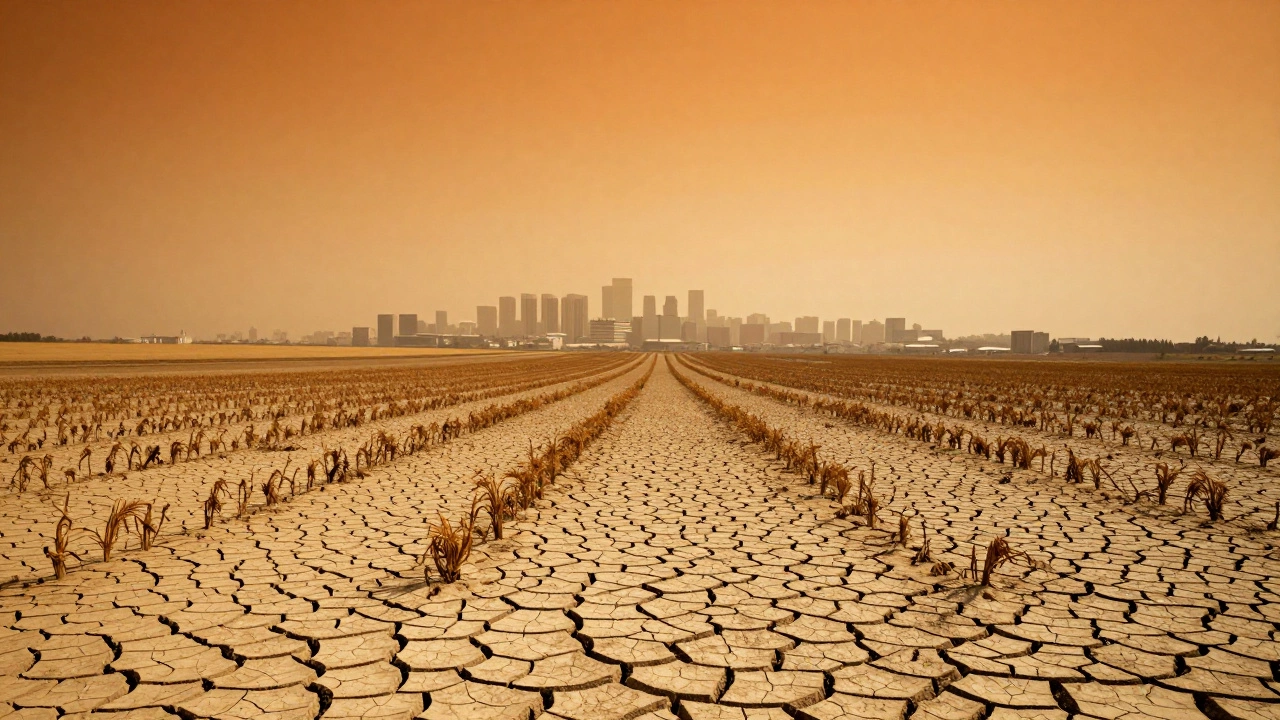
Let's start with the most obvious change: temperature. By mid-2024, global average temperatures consistently exceeded the pre-industrial baseline by 1.5°C for the first time in recorded history. Before this, 1.5°C was a theoretical limit set in the Paris Agreement-a line in the sand we promised not to cross. Crossing it in 2024 wasn't just a statistic; it was a physical reality felt by billions.
This heat wasn't evenly distributed. Europe saw its hottest June ever recorded, with parts of France and Spain seeing temperatures rivaling those in the Sahara Desert. Meanwhile, the Arctic ice melt accelerated at rates that defied previous models. Sea ice extent dropped to historic lows, which has a domino effect on global weather patterns. When the Arctic warms, it disrupts the jet stream, leading to the kind of stagnant high-pressure systems that cause prolonged heatwaves in populated areas.
For environmental organizations, this moment was crucial. Groups like Greenpeace and Friends of the Earth used this data to push for immediate policy changes. They argued that voluntary corporate commitments were no longer enough. The science demanded legal enforcement. This shift in advocacy strategy marked a turning point in how environmental groups operated in 2024-moving from persuasion to pressure.
Extreme Weather: From Anomaly to Norm
If heat was the headline, extreme weather was the subtext. 2024 saw a significant increase in the frequency and intensity of natural disasters. But here is the key insight: these weren't random acts of nature. They were climate-amplified events.
Consider the flooding in East Africa. While rainfall varies naturally, the capacity of the soil to absorb water was diminished by years of drought. When the rains finally came in 2024, they caused catastrophic flash floods. Similarly, wildfires in Canada and Australia burned hotter and faster than before. Firefighters reported flames jumping across rivers and creating their own weather systems, known as pyrocumulonimbus clouds, which spread ash hundreds of miles away.
| Event Type | Region Affected | Impact Level | Climate Link |
|---|---|---|---|
| Prolonged Heatwave | Europe & North America | Critical (Health Emergencies) | Jet Stream Disruption |
| Flash Flooding | East Africa & South Asia | High (Displacement) | Soil Saturation & Intensity |
| Mega Wildfires | Canada & Mediterranean | Severe (Carbon Release) | Drought & High Temps |
| Ocean Acidification Spike | Global Coral Reefs | Moderate to High | CO2 Absorption |
These events forced governments and insurance companies to rethink risk. In some regions, property insurance became unaffordable or unavailable. This economic pressure began to trickle down to everyday people, making climate change a personal financial issue rather than just an abstract environmental one.
The Ocean Crisis: Silent but Deadly
While land-based disasters grab headlines, the oceans suffered silently in 2024. The sea surface temperature broke records month after month. Warm water holds less oxygen and absorbs more carbon dioxide, leading to increased acidification. This combination is devastating for marine life.
Coral bleaching events became widespread. The Great Barrier Reef experienced its fourth mass bleaching event in seven years. While corals can recover from single events, the frequency in 2024 left little time for regeneration. This isn't just about pretty fish; coral reefs support 25% of all marine species. Their collapse threatens food security for millions of people who rely on fishing.
Environmental groups focused heavily on ocean conservation in 2024. Organizations like The Ocean Conservancy launched campaigns against overfishing and plastic pollution. They highlighted how microplastics were entering the human bloodstream through seafood consumption. This connection made the issue relatable to consumers who previously felt disconnected from ocean health.

Biodiversity Loss: The Sixth Extinction Accelerates
Alongside climate change, 2024 saw alarming declines in biodiversity. The term 'sixth mass extinction' is often used dramatically, but the data supports it. Species are disappearing faster than they can adapt. Deforestation in the Amazon continued despite international pledges, driven by agricultural expansion.
Insects, the backbone of ecosystems, faced steep population drops. Pollinator decline affects crop yields, directly impacting food prices. Environmentalists pointed out that saving bees isn't just about honey; it's about ensuring we have apples, almonds, and coffee. This practical angle helped mobilize public support for habitat restoration projects.
Urban areas also played a role. Cities like London and New York implemented green infrastructure initiatives to create wildlife corridors. These efforts showed that local action could make a difference, even if global policies lagged behind. Community-led rewilding projects gained momentum, proving that engagement doesn't always require top-down mandates.
How Environmental Groups Responded in 2024
Faced with escalating crises, environmental groups adapted their strategies. Traditional methods like letter-writing campaigns gave way to direct action and legal challenges. Litigation became a powerful tool. Young activists sued governments for failing to protect their future rights, citing constitutional protections for a healthy environment.
Collaboration increased too. Competing NGOs realized that siloed efforts wasted resources. Joint coalitions formed to lobby for stronger climate laws. They shared data, coordinated protests, and amplified each other's messages. This unity made it harder for policymakers to ignore their demands.
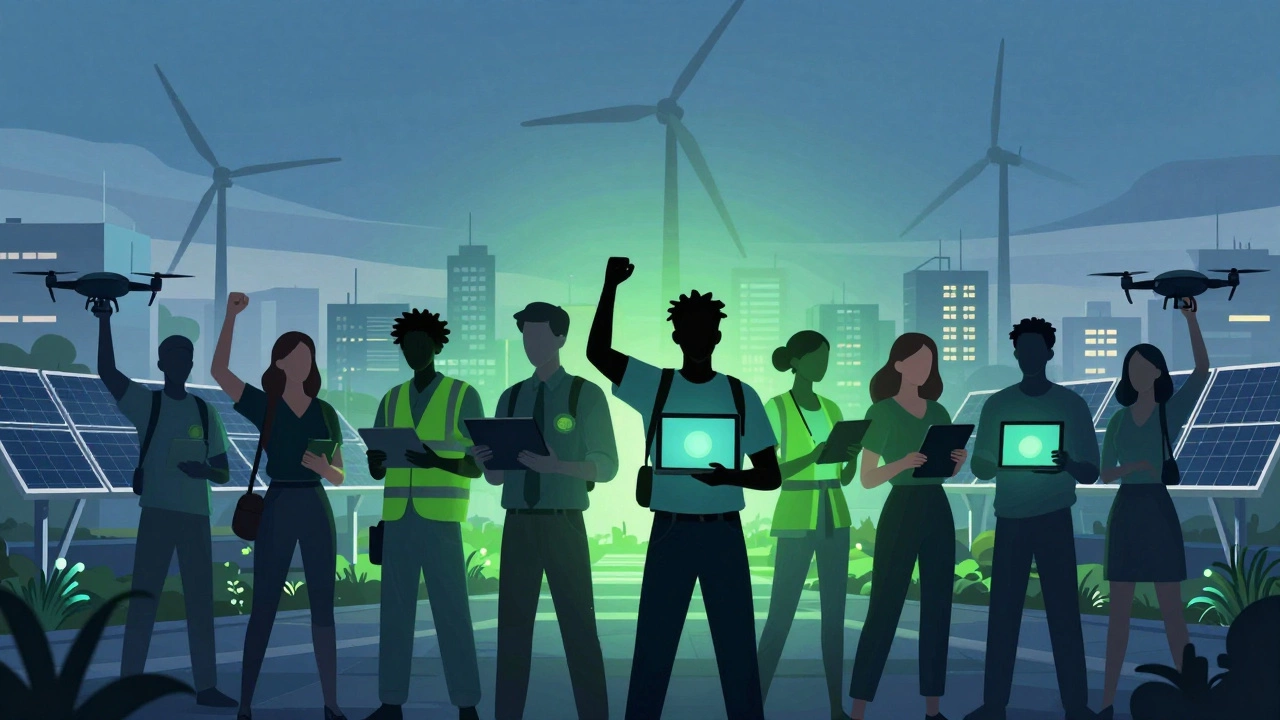
Technology also played a part. Drones monitored illegal logging in real-time. Satellite imagery tracked methane leaks from oil rigs. Social media allowed grassroots movements to organize rapidly. In 2024, digital activism complemented street protests, creating a multi-layered approach to advocacy.
What This Means for You Today
So, why does 2024 matter if we're now in 2026? Because the trends established then continue today. The heat records, the weather extremes, the biodiversity losses-they are not isolated incidents. They are symptoms of a system under stress. Understanding 2024 helps us prepare for what comes next.
For individuals, this means taking responsibility. Reduce your carbon footprint by choosing sustainable transport and energy sources. Support businesses that prioritize environmental stewardship. Vote for leaders who acknowledge climate science and act accordingly. Small actions add up when multiplied by millions.
For communities, it means building resilience. Invest in green spaces, improve drainage systems, and educate neighbors about emergency preparedness. Local solutions are essential because global agreements take time to implement. Resilience ensures that when the next storm hits, your community survives and thrives.
Looking Ahead: Hope Amidst Challenge
It’s easy to feel overwhelmed by the scale of the problem. But there is reason for hope. Renewable energy costs have plummeted, making solar and wind power cheaper than fossil fuels in many places. Electric vehicle adoption is accelerating. Young people are more engaged in civic issues than any generation before them.
Environmental groups remain vigilant, pushing for systemic change. They remind us that while the situation is urgent, it is not hopeless. Every fraction of a degree of warming prevented saves lives and ecosystems. Every ton of carbon avoided buys time for adaptation.
2024 was a mirror reflecting our choices. The reflection was harsh, but mirrors don’t lie. Now, we must decide what to do with that truth. Will we wait for disaster to strike again? Or will we act now to shape a better future? The answer lies in our hands.
Why was 2024 considered a record-breaking year for climate?
2024 saw global temperatures exceed the 1.5°C threshold above pre-industrial levels for sustained periods. This led to unprecedented heatwaves, accelerated ice melt, and more intense extreme weather events worldwide.
How did environmental groups change their tactics in 2024?
Many groups shifted from awareness-raising to direct action and litigation. They formed larger coalitions, used technology for monitoring violations, and focused on holding governments legally accountable for climate inaction.
What impact did rising ocean temperatures have in 2024?
Rising ocean temperatures caused widespread coral bleaching, reduced oxygen levels, and increased acidification. This threatened marine biodiversity and fisheries, affecting food security for coastal communities.
Can individual actions really make a difference against such large-scale problems?
Yes. While systemic change is needed, individual actions drive market demand for sustainable products and influence political will. Collective small steps reduce overall emissions and build cultural norms around sustainability.
What are the biggest threats to biodiversity mentioned in the article?
Deforestation, habitat destruction, pollution, and climate change itself are major drivers. Specifically, insect population declines due to pesticide use and warming temperatures pose a risk to pollination and food chains.