
Outreach Consistency Tracker
Click days to mark your presence. Don't track numbers - track meaningful connections.
Getting better at outreach isn’t about handing out more flyers or hosting one-off events. It’s about building trust, listening deeply, and showing up consistently - even when no one’s watching. Too many organizations treat outreach like a task to check off: "We did a booth at the fair, now we’re done." But real outreach doesn’t work that way. It’s messy. It takes time. And it’s not about how many people you reach - it’s about how many you truly connect with.
Start by listening, not talking
Before you plan your next event, ask yourself: Do you actually know what people in your community need? Too often, outreach efforts are built on assumptions. You think families need after-school programs, so you launch one. But maybe what they really need is reliable childcare during shift work, or transportation to job interviews. Without listening, you’re solving the wrong problems.Go out. Sit at the local café. Talk to the shop owner. Ask the person who runs the bus stop what’s missing. Don’t bring a clipboard. Don’t ask for data. Just ask: "What’s something you wish changed around here?" Write down the answers. Repeat this for three weeks. You’ll start seeing patterns. That’s your starting point.
Use people, not platforms
Social media is useful, but it’s not outreach. Posting on Facebook won’t get you the trust you need. Real outreach happens in person, through relationships. Find the natural connectors in your community - the PTA mom who knows every parent, the librarian who hears everyone’s worries, the retired teacher who still walks the neighborhood every morning. These people aren’t influencers. They’re the glue.Ask them: "Can I buy you coffee and hear what’s really going on?" Offer no agenda. Just listen. When they trust you, they’ll introduce you to others. You’ll get access to networks no flyer or ad could reach. One church volunteer in Leith told me she’d been asked to pass along flyers for five years. But when someone showed up every Tuesday to help sort donations and asked how she was doing, she started inviting them to family dinners. That’s how real outreach grows.
Be visible - and predictable
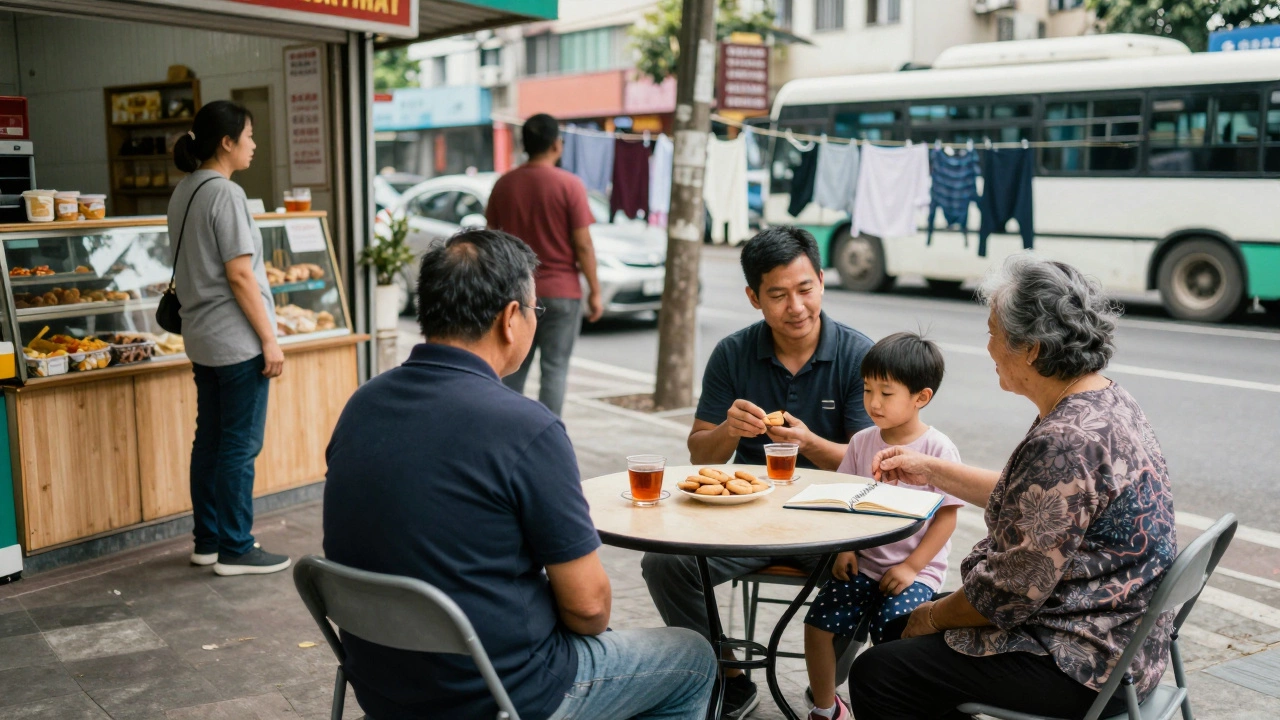
Outreach isn’t a campaign. It’s a rhythm. People don’t trust sudden appearances. If you show up once a year at the harvest festival and vanish until next spring, you’re just another temporary visitor.Instead, find one small thing you can do regularly. Every Thursday morning, set up a table with free tea and cookies outside the community center. Bring a notebook. Don’t sell anything. Just be there. Over time, people will start stopping. They’ll say, "Hey, you’re the one who’s always here." That’s when the real conversations begin.
In Edinburgh, a group working with homeless youth started showing up at the same bus stop every weekday at 7:15 a.m. with warm blankets and hot drinks. No speeches. No surveys. Just presence. Within six months, they had a steady flow of young people coming to them with problems - housing, school, mental health. Why? Because they were predictable. Consistency builds safety.

Don’t try to fix everything
It’s tempting to think outreach means solving every problem: poverty, addiction, lack of transport, loneliness. But trying to do it all makes you ineffective. You burn out. People get confused. And you dilute your impact.Instead, pick one thing you can do really well. Maybe it’s helping seniors get online for medical appointments. Maybe it’s organizing weekly walks for isolated parents. Maybe it’s teaching teens how to write a CV. Focus on that. Master it. Become known for it. Then, when people trust you, they’ll bring you other issues - and you’ll know who to connect them with.
A community center in Leith stopped trying to be everything to everyone. They focused on one thing: helping new immigrants learn basic English through cooking classes. Every Wednesday, people came together to make curry, pasta, or dumplings - and learned phrases like "Where’s the nearest pharmacy?" or "Can I pay by card?" Within a year, they had a waiting list. And suddenly, people were bringing them other needs: legal advice, job leads, school enrollment help. The center didn’t solve those problems themselves. They just knew who to call.
Measure connection, not numbers
Stop counting how many people you served this month. That metric is meaningless. Instead, ask: How many people now feel comfortable reaching out to you? How many have asked for help without being prompted? How many have invited you into their space - their home, their church, their workplace?One simple way to track this: keep a log of spontaneous interactions. Did someone text you a question? Did a local business offer you space for free? Did a teenager show up with a friend and say, "This is my cousin, she needs help too"? These are your real wins. Write them down. Review them monthly. You’ll see patterns - and you’ll know when you’re making progress.
Collaborate, don’t compete
You’re not in a race. Other groups aren’t your rivals. They’re your allies. If you’re working on youth mental health and another group runs a food pantry, you’re serving the same families. Work together. Share resources. Cross-promote. You’ll reach farther, faster.Find out who else is doing outreach in your area. Go to their events. Bring a snack. Say: "I’m new here. What’s your biggest challenge?" You’ll be surprised how many want to help. One food bank in Leith started partnering with a local yoga studio. The studio offered free stress-relief sessions. The food bank brought in fresh produce. Together, they doubled their reach - and built a community nobody could have created alone.
Accept that some days, nothing happens
Outreach isn’t glamorous. Most of the time, you’ll show up, talk to three people, and leave with no big wins. That’s normal. It’s not failure. It’s the work.There’s no shortcut. No viral video. No magic formula. Just showing up, again and again, with humility and patience. The people who change communities aren’t the loudest. They’re the ones who stayed.
What happens when you do this right?
You’ll start to see changes you didn’t plan for. A local shop owner starts leaving extra chairs outside for people who need to rest. A teenager who came for help with homework starts helping others. A retired nurse begins offering free blood pressure checks at your weekly gathering. These aren’t outcomes. They’re signs that trust is growing.Real outreach doesn’t end with a report. It ends with a community that feels seen - and knows you’ll be there next week.
What’s the biggest mistake people make in community outreach?
The biggest mistake is assuming they know what the community needs without asking. Outreach fails when it’s based on assumptions, not conversations. People don’t need you to solve their problems - they need you to listen to them first. Start by asking open-ended questions in real settings, not surveys or online forms.
How long does it take to see results from outreach efforts?
Real results take time - usually 6 to 12 months. You won’t see big numbers, but you’ll notice small signs: people starting to greet you by name, showing up without being asked, or bringing others along. These are the early signals that trust is building. Don’t measure success by events attended or flyers handed out. Measure it by how often people reach out to you unprompted.
Do I need funding to do effective outreach?
No. Effective outreach doesn’t require money - it requires presence. You don’t need a budget to sit at the bus stop with coffee. You don’t need grants to show up every Thursday with a notebook. Many of the most successful outreach efforts started with nothing more than a person, a willingness to listen, and a consistent schedule. Money helps scale, but it doesn’t create trust.
How do I find the right people to partner with?
Look for the quiet connectors - the ones who are always around, who know everyone, and who aren’t seeking attention. Talk to librarians, bus drivers, barbers, teachers, and local shop owners. Ask them: "Who do you see struggling here?" They’ll point you to the real needs. Then, reach out to groups that serve those needs, even if they’re small. Collaboration beats competition every time.
What if people are hesitant to talk to me?
It’s normal. Many people have been burned by organizations that showed up, took information, and disappeared. Start by offering something small and free - a cup of tea, a snack, a quiet place to sit. Don’t ask for anything in return. Be patient. Let them set the pace. The first time someone opens up, it’s because they felt safe - not because you asked the right question.