
Picture this: You walk past the same empty lot or neglected park bench every day. It’s not just an eyesore; it feels like a missed opportunity. Now imagine that same space filled with neighbors chatting, kids playing, and local artists displaying their work. That transformation doesn’t happen by magic. It happens because someone decided to start a community outreach program. But here is the tricky part. There is no single "best" program out there. The best one is the one that actually fits your specific neighborhood, budget, and goals.
If you are looking to spark change in your area, you might feel overwhelmed by the options. Should you organize a food drive? Start a mentorship scheme? Launch a clean-up crew? Choosing the wrong approach can lead to burnout, wasted funds, and frustrated volunteers. Choosing the right one builds trust, creates lasting impact, and brings people together. This guide will help you cut through the noise and find the initiative that works for your unique context.
Defining What Actually Works in Your Area
Before you print flyers or hire staff, you need to understand who you are trying to reach. A program designed for a bustling urban center with high foot traffic will fail in a quiet rural village with scattered households. The first step in selecting the best outreach strategy is conducting a simple needs assessment. This isn’t about guessing what people want. It is about asking them directly.
Start by identifying the core demographics of your community. Are you dealing with a transient population of young professionals? Or perhaps a long-standing group of seniors facing isolation? Maybe you have a mix of new immigrant families who need language support and established residents who want better safety measures. Each group has different barriers to participation. For example, young parents might not be able to attend evening meetings, while students might prefer weekend digital activism over traditional door-knocking.
To get real data, use low-barrier methods. Don’t just send out a formal survey that nobody reads. Try these approaches:
- Coffee chats: Host informal meetups at local cafes where people can drop in and share concerns without committing to a long meeting.
- Social media polls: Use Instagram Stories or Facebook groups to ask quick questions like, "What’s the biggest issue on our street right now?"
- Observation: Walk around during different times of the day. Where do people gather? Where do they avoid going? These physical cues tell you a lot about community comfort levels.
Once you have this baseline, you can match problems to solutions. If isolation is the main issue, a social club is better than a recycling drive. If crime is the concern, a neighborhood watch paired with youth employment programs addresses both the symptom and the root cause.
Top Outreach Models and When to Use Them
There are several proven models for community outreach. The "best" one depends entirely on the problem you identified above. Let’s break down the most effective types and when they shine.
| Program Type | Best For | Key Resource Needed | Potential Pitfall |
|---|---|---|---|
| Skill-Sharing Workshops | Building confidence and practical abilities (e.g., coding, cooking, gardening) | Venue and expert volunteers | Low attendance if topics aren't relevant |
| Mutual Aid Networks | Crisis response and immediate material needs (food, supplies) | Reliable communication channels (WhatsApp/Signal) | Burnout among core organizers |
| Intergenerational Mentorship | Reducing loneliness and transferring knowledge | Background checks and matching time | Mismatched personalities leading to dropout |
| Environmental Stewardship | Improving public spaces and fostering civic pride | Tools, gloves, and waste disposal access | Lack of long-term maintenance plans |
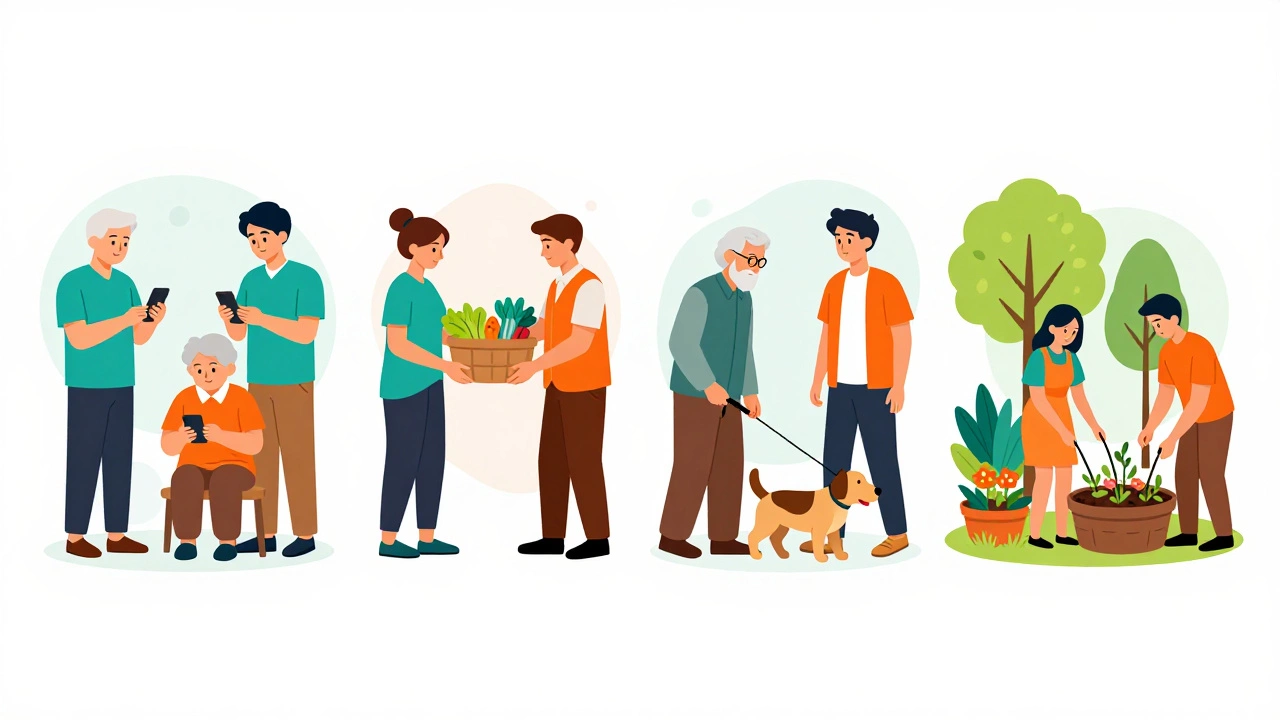
Skill-Sharing Workshops are fantastic for communities that feel stuck or lack resources. Think of a free resume-writing clinic in a high-unemployment area or a smartphone literacy class for seniors. These programs empower individuals by giving them tangible tools. They work best when the skill addresses a clear pain point.
Mutual Aid Networks gained massive popularity during recent global crises. They operate on the principle that "from each according to their ability, to each according to their need." Instead of a top-down charity model, neighbors check on other neighbors. This is ideal for tight-knit areas where trust already exists but resources are strained. However, they require robust digital infrastructure to coordinate deliveries and requests efficiently.
Intergenerational Mentorship bridges the gap between age groups. In many places, seniors live alone while teenagers lack positive adult role models outside of school. Pairing them up for weekly activities-like walking dogs or reading together-reduces social isolation for both parties. The key here is careful matching. You don’t just pair anyone with anyone; you look for shared interests to ensure the relationship sticks.
Environmental Stewardship projects, such as community gardens or river clean-ups, offer visible results. Nothing builds pride like seeing a dirty alley transformed into a flower bed. These programs are excellent for engaging people who might not care about abstract policy debates but love beautiful spaces. Just remember: cleaning up once is easy. Keeping it clean requires ongoing commitment.
Building Trust Before You Build Programs
You can have the perfect idea, but if your community doesn’t trust you, they won’t show up. Trust is the currency of outreach. It takes years to build and seconds to lose. Many well-meaning outsiders make the mistake of parachuting in with solutions before understanding the history of the place.
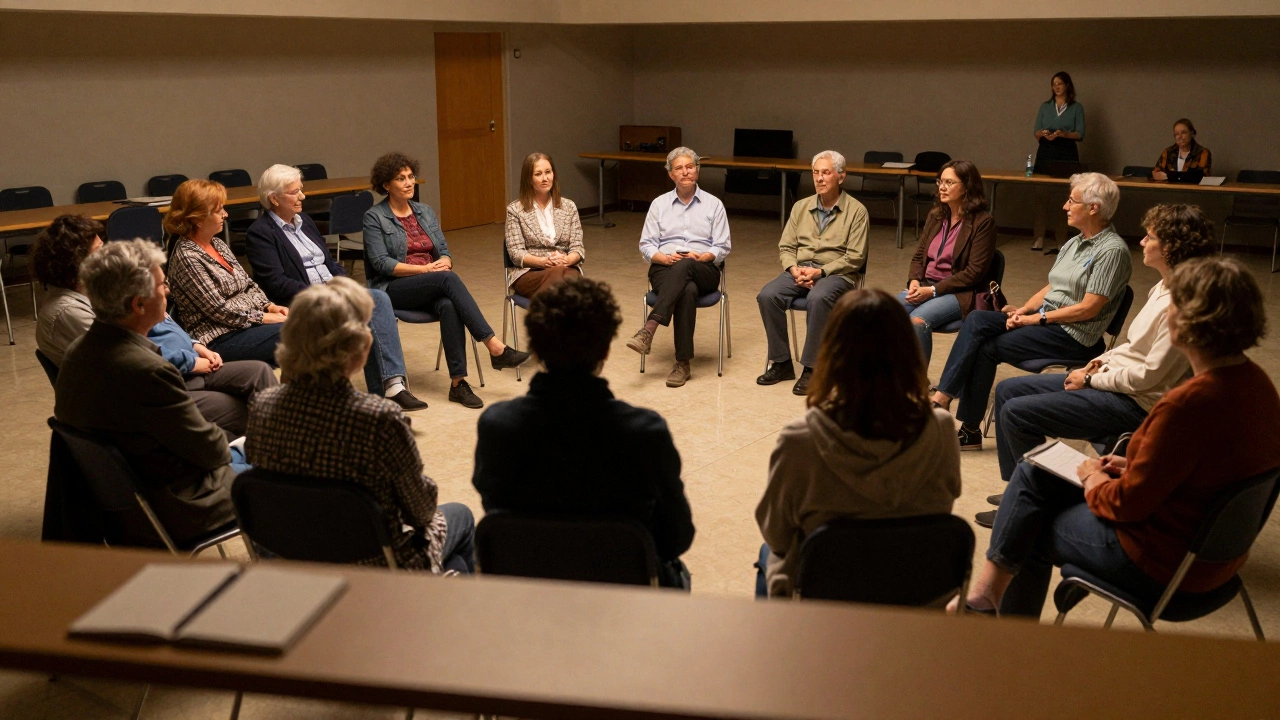
Ask yourself: Who are the existing leaders? Every neighborhood has informal influencers-the person who knows everyone’s business at the grocery store, the coach of the local youth team, the elder who sits on the porch. Engage them early. Don’t try to bypass them. Ask for their advice. Show them respect. If they endorse your program, others will follow. If they feel ignored, they may actively sabotage your efforts.
Transparency is also non-negotiable. Be clear about where your money comes from, who is running the show, and what the goals are. If you are partnering with a corporation or a government body, disclose that upfront. Communities are often skeptical of hidden agendas. Address those fears head-on. Say, "We know some of you are worried about gentrification. Here is how we are ensuring this project benefits current residents, not just future ones."
Measuring Success Beyond Numbers
When evaluating which program is "best," resist the urge to rely solely on quantitative metrics. Yes, counting heads is useful. Knowing that 50 people attended your event is good data. But numbers can be misleading. Did those 50 people leave feeling empowered? Did they make new connections? Will they come back next month?
Qualitative feedback is just as important. Use exit surveys that ask open-ended questions. "What did you enjoy most?" "What would you change?" "Did you meet someone new today?" Look for stories. A single anecdote about a senior who made a friend through your mentorship program is worth more than a spreadsheet showing 100 hours of volunteer time.
Also, track retention. High turnout with low return rates suggests your marketing is strong but your value proposition is weak. People came for the free pizza, not the community building. Aim for recurring participants. They are the backbone of any sustainable outreach effort.
Pitfalls to Avoid When Starting Out
Even experienced organizers stumble. Here are common traps that kill promising outreach programs:
- Over-promising: Don’t say you’ll fix the potholes if you only have permission to paint murals. Set realistic expectations. Under-promise and over-deliver.
- Ignoring accessibility: Is your venue wheelchair accessible? Do you provide childcare? Are materials available in multiple languages? If you exclude even one group, you are limiting your impact and sending a message that they don’t matter.
- Burnout culture: Relying on two or three hyper-active volunteers is a recipe for disaster. Distribute tasks. Rotate leadership roles. Celebrate small wins to keep morale high.
- One-off events: A single clean-up day is nice, but it doesn’t build community. Consistency matters. Weekly coffee mornings create deeper bonds than an annual gala.
Taking the First Step Today
Finding the best outreach program isn’t about finding a pre-packaged solution. It’s about listening, adapting, and persisting. Start small. Pick one issue that resonates with your neighbors. Gather a few trusted allies. Launch a pilot project. Learn from what works and what doesn’t. Then scale up.
Your community is unique. Its challenges are specific. Its strengths are hidden in plain sight. By choosing an outreach strategy that honors that uniqueness, you aren’t just organizing an event. You are weaving a stronger social fabric. And that is something worth investing in.
How much does it cost to start a community outreach program?
Costs vary wildly depending on the type of program. A mutual aid network can start with zero financial investment if you use free digital tools and volunteer labor. Skill-sharing workshops might require renting a community hall ($50-$200 per session) and buying materials. Environmental projects need tools and waste disposal fees. Always start with a lean budget and seek local sponsorships or grants to cover essential costs.
How do I find volunteers for my outreach initiative?
Tap into existing networks. Post in local Facebook groups, Nextdoor, and community bulletin boards. Partner with schools, universities, and religious organizations that often have service-learning requirements. Offer clear, flexible time commitments. People are more likely to sign up for a "two-hour Saturday morning" shift than an open-ended "help whenever needed" request.
What if my neighbors are resistant to change?
Resistance is normal. Change can be scary. Listen to their concerns without judgment. Identify the skeptics and engage them individually. Often, resistance stems from a fear of losing control or being excluded. Involve them in the planning process. Give them ownership. When people help design the solution, they are less likely to fight against it.
Can I run a community outreach program online?
Yes, especially for information sharing and coordination. Online forums, WhatsApp groups, and Zoom workshops can connect people who cannot attend in person. However, digital-only outreach often lacks the deep emotional connection of face-to-face interaction. Use hybrid models: coordinate online, but meet offline for key events to build trust.
How do I sustain a program after the initial excitement fades?
Sustainability requires structure. Create a rotating leadership team so no single person bears the burden. Establish regular schedules so people know when to expect events. Document processes so new volunteers can step in easily. Continuously gather feedback to ensure the program remains relevant to the community's evolving needs.