Getting your community involved isn’t about handing out flyers or setting up a booth at the town fair. Real community outreach happens when people feel seen, heard, and valued. Too many organizations treat outreach like a checklist: community outreach becomes an event, not a relationship. But lasting change doesn’t come from one-day events-it comes from trust built over time.
Start by Listening, Not Talking
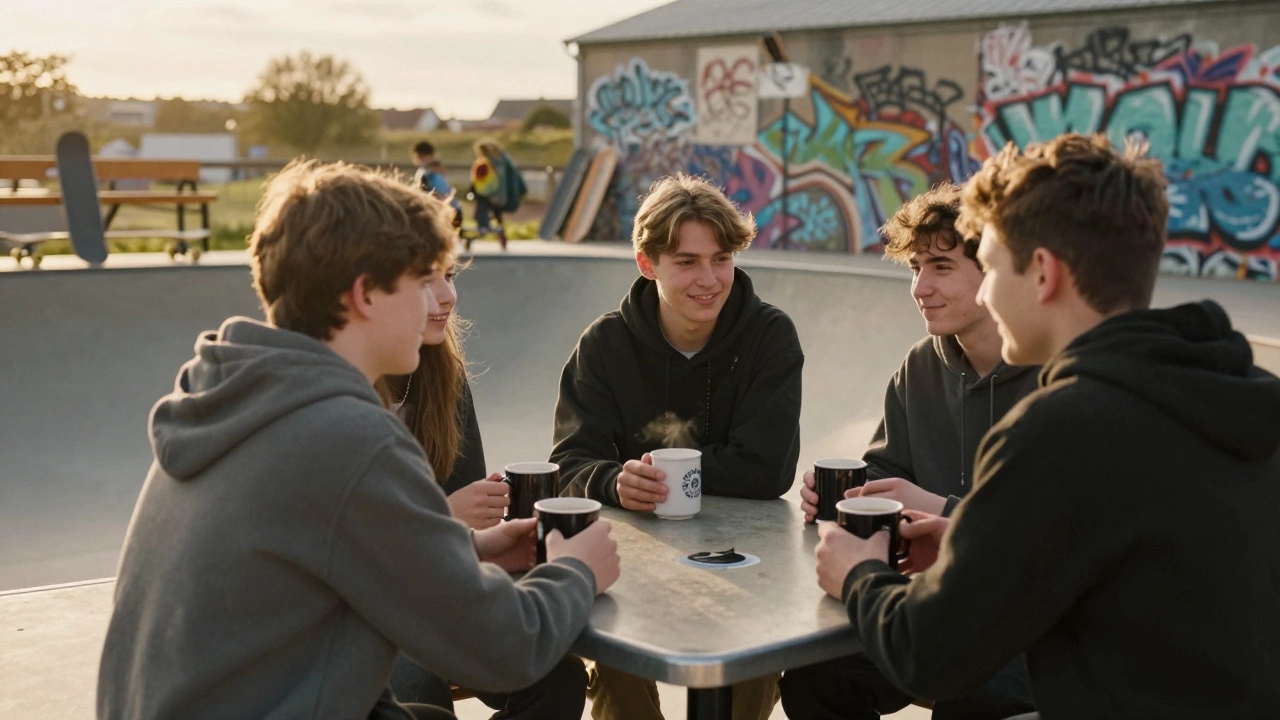
Before you plan a campaign, a fundraiser, or a workshop, sit down with people who live in the neighborhood. Not just the usual voices-the ones who show up to meetings. Go to the corner store, the bus stop, the park where teens gather after school. Ask simple questions: What’s one thing that’s been missing around here? What would make your life easier? In Edinburgh, a group trying to reduce youth loneliness didn’t launch a mentoring program right away. They spent three months talking to 78 young people-mostly at skate parks and libraries. What they heard wasn’t about lack of activities. It was about isolation. Many said they didn’t know who to talk to. So they started coffee and chats: no agenda, no sign-ups, just coffee and a quiet space. Attendance grew from 5 to 40 in six weeks. They didn’t fix the problem-they gave people a reason to show up.Know Who You’re Trying to Reach
Not everyone in a community needs the same thing. A housing charity in Glasgow found out the hard way. They distributed leaflets about tenant rights in multiple languages-but only to doorsteps. Meanwhile, the people most at risk-new immigrants, single parents, elderly renters-weren’t home during the day. The leaflets ended up in bins. They changed tactics. They partnered with local food banks and placed info packs inside grocery bags. They trained volunteers who already visited homes for meal deliveries to slip in a card with a QR code linking to a simple video in Urdu, Polish, and Arabic. Within months, calls to their helpline tripled. The lesson? Community outreach works when it meets people where they are-physically, emotionally, and culturally.Use the Right Channels
Forget Facebook ads if your audience is over 65. Don’t rely on text messages if people don’t have smartphones. In rural areas, radio still works. In cities, WhatsApp groups are more trusted than official websites. A neighborhood group in Leith wanted to reduce littering. They tried posters. Then social media. Neither stuck. Then they asked local shop owners: Who do people talk to here? The answer? The bus driver, the milkman, the barista. They trained 12 people who already interacted daily with residents to quietly mention the issue. Within weeks, bins filled up. People didn’t need a campaign-they needed a neighbor to say, Hey, this matters to us too.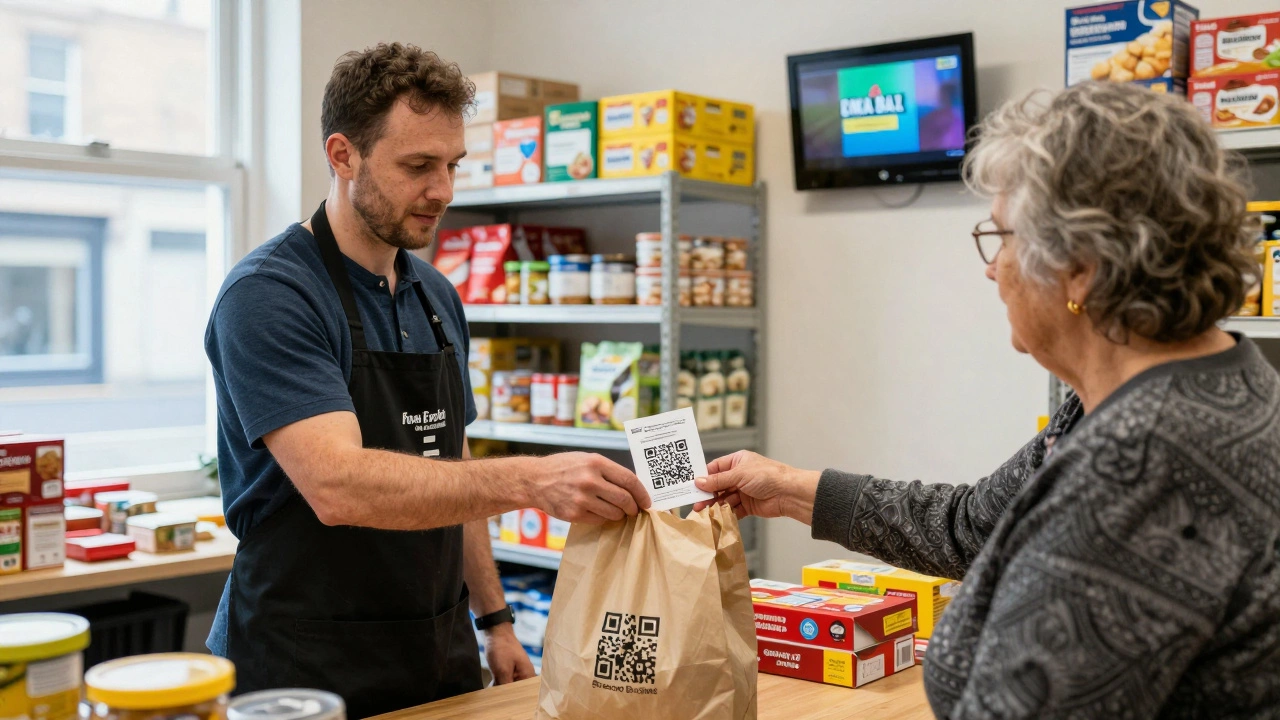
Build Local Partnerships
You don’t have to do this alone. Churches, schools, barbershops, repair shops-they’re all potential allies. The key is to offer value first. Don’t ask for space. Ask: What do you need? In a housing estate in West Lothian, a health outreach team partnered with a local hair salon. The salon owner said her clients came in stressed, lonely, and often skipped doctor visits. The team offered free blood pressure checks during haircuts. No forms. No appointments. Just a quiet moment while they washed your hair. Within six months, 87 people got screened who’d never seen a doctor in two years. The salon gained foot traffic. The health team gained trust. Everyone won.Make It Easy to Get Involved
People want to help. But they’re tired. Overwhelmed. Short on time. If your outreach requires filling out a form, waiting for a meeting, or committing to 10 hours a week-you’ll lose most of them. A food bank in Dundee noticed their volunteers were mostly retirees. They wanted younger people. So they created one-hour shifts: come in, pack 20 boxes, leave. No training. No commitment. Just show up. Within a month, they had 35 new volunteers under 30. One said, I didn’t know I could make a difference in an hour. Now I come every other week.Track What Matters
Don’t count how many flyers you handed out. Count how many people came back. Track who showed up twice. Who brought a friend. Who stayed after the event to ask questions. One youth group in Fife used a simple system: each participant got a colored sticker when they attended. Green for first time, yellow for second, red for third. They didn’t track names-just patterns. Within three months, they could see which activities kept people coming. They stopped wasting time on events that didn’t stick. They doubled down on the ones that did.
Don’t Fear Failure
Not every outreach effort will work. That’s normal. In 2024, a community garden project in Perth launched with big hopes. They planted 200 seedlings. No one showed up to tend them. The garden died. Instead of hiding it, they hosted a funeral for the garden. People brought flowers. Shared stories. Laughed. Then they asked: What went wrong? The answer? Too many rules. Too many meetings. Not enough play. The next season, they turned it into a free-for-all: anyone could plant, grow, harvest. No permits. No forms. Just dirt and joy. It’s thriving now.Keep Showing Up
Outreach isn’t a project with a start and end date. It’s a rhythm. It’s showing up on the same Tuesday night every month. It’s remembering someone’s kid’s name. It’s sending a text: Hope you’re okay. In a quiet corner of North Berwick, a retired teacher started visiting isolated seniors every Friday. No agenda. Just tea. Sometimes they talked. Sometimes they sat in silence. After two years, one woman said, You’re the only person who comes without asking for anything. That’s the power of consistent presence. Not grand gestures. Just being there.Final Thought: It’s Not About You
The best community outreach doesn’t have your logo on it. It doesn’t need a press release. It doesn’t need to be perfect. It just needs to be real. People don’t remember your mission statement. They remember how you made them feel. Did you listen? Did you show up? Did you care-even when it wasn’t convenient?What’s the most common mistake in community outreach?
The biggest mistake is assuming you know what the community needs. Too many programs are designed from the outside-based on assumptions, not conversations. The best outcomes come from asking, listening, and letting the community shape the solution.
How long does it take to see results from community outreach?
Real change takes time. You might see small wins-like someone showing up to a second event-in a few weeks. But trust, participation, and lasting impact usually take 6 to 12 months. Don’t give up if you don’t see big numbers right away. Consistency beats intensity every time.
Do I need funding to do community outreach?
No. Many of the most successful efforts cost little or nothing. Coffee and chats, sticker systems, one-hour shifts-all were done with no budget. What you need is time, honesty, and the willingness to show up. Money helps, but it’s not the key ingredient.
How do I get people to trust me?
Trust comes from consistency and humility. Show up regularly. Admit when you don’t know something. Apologize if you mess up. Let people lead. When you stop trying to impress and start trying to serve, trust follows.
What if my community is divided or distrustful?
Start small. Find one person who’s willing to talk. Then another. Focus on shared experiences-like caring for kids, needing groceries, or wanting safer streets. Common ground exists even in divided places. Don’t try to fix everything at once. Just build one honest connection at a time.