Micro-Fundraising Strategy Planner
Set Your Goal
Your Plan
You stare at the goal on your crowdfunding page or the whiteboard in your local community center: $100. It sounds trivial compared to the millions raised by global charities, yet getting that first hundred dollars from friends, neighbors, or strangers can feel surprisingly tricky. Why? Because people often hesitate to give when the amount is too small to make a dent, or they simply forget to act. But here is the secret: raising $100 isn't about grand gestures; it's about removing friction and making giving easy.
If you are organizing a charity event or just trying to hit a target for a school club, this guide breaks down exactly how to bridge the gap between "zero" and "one hundred." We will look at psychological triggers, practical tactics, and common pitfalls. No fluff, just actionable steps that work whether you are in Edinburgh, London, or anywhere else.
Why $100 Is Harder Than You Think
Most people assume that small amounts are easier to raise because the barrier to entry is low. In reality, small donations suffer from what behavioral economists call "psychic numbing." A donor might think, "What difference does $5 make?" If you ask ten people for $10 each, you need ten yeses. If you ask one person for $100, you need one big commitment. The former requires volume and persistence; the latter requires relationship depth.
To succeed, you must shift the narrative. Don't sell the dollar amount; sell the impact. For example, instead of saying "Help us raise $100," say "Help us buy five textbooks for the local library." Specificity creates emotional resonance. When donors visualize the outcome, the transaction feels meaningful rather than trivial.
The Power of Micro-Donations
The most reliable way to hit $100 quickly is to break it down into manageable chunks. You don't need whales (large donors); you need minnows. Here is a simple math breakdown that works:
- 10 people at $10: Easy to ask via text or email.
- 20 people at $5: Perfect for social media posts or bake sales.
- 50 people at $2: Ideal for door-to-door canvassing or school events.
This approach leverages the "foot-in-the-door" technique. Once someone agrees to a small contribution, they are psychologically primed to support future requests. It also spreads the risk. If three people say no, you haven't failed; you just need two more.
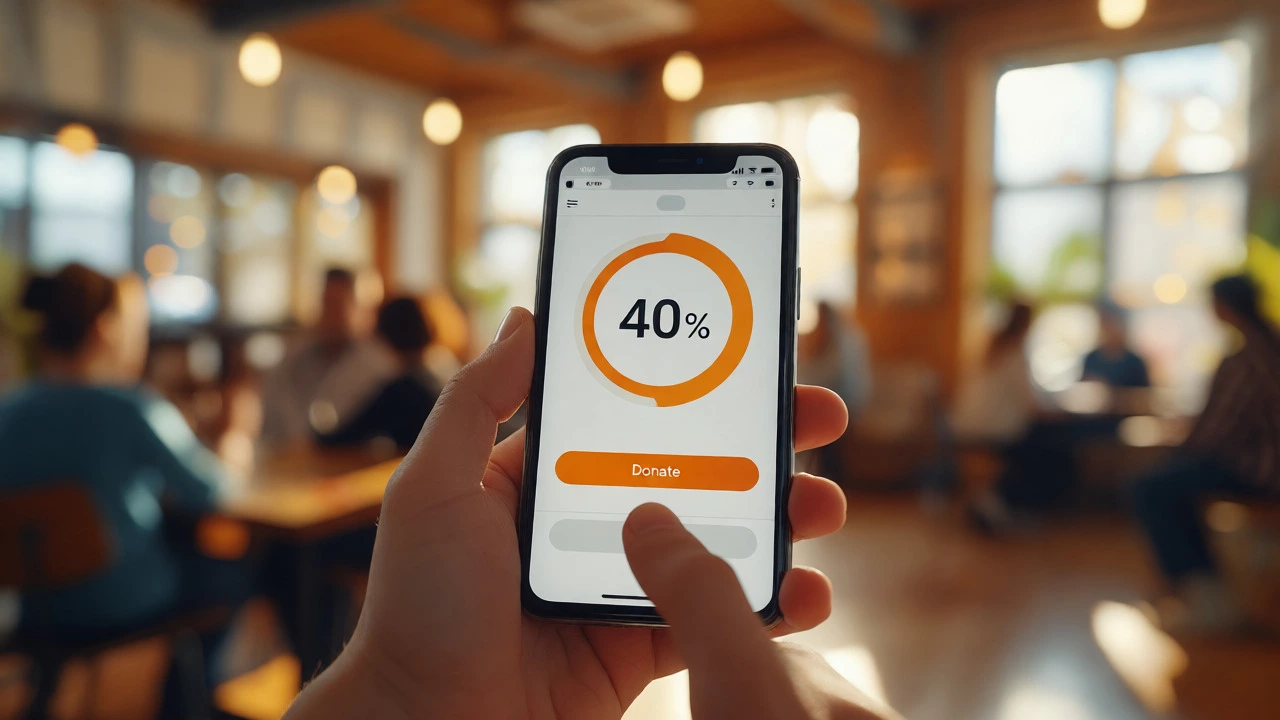
Consider using digital tools to facilitate these micro-transactions. Platforms like GoFundMe or JustGiving allow instant payments via smartphone. However, even without apps, a simple cash box at a community fair works if you provide clear signage explaining where the money goes.
Leveraging Your Immediate Network
Your closest contacts-family, close friends, colleagues-are your first line of defense. They already trust you. The mistake many fundraisers make is broadcasting a generic plea to everyone. Instead, personalize your ask. Send a direct message to twenty people who share an interest in your cause.
For instance, if you are raising money for animal welfare, don't message your cousin who hates dogs. Message your friend who volunteers at a shelter. Personalization increases response rates significantly. According to data from Classy, a leading nonprofit CRM, personalized emails see up to 30% higher open rates than bulk blasts.
Here is a script you can adapt:
"Hi [Name], I'm helping [Organization] reach a small $100 goal to fund [Specific Item]. Since you care about [Cause], would you be willing to chip in $5 or $10? It would mean a lot to me personally."
Notice the tone: it’s casual, specific, and gives them an out. It doesn’t guilt-trip. This respect for their autonomy often leads to a positive response.
Creative Events That Cost Nothing
You don't need a gala dinner to raise $100. In fact, high-cost events eat into your profits. Low-effort, high-engagement activities are better for small targets. Here are three proven methods:
| Activity | Effort Level | Average Return | Best For |
|---|---|---|---|
| Challenge Accepted | Medium | $5-$20 per participant | Social Media Users |
| Bake Sale | High | $2-$5 per item | Local Communities |
| Service Swap | Low | $10-$50 per service | Professional Networks |
Challenge Accepted: Post a video of yourself doing something silly or difficult (like holding an ice cube for a minute) and challenge five friends to donate $5 to avoid doing it themselves. This viral mechanic works because it combines entertainment with social pressure.
Service Swap: Offer a skill you have-dog walking, graphic design, tutoring-for a suggested donation. If you charge $20 for an hour of tutoring, you only need five clients to hit your goal. This adds value to the giver, making the exchange feel fair.
Transparency Builds Trust
When asking for money, especially small amounts, transparency is non-negotiable. People want to know exactly where their $10 goes. Vague statements like "supporting the mission" often lead to skepticism. Instead, use visual aids. Show a photo of the item you are buying. Display a receipt if possible.
In Scotland, where community ties are strong, local credibility matters. Mentioning that the funds stay within the neighborhood or city adds weight. If you are part of a registered charity, display your registration number. It signals legitimacy and allows donors to verify your status.
Update your progress regularly. If you have raised $40, post it. Celebrate milestones publicly. "We are halfway there!" creates momentum. Potential donors are more likely to contribute to a winning team than a struggling one. Social proof is powerful; seeing others give encourages new givers to join in.
Pitfalls to Avoid
Even with good intentions, small-scale fundraising can go wrong. Here are common mistakes:
- Asking too late: Waiting until the last day reduces urgency. Start early to build momentum.
- Ignoring follow-ups: Many people intend to give but forget. A gentle reminder after 48 hours recovers lost donations.
- Complicating payment: If you require a bank transfer form, you lose impulse buyers. Use QR codes or mobile payment links.
Also, avoid apologizing for asking. Confidence inspires confidence. Say "Thank you for considering" rather than "Sorry to bother you." The former assumes goodwill; the latter assumes rejection.
Real-World Example: The Library Book Drive
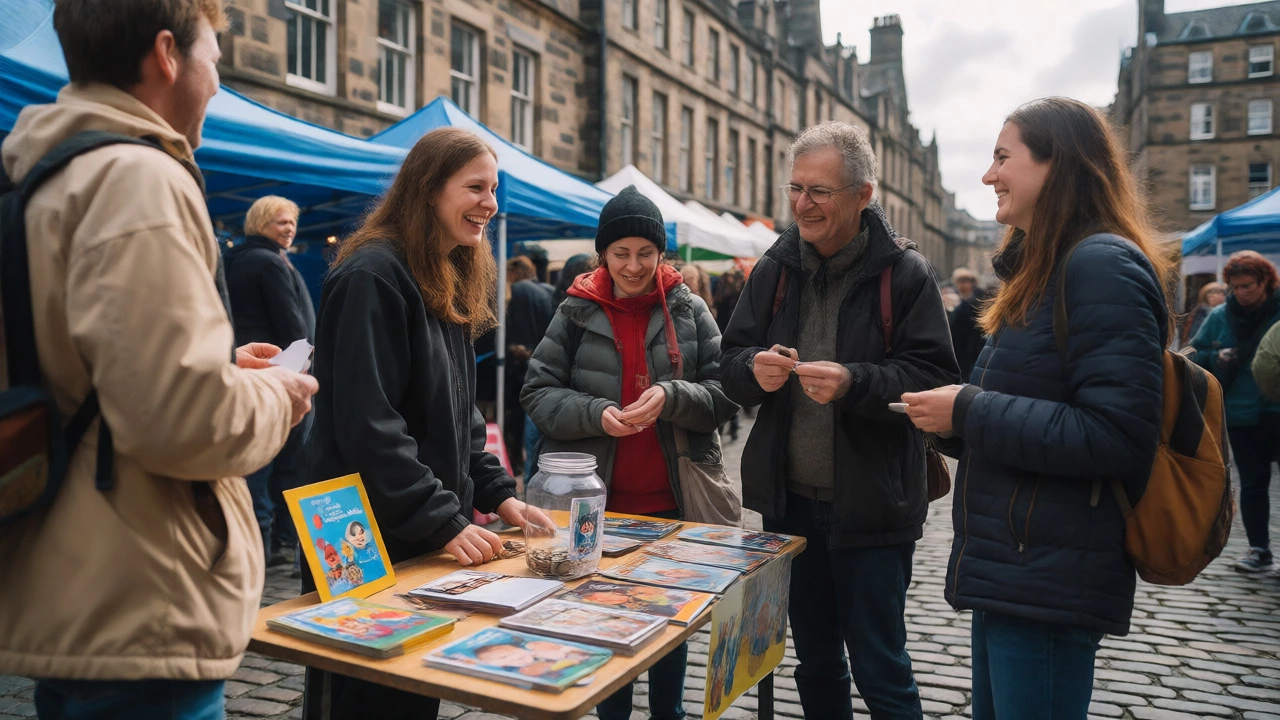
Let’s look at a concrete scenario. Sarah, a volunteer in Edinburgh, needed $100 to replace damaged books in her local children’s library. She didn't hold a gala. She set up a table outside the library entrance during Saturday market hours. She printed photos of the missing books. She accepted card payments via a Square reader.
Within three hours, she raised $120. How? She engaged passersby with a simple question: "Would you like to help save a story?" Most people stopped, smiled, and gave $5 or $10. The physical presence made the cause tangible. Digital campaigns lack this human connection, which is crucial for small, local goals.
Next Steps for Your Campaign
Ready to start? Here is your checklist:
- Define the exact item or outcome your $100 will achieve.
- List 20 potential micro-donors in your personal network.
- Create a simple visual asset (photo or graphic) showing the impact.
- Send personalized messages with a clear, easy payment link.
- Post updates every 24 hours to maintain visibility.
Raising $100 is not just about money; it is about testing your ability to communicate value. Master this small scale, and you will find larger fundraising efforts much more manageable.
Is $100 considered a successful fundraiser?
Yes, absolutely. For individual initiatives, student clubs, or small community projects, $100 covers essential costs like supplies, printing, or minor repairs. It validates community support and builds a base for future growth.
Do I need a tax ID to accept donations?
Not necessarily. If you are collecting money informally among friends or for a non-profit that already has status, you may not need your own ID. However, check local laws. In the UK, for example, large public collections require permits, but small private gatherings usually do not.
How do I thank donors effectively?
Personalize your thanks. A handwritten note or a direct message beats a generic email blast. Tag them on social media if appropriate, or mention their names in a newsletter. Gratitude encourages repeat giving.
What if I don't reach $100?
Keep the money you raised. Communicate honestly about the shortfall and explain how the partial funds will still help. Often, donors appreciate honesty and may contribute again later. Never pretend you reached the goal if you didn't.
Can I use social media exclusively?
You can, but it is less effective for small local goals. Social media reaches acquaintances, not always committed supporters. Combining online posts with face-to-face interactions yields the best results for hitting specific, modest targets like $100.