
Free Event Revenue Estimator
Use this tool to model the financial viability of your next free community event. Input your expected metrics below to see projected net revenue.
Projected Net Revenue
Estimate based on current inputs.
Enter your event details on the left and click "Calculate" to see your potential revenue breakdown.
It feels counterintuitive, doesn’t it? You spend weeks planning an free event a gathering where attendees pay no entry fee but are invited to donate or purchase ancillary services, and then you expect the bank account to grow. Yet some of the most profitable fundraisers in history charged zero for admission. The secret isn’t in the ticket price; it’s in the architecture of value exchange. If you’re running a charity in Edinburgh or anywhere else, your goal isn’t just to fill a room-it’s to convert attendance into sustained financial support.
Most organizers fail because they treat "free" as "worthless." They assume that if people aren’t paying upfront, they won’t pay at all. That’s a myth. When you remove the barrier of entry, you increase volume. More bodies mean more opportunities for micro-donations, upsells, and long-term commitments. But this only works if you have a clear mechanism for capturing value. Let’s break down exactly how to turn a crowd of freebie-seekers into a revenue stream.
The Psychology of the Zero-Cost Entry
Why bother with free events when paid tickets seem safer? Because friction kills conversions. A £10 ticket might filter out the curious, but it also filters out the potential major donors who haven’t heard of you yet. By offering a free event an accessible community gathering designed to build trust before asking for money, you lower the psychological cost of trying you out.
Think about it like a software trial. You don’t buy Salesforce immediately; you test it first. Similarly, donors need to feel connected to your cause before they open their wallets. A free workshop, a community clean-up, or a casual networking mixer allows them to experience your impact firsthand. Once they are inside the tent, literally or metaphorically, you can introduce monetary asks that feel natural rather than transactional.
However, there is a risk. If you don’t design the event with revenue in mind, you’ll end up with a great party and an empty till. You need to embed payment triggers throughout the attendee journey. This means every interaction-from registration to exit-should have a subtle nudge toward contribution.
Sponsorships: The Heavy Lifter of Revenue
If your event is free, sponsors become your primary income source. Attendees aren’t paying cash, so local businesses must cover the costs and ideally generate profit for your charity. This isn’t just about slapping logos on banners. Modern sponsorship is about alignment and access.
Start by identifying companies whose values match your mission. For a youth charity, look for tech firms wanting to recruit young talent or local cafes wanting foot traffic. Pitch them not just on visibility, but on data. Offer them access to your attendee list (with permission) or insights into what your community cares about.
| Tier | Cost Range (GBP) | Deliverables | Best For |
|---|---|---|---|
| Bronze | £50 - £200 | Logo on website, social media shout-out | Local small businesses |
| Silver | £200 - £500 | Booth space, verbal mention during opening | Regional brands |
| Gold | £500 - £1,500 | Main stage speaking slot, exclusive branding | Corporate CSR departments |
| Platinum | £1,500+ | Title sponsor rights, VIP guest list access | Major national corporations |
Notice the progression. Bronze gets visibility; Platinum gets influence. When pitching, be specific. Don’t say "we have 100 people coming." Say "we have 100 parents aged 30-45 who buy organic food weekly." That specificity helps sponsors justify their budget line item. In my experience working with trusts in Scotland, the most successful pitches happen six months in advance, aligning with corporate fiscal year budgets.
Strategic Upselling and Ancillary Sales
Free entry doesn’t mean free everything. You control the environment, which means you control the consumption points. Food and drink are the obvious ones, but don’t underestimate the power of merchandise and experiences.
Consider setting up a "pay-what-you-want" station for raffle tickets or branded tote bags. People love getting something tangible. If you host a music gig, sell limited-edition prints of the artist performing. If it’s a health seminar, offer quick massages for £5. These small transactions add up quickly. A 200-person event selling £5 items to half the audience generates £500 instantly, covering basic venue costs.
Another tactic is tiered access within the free framework. Everyone enters for free, but premium seating or backstage passes cost extra. Or perhaps the main talk is free, but the hands-on workshop afterwards requires a £10 donation. This segmentation allows you to capture different levels of commitment from the same crowd.

Donor Conversion: Turning Attendees into Supporters
This is where many charities drop the ball. They collect emails but never follow up effectively. Your event is a lead generation machine. Every person who registers gives you a chance to start a relationship. Use digital tools to make this seamless.
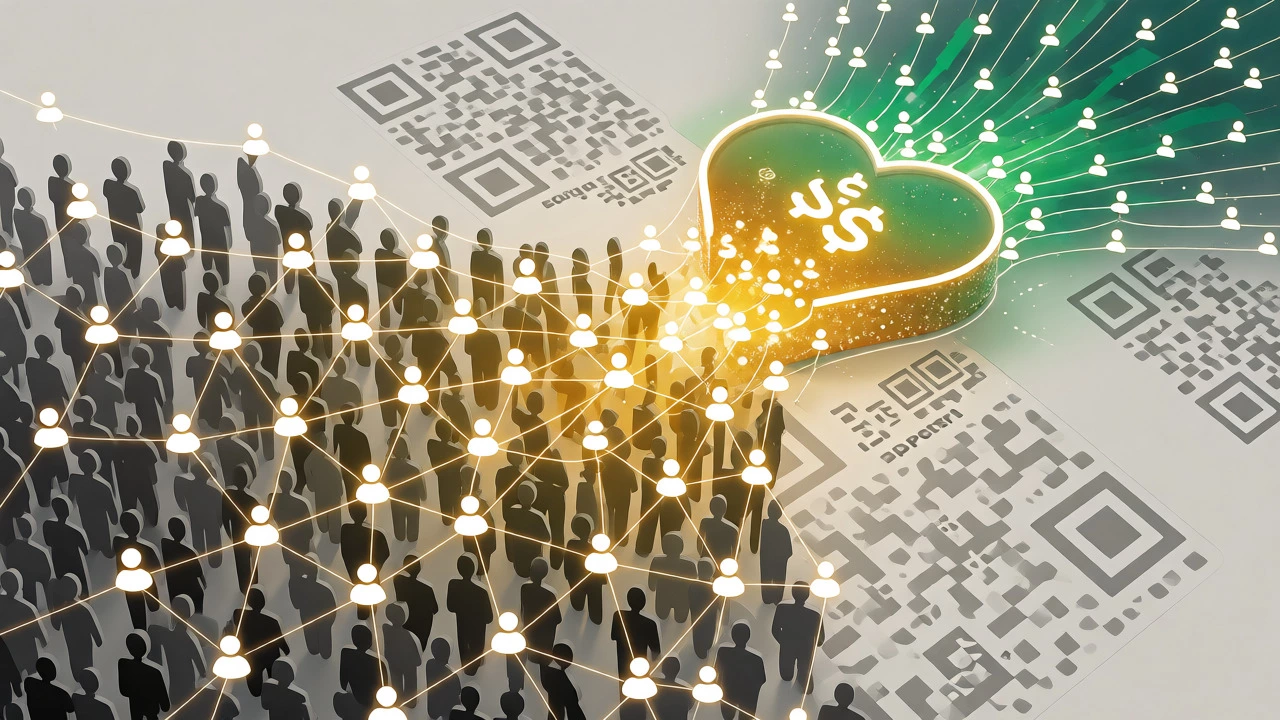
Require registration via email, even if it’s free. At the event, use QR codes linked to donation pages. Place these codes strategically: near the bar, next to the speaker’s slide, on the program. When someone scans a code, ask for a small, immediate donation. "Scan here to help us plant one tree today." It’s low friction and high impact.
Post-event, segment your email list. Did they attend but not donate? Send them a thank-you note with a link to your mission video. Did they donate £5? Ask them to join a monthly giving circle. Did they stay for the whole day? Invite them to volunteer. Personalized follow-ups double retention rates compared to generic blasts.
In-Kind Donations and Cost Mitigation
Making money isn’t just about revenue; it’s about reducing expenses. Since you’re not charging entry fees, you need to keep overheads razor-thin. Seek in-kind donations for everything possible. Venue, catering, AV equipment, printing-ask local businesses to donate these in exchange for marketing exposure.
For example, a local brewery might provide beer for a festival in exchange for being the sole beverage provider. They get sales volume; you get free stock. A print shop might produce flyers for free in return for their logo on the back. Track these savings carefully. If you save £2,000 on costs through in-kind deals, that’s effectively £2,000 in profit you didn’t have to raise.
Volunteers are another critical resource. But remember, volunteers need management. Budget time for coordination. A well-managed team of 20 volunteers can replace the need for paid staff, significantly boosting your net margin.
Leveraging Digital Reach and Media Rights
Your event exists physically, but its value extends digitally. Record key moments. High-quality photos and videos are assets you can sell or trade later. License images to news outlets or use them in grant applications. Social media buzz can attract future sponsors who want to associate with a vibrant community.
Consider live-streaming parts of the event for a small suggested donation. This expands your audience beyond those physically present. Someone in Glasgow might watch your Edinburgh-based webinar and donate £10. Online tipping jars integrated into the stream can generate passive income while you focus on the live audience.
Also, think about content repurposing. Turn a Q&A session into a blog post. Turn stats shared during the event into an infographic. This content keeps your organization visible between events, keeping the donation pipeline warm.
Measuring Success Beyond the Bank Balance
While money matters, tracking other metrics ensures sustainability. Monitor attendee satisfaction, email sign-up rates, and social shares. These indicators predict future revenue. A poorly attended free event might still yield high-value contacts. Conversely, a packed house with no engagement signals a disconnect between your message and the audience.
Set clear KPIs before you plan. Aim for a specific ratio of attendees to donors. Maybe you want 10% of attendees to make a donation. If you hit 8%, analyze why. Was the ask too late? Was the payment method inconvenient? Adjust for the next iteration.
Ultimately, making money off a free event requires shifting your mindset from "ticket seller" to "community builder." When you prioritize value creation, revenue follows naturally. It’s not about tricking people into paying; it’s about inviting them to invest in something they believe in.
Is it better to charge a small fee or keep the event completely free?
Keeping it completely free usually maximizes attendance, which is crucial for sponsor value and donor acquisition. However, if your target audience has high disposable income, a nominal fee (e.g., £5) can filter for higher intent. Test both models if possible, but generally, free events yield more leads, while paid events yield more immediate cash.
How early should I secure sponsors for a free event?
Start pitching sponsors 4-6 months in advance. Corporate budgets often lock in quarterly or annually. Having confirmed sponsors makes it easier to promote the event to attendees, creating a virtuous cycle where sponsors see real turnout, encouraging renewals.
What is the best way to collect donations at a free event?
Use multiple touchpoints. Have QR codes prominently displayed for instant mobile payments. Set up physical collection boxes for cash donors. Train volunteers to make polite, brief asks at exit points. Offering a small incentive, like a sticker or entry into a prize draw, increases participation rates significantly.
Can I run a free event without any upfront costs?
Yes, through aggressive in-kind sponsorship. Secure a venue, catering, and printing donations before you commit. Use free digital platforms for promotion. Rely heavily on volunteers. While rare, fully cost-neutral free events are possible if you leverage community partnerships effectively.
How do I prevent 'freeloader' fatigue among attendees?
Communicate the value clearly. Explain that the event is funded by sponsors and donations, and show exactly where the money goes. Create emotional connections through storytelling. When attendees understand the impact of their presence and potential contributions, they are less likely to feel entitled and more likely to give voluntarily.