Community Outreach Readiness & Impact Calculator
Program Configuration
Results
--
Readiness Score
Estimated Reach
-- people
Based on audience size and engagement factors.Resource Efficiency
--
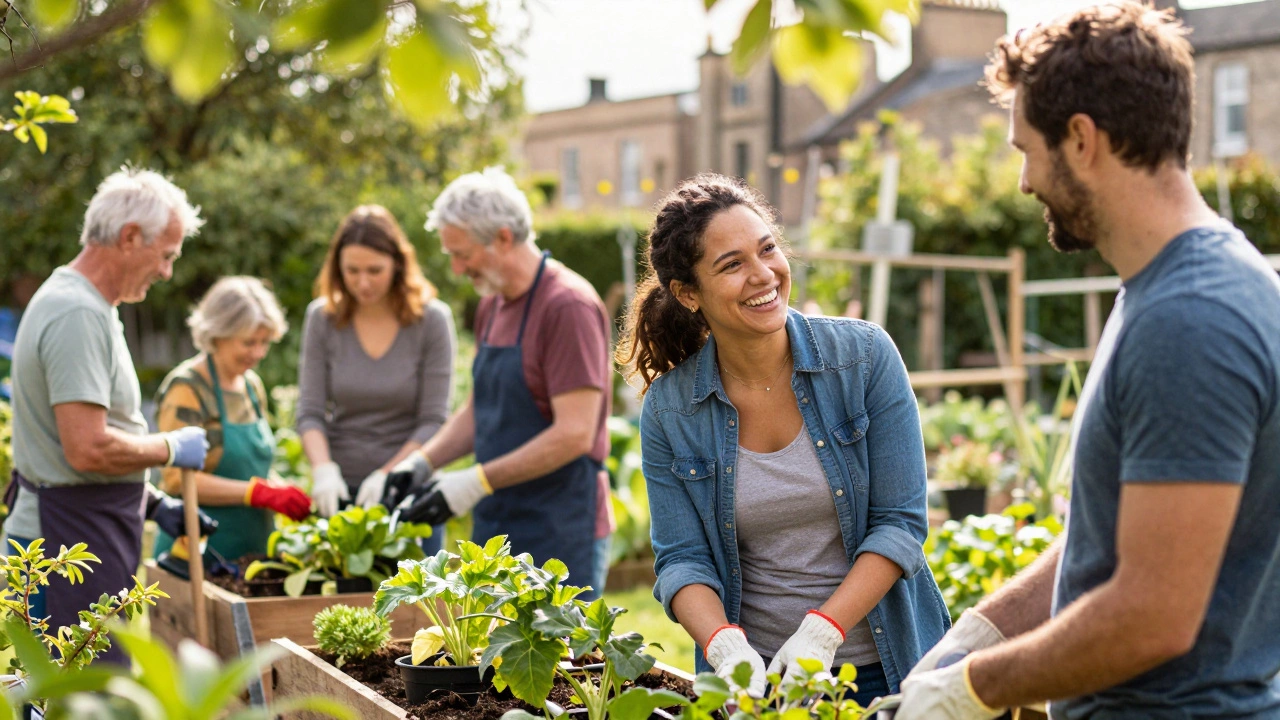
Imagine walking down your street and seeing neighbors who used to ignore each other now chatting over a shared garden or attending a local workshop together. That’s the power of a well-run community outreach program. But getting there isn’t magic-it’s strategy. Whether you’re leading a small charity in Edinburgh or coordinating volunteers for a national cause, organizing outreach means more than just putting up flyers. It requires clear goals, engaged partners, and systems that keep people coming back.
If you’ve ever tried to rally support for a local issue-like cleaning up a park or helping isolated seniors-you know how easy it is to start with enthusiasm but lose momentum. The difference between a one-off event and a lasting impact lies in structure. In this guide, we’ll walk through exactly how to build an outreach program that connects, sustains, and scales.
Define Your Purpose and Audience
Before you book venues or recruit volunteers, ask yourself: What problem are you solving? Who needs help, and who can provide it? A community outreach program is a structured effort by organizations or groups to connect with specific populations to address shared challenges. Without clarity here, your efforts scatter.
- Identify the core need: Is it food insecurity? Youth mentorship? Digital literacy for older adults?
- Map your audience: Use local data from sources like Scotland’s National Records Office or council reports to understand demographics.
- Set measurable goals: Instead of “help more people,” aim for “serve 50 families monthly” or “train 20 peer mentors by Q3.”
For example, if you’re targeting unemployed youth in Leith, partner with schools and job centers already working in that space. Don’t guess-verify. Talk to residents, attend community meetings, and listen before acting.
Build Partnerships That Last
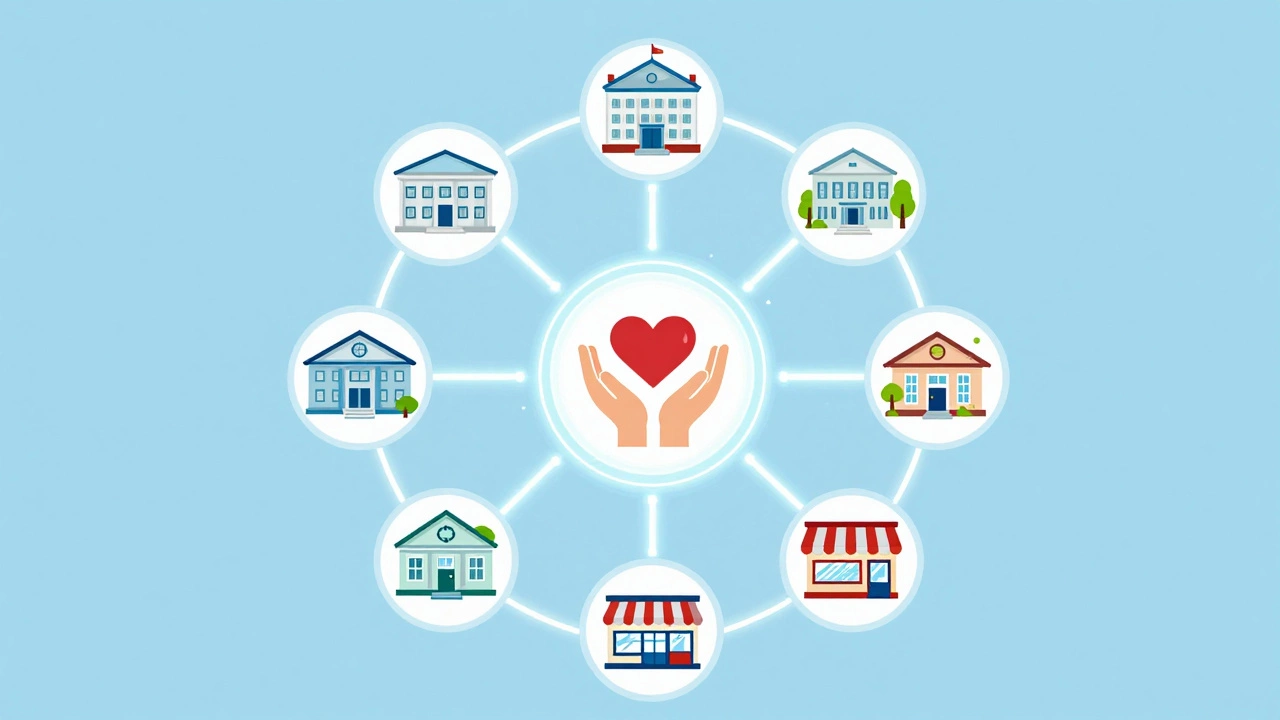
No organization does everything alone. Successful outreach relies on collaboration. Think about who holds resources, trust, or access within your community.
| Partner Type | Role | Example |
|---|---|---|
| Local Government | Funding, permits, policy alignment | City of Edinburgh Council |
| Schools & Colleges | Youth access, volunteer pipelines | Edinburgh Napier University |
| Charities & Trusts | Shared expertise, co-branded campaigns | Scottish Charity Organization |
| Businesses | In-kind donations, employee volunteering | Local cafes offering free meeting space |
Reach out early. Send personalized emails referencing mutual interests. Offer value first-maybe your group can help promote their initiative too. Relationships grow when both sides benefit.
Recruit and Manage Volunteers Effectively
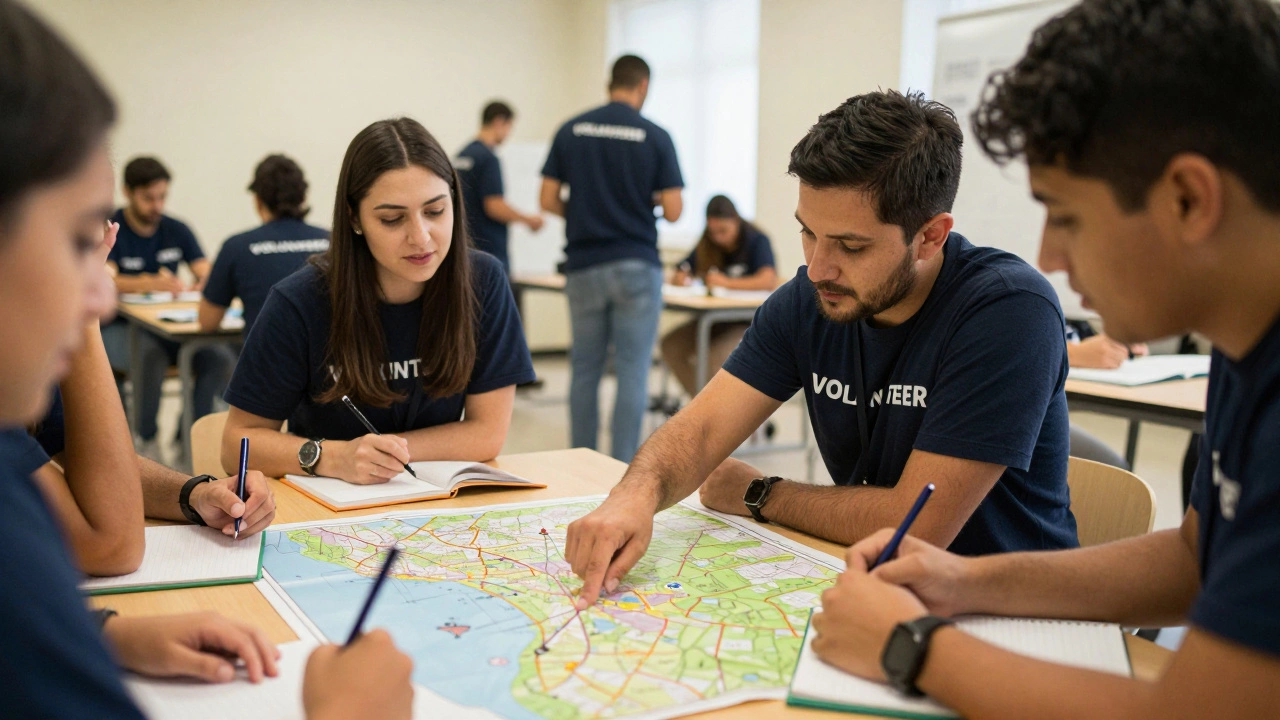
Volunteers are the heartbeat of outreach-but they’re not infinite resources. Treat them like team members, not extras.
- Clarify roles: Define tasks clearly. “Help at the event” is vague; “Check-in 30 guests using our tablet system” is actionable.
- Train consistently: Even simple jobs need orientation. Cover safety, communication norms, and emergency procedures.
- Recognize contributions: Public shout-outs, certificates, or small gifts go far. People stay where they feel seen.
- Use tools wisely: Platforms like VolunteerHub or even shared Google Sheets track availability, skills, and hours logged.
A friend runs a weekend food bank in Musselburgh. She noticed turnover spiked after three months. Why? Burnout. She shifted to rotating shifts and added a “volunteer appreciation lunch” quarterly. Retention jumped 40%. Small changes matter.
Design Engaging Activities
Your activity should match your goal-and your audience’s reality. A tech workshop won’t resonate if participants lack internet access. A health screening fails if privacy concerns aren’t addressed.
Ask:
- What barriers might prevent participation? (Transport, childcare, language)
- How can we remove those hurdles? (Offer bus vouchers, provide translators, host near transit hubs)
- Will this create ongoing connection-or just a single interaction?
Try pilot testing. Run a mini-version with five people. Gather feedback. Adjust. Then scale. This reduces wasted time and builds confidence among stakeholders.
Measure Impact and Adapt
Outreach isn’t done when the last flyer is handed out. Real success shows in behavior change, trust built, and systems strengthened.
Track these metrics:
- Participation rate: How many attended vs. invited?
- Retention: Did people return for follow-up sessions?
- Feedback scores: Use short surveys post-event (“On a scale of 1-5, how useful was this?”).
- Referrals: Are attendees telling others? Word-of-mouth is powerful.
Review data monthly. Share results openly-with partners, donors, and volunteers. Transparency builds credibility. If something didn’t work, say so. Then explain what changed next time.
How much does it cost to start a community outreach program?
Costs vary widely. A low-budget model might spend £200-£500 on printing, refreshments, and basic supplies. Larger programs involving venue hire, staff stipends, or equipment could run £2,000+. Start lean, seek grants from bodies like The National Lottery Community Fund, and leverage donated goods.
Do I need legal permission to run outreach activities?
Yes, depending on location and scope. Public gatherings may require permits from local councils. Handling personal data requires compliance with UK GDPR. Always check regulations early-especially if collecting signatures, photos, or contact details.
Can individuals launch outreach without being part of an organization?
Absolutely. Many successful initiatives begin as grassroots efforts led by passionate citizens. However, forming a registered charity or community association later helps secure funding, insurance, and partnerships. Consider registering with OSCR (Office of the Scottish Charity Regulator) if operating in Scotland.
What’s the biggest mistake new organizers make?
Overpromising and under-delivering. Launching too big too fast leads to burnout and damaged trust. Start small, prove value, then expand. Also, avoid assuming you know what people need-always consult the community directly.
How do I sustain long-term engagement?
Create routines. Weekly coffee chats, monthly skill shares, seasonal festivals-consistency breeds habit. Empower participants to lead sub-groups. When people own pieces of the mission, they invest deeper. Celebrate milestones publicly to reinforce progress.