Community Outreach Budget Estimator
Expense Breakdown
Estimated Total Cost
You’ve got the passion. You’ve got the idea. But turning that spark into a successful community outreach is a structured effort to connect with local residents to build trust, share resources, and create mutual benefit. It’s not just about showing up; it’s about showing up in a way that matters. Whether you’re representing a small neighborhood group or a large nonprofit, the difference between a flop and a movement often comes down to preparation.
Many organizations treat outreach like a one-off event-a bake sale here, a cleanup there. That approach rarely builds lasting relationships. Real impact happens when you treat outreach as a strategic conversation. This guide breaks down exactly how to organize that conversation so it actually gets heard.
Define Your Why Before You Pick a Date
Before you buy flyers or book a venue, you need to answer one question: What problem are we solving? If you can’t explain your goal in one sentence, your audience won’t either. Vague goals lead to vague results. Instead of saying “we want to help the community,” try “we want to reduce food insecurity for 50 families in District 9 this winter.”
This clarity drives every other decision. It determines who you invite, what resources you need, and how you measure success. Write down your primary objective and two secondary objectives. Keep them visible throughout the planning process. When things get chaotic-and they will-these goals act as your compass.
Identify Who Actually Needs to Be There
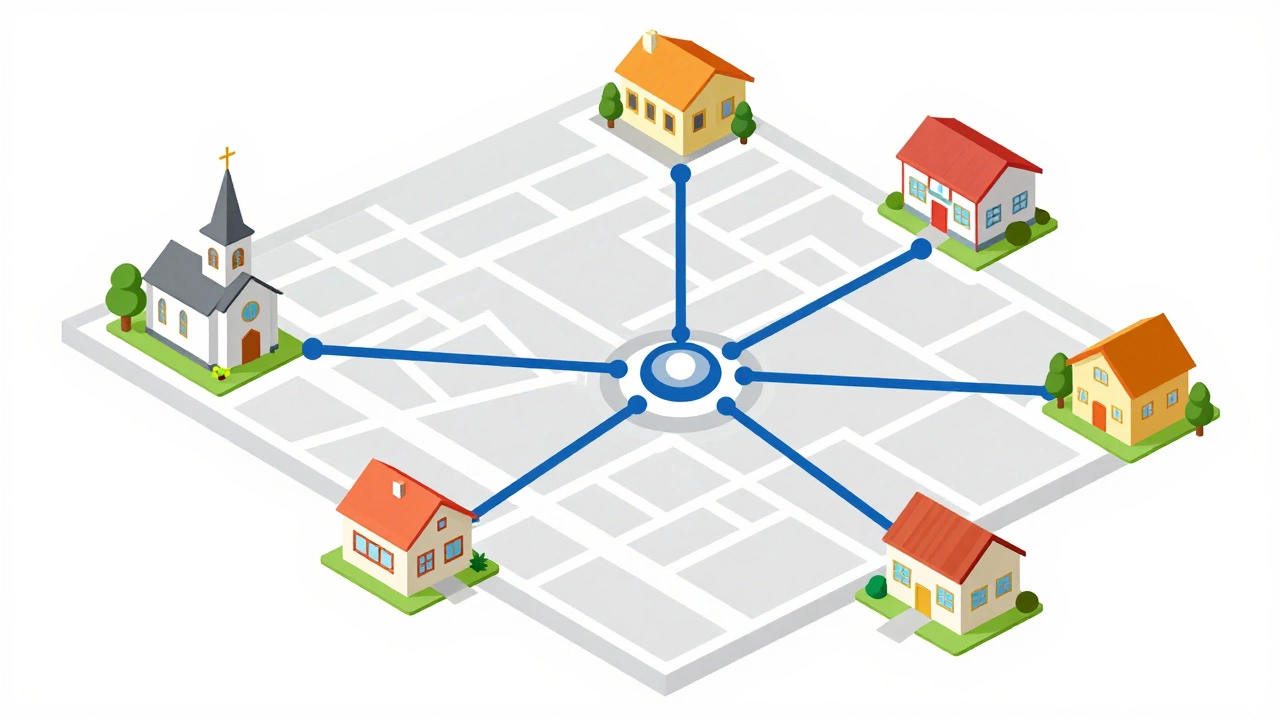
“The community” isn’t a single entity. It’s a mosaic of different groups with different needs, schedules, and barriers to entry. To reach them, you have to map them out first. Start by identifying your core stakeholders:
- Direct beneficiaries: The people your program aims to help directly.
- Local influencers: Faith leaders, school principals, or small business owners who hold trust within specific subgroups.
- Potential volunteers: People who might give their time but need flexibility.
- Partners: Other nonprofits, government agencies, or corporations that can provide resources or amplification.
Don’t assume everyone has the same access to information. Some residents rely on social media, others on church bulletins, and some only trust word-of-mouth from neighbors. Tailor your communication channels to where these groups already spend their time. If you’re targeting seniors, Facebook ads might miss the mark compared to direct mail or phone calls from trusted local figures.
Build a Team That Can Handle the Grind
You cannot do this alone. Even if you start with just three people, structure matters. Assign clear roles early to avoid the “too many cooks” syndrome or the “one person doing everything” burnout. Here’s a simple framework:
- Project Lead: Oversees the timeline, budget, and final decisions.
- Logistics Coordinator: Handles permits, venues, equipment, and supplies.
- Communications Manager: Drafts messages, manages social media, and handles press inquiries.
- Volunteer Captain: Recruits, trains, and schedules helpers on the day of the event.
Hold weekly check-ins. Not long meetings-just 15-minute stand-ups to update progress and flag roadblocks. Consistency keeps momentum alive. If someone falls behind, catch it early rather than waiting until the week before the event.
Choose a Format That Fits the Message
The format of your outreach should match your goal. A lecture-style presentation works poorly for building trust among skeptical residents. An interactive workshop does better. Consider these common formats:
| Format | Best For | Pros | Cons |
|---|---|---|---|
| Door-to-Door Visits | Deep personal connection | High trust, immediate feedback | Time-intensive, requires training |
| Community Fair | Broad awareness | Reaches many people quickly | Shallow interactions, high cost |
| Focus Groups | Gathering specific feedback | Detailed insights, safe space | Small sample size, hard to recruit |
| Pop-Up Services | Providing immediate aid | Tangible value, low barrier | Logistically complex, resource-heavy |
If your goal is to listen, choose focus groups or door-to-door visits. If your goal is to distribute resources, go with pop-up services. Match the method to the message.
Secure Permissions and Partnerships Early
Never assume public spaces are free for use. Parks, libraries, and community centers require permits. These processes can take weeks or even months. Start applications immediately after defining your goal. Delays here can derail an entire timeline.
Simultaneously, reach out to potential partners. Local businesses might donate food or printing services. Schools might offer meeting rooms. Government agencies might provide data or staff support. Frame these requests around mutual benefit. Show them how partnering enhances their own community presence. A win-win partnership is more sustainable than a one-sided ask.
Create a Communication Plan That Reaches Everyone
Your announcement needs to happen at least four weeks before the event. Use a multi-channel approach:
- Social Media: Post consistently across platforms where your audience lives. Use visuals and clear calls to action.
- Email Newsletters: Send personalized invites to your existing database. Segment lists if possible.
- Physical Flyers: Place them in high-traffic areas like laundromats, grocery stores, and bus stops. Include QR codes linking to registration or info pages.
- Word of Mouth: Train volunteers to share details personally. Personal invitations have higher conversion rates than digital blasts.
Repeat the message. Most people need to see an invitation three times before they remember it. Space your reminders evenly: one month out, two weeks out, one week out, and one day before.
Prepare for the Day Of
The day of the event is not the time to solve problems. Everything must be ready beforehand. Create a detailed run sheet that includes:
- Arrival times for all team members and volunteers.
- Setup checklist (tables, chairs, signage, AV equipment).
- Emergency contacts and first aid kit location.
- Backup plans for weather, technical failures, or low turnout.
Brief your team 30 minutes before doors open. Remind everyone of their role, the tone you want to set, and how to handle difficult questions. Empower them to make small decisions on the spot without needing approval from leadership.
Follow Up Like It Matters
The real work begins after the last guest leaves. Send thank-you notes within 48 hours. Share photos and highlights on social media. Ask attendees for feedback via a short survey. Did they feel welcome? Was the information useful? What could be improved?
Analyze the data against your original goals. Did you reach 50 families? Did you secure five new partners? Celebrate wins, but also document lessons learned. Store this information for next time. Community outreach is iterative. Each event should inform and improve the next.
Avoid Common Pitfalls
Even well-intentioned organizers stumble over the same traps. Watch out for:
- Assuming homogeneity: Treating “the community” as a monolith ignores diversity and leads to exclusion.
- Overpromising: Committing to outcomes you can’t deliver damages trust faster than doing nothing.
- Neglecting accessibility: Failing to provide wheelchair access, translation services, or childcare limits participation.
- Ignoring feedback: Listening during the event but ignoring suggestions afterward signals disrespect.
Stay humble. Stay flexible. And always prioritize the people you serve over the image you project.
How much does it cost to organize a community outreach event?
Costs vary widely based on scale and format. A small neighborhood meeting might cost under $100 for snacks and printing. A large community fair could exceed $5,000 with permits, insurance, rentals, and marketing. Always budget for a 10-15% contingency fund for unexpected expenses.
How far in advance should I start planning?
For most events, begin planning 3-6 months ahead. This allows time for permit applications, partner negotiations, volunteer recruitment, and sustained promotion. Smaller, informal gatherings may only need 4-6 weeks.
What if no one shows up to my outreach event?
Low turnout is common for first-time efforts. Don’t panic. Analyze your promotion channels and timing. Consider hosting smaller, more intimate pilot events to build trust before scaling up. Engage local influencers to vouch for your credibility.
Do I need insurance for a community outreach event?
Yes, especially if you’re using public spaces or expecting more than 50 attendees. General liability insurance protects against accidents or property damage. Check with your venue provider-they often require proof of coverage.
How do I measure the success of my outreach?
Define metrics before the event. Common measures include attendance numbers, survey satisfaction scores, number of new contacts collected, partnerships formed, and follow-up actions taken. Qualitative feedback is just as valuable as quantitative data.