
Setting up an after-school club doesn’t need to be complicated. You don’t need a big budget, a fancy building, or a team of professionals. What you do need is a clear idea of what kids in your community want, a little planning, and the willingness to show up every week. Many parents struggle to find safe, engaging places for their kids after school. That’s where a simple club can make a real difference.
Start with a need, not a plan
Don’t jump straight into choosing games, crafts, or sports. First, talk to kids. Ask them what they’d like to do after school. Talk to teachers. Ask parents what they’re worried about. Maybe the kids want to build things. Maybe they’re bored with the same video games every day. Maybe they just need someone to talk to.
In a neighborhood in Detroit, a group of fifth graders told their teacher they wanted to grow food. Not just plants-actual food they could eat. That led to a small garden club that now feeds 30 families each summer. The club didn’t start with a grant or a curriculum. It started with one question: What do you want to do?
Find your space
You don’t need your own building. Most after-school clubs meet in places that already exist: school classrooms after hours, community centers, libraries, churches, or even a quiet corner of a park. Talk to your local school. Many have unused rooms that sit empty after 3 p.m. Ask if you can use them for a few hours, three days a week. Most schools are happy to help if you’re not asking for money or extra staff.
Libraries often have meeting rooms that are free for community groups. Parks departments sometimes allow clubs to use pavilions or recreation halls. The key is to ask early and be flexible. If the school says no to Mondays, see if Tuesdays work. If the library closes at 6 p.m., plan your club to end at 5:30.
Keep it simple, keep it safe
Safety isn’t optional. Even if you’re just helping kids with homework or playing board games, you need basic rules in place. Start with these:
- Everyone must be signed in and out by a parent or guardian.
- Have at least two adults present at all times.
- Keep a list of emergency contacts for every child.
- Know where the first aid kit is and who’s trained to use it.
- Get written permission from parents for any field trips or special activities.
You don’t need to be a certified teacher. But you do need to be responsible. Many local organizations offer free background checks for volunteers. Check with your city’s youth services office-they often have partnerships with police departments or nonprofits that can help.
Choose your activity-then stick with it
Don’t try to do everything. Pick one thing and do it well. A chess club. A robotics group. A cooking club. A book club. A dance group. A journaling circle. Kids don’t need variety. They need consistency.
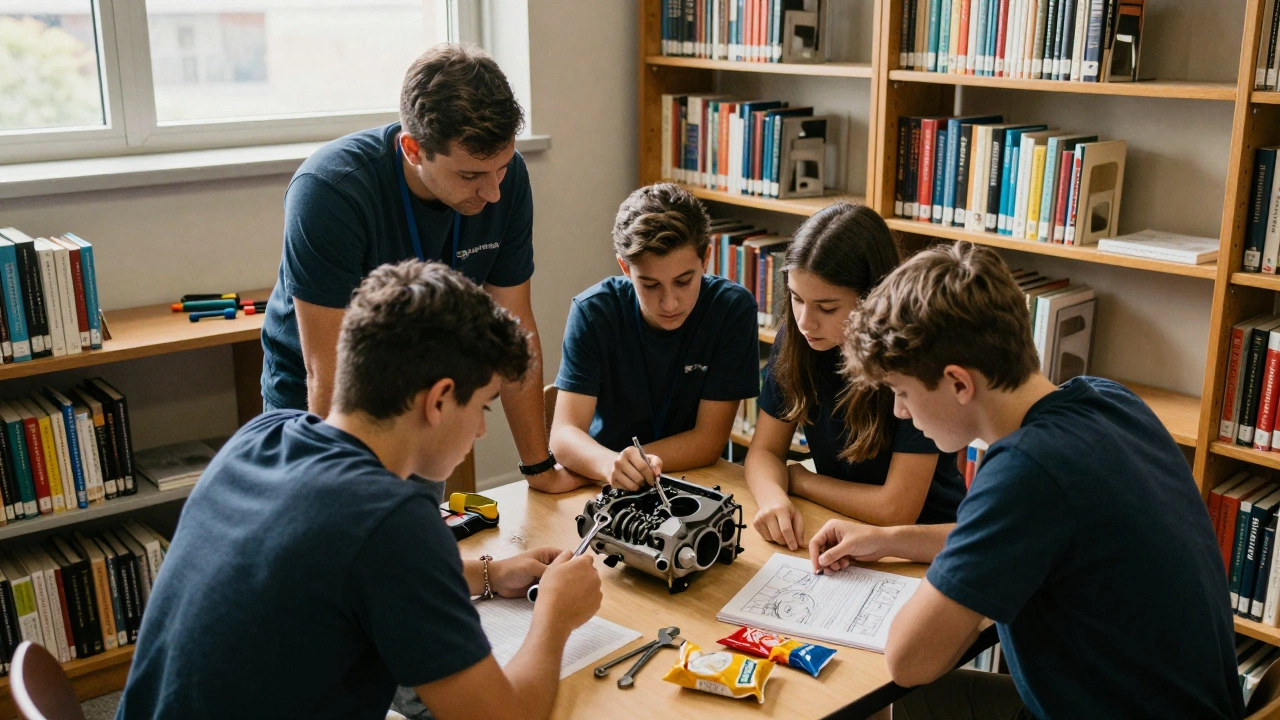
In a small town in Ohio, a retired mechanic started a weekly car repair club for teens. He didn’t teach them how to replace engines. He taught them how to check tire pressure, change a flat, and understand dashboard lights. Within a year, three students got their first jobs at local garages. The club didn’t change the world. But it gave kids confidence and a real skill.
Start small. If you’re not sure what to pick, try a rotation. Week 1: drawing. Week 2: storytelling. Week 3: simple science experiments. After four weeks, ask the kids what they want to keep doing. Then focus on that.
Get help-you don’t have to do it alone
You’re not expected to be the only adult. Recruit volunteers. Ask parents. Talk to high school students. Many teens need community service hours for school. Offer them a chance to lead a game, help with snacks, or read to younger kids. Give them a T-shirt. Say thank you. They’ll come back.
Local colleges often have education or social work programs. Students need real-world experience. Reach out to their department chair. A single college student can help run a club twice a week for free.
Don’t ignore local businesses. A bakery might donate cookies. A bookstore might give away used books. A hardware store might lend tools for a building club. People want to help. You just have to ask.
Keep track, keep going
Write down what works. Keep a notebook. What day had the most kids? What activity made them laugh? What day did half the group skip? Why?
After three months, ask for feedback. Give parents a simple paper survey: What’s working? What’s not? Would you recommend this to a friend? Don’t overcomplicate it. One question, one line, written by hand.
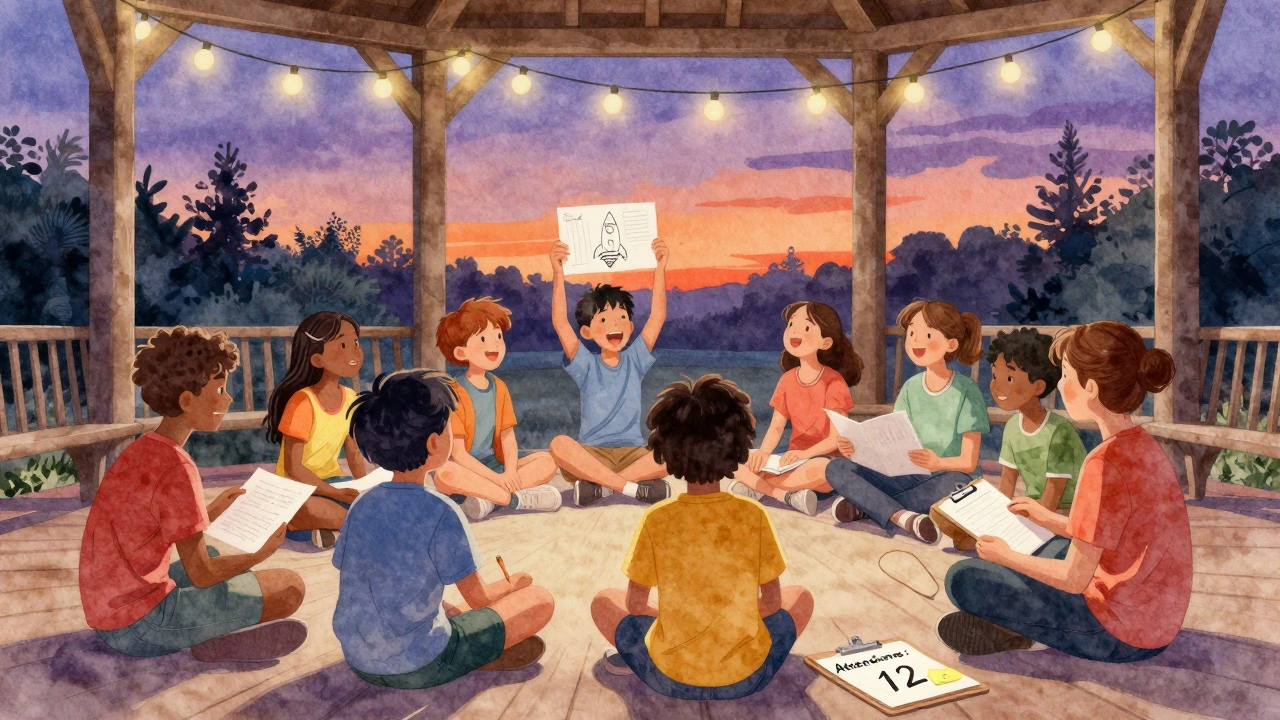
Track attendance. Even just a sticky note on a clipboard. If you see numbers dropping, talk to the kids. Maybe the time is bad. Maybe the activity got boring. Maybe they’re tired of waiting for a ride. Fix it before it dies.
It doesn’t have to be perfect
The first week might be messy. Someone forgets their snack. Two kids argue over a game. The projector doesn’t work. That’s normal. Don’t quit because it’s not smooth. Progress isn’t about flawless execution. It’s about showing up, again and again.
One club in Philadelphia started with three kids and a box of crayons. Now it has 40 kids, a weekly newsletter, and a small grant from the city. They didn’t start with a website or a sponsor. They started with a table, a chair, and a promise: We’ll be here after school.
You don’t need a degree. You don’t need a budget. You just need to care enough to start.