Charitable Trust Structure Planner
Step 1: Define Your Charitable Objects
Your charitable objects must fall within recognized categories and clearly demonstrate public benefit.
Step 2: Plan Your Trustee Team
A strong board needs diverse skills. Aim for at least 3 trustees with complementary expertise.
Skills Coverage Assessment
Step 3: Registration & Compliance Checklist
Check off each requirement as you prepare your registration application.
Registration Requirements
Step 4: Governance Framework & Summary
Finalize your governance policies and review your complete plan.
Governance Policy Decisions
Your Charitable Trust Plan Summary
Next Steps:
- Consult a solicitor specializing in charity law to finalize your trust deed
- Budget £1,000–£2,000 for professional setup costs
- Submit your application to the appropriate regulator
- Set up separate bank accounts for the trust
- Arrange trustees' indemnity and public liability insurance
You have a cause you care about deeply. Maybe it’s supporting local wildlife, helping families in crisis, or funding arts education. You’ve decided that setting up a charitable trust is the right vehicle for your mission. But staring at a blank document, you might feel overwhelmed. How do you actually build this thing? What rules must you follow so it doesn’t fall apart under scrutiny?
Structuring a charitable trust isn’t just about filling out forms. It’s about creating a legal container that holds your values, protects your assets, and ensures your goals survive long after you’re gone. Get the structure wrong, and you risk losing tax benefits, facing legal challenges, or simply failing to achieve your impact. Get it right, and you create a resilient engine for good.
Understanding the Core Structure of a Charitable Trust
Before you draft a single word, you need to understand what you are building. A charitable trust is distinct from other non-profit structures like incorporated charities or community interest companies. Its strength lies in its simplicity and flexibility, but its weakness can be a lack of clear legal personality if not structured carefully.
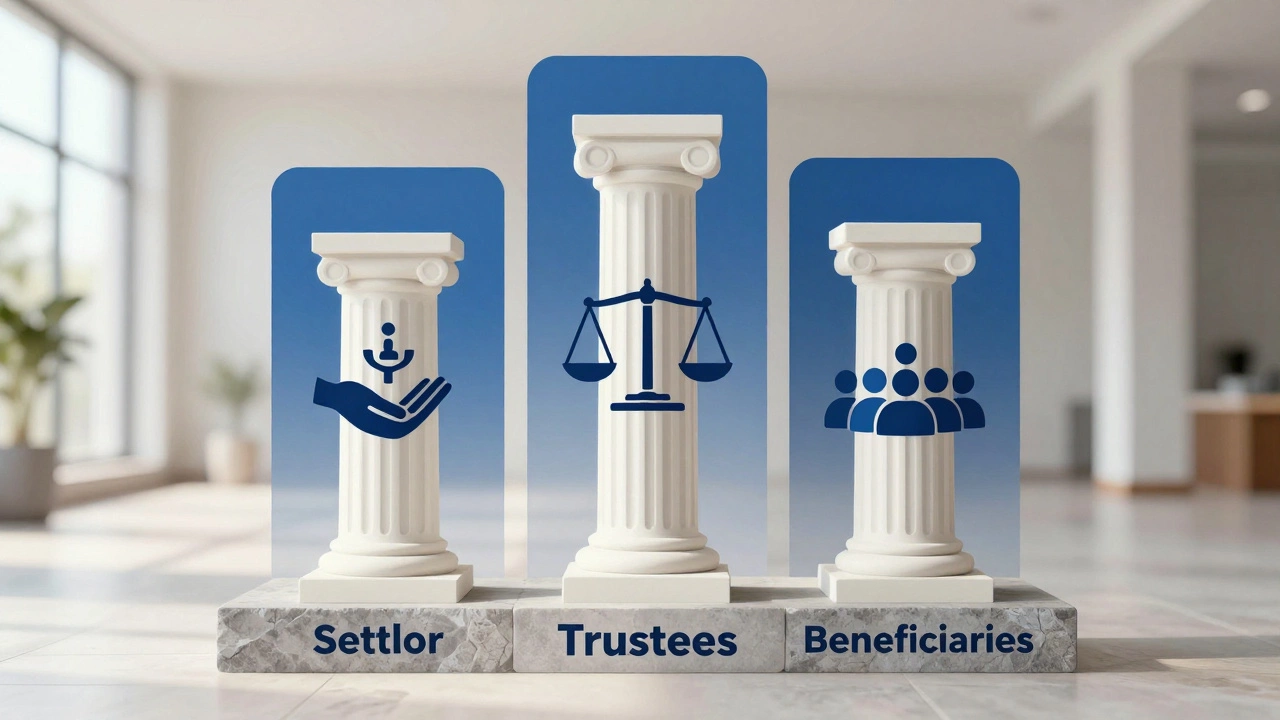
The anatomy of a trust rests on three pillars:
- The Settlor: This is you (or the person providing the initial funds). You transfer assets into the trust, giving up direct control over them.
- The Trustees: These are the individuals who manage the trust. They hold the legal title to the assets and make decisions about how they are used. They have a fiduciary duty to act in the best interest of the charity, not themselves.
- The Beneficiaries: In a charitable trust, the beneficiaries are the public or a specific section of the public defined by your charitable purpose. Unlike private trusts, you cannot benefit personally from the trust’s assets.
This tripartite relationship is the foundation. If any of these roles are blurred-for example, if the settlor retains too much control-the trust may fail to qualify as charitable for tax purposes.
Drafting the Trust Deed: The Constitution of Your Charity
The Trust Deed is the heartbeat of your organization. It is the legal document that establishes the trust, defines its powers, and sets out the rules for its operation. Think of it as your constitution. Without a robust deed, you have no enforceable rights and no clear direction.
Your trust deed must include several critical components:
- Charitable Objects: This is the most important clause. You must clearly define the purposes of the trust. These objects must fall within recognized categories of charity, such as poverty relief, education, health improvement, or religious advancement. Vague language like “to help people” will likely be rejected by regulators. Be specific: “To provide financial assistance to unemployed youth in Edinburgh aged 18-25.”
- Trustee Powers: Detail what trustees can and cannot do. Can they invest funds? Can they employ staff? Can they delegate authority? Clear powers prevent paralysis when decisions need to be made.
- Remuneration Clause: Traditionally, trustees served unpaid. Modern law often allows for reasonable remuneration for trustee services, but this must be explicitly stated in the deed to avoid conflicts of interest.
- Dissolution Clause: What happens if the trust fails? Assets usually must pass to another charity with similar objectives. This “cy-près” provision ensures your money continues to do good even if your specific project ends.
Do not copy-paste an old template without review. Laws change, and every charity has unique needs. Consult a solicitor specializing in charity law to ensure your deed aligns with current regulations.
Selecting and Onboarding Trustees
A trust is only as strong as its trustees. You might be tempted to appoint close friends or family members. While passion is essential, competence and diversity are equally vital. A board composed entirely of people with similar backgrounds creates blind spots.
When selecting trustees, look for a mix of skills:
- Financial Expertise: Someone who understands budgets, audits, and investment risks.
- Legal Knowledge: To navigate compliance and contractual obligations.
- Operational Experience: Individuals who have managed teams or projects in your sector.
- Network Access: People who can open doors to donors, partners, or volunteers.
Once selected, onboarding is crucial. Provide each trustee with a copy of the trust deed, a code of conduct, and a clear job description. Explain their duties: attending meetings, declaring conflicts of interest, and staying informed about the charity’s activities. Remember, trustees are personally liable for certain breaches, so they need to know exactly where they stand.

Registration and Regulatory Compliance
In many jurisdictions, including Scotland and England, you must register with the relevant regulator if your annual income exceeds a certain threshold. In Scotland, that body is OSCR (Office of the Scottish Charity Regulator); in England and Wales, it’s the Charity Commission.
Registration is not optional if you meet the criteria. It provides legitimacy, access to grants, and tax exemptions. The process typically involves submitting:
- A completed application form detailing your history, aims, and methods.
- A copy of your trust deed.
- Details of your trustees, including addresses and any unspent criminal convictions.
- An estimate of your first year’s income and expenditure.
OSCR and the Charity Commission scrutinize applications for clarity and compliance. Ambiguous objects or unrealistic financial projections can lead to delays or rejection. Prepare thoroughly. Once registered, you’ll receive a charity number, which you must use on all official correspondence and documents.
Governance and Operational Framework
Structure isn’t static. It requires ongoing maintenance through effective governance. This means establishing regular trustee meetings, keeping accurate minutes, and maintaining proper financial records.
Create a Governance Policy that outlines:
- Meeting Frequency: How often will trustees meet? Quarterly? Monthly?
- Decision-Making Process: Are decisions made by majority vote? Consensus? Define quorum requirements.
- Conflict of Interest Protocol: How will trustees declare personal interests related to trust business? Typically, interested trustees must recuse themselves from discussions and voting.
- Risk Management: Identify potential risks-financial, reputational, operational-and outline mitigation strategies.
Also, consider insurance. Trustees’ indemnity insurance protects individual trustees against claims arising from their role. Public liability insurance covers accidents involving beneficiaries or visitors. These aren’t luxuries; they are necessities for sustainable operations.

Tax Implications and Financial Management
One of the primary reasons to choose a charitable trust is tax efficiency. Registered charities enjoy exemptions from various taxes, including corporation tax on trading profits, income tax on donations, and stamp duty on property transfers. However, these benefits come with strict reporting requirements.
You must maintain separate bank accounts for the trust. Never mix personal funds with charity money. Keep detailed records of all transactions. Annual accounts must be prepared and submitted to the regulator. For larger charities, an independent audit may be required.
Understand Gift Aid. In the UK, this scheme allows charities to reclaim basic rate tax on donations from UK taxpayers. Properly structuring your donation collection processes ensures you maximize this revenue stream without falling foul of HMRC rules.
| Element | Purpose | Key Considerations |
|---|---|---|
| Trust Deed | Defines legal existence and powers | Must specify charitable objects clearly |
| Trustees | Manage assets and strategy | Diverse skills, fiduciary duty, conflict checks |
| Regulatory Registration | Legitimacy and tax benefits | Threshold-based, requires ongoing reporting |
| Governance Policies | Ensures consistent decision-making | Minutes, quorum, risk management |
| Financial Controls | Protects assets and ensures transparency | Separate accounts, annual audits, Gift Aid |
Common Pitfalls to Avoid
Even well-intentioned founders stumble. Here are frequent errors that undermine trust structures:
- Vague Objects: Using broad language that doesn’t clearly demonstrate public benefit. Regulators reject applications that don’t show who benefits and how.
- Founder Control Issues: Retaining excessive influence over trustee appointments or spending decisions. This can invalidate charitable status.
- Poor Record Keeping: Failing to keep minutes or financial records. This exposes trustees to personal liability and regulatory sanctions.
- Ignoring Conflict of Interest: Allowing trustees to approve contracts involving their own businesses without disclosure. This breaches fiduciary duty.
- Undercapitalization: Starting with insufficient funds to cover setup costs and initial operations. Plan for at least 12 months of runway.
Avoid these traps by seeking advice early. Join networks for charity trustees, attend workshops, and read guidance notes from OSCR or the Charity Commission. Knowledge is your best defense against structural failure.
Can I be a trustee of my own charitable trust?
Yes, you can serve as a trustee of the trust you established. However, you must act solely in the best interests of the charity, not your personal agenda. Declare any conflicts of interest immediately. Some jurisdictions restrict the number of connected persons (like family members) who can serve as trustees simultaneously to prevent undue control.
How much does it cost to set up a charitable trust?
Costs vary widely. Drafting a custom trust deed with a solicitor might cost £500-£1,500. Registration fees are often free or nominal. Additional costs include bank account setup, insurance premiums, and potential accounting fees. Budget for at least £1,000-£2,000 for professional setup to ensure compliance.
What is the difference between a charitable trust and a company limited by guarantee?
A charitable trust is simpler to establish and has fewer administrative burdens initially. However, it lacks separate legal personality, meaning trustees hold assets personally. A company limited by guarantee is a separate legal entity, offering better protection for trustees and easier contracting. Choose based on scale, risk exposure, and growth plans.
Do I need to register my charitable trust if income is low?
In Scotland, if your gross income is below £6,000 per year, you may not need to register with OSCR, but you still must operate as a charity. In England and Wales, the threshold is higher (£5,000-£6,000 depending on circumstances). Unregistered charities still face legal duties and must comply with charity law. Check current thresholds with your national regulator.
Can a charitable trust make profits?
Yes, but profits cannot be distributed to individuals. All surplus funds must be reinvested into the charitable objectives. Trading activities unrelated to the main purpose may incur corporation tax unless conducted through a separate trading subsidiary. Always seek tax advice before launching commercial ventures.