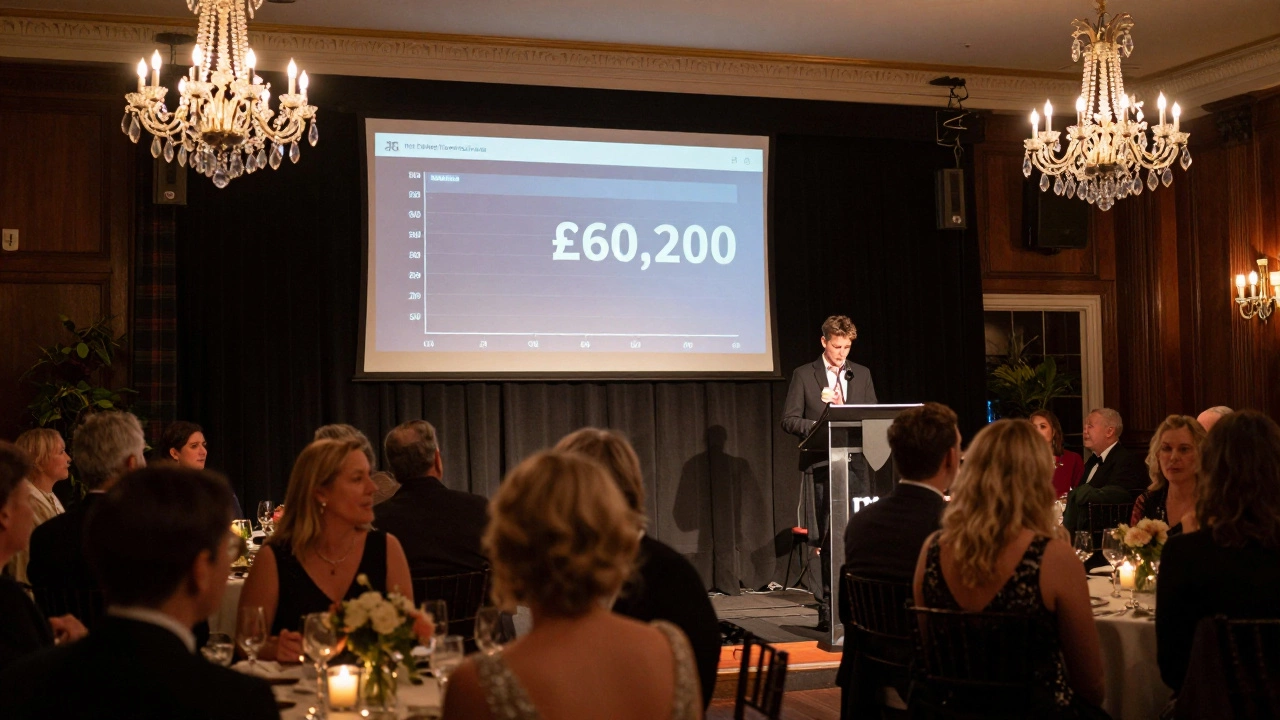
Charity Ball Ticket Pricing Calculator
Enter your values above to see your optimal ticket pricing and revenue projections.
Throwing a charity ball isn’t just about fancy dresses and live music-it’s about turning an evening into a powerful force for change. If you’ve ever wondered how to make a charity ball that actually raises money, draws a crowd, and leaves a lasting impact, you’re not alone. Many organizations try, but only a few nail it. The difference? Planning. Not just any planning. Smart, detailed, human-centered planning.
Start with a clear goal
Before you pick a venue or send out invitations, ask yourself: What exactly are we raising money for? Vague goals like "helping the community" don’t move the needle. Be specific. Are you funding a local food bank that serves 1,200 families each month? Are you building a new shelter for homeless teens in your city? Are you covering the cost of mental health therapy for low-income children? Write it down. Put a number on it. Say, "We need £50,000 to fund 12 months of free counseling." That number becomes your anchor. Every decision-from ticket price to auction items-should tie back to that target.Build a team you can trust
You can’t do this alone. A charity ball needs at least six key roles filled:- Event lead (you, or someone with experience)
- Venue and logistics coordinator
- Sponsorship and donation hunter
- Marketing and social media manager
- Volunteer captain
- Finance and ticketing handler
Choose the right venue
The venue sets the tone. A grand ballroom? A historic castle? A converted warehouse with exposed brick? It doesn’t have to be expensive-but it must feel special. Look for places that offer discounts for nonprofits. Many hotels, museums, and civic centers will reduce rates if you’re raising money for a good cause. In Edinburgh, places like the Royal Scottish Academy or the Balmoral Hotel sometimes offer charity rates if you book early. Ask for a package: dinner, stage, sound, lighting, and cleanup included. Avoid hidden fees. Get everything in writing.Price tickets smartly
Don’t guess your ticket price. Do the math. If your goal is £50,000 and you expect 300 guests, you need £167 per person just to break even. But tickets alone won’t cover everything. Factor in:- Food and drinks (approx. £30-£40 per person)
- Entertainment (band, DJ, speakers)
- Printing, decor, staffing
- Online ticketing fees (usually 3-5%)
Get sponsors and in-kind donations
Sponsors don’t always mean cash. A local florist might donate centerpieces. A bakery could provide the wedding cake. A tech company might offer free livestreaming. These savings add up fast. Reach out to businesses with a simple pitch: "We’re hosting a charity ball on April 12 to raise £50,000 for [cause]. We’ll feature your logo on all our materials, mention you during the event, and give you a table for 10 guests. What can you contribute?" Many small businesses will say yes if you make it easy.Plan the night like a movie script
Your event needs rhythm. Too many speeches? People leave. Too much dancing? They forget why they’re there. Here’s a real timeline that works:- 6:30 PM: Doors open. Cocktail hour with hors d’oeuvres.
- 7:30 PM: Welcome speech (under 5 minutes).
- 7:45 PM: Live auction. Hire a pro auctioneer-they know how to stir excitement.
- 8:30 PM: Dinner served. Keep it elegant, not long.
- 9:15 PM: Short video showing real people helped by your cause. No more than 3 minutes.
- 9:25 PM: Fund-a-need paddle raise. "If you believe every child deserves therapy, raise your paddle for £100." Have volunteers walk the aisles with collection bins.
- 9:45 PM: Dance floor opens. Play a mix of classics and modern hits.
- 11:00 PM: Thank yous. Hand out small tokens-a custom keychain with your logo.
Make giving easy and emotional
People give when they feel connected. Don’t just say, "We need money." Show them who they’re helping. Bring a guest speaker-a teen who got therapy through your program. A single parent who found housing. Let them speak for 2 minutes. Then, when you ask for donations, it’s not abstract. It’s personal. Use digital tools. Set up a live donation tracker on a screen. Show the total climbing in real time. When it hits £10,000, have someone shout, "We’re halfway there!" The energy spikes. People love being part of a win.
Follow up like a pro
The night ends. But your work doesn’t. Within 48 hours, send personalized thank-you emails. Mention what they did: "Thank you for bidding on the weekend in Skye-it raised £3,200." Attach a photo from the event. Send a handwritten note to major donors. Within a week, publish a simple report: "Thanks to you, we raised £57,400. Here’s what it will do." People who gave once will give again if they see the impact.What not to do
Avoid these common traps:- Don’t overload the program. Too many speakers kill momentum.
- Don’t use generic stock photos. Use real images from your program.
- Don’t forget accessibility. Make sure the venue has ramps, quiet spaces, and ASL interpreters if needed.
- Don’t assume everyone knows how to donate. Have clear signs: "Text GIVE to 12345 to donate £10."
Real example: The Edinburgh Hope Ball
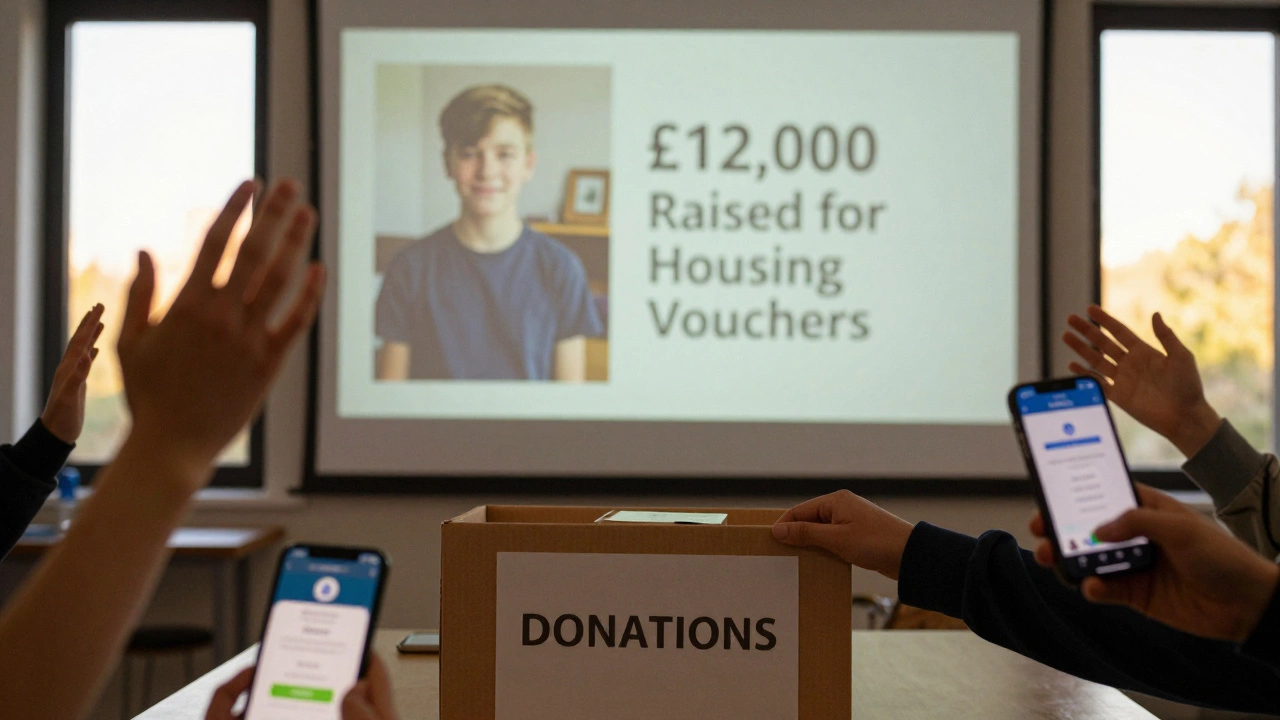
Last year, a small nonprofit in Edinburgh threw their first charity ball. They targeted £30,000. They got 220 guests. Ticket price: £150. They secured sponsorships from four local businesses that covered food and music. A local artist donated a painting auctioned for £8,000. A paddle raise brought in £12,000. They raised £61,000. Why? They focused on one clear goal: funding 100 emergency housing vouchers for young people leaving care. They showed photos of the kids. They let one of them speak. And they followed up with a video showing those vouchers being used. They’re planning their second ball for next year.Final thought
A charity ball isn’t about glamour. It’s about connection. It’s about turning strangers into supporters because they saw, heard, and felt something real. If you keep that at the center, the money will follow. Start small. Be honest. Be specific. And remember: one evening, well-run, can change dozens of lives.How much does it cost to throw a charity ball?
Costs vary widely, but most nonprofit charity balls spend between £15,000 and £40,000 to host 200-300 guests. Major expenses include venue, catering, entertainment, and marketing. The key is to offset costs with sponsors and in-kind donations-many venues offer discounts, and local businesses often donate food, decor, or services. Your net profit depends on ticket sales and fundraising activities like auctions and paddle raises.
What’s the best time of year to hold a charity ball?
Late autumn to early spring works best-October through March. People are more likely to attend formal events during the holiday season and before summer vacations. Avoid July and August, when many are away. In Scotland, November and February are popular because they fall between major holidays and before the weather turns too wet. Booking early gives you better venue options and more time to build buzz.
Can I throw a charity ball without a big budget?
Yes, but you need creativity. Host the event in a community center, library, or church hall instead of a luxury venue. Ask local musicians to perform for free. Serve a simple three-course meal instead of a full banquet. Use digital invitations instead of printed ones. Focus on one strong fundraising activity-like a silent auction with donated items from local shops. Even a £5,000 net profit can make a real difference if your cause is clear and your message is heartfelt.
How do I get people to donate more than the ticket price?
Two things work: emotion and opportunity. Show real stories-before-and-after moments of people helped by your charity. Then, give them a clear, easy way to give more. A paddle raise during dinner is powerful: "Raise your paddle if you believe every child deserves a safe place to sleep." Have volunteers walk the room with collection bins. Also, offer tiered giving levels: £100 = name on a wall, £500 = dinner with the director, £1,000 = a named scholarship. People give more when they feel recognized.
Do I need a license to host a charity ball?
In Scotland, you need a license if you’re selling alcohol, hosting live music, or running a lottery or raffle. Check with your local council-most have a simple online form for charity events. If you’re just serving wine with dinner and not gambling, you likely don’t need one. Always confirm ahead of time. It’s easier to get approval early than to shut down your event last minute.