
Charity Event Profitability Calculator
Revenue Sources (£)
Expenses (£)
Estimated Net Profit
Running a charity event that actually makes money feels like walking a tightrope. On one side, you have the mission-the people or cause you are trying to help. On the other, you have the hard reality of budgets, venue costs, and the need for a surplus at the end of the night. If you get it wrong, you might break even. If you get it right, you fund your operations for months.
The secret isn't magic; it's math mixed with psychology. You need to treat your charity event like a small business where the profit goes to a good cause. This means every decision, from the ticket price to the menu, must be calculated to maximize net income while keeping donors happy.
Start With the Math, Not the Menu
Most organizers make the mistake of picking a theme first-a gala dinner, a fun run, or an auction-and then figuring out the costs later. Flip that script. Start with your financial goal. If you need £10,000 to keep your community center running through winter, work backward from there.
You need to understand two key metrics immediately: Gross Revenue and Net Profit. Gross revenue is all the money coming in. Net profit is what remains after you pay for everything. In the charity world, we call this "net proceeds." Your goal is to maximize the gap between the two.
Create a simple spreadsheet before you book anything. List every potential expense:
- Venue hire (or insurance if using a free space)
- Catering per head
- Marketing and printing
- Entertainment or speakers
- Payment processing fees (usually around 1.5% to 3%)
If your projected expenses eat up more than 40% of your expected income, rethink the format. High-cost events like black-tie galas often have thin margins because food and drink costs are high. Lower-cost events like trivia nights or raffles can sometimes yield higher percentages because the overhead is minimal.
Pick a Format That Scales
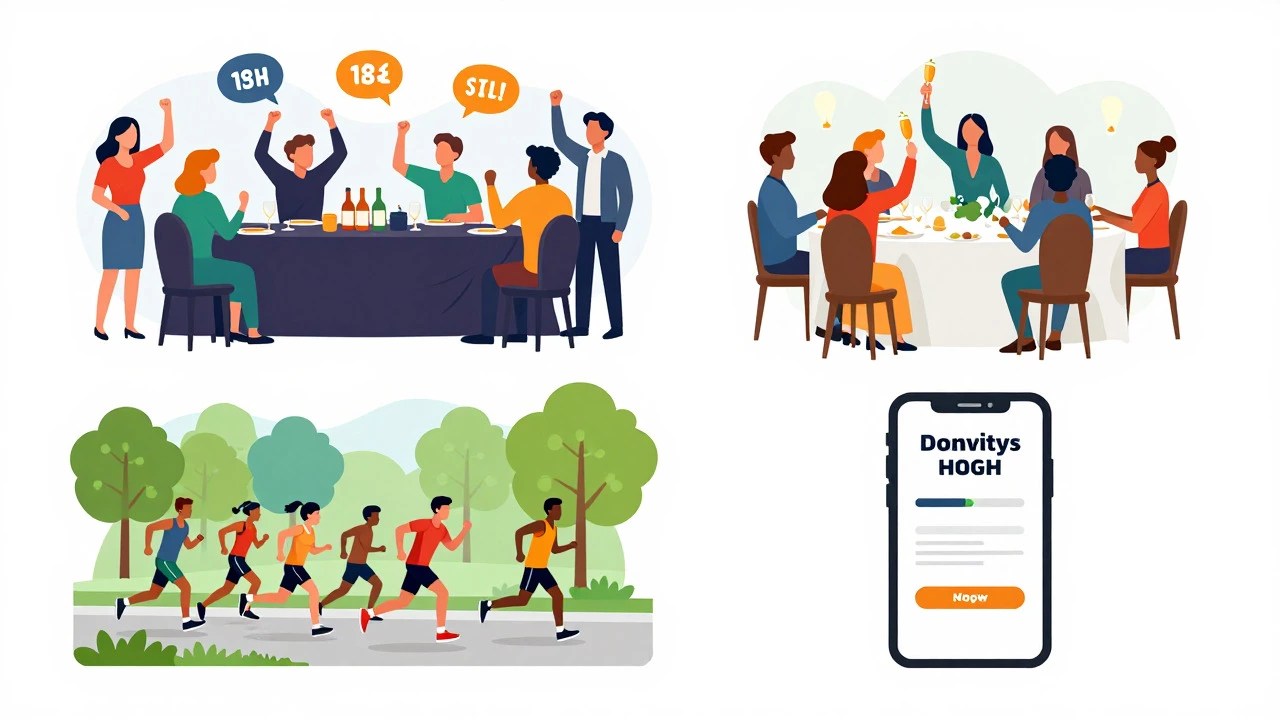
Not all events are created equal when it comes to profitability. Some formats rely on volume, while others rely on high-value donations. You need to choose based on your audience.
| Event Type | Cost Level | Revenue Source | Best For |
|---|---|---|---|
| Gala Dinner | High | Tickets, Sponsorships, Silent Auction | Major donors, corporate partners |
| Fun Run/Walk | Medium | Entry fees, individual pledges | Community engagement, large groups |
| Trivia Night | Low | Team entry fees, bar sales | Local supporters, casual donors |
| Online Auction | Very Low | Bidding premiums, donation add-ons | Remote supporters, low overhead |
If you are new to fundraising, start small. A Trivia Night in a local pub requires almost no upfront cash. You sell team tickets for £10 each, and the pub keeps the bar takings. If you get 20 teams of four, that’s £800 pure profit minus minimal marketing costs. It builds confidence and tests your ability to sell.
For larger goals, a Gala Dinner works but demands precision. The money doesn’t come from the ticket price alone; it comes from the Silent Auction and sponsorships. Tickets cover the cost of the meal. The auction generates the profit.
Secure Sponsorships Before You Spend a Penny
This is the single biggest lever for making money at a charity event. Sponsorships allow you to offset costs without touching your donor funds. Instead of paying £500 for printing, find a local business to sponsor the program books. Their logo gets prominent placement, and your cost drops to zero.
Create three tiers of sponsorship: Gold, Silver, and Bronze. Assign clear benefits to each. Gold might include a speaking slot and a table for ten. Silver could be a logo on the banner. Bronze is a listing in the newsletter. Approach businesses that align with your mission. A health charity should approach gyms and pharmacies, not car dealerships.
When pitching sponsors, speak their language. Don’t just ask for money. Offer them access to your audience. If you expect 200 attendees, tell the sponsor they will have direct contact with 200 potential customers who care about your cause. That is marketing value, not just charity.
Master the Art of the Ask
People rarely give their maximum amount unless you ask them specifically. During your event, you need structured moments for giving. This applies whether you are holding a live auction or passing around a collection plate.
Use the "bid sheet" strategy. When someone wins an auction item, hand them a bid sheet with suggested donation amounts above the winning bid. If they paid £100 for a weekend away, suggest adding £50, £100, or £200 to support the cause. Many donors will add a significant sum because it feels like a natural extension of their purchase.
For live events, consider a "Paddle Raise." This is a technique where the host asks everyone to raise their paddles at specific price points. "Who will give £50? Thank you. Who will double that to £100?" It creates social proof. People want to match or beat those around them. It turns giving into a friendly competition.
Leverage Digital Tools for Reach
In 2026, relying solely on physical presence is limiting. Use digital platforms to extend your reach and capture donations from people who cannot attend. Platforms like JustGiving or GoFundMe allow you to create a dedicated page for your event.
Encourage participants to set up personal fundraising pages. If you are hosting a fun run, ask runners to collect pledges from friends and family. Provide them with pre-written email templates and social media posts to make it easy. This multiplies your reach exponentially. One runner might bring in five donors from their network.
Also, consider hybrid events. Stream your gala speech online. Allow remote viewers to donate via a QR code displayed on screen. This captures impulse donations from a wider audience without increasing your physical venue costs.

Keep Costs Under Control
Profit leaks happen in the details. Watch out for hidden costs that can drain your budget. Payment processing fees are a common culprit. If you accept credit cards, factor in the 1.5% to 3% fee charged by providers like Stripe or PayPal. Encourage bank transfers or cash where possible to save these margins.
Negotiate hard with vendors. Tell them it is a charity event. Many venues and caterers offer discounted rates or even pro-bono services for nonprofits. It takes persistence, but the savings add up. If a hotel charges £50 per head for breakfast, ask if they can do £35 for a guaranteed minimum of 50 guests.
Volunteer labor is another cost saver. Recruit volunteers for setup, registration, and cleanup. Train them well so they feel valued, but avoid paying wages unless legally required. This keeps your operational costs low.
Follow Up to Build Long-Term Value
The event ends, but the money-making doesn’t stop there. The real value lies in the relationships you build. Send thank-you notes within 48 hours. Include a specific impact statement. "Your £50 donation provided hot meals for 20 families." This connects the money to the mission, making donors more likely to give again.
Analyze your data. Which channels brought in the most donors? Which sponsors renewed? Use this information to refine your next event. Continuous improvement leads to higher returns over time.
How much does it cost to organize a charity event?
The cost varies widely depending on the format. A small trivia night might cost under £100 for marketing materials. A large gala dinner can cost several thousand pounds for venue, catering, and entertainment. The key is to secure sponsorships to offset these costs, aiming to keep expenses below 40% of total revenue.
What is the most profitable type of charity event?
Events with low overhead and high participation tend to be most profitable. Trivia nights, raffles, and online auctions often yield higher net profit margins because they require minimal spending on food and venue. Galas can generate large sums but have higher costs.
How do I get sponsors for my charity event?
Approach local businesses that align with your mission. Create clear sponsorship packages with tangible benefits like logo placement and speaking opportunities. Emphasize the marketing value for their brand rather than just asking for a donation. Follow up persistently but professionally.
Can I use crowdfunding for a charity event?
Yes, crowdfunding platforms like GoFundMe or JustGiving are excellent tools. They allow you to collect donations before and during the event from people who cannot attend physically. Encourage participants to create personal fundraising pages to expand your reach.
What are common mistakes when planning a fundraising event?
Common mistakes include underestimating costs, failing to secure sponsorships early, choosing a high-cost format without a clear revenue plan, and neglecting follow-up with donors. Always calculate net profit potential before committing to a venue or theme.