
Community Outreach Plan Builder
Plan Details
Fill out the form to generate your community outreach plan summary.
Imagine you have the perfect idea to help your neighborhood. Maybe it’s a weekend food bank, a youth coding club, or a campaign to clean up local parks. You’re ready to roll up your sleeves. But then you hit a wall. No one knows about it. No volunteers show up. The funding falls through. Why? Because good intentions aren’t enough. You need a roadmap.
A community outreach plan is a structured strategy that defines how an organization will connect with, engage, and serve its target audience to achieve specific social goals. It is the bridge between your mission and the people who need it. Without it, you are shouting into the void. With it, you build trust, gather resources, and create lasting change. This guide breaks down exactly how to write one that works, without the corporate jargon.
Define Your Core Mission and Goals
Before you draft a single paragraph, you need to know why you exist. Vague goals lead to vague results. If your goal is “to help people,” you can’t measure success. Are you helping them find jobs? Reduce loneliness? Improve health outcomes? Be specific.
Start by writing down your primary objective. Use the SMART framework-Specific, Measurable, Achievable, Relevant, and Time-bound. For example, instead of saying “increase awareness,” try “reach 500 local residents with information about mental health services by December 2026.” This clarity helps every team member understand what they are working toward. It also makes it easier to ask for support later. People fund clear outcomes, not fuzzy concepts.
Ask yourself: What problem are we solving? Who does this problem affect most? What does success look like in six months? One year? These questions form the backbone of your plan. Keep them visible. Refer back to them when you feel lost.
Identify and Map Your Stakeholders
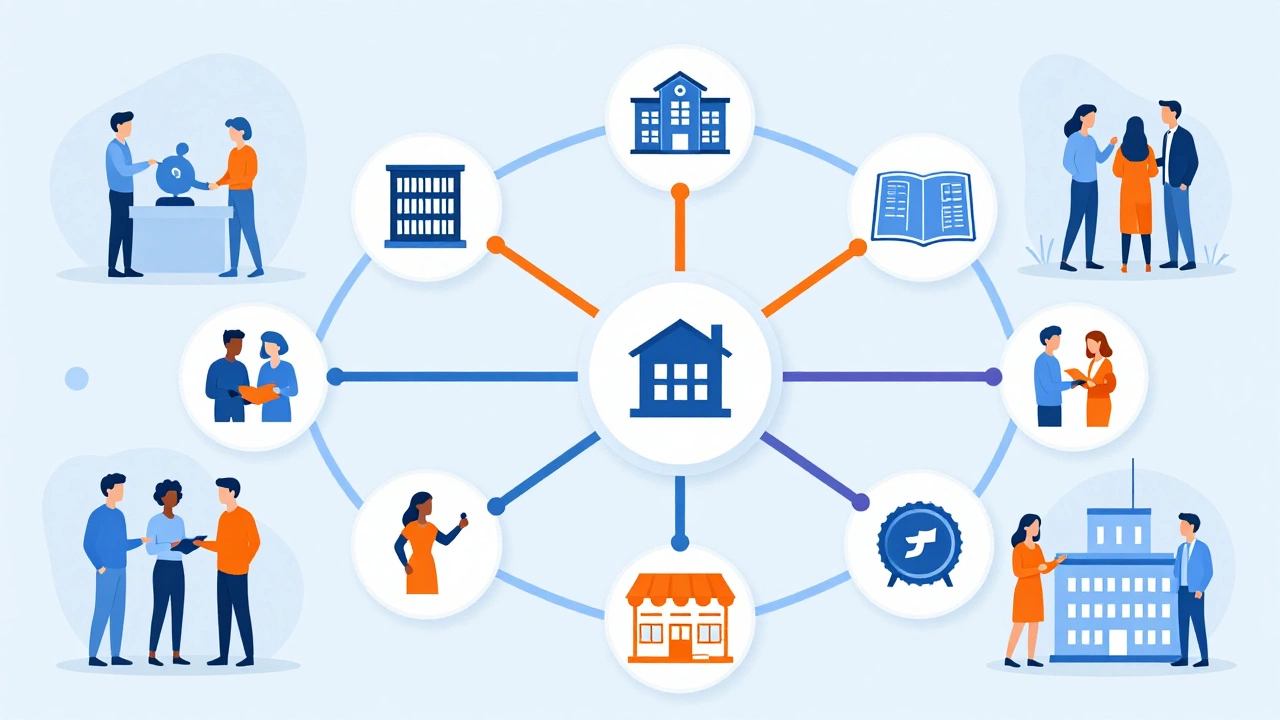
You cannot reach everyone at once. Trying to do so spreads your resources too thin. Instead, identify who matters most to your project. These are your stakeholders. They include the people you aim to help (beneficiaries), those who can support you (partners), and those who might oppose you (critics).
Create a simple map. List groups such as local schools, faith organizations, small business owners, or city council members. For each group, answer three questions:
- What do they care about?
- How can they help us?
- What barriers prevent them from engaging?
For instance, if you are running a literacy program for adults, local libraries might be natural partners because they already host educational events. However, they might lack staff time. Knowing this upfront allows you to propose solutions, like providing volunteer coordinators, rather than just asking for space. Understanding these dynamics saves months of frustration.
Choose Your Communication Channels
Once you know who you are talking to, you need to decide where to talk to them. Different demographics consume information differently. Older adults might prefer flyers in community centers or phone calls. Younger audiences might respond better to Instagram stories or TikTok videos. Don’t assume one size fits all.
Consider a mix of digital and physical channels. Social media is powerful for reach, but face-to-face interactions build deeper trust. Attend local meetings. Sponsor little league games. Partner with neighborhood associations. In Edinburgh, for example, leveraging local Facebook groups and community noticeboards has proven more effective for grassroots initiatives than expensive ad campaigns.
Also, think about language and accessibility. Is your content available in multiple languages? Are your websites screen-reader friendly? Are your events wheelchair accessible? Inclusivity isn’t just a nice-to-have; it’s essential for genuine outreach. If people can’t access your message, your plan fails before it starts.
Develop Engaging Content and Activities
Now that you have your channels, what will you say? Your content should focus on value, not just promotion. People don’t want to hear about your organization’s history. They want to know how you can help them right now.
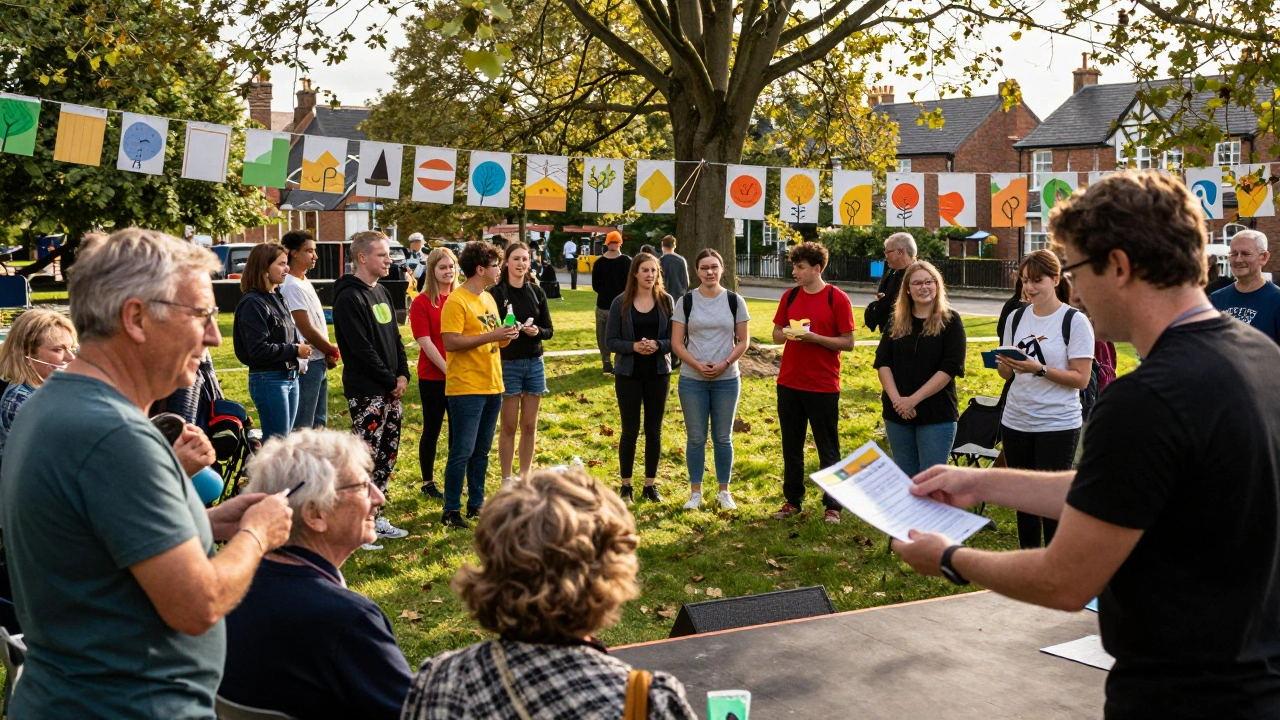
Use storytelling. Share real examples of lives changed by your work. A photo of a student graduating after using your tutoring service speaks louder than statistics. Create interactive activities. Host workshops, Q&A sessions, or open houses. Let people experience your impact firsthand.
Consistency matters. Post regularly. Respond to comments quickly. Show up even when no one is watching. Over time, this builds credibility. Remember, outreach is a conversation, not a broadcast. Listen as much as you speak. Ask for feedback. Adjust based on what you hear.
Set a Realistic Budget and Timeline
Dreams cost money. Even free events require some investment-printing materials, renting equipment, or paying for software tools. Create a detailed budget. Include line items for marketing, personnel, venue costs, and contingency funds. Unexpected expenses always arise.
Next, build a timeline. Break your plan into phases. Month one: research and partner outreach. Month two: content creation and pilot testing. Month three: full launch and evaluation. Assign deadlines to each task. Use project management tools like Trello or Asana to keep track. Regular check-ins ensure everyone stays on course.
Be realistic. If you have limited funds, start small. Pilot your program in one neighborhood before expanding. Success on a small scale is better than failure on a large one. You can always grow later.
Measure Impact and Adapt
How do you know if your plan worked? You need metrics. Define key performance indicators (KPIs) early on. These might include number of attendees, social media engagement rates, surveys completed, or funds raised. Track these numbers weekly.
But don’t just count heads. Measure depth. Did participants feel heard? Did their situation improve? Conduct post-event surveys. Hold focus groups. Qualitative data provides context that numbers miss. If attendance was high but satisfaction was low, something needs fixing.
Review your results quarterly. What worked? What didn’t? Why? Use these insights to refine your strategy. Flexibility is crucial. The community changes. New challenges emerge. Your plan must evolve with them. Sticking rigidly to an outdated plan leads to irrelevance.
| Component | Purpose | Example Action |
|---|---|---|
| Mission Statement | Clarifies purpose | “Reduce youth unemployment by 10% in Leith by 2027” |
| Stakeholder Map | Identifies partners | List local businesses willing to offer internships |
| Communication Channels | Reaches audience | Weekly newsletter + monthly town hall meeting |
| Budget | Allocates resources | £500 for printing flyers, £200 for event snacks |
| Evaluation Metrics | Measures success | Number of job applications submitted |
Common Pitfalls to Avoid
Even well-intentioned plans fail due to common mistakes. Avoid these traps:
- Ignoring existing efforts: Check if other groups are doing similar work. Collaborate instead of competing. Duplicate efforts waste resources and confuse the community.
- Overpromising: Don’t promise results you can’t deliver. Underpromise and overdeliver. Trust is hard to gain and easy to lose.
- Lack of diversity: Ensure your team reflects the community you serve. Homogeneous teams miss blind spots. Diverse perspectives lead to better solutions.
- No feedback loop: If you don’t listen to the community, you’re not doing outreach. You’re doing PR. True engagement requires two-way communication.
Stay humble. Acknowledge mistakes. Apologize when wrong. Communities appreciate authenticity more than perfection.
How long should a community outreach plan be?
There is no fixed length. A solid plan ranges from 5 to 15 pages. Focus on clarity over volume. Include only essential details: goals, strategies, timelines, budgets, and evaluation methods. Appendices can hold supporting data.
Who should write the community outreach plan?
Ideally, a collaborative effort. Involve staff, volunteers, and community representatives. Their input ensures the plan reflects real needs, not just organizational assumptions. Assign one person to coordinate and edit for consistency.
Can I use a template for my outreach plan?
Yes, templates provide structure. Look for frameworks from reputable NGOs or government bodies. Customize heavily. Generic plans often miss local nuances. Adapt sections to fit your specific context and goals.
How often should I update my outreach plan?
Annually at minimum. Review quarterly. Update whenever major changes occur: new leadership, shifted priorities, or unexpected events like economic downturns. Living documents stay relevant.
What if I have zero budget for outreach?
Focus on organic growth. Leverage word-of-mouth. Partner with established groups for shared visibility. Use free social media platforms. Volunteer time is valuable. Start small, prove impact, then seek funding.