Environmental Well-Being Scorecard
According to Environmental Psychology, your surroundings are an active participant in your daily life. This tool helps you evaluate five key areas of your immediate environment to estimate their impact on your stress levels and overall well-being. Adjust the sliders to reflect your current situation.
Environment Impact
Recommended Actions
You wake up, check your phone, maybe step outside for a coffee. Have you ever stopped to think about how the layout of your street, the color of your walls, or the presence of a nearby park actually changes who you are? It sounds like something out of a sci-fi movie, but it’s real life. Environmental Psychology is the field that studies this exact phenomenon. It looks at the interplay between individuals and their surroundings, revealing that our environment isn’t just a backdrop; it’s an active participant in our daily lives.
The Invisible Hand of Architecture
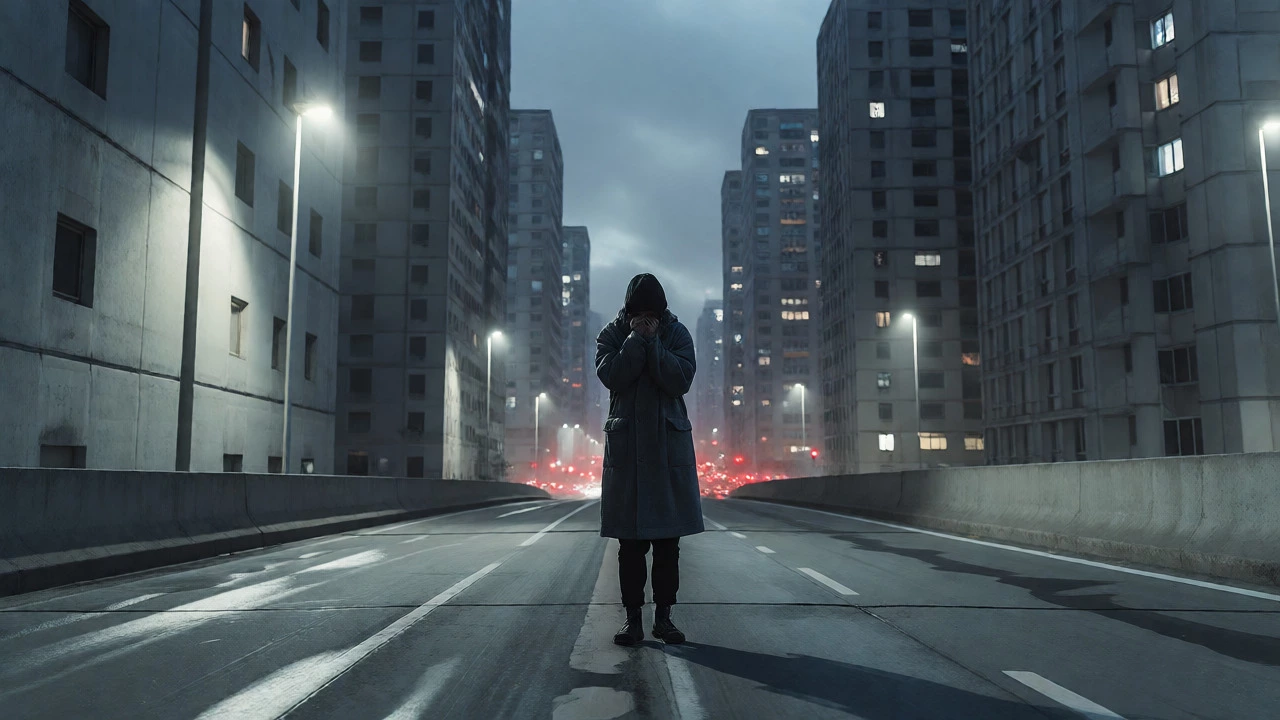
Think about the last time you felt stressed. Was it because of a work deadline, or was it because you were stuck in traffic on a grey, concrete highway with no trees in sight? Research suggests that built environments have a profound impact on our cortisol levels-the body’s primary stress hormone. A study published in the Proceedings of the National Academy of Sciences found that walking through natural settings reduced rumination (repetitive negative thinking) and neural activity in the subgenual prefrontal cortex, a brain region associated with mental illness.
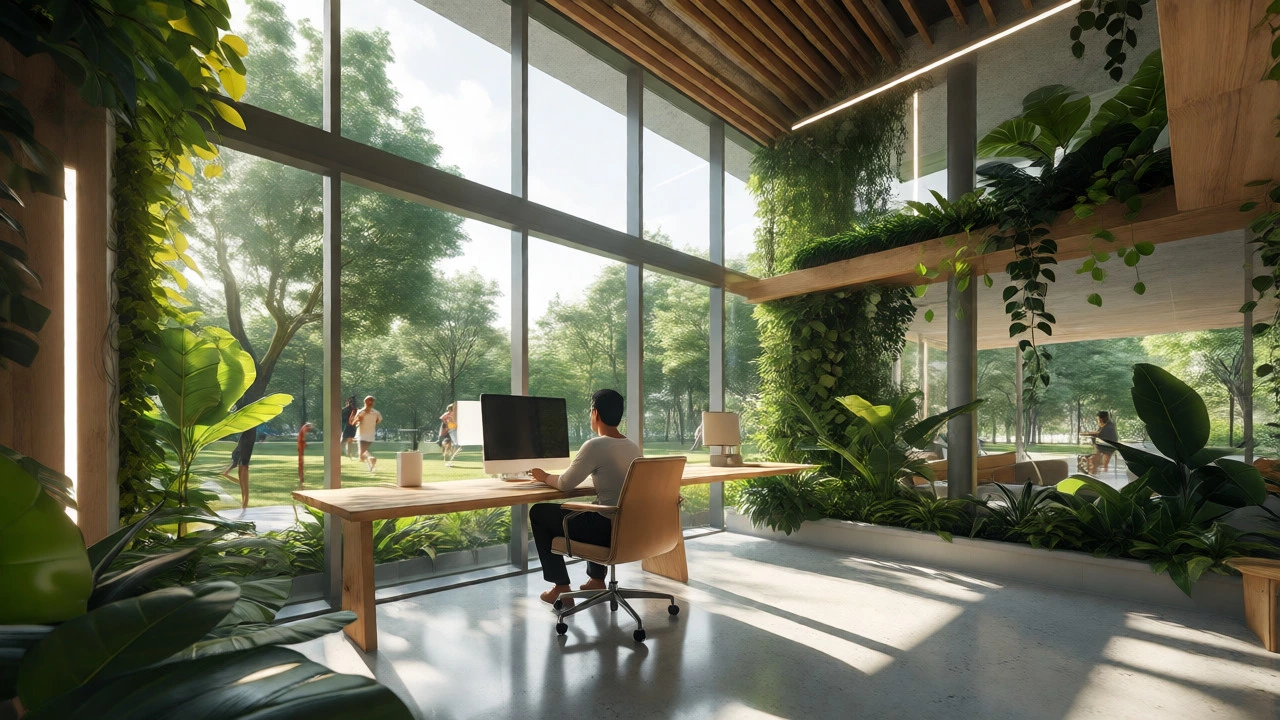
This isn’t just about "feeling nice." It’s biological. When you live in an area with poor lighting, cramped spaces, or high noise pollution, your nervous system stays in a state of low-level fight-or-flight. Conversely, open spaces with good airflow and natural light signal safety to your brain. This concept, often called Biophilic Design, argues that humans have an innate tendency to seek connections with nature. When we deny ourselves that connection by living in sterile, artificial boxes, we pay a price in anxiety and fatigue.
Social Influence and Community Dynamics
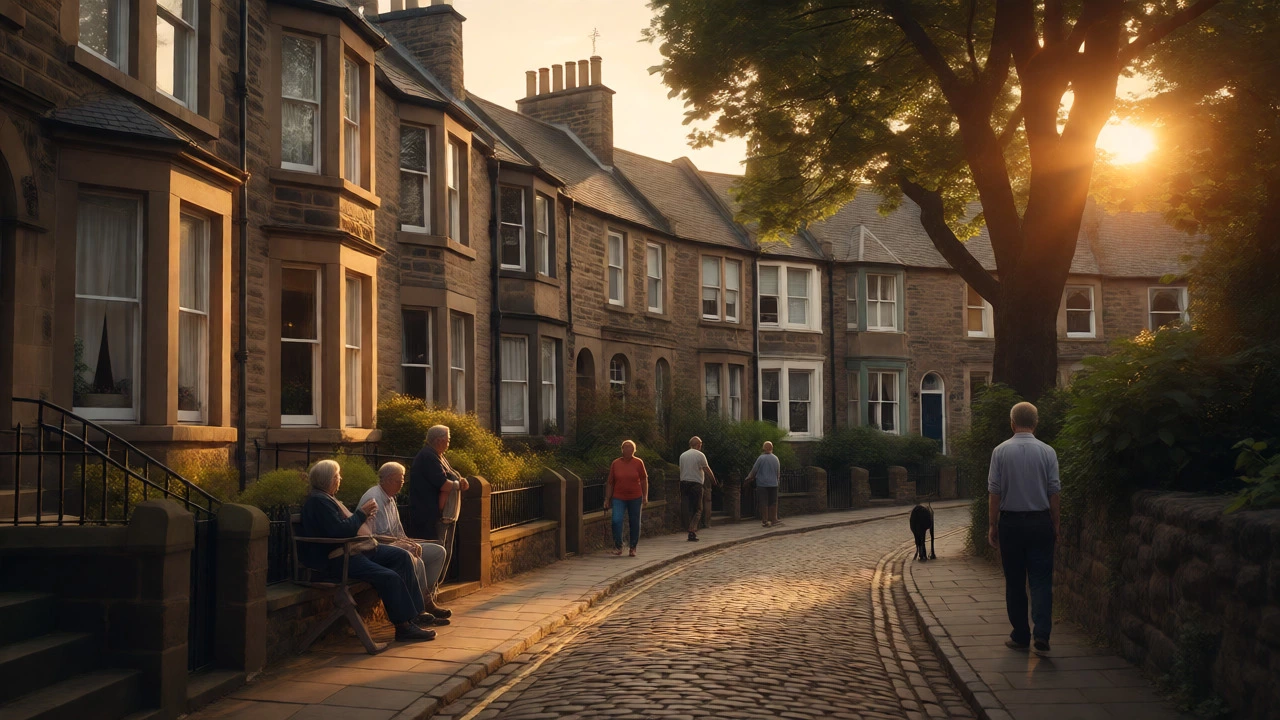
Your physical space also dictates your social interactions. Consider the difference between a cul-de-sac and a busy main road. In residential areas designed for pedestrians-like those common in older Edinburgh neighborhoods-people talk more. They know their neighbors’ names. They watch out for each other’s kids. This is what sociologists call Social Capital. High social capital correlates with lower crime rates, better health outcomes, and higher happiness levels.
But it works both ways. If you live in a high-rise apartment block where corridors are long, dimly lit, and rarely used, you might never speak to the person next door. Isolation becomes the norm. The design of public spaces matters too. Benches placed in circles encourage conversation, while benches facing away from each other encourage solitude. If you want to build a stronger community, you don’t necessarily need new laws; you might just need better benches.
The Impact of Green Spaces
We all know parks are nice, but do they actually change us? Yes. Access to Green Infrastructure-parks, gardens, tree-lined streets-is linked to lower rates of depression and cardiovascular disease. But it’s not just about having a park nearby. It’s about accessibility and quality. A well-maintained park with safe paths invites jogging, dog walking, and family picnics. An overgrown, poorly lit park might be avoided entirely, especially by women and elderly residents.
Here’s a quick look at how different environmental factors affect human behavior:
| Environmental Factor | Psychological Effect | Behavioral Outcome |
|---|---|---|
| Natural Light | Regulates circadian rhythm | Better sleep, improved mood |
| Noise Pollution | Increases stress hormones | Irritability, reduced concentration |
| Walkable Streets | Promotes autonomy and freedom | Higher physical activity, social interaction |
| Crowded Spaces | Triggers territorial defense | Avoidance behavior, aggression |
Color and Sensory Perception
Have you noticed how fast-food restaurants use red and yellow? These colors stimulate appetite and urgency. Hospitals often use blue and green to promote calmness. This isn’t accidental marketing; it’s rooted in Color Psychology. While individual preferences vary, cultural associations and biological responses play a huge role. Red raises heart rates slightly; blue lowers them. In workplaces, using warm tones can boost creativity, while cool tones enhance focus.
Beyond color, consider air quality. Poor indoor air quality, caused by volatile organic compounds (VOCs) from paints and furniture, can lead to "Sick Building Syndrome," characterized by headaches, dizziness, and nausea. You might blame your job for your fatigue, but it could be the ventilation system in your office. Simple changes, like adding plants or improving airflow, can drastically improve cognitive performance.
Taking Control of Your Environment
So, what can you do if you’re stuck in a less-than-ideal setting? You can’t always move house, but you can tweak your immediate surroundings. Start small. Decluttering reduces visual noise, which frees up mental bandwidth. Adding a desk lamp with adjustable warmth can mimic sunset, helping you wind down after work. If you work from home, try to create distinct zones for work and relaxation. This helps your brain switch contexts more effectively.
On a larger scale, advocate for changes in your community. Attend local council meetings. Push for more trees, better lighting, and safer crosswalks. Urban planning decisions made today will shape the mental health of generations tomorrow. By understanding how your surroundings affect you, you stop being a passive victim of your environment and start becoming an active architect of your own well-being.
Frequently Asked Questions
Does living in a city really make people happier?
Not necessarily. While cities offer convenience and opportunities, they also bring noise, crowding, and lack of nature. Studies show that access to green spaces within cities significantly mitigates these negative effects, making happy urban living possible but dependent on design.
How does noise pollution affect mental health?
Chronic exposure to noise pollution elevates cortisol levels, leading to increased stress, anxiety, and sleep disturbances. It can also impair cognitive function in children and increase the risk of cardiovascular disease in adults.
Can interior design really change my mood?
Yes. Elements like lighting, color, clutter, and layout influence psychological states. For example, natural light boosts serotonin, while clutter increases cognitive load and stress. Small changes can yield noticeable improvements in mood and productivity.
What is biophilic design?
Biophilic design is an approach to architecture and interior design that seeks to connect building occupants more closely to nature. It includes features like natural materials, daylighting, views of nature, and indoor plants to reduce stress and enhance creativity.
How does walkability impact community health?
Walkable neighborhoods encourage physical activity, reduce car dependency, and foster social interactions among residents. This leads to lower rates of obesity, hypertension, and loneliness, contributing to overall community resilience and well-being.