
Rapid Rehousing Eligibility & Timeline Estimator
This tool estimates your likely priority status within the Continuum of Care (CoC) system and provides a general timeline for financial assistance. Results are indicative only; actual eligibility is determined by local CoC agencies via VI-SPDAT assessment.
Estimated Priority Level
Potential Assistance Duration
- Call 2-1-1 to find your local Continuum of Care agency.
- Prepare for a VI-SPDAT assessment interview.
- Bring any available ID documents, though lack of docs shouldn't prevent intake.
You might think getting off the streets means waiting months or years for a permanent apartment. In reality, many people in the United States are moved into stable housing within 30 days of becoming homeless. This speed isn't magic; it's the result of Rapid Rehousing a homelessness intervention strategy that provides short-term rental assistance and services to help individuals and families quickly return to permanent housing. If you're facing eviction or living in your car, understanding this model could change how you navigate the system.
The Core Philosophy Behind Rapid Rehousing
Traditional shelters often keep people in limbo. You sleep there, eat there, and wait for a slot in subsidized housing that might never open up. Rapid rehousing flips this script. It operates on the belief that housing is a human right, not a reward for solving personal problems first. The goal is simple: get someone housed as fast as possible, then provide support while they live in their own place.
This approach emerged from data showing that long stays in shelters actually make homelessness harder to exit. When you spend six months in a crowded dormitory, you lose touch with employers, miss job interviews, and suffer mental health declines. By contrast, rapid rehousing uses Housing First principles, which prioritize immediate access to independent housing without preconditions like sobriety or employment status. Once you have keys in hand, caseworkers help you tackle other issues-like debt or addiction-at your own pace.
How the Financial Assistance Actually Works
Money is usually the biggest barrier. Most people become homeless because they can't afford rent, not because they refuse to pay it. Rapid rehousing programs address this gap directly through three main financial components:
- Move-in Costs: This covers security deposits, application fees, and utility setup charges. These one-time costs often block people from signing a lease even if they have income.
- Short-Term Rental Assistance: The program pays part or all of the rent for a limited period, typically 6 to 24 months. This gives you time to stabilize your finances.
- Case Management Services: While not cash, these services include help with budgeting, tenant rights education, and connecting to local resources.
It’s crucial to understand that this isn’t a permanent subsidy like Section 8 vouchers. The aim is transition. For example, a single mother working two jobs might receive full rent coverage for three months, then partial coverage for another nine. By month twelve, she should be paying the full amount herself. If she hasn’t reached that point by the end of the assistance period, the case manager works with her to extend support or find alternative solutions before she returns to shelter.
Who Qualifies for Rapid Rehousing?
Eligibility varies by city and funding source, but federal guidelines from the U.S. Department of Housing and Urban Development (HUD) set broad standards. Generally, you must meet the definition of "literally homeless." This means lacking a fixed, regular, and adequate nighttime residence. Sleeping in a car, a park, a motel paid for by charity, or staying temporarily with friends (couch surfing) counts.
However, priority often goes to specific groups under the Continuum of Care (CoC) planning framework. These priorities usually include:
- Veterans experiencing homelessness.
- Families with minor children.
- Individuals fleeing domestic violence.
- People at high risk of chronic homelessness due to age or disability.
If you’re currently in an emergency shelter, you’re already in the pipeline. Many shelters act as entry points for rapid rehousing referrals. But don’t assume you need to be in a shelter to qualify. Street outreach teams actively search for unsheltered individuals to enroll them directly into housing programs.

Comparing Rapid Rehousing to Other Models
To see why this method is gaining traction, compare it to traditional approaches. The table below highlights key differences between rapid rehousing, emergency shelters, and permanent supportive housing.
| Feature | Emergency Shelter | Rapid Rehousing | Permanent Supportive Housing |
|---|---|---|---|
| Duration | Nightly to several months | 3 to 24 months | Indefinite/Lifetime |
| Housing Type | Shared rooms, congregate settings | Private market apartments | Subsidized units, scattered-site |
| Cost to System | High per night ($50-$100+) | Moderate upfront, low ongoing | Very High (includes healthcare) |
| Target Population | All homeless individuals | Those with barriers to rent only | Chronic homelessness + disability |
| Success Metric | Safe bed provided | Stable housing after exit | Housing retention over years |
The data supports rapid rehousing’s efficiency. According to HUD reports, participants in rapid rehousing programs are significantly less likely to return to homelessness compared to those who stay in shelters. Why? Because maintaining a private lease builds routine. You cook your own meals, manage your bills, and keep your belongings secure. This autonomy fosters resilience in ways a shared shelter room cannot.
Common Misconceptions About Rapid Rehousing
Despite its success, myths persist. One common fear is that rapid rehousing is just "giving away money" without accountability. Critics argue that without strict sobriety tests or job requirements, recipients won’t succeed. Yet studies show that most participants maintain housing long-term regardless of substance use history. Stability reduces stress, which often helps people manage health conditions better than chaotic street life does.
Another misconception is that funds are unlimited. In cities like Los Angeles or New York, demand far exceeds supply. A family might apply today and wait weeks for a unit to become available. This bottleneck happens because landlords are sometimes hesitant to rent to tenants backed by temporary assistance. To combat this, many programs offer landlord incentives, such as covering potential damages beyond the security deposit, to encourage participation.
Finally, some believe rapid rehousing is only for young families. While families do benefit greatly, single adults and seniors increasingly utilize these programs. As housing costs rise across the U.S., the demographic profile of homelessness is shifting, requiring flexible responses like rapid rehousing that adapt to individual circumstances rather than rigid categories.
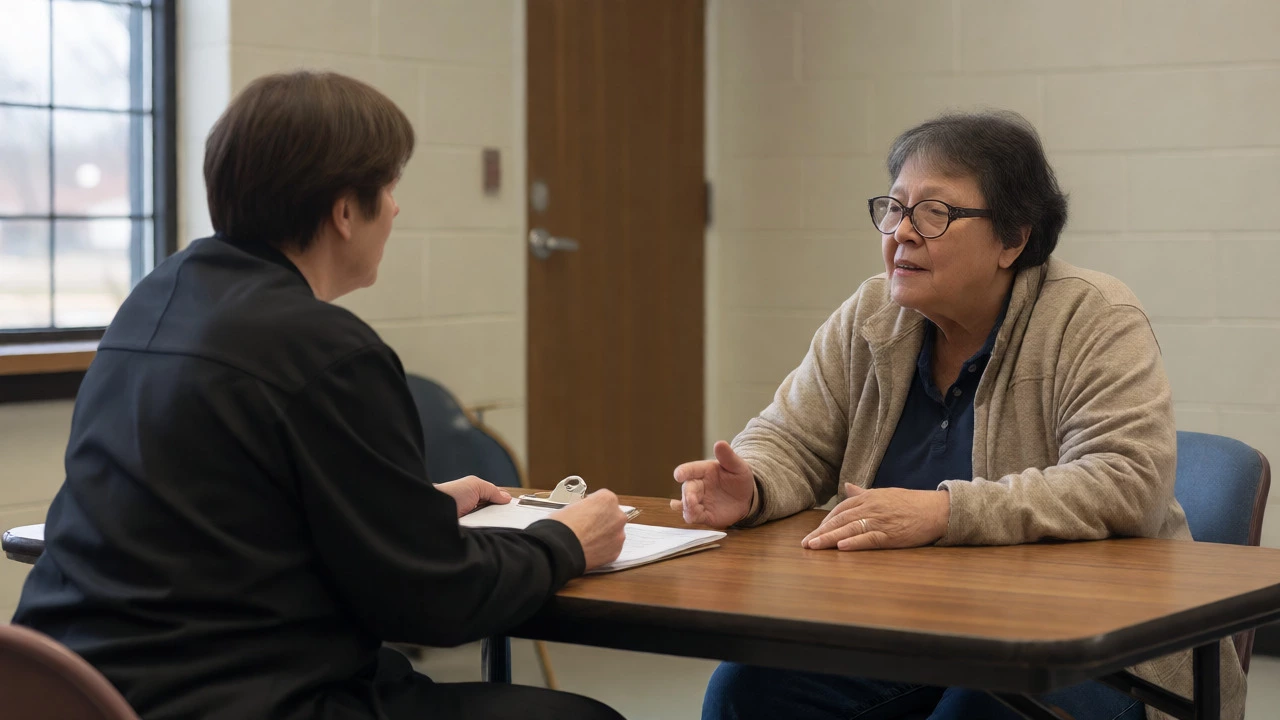
Steps to Access Rapid Rehousing Services
If you or someone you know needs help, here is how to navigate the process. It starts with contact, not paperwork.
- Call 2-1-1: This national number connects you to local community resource specialists. They can direct you to the nearest CoC agency managing rapid rehousing.
- Visit a Point of Entry: Many cities have centralized intake centers where you can register for housing assistance. Bring any ID you have, though lack of documents shouldn’t stop you from seeking help.
- Complete a VI-SPDAT: You’ll likely take a Vulnerability Index-Service Prioritization Decision Assistance Tool assessment. This questionnaire helps determine your level of need and matches you with the right service intensity.
- Work with a Case Manager: Once enrolled, your case manager will help you search for apartments. They negotiate with landlords and handle the logistics of moving you in.
Patience is required. The system is designed to be quick, but bureaucratic delays happen. Keep records of every interaction, name, and date. If you feel stuck, ask specifically about "rapid rehousing slots" rather than general shelter beds. Advocacy matters.
The Future of Housing Assistance
As we move further into the 2020s, the focus is shifting toward prevention. Instead of waiting for someone to hit the streets, new initiatives aim to intervene when rent is late. Emergency rental assistance funds, expanded during the pandemic, showed that keeping people in their current homes is cheaper than rehoming them later. Rapid rehousing remains vital for those who have already fallen, but the ultimate goal is a safety net strong enough to catch people before they drop.
For now, however, rapid rehousing stands as one of the most effective tools we have. It respects dignity, recognizes economic reality, and proves that housing solves homelessness-not the other way around.
Is rapid rehousing free?
Yes, the services and financial assistance are free to the participant. There are no fees for case management or the rental subsidies themselves. However, you are responsible for finding a landlord willing to accept the program's payment structure.
How long does rapid rehousing last?
Most programs provide assistance for 6 to 24 months. The duration depends on your specific needs and local funding availability. The goal is to taper off support gradually so you can sustain the rent independently by the end of the period.
Do I need a job to qualify?
No, having a job is not a strict requirement for eligibility, though many participants have some form of income. The primary criterion is being literally homeless. Caseworkers will help you explore employment options once you are stably housed.
What happens if I can't pay rent after the program ends?
If you struggle to pay rent after assistance ends, your case manager may extend support or refer you to permanent supportive housing if you qualify. Returning to homelessness is a risk, but ongoing follow-up services aim to prevent this outcome.
Can I choose my apartment?
Yes, rapid rehousing typically allows you to choose from private market rentals that meet fair market rent limits. You work with your case manager to find a location that suits your needs, such as proximity to work or schools.