Texas Mental Health Access Checker
Enter your details below to see how difficult it might be to find timely mental health support in your area of Texas.
Access Score (0-100)
Calculating...
Recommended Next Steps:
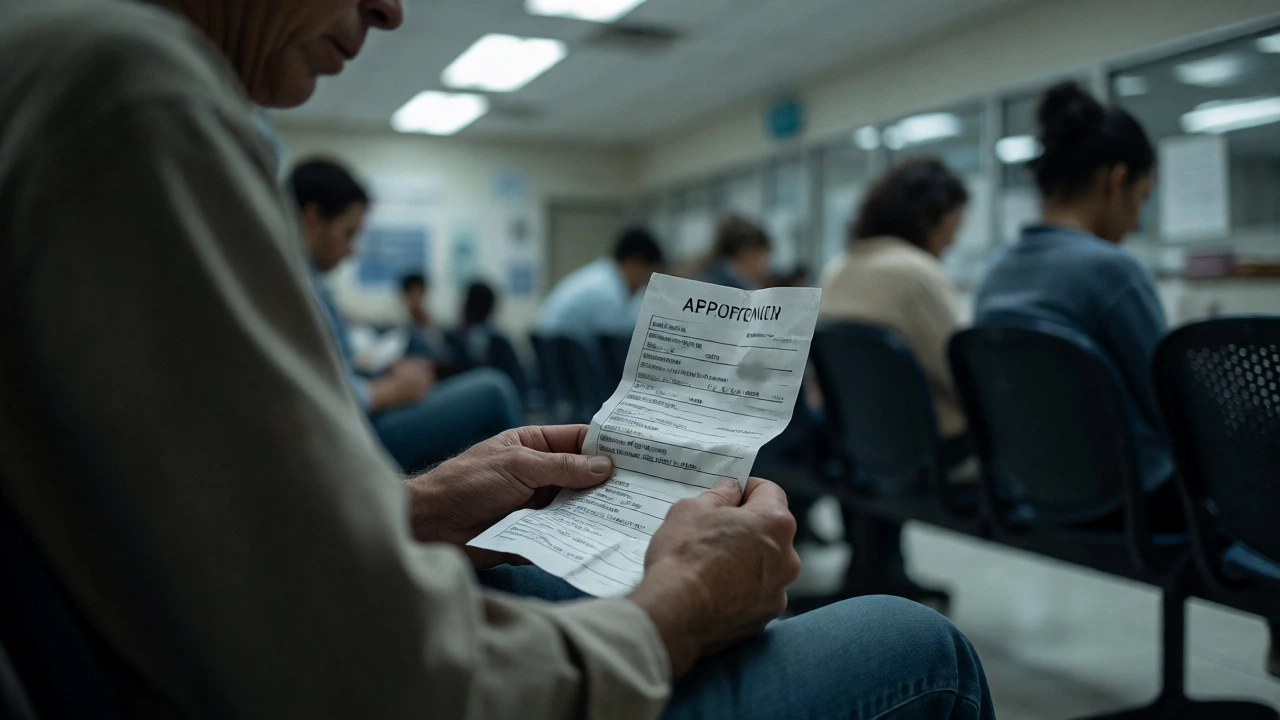
Imagine needing urgent psychiatric care in Houston or Dallas. You call a clinic. The waitlist is three months long. Your insurance doesn't cover the specialist you need. This isn't a hypothetical scenario for millions of Texans; it's their daily reality. When we ask where does Texas rank in mental health help, the answer often lands somewhere between "struggling" and "critical," depending on which metric you look at. But digging into the data reveals a state grappling with a massive gap between population growth and service capacity.
The Hard Numbers Behind the Rank
Rankings vary because different organizations measure different things. Some look at funding per capita, others at provider availability, and some at suicide rates. However, most major reports place Texas in the bottom third of US states. For instance, recent analyses by WalletHub and other public health indices consistently flag Texas for having one of the highest numbers of uninsured residents, which directly impacts mental health access. In 2024 and heading into 2025, Texas continued to resist expanding Medicaid under the Affordable Care Act. This decision leaves hundreds of thousands of low-income adults without coverage for therapy or medication management.
Here is a quick snapshot of why the rankings are so poor:
- Uninsured Rate: Texas has historically held the highest percentage of uninsured people in the nation, often exceeding 18%.
- Provider Shortage: There is a severe lack of psychiatrists and psychologists per 100,000 residents compared to coastal states like Massachusetts or Vermont.
- Suicide Rates: While not always the highest, rural counties in West Texas face disproportionately high suicide rates due to isolation and lack of clinics.
Why Funding Gaps Hurt Real People
You might wonder, "Isn't Texas a rich state?" Yes, economically speaking. But state budget allocations for behavioral health services have lagged behind inflation and population needs. Texas spends significantly less per person on mental health services than many other states. This isn't just an abstract budget line item. It means fewer community health centers. It means longer waits for crisis teams. It means families driving two hours to find a pediatric psychiatrist.
Consider the impact on children. Schools are often the first line of defense for identifying mental health issues. But with limited funding, school counselors are overloaded. A single counselor might be responsible for over 500 students. How can they provide meaningful support when they barely have time to manage attendance records? The result is that early signs of anxiety or depression go unnoticed until they become crises requiring emergency room visits, which are far more expensive and traumatic.
The Rural vs. Urban Divide
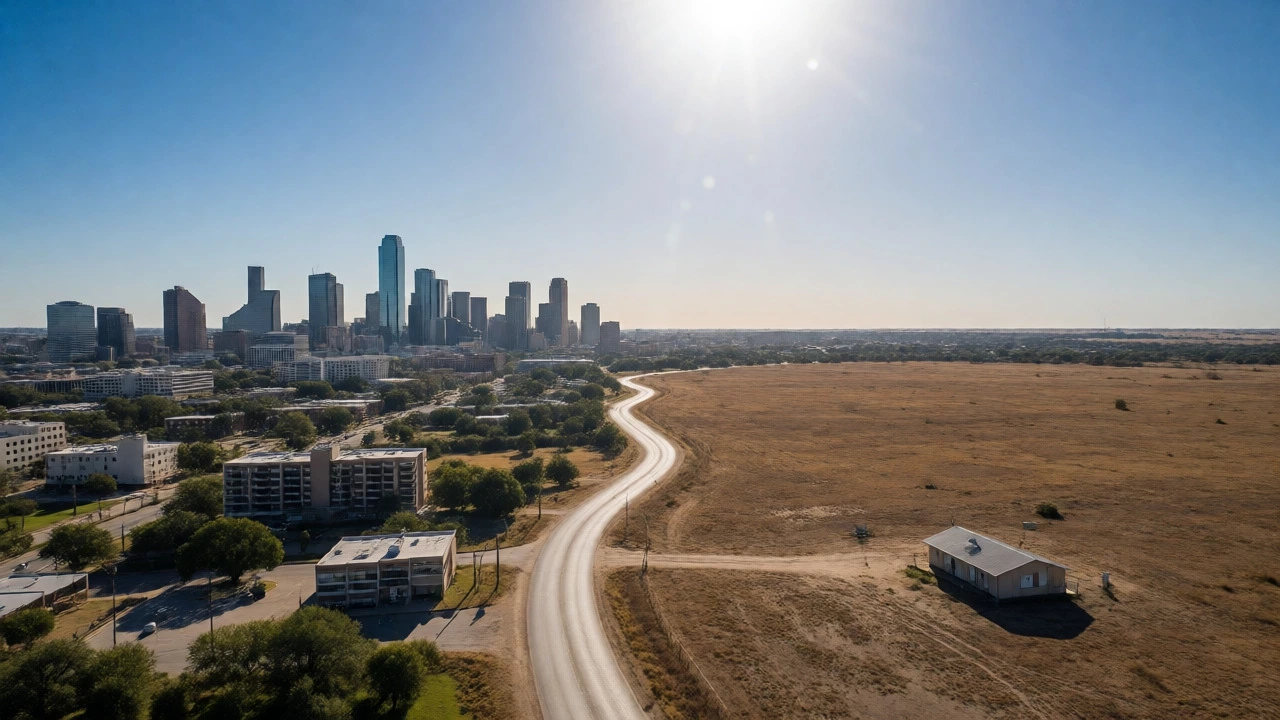
Texas is huge. What works in Austin doesn't necessarily work in El Paso. The state faces a stark urban-rural divide in mental health access. Major cities have private practices and some university-affiliated clinics. But drive 90 minutes outside of San Antonio, and options vanish. Many rural areas are classified as "mental health professional shortage areas" by federal standards.
| Factor | Urban Areas (e.g., Dallas, Houston) | Rural Areas (e.g., Panhandle, Big Bend) |
|---|---|---|
| Provider Availability | Moderate to High (private sector driven) | Very Low (fewer specialists) |
| Wait Times | 2-6 weeks for new patients | 3-6 months for new patients |
| Telehealth Usage | Common but regulated | Critical lifeline, but broadband issues persist |
| Stigma Levels | Decreasing among younger demographics | Higher traditional stigma remains prevalent |
This disparity forces rural residents to rely heavily on telehealth. While this technology helps, it isn't a perfect fix. Not everyone has reliable high-speed internet. Plus, some therapies, especially those involving physical presence or group dynamics, don't translate well to a screen. For veterans living in small towns, this barrier is particularly acute, given the higher prevalence of PTSD and related conditions in this demographic.
The Role of Charities and Community Groups
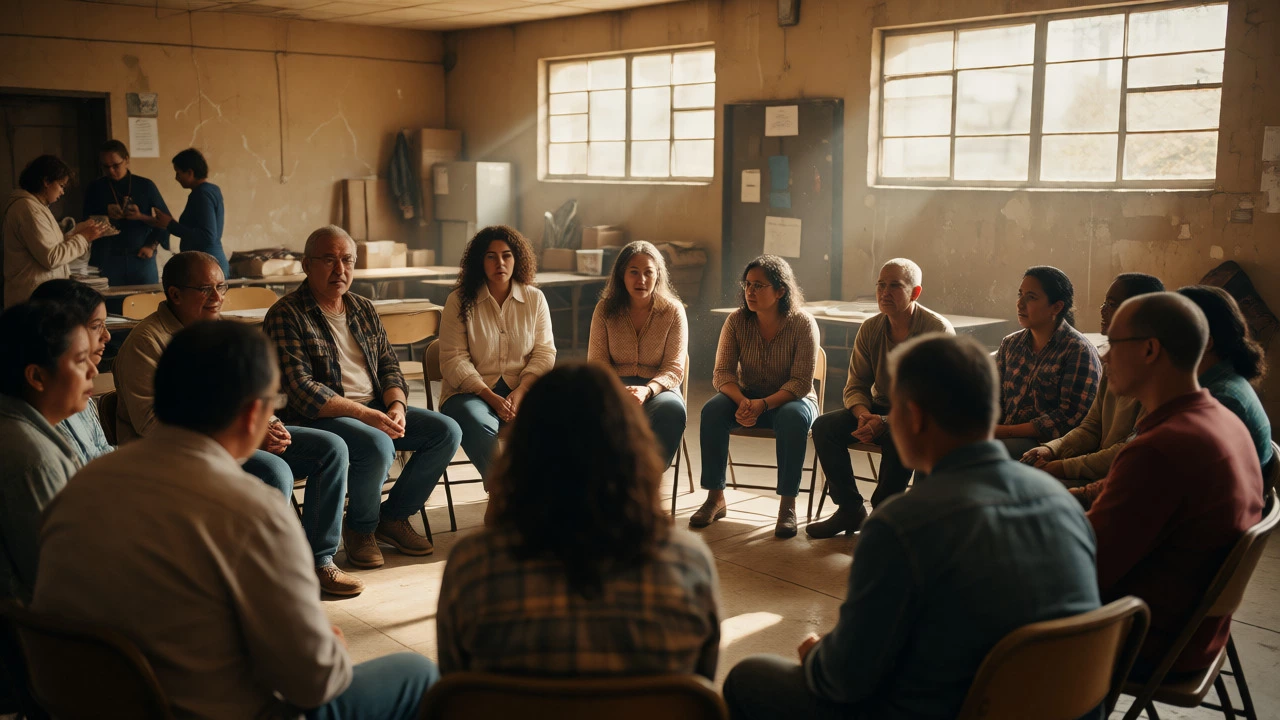
When the government steps back, charities step up. Because state funding is tight, non-profits play a disproportionate role in Texas mental health care. Organizations like NAMI Texas (National Alliance on Mental Illness) fill critical gaps by providing peer support groups, educational workshops, and advocacy. They don't just offer therapy; they teach families how to navigate a broken system.
Local food banks and homeless shelters also act as de facto mental health providers. Many individuals experiencing homelessness struggle with untreated mental illness. Without stable housing, therapy is ineffective. Charities that combine housing assistance with case management see better outcomes. These integrated models show promise, but they operate on shoestring budgets dependent on donations and grants.
If you're looking to help, consider supporting local chapters of these organizations. Your donation might fund a single session of cognitive behavioral therapy for someone who couldn't otherwise afford it. Or it might keep a crisis hotline staffed during peak hours.
How to Find Help Right Now
Knowing the rankings doesn't solve your immediate problem. If you or a loved one needs support today, here are concrete steps to take within the Texas system:
- Call 988: This is the national suicide and crisis lifeline. It routes you to local resources. In Texas, this connects you to regional call centers staffed by trained counselors.
- Check Community Behavioral Health Centers: Most counties have publicly funded centers that offer sliding-scale fees based on income. You don't need insurance to get started.
- Explore Telehealth Options: Platforms like BetterHelp or Talkspace can be useful if you have a flexible schedule and decent internet. Look for therapists licensed in Texas specifically.
- Contact Local Non-Profits: Search for "mental health support [your city]" to find free peer groups or warm lines (non-crisis emotional support calls).
Don't let the bad ranking discourage you. The system is flawed, but pockets of excellence exist. Private practitioners in larger cities often have shorter wait times if you can pay out-of-pocket or use specific insurance networks. Always ask about cancellation lists-sometimes you can get an appointment sooner if you're willing to take a last-minute slot.
What Needs to Change?
Advocates argue that expanding Medicaid would instantly improve Texas's ranking. It would bring revenue into hospitals and clinics, allowing them to hire more staff. It would reduce the number of uninsured people who delay treatment until they end up in the ER. Other solutions include loan repayment programs for psychiatrists who agree to work in rural areas. Texas already has some initiatives, but they are underfunded compared to the scale of the need.
There is also a cultural shift happening. Younger generations are more open to discussing mental health. This reduces stigma, meaning more people seek help earlier. Early intervention is cheaper and more effective than crisis management. As awareness grows, demand will increase, putting further pressure on the system to expand. The question isn't whether Texas needs more help-it clearly does-but whether political will will match the public need.
Why does Texas rank poorly in mental health care?
Texas ranks poorly primarily due to its refusal to expand Medicaid, leaving many low-income residents without insurance. Additionally, the state has a lower per-capita spending on mental health services and a significant shortage of providers, especially in rural areas.
Is there free mental health help available in Texas?
Yes, many community behavioral health centers offer services on a sliding fee scale based on income. Non-profit organizations like NAMI Texas provide free support groups and educational resources. Crisis hotlines like 988 are also free to call.
How does the rural-urban divide affect mental health access in Texas?
Rural areas in Texas suffer from a severe shortage of mental health professionals, leading to much longer wait times and travel distances for care. Urban areas have more providers but still face high costs and insurance barriers. Telehealth is a common workaround in rural regions, though broadband limitations remain a challenge.
What is the best way to find a therapist in Texas?
Start by checking your insurance provider's directory for in-network therapists. If you are uninsured, contact your county's community behavioral health center for sliding-scale options. Online directories like Psychology Today allow you to filter by location, specialty, and price range.
Does Texas have enough psychiatrists?
No, Texas has one of the lowest ratios of psychiatrists to population in the United States. Many counties are designated as mental health professional shortage areas, making it difficult for residents to find timely care.