
Volunteer Role Matchmaker
Answer a few questions to discover which volunteer role aligns best with your situation, along with realistic expectations about benefits and challenges.
You sign up for a Saturday morning at the local food bank. You expect to feel good about helping others. But what actually happens to you? The question isn't just about whether the people you help benefit-they do. The real story is about how volunteering changes you, your career, your health, and even your wallet. It’s not all sunshine and rainbows. There are costs, hidden stresses, and surprising rewards that most brochures don’t mention.
If you’ve ever wondered if giving your free time is worth it, or if you’re worried about the potential downsides like burnout or lack of recognition, you’re asking the right questions. Let’s look at the full picture-the good, the bad, and the practical-so you can decide if stepping up is the right move for you right now.
The Hidden Career Boosters
We often think of volunteering as charity work, but in today’s job market, it’s a strategic tool. When you volunteer, you aren’t just filling a shift; you’re building a portfolio of soft skills that employers crave. Communication, teamwork, problem-solving under pressure-these are hard to teach in a classroom but easy to demonstrate when you’ve organized a community clean-up or managed donations during a crisis.
For those re-entering the workforce after a gap, or students with little experience, volunteering bridges the resume void. It shows initiative. It proves you care about something beyond your paycheck. Many professionals find that their volunteer roles lead directly to job offers or high-value networking connections. You might meet a board member who becomes a mentor, or a fellow volunteer who refers you to an open position. These organic connections are often stronger than cold LinkedIn messages because they’re built on shared values and trust.
However, this benefit requires intentionality. If you show up late and do the bare minimum, no one notices. To get the career boost, you need to treat the role with professionalism. Track your hours, document specific achievements (like “raised £500 for local shelters” rather than “helped at events”), and be ready to articulate how these experiences translate to business value.
Mental Health: The Double-Edged Sword
One of the most cited consequences of volunteering is improved mental well-being. Studies consistently show that altruistic behavior triggers the release of dopamine and oxytocin, creating what psychologists call the “helper’s high.” This can reduce stress, combat feelings of isolation, and provide a sense of purpose that daily grind jobs sometimes lack.
But let’s be honest: not every volunteer experience feels uplifting. Working in hospice care, supporting homeless shelters, or dealing with bureaucratic red tape in large NGOs can be emotionally draining. Compassion fatigue is real. If you absorb other people’s trauma without setting boundaries, you risk burning out faster than if you had stayed home.
The key difference lies in alignment. Volunteering in an area that matches your personal interests and emotional capacity tends to yield positive mental health outcomes. Forcing yourself into a role that clashes with your personality or overwhelms your schedule can lead to resentment. Listen to your gut. If a role leaves you feeling depleted week after week, it’s okay to step back. Your mental health matters too.
Physical Health and Longevity
Beyond the mind, there’s evidence that volunteering affects the body. Regular physical activity involved in many volunteer roles-from gardening to walking dogs-keeps you moving. Even administrative tasks require sitting less than a typical office job if you’re engaged in active community projects.
More importantly, social connection is a powerful predictor of longevity. Loneliness has been linked to higher risks of heart disease and stroke. By volunteering, you embed yourself in a community network. You have regular interactions with diverse groups of people, which keeps your social muscles strong. In Edinburgh, where winter darkness can isolate people, joining a local volunteer group provides a structured reason to go out, meet neighbors, and stay active during the colder months.
That said, safety is a concern. Always ensure the organization provides proper training for physical tasks. Lifting heavy boxes at a food bank without knowing proper technique can lead to injury. Ask about insurance coverage and first aid protocols before you start.

The Financial Reality Check
Let’s talk money. Volunteering is unpaid, by definition. But that doesn’t mean it’s free. You spend time, which could be used for paid work or rest. You might incur transport costs, buy appropriate clothing, or pay for background checks required by some charities.
For low-income individuals, the opportunity cost of volunteering can be significant. If you’re choosing between a second paid shift and a volunteer commitment, the financial strain is real. Some organizations offer stipends or reimburse travel expenses, but this isn’t universal. Before committing, calculate the true cost. Can you afford to give five hours a week without impacting your budget?
On the flip side, volunteering can save money in the long run. Community gardens provide fresh produce. Skill-sharing workshops allow you to learn trades (like carpentry or coding) for free. Building a strong network can lead to better job opportunities down the line, increasing your earning potential. View volunteering as an investment in your human capital, not just a donation of time.
Social Capital and Community Impact
When you volunteer, you become part of the social fabric. You gain trust within your community. Neighbors recognize you. Local businesses may offer discounts or perks to known volunteers. This social capital is invaluable during crises. If you need help moving house or finding a reliable plumber, your volunteer network often steps up.
At a macro level, collective volunteering addresses gaps that government services miss. From environmental cleanup crews to tutoring programs for at-risk youth, volunteers fill critical roles. Your individual contribution might seem small, but aggregated, it creates systemic change. Seeing tangible results-a cleaner park, a fed family-provides a deep sense of efficacy that boosts civic engagement.
However, beware of “voluntourism” or superficial involvement. Dropping in for a day without understanding local needs can sometimes disrupt existing community structures. Effective volunteering requires listening more than speaking. Engage with established organizations that understand the context. Respect the expertise of those already working in the field.
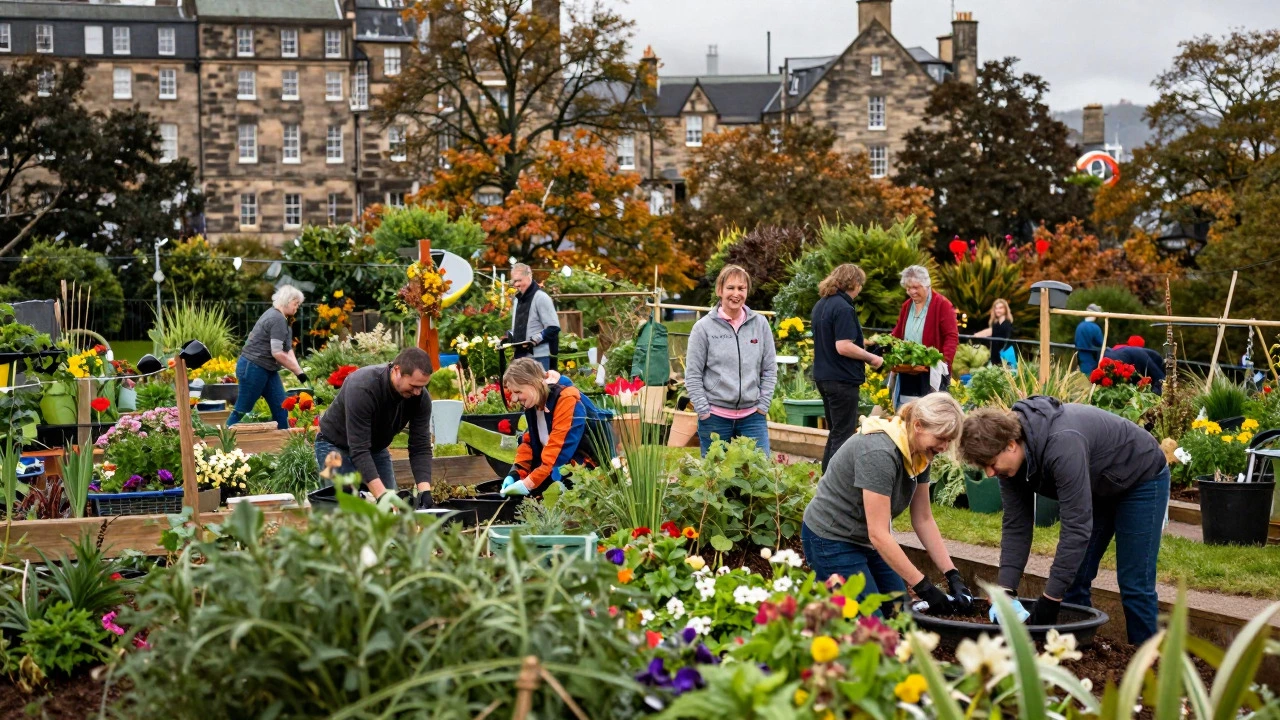
Potential Pitfalls and How to Avoid Them
Not every volunteer experience goes smoothly. Poor management, unclear expectations, and toxic dynamics exist in non-profits just as they do in corporations. Here are common pitfalls:
- Lack of Structure: Some small charities operate on shoestring budgets with little oversight. You might end up doing menial tasks with no direction. Solution: Interview the organization. Ask about training, supervision, and role clarity before committing.
- Time Creep: Volunteers are often expected to take on extra responsibilities because they’re “passionate.” This can lead to overcommitment. Solution: Set clear boundaries from day one. Define your available hours and stick to them.
- Misaligned Values: You might discover the organization’s practices conflict with your ethics. Solution: Research their mission and financial transparency beforehand. Use tools like Charity Navigator or local equivalent registries.
- Isolation: Remote volunteering or solitary roles can feel lonely. Solution: Choose team-based activities if social interaction is important to you.
Recognizing these risks early helps you choose wisely. Don’t hesitate to leave a role that feels wrong. Good organizations respect your decision and will thank you for your honesty.
| Role Type | Primary Benefit | Potential Risk | Best For |
|---|---|---|---|
| Food Bank Distribution | Immediate tangible impact | Physical strain, repetitive tasks | Active individuals seeking quick results |
| Animal Shelter Care | Emotional reward, stress relief | Emotional attachment, hygiene risks | Animal lovers, those needing companionship |
| Skills-Based Consulting | Career development, networking | Time-intensive, high responsibility | Professionals looking to expand expertise |
| Environmental Cleanup | Physical activity, community pride | Weather dependency, exposure to waste | Eco-conscious individuals, fitness enthusiasts |
How to Choose the Right Opportunity
With so many options, how do you pick? Start by assessing your goals. Do you want to improve your resume? Connect with others? Make a direct impact? Match the role to your objective.
- Identify Your Interests: Love animals? Look at shelters. Passionate about education? Tutoring programs need you. Aligning passion with action sustains motivation.
- Assess Your Availability: Be realistic. One hour a week is better than ten hours promised and never delivered. Consistency matters more than volume.
- Research the Organization: Check reviews, financial reports, and mission statements. Ensure their values align with yours.
- Talk to Current Volunteers: Ask about their experience. Are they supported? Do they feel valued? Firsthand accounts reveal the truth behind the marketing.
- Start Small: Try a one-off event before committing to a long-term role. See if the culture fits.
In Edinburgh, platforms like Voluntary Action Edinburgh list verified opportunities across sectors. Using reputable sources reduces the risk of falling into poorly managed roles.
Does volunteering look good on a CV?
Yes, absolutely. Employers value the soft skills gained through volunteering, such as teamwork, communication, and adaptability. It demonstrates initiative and community involvement. Highlight specific achievements and transferable skills rather than just listing duties.
Can volunteering lead to burnout?
Yes, especially in high-emotion roles like crisis support or healthcare. Without proper boundaries and self-care, compassion fatigue can set in. Monitor your energy levels, take breaks, and communicate openly with coordinators if you feel overwhelmed.
Are there any financial costs to volunteering?
While volunteering is unpaid, there can be indirect costs like transportation, meals, or specialized clothing. Some organizations reimburse these expenses, but it’s not guaranteed. Calculate the total cost before committing, especially if you’re on a tight budget.
How much time should I commit to volunteering?
There’s no fixed rule. Even one hour a week makes a difference. The key is consistency. Overcommitting leads to burnout, while undercommitting might limit your impact. Start with a manageable amount and adjust based on your availability and interest.
What if I don’t enjoy my volunteer role?
It’s okay to quit. Not every fit works. Communicate respectfully with the coordinator, explain your reasons, and offer to help with the transition. Most organizations appreciate honesty and will welcome you back if circumstances change.