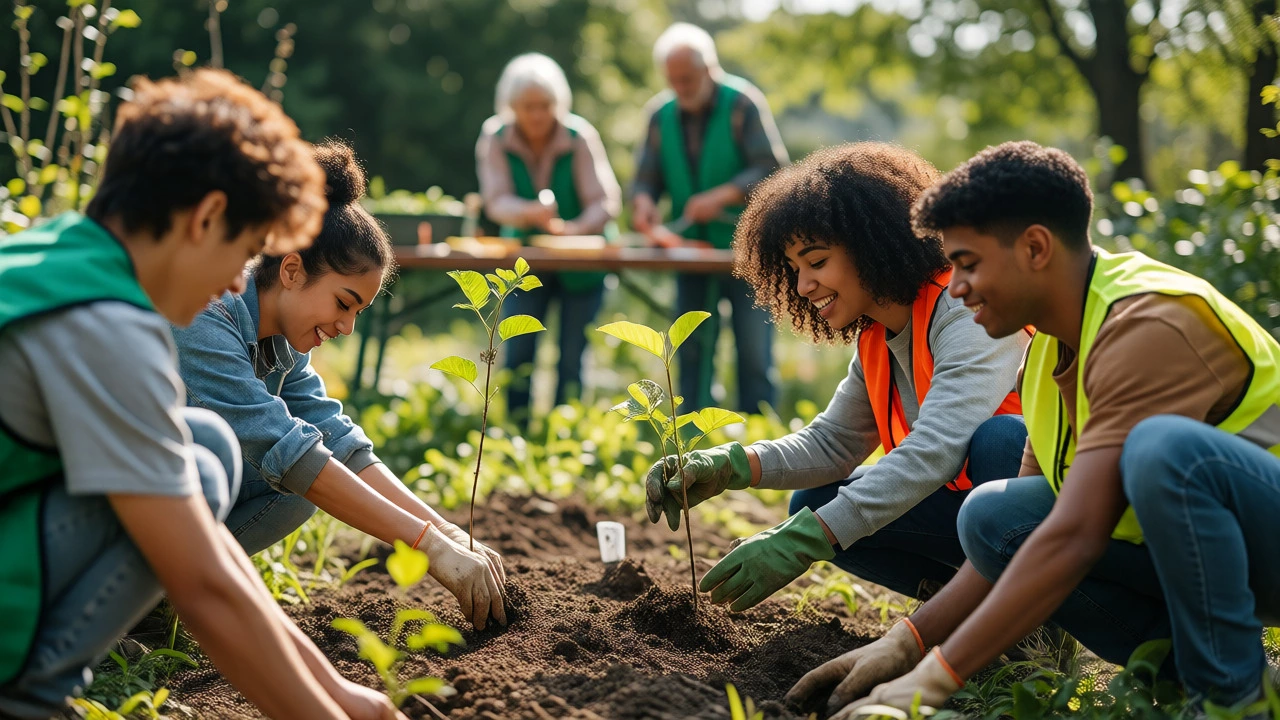
Volunteer Match Finder
Discover which volunteer role fits your generation's preferences or help your organization target the right demographic. Select your age group and interests below.
Please select your profile details and click "Find Best Roles" to see recommendations.
You might assume that the people with the most free time are the ones showing up to help. Maybe you picture retirees filling the gaps in local charities or students looking for resume boosters. But the data tells a different story. When we look at who actually clocks the most hours and shows up most consistently, the answer isn't always where you expect it. If you're trying to build a team, plan an event, or just wondering if your own generation is pulling its weight, understanding these patterns helps you connect with the right people.
Who Actually Shows Up?
Let's cut through the noise. For years, the narrative has been that young people are disengaged from civic duty. Yet, recent surveys suggest otherwise, especially when you define "volunteering" broadly. It’s not just about wearing a vest and picking up litter on a Saturday morning. It includes informal help-like checking in on a neighbor or helping a friend move. Millennials (born roughly between 1981 and 1996) and Generation Z (born after 1997) are increasingly driving formal volunteer rates upward, particularly in digital advocacy and short-term projects. However, when we talk about total hours contributed over a lifetime, older adults still hold the crown.
This creates a fascinating split. Younger generations prefer flexibility. They want to log three hours on a weekend app-based task rather than commit to a weekly shift at a food bank. Older generations, particularly those aged 55 and above, tend to provide stability. They are more likely to take on long-term roles, such as mentoring or board membership. So, who volunteers the most? It depends on whether you measure by frequency of action or depth of commitment.
The Power of the 55+ Demographic
If you walk into a rural community center or a hospital auxiliary group, you’ll likely see faces over fifty. This isn’t accidental. People in this age bracket often have two things younger workers lack: time and established networks. Many are approaching retirement or are already retired, freeing up schedules that were previously dominated by career climbing and child-rearing. According to data from organizations like the Corporation for National and Community Service, adults aged 55 and older consistently report higher rates of regular, ongoing volunteer service compared to their younger counterparts.
But don't mistake this for boredom. These volunteers bring professional expertise. A retired accountant doesn't just fold flyers; they audit the books. A former teacher doesn't just read stories; they design literacy programs. This demographic values legacy. They want to leave something behind. If you’re recruiting, pitch them on impact and continuity, not just "help." They need to feel their experience matters.
Why Students and Young Adults Are Changing the Game
On the flip side, don't write off the under-30 crowd. Their approach to giving back looks different, which can make traditional metrics misleading. Traditional surveys ask, "Do you volunteer?" If a student spends ten hours coding a website for a non-profit but never sets foot in the office, they might say no to a phone surveyor. But they did volunteer.
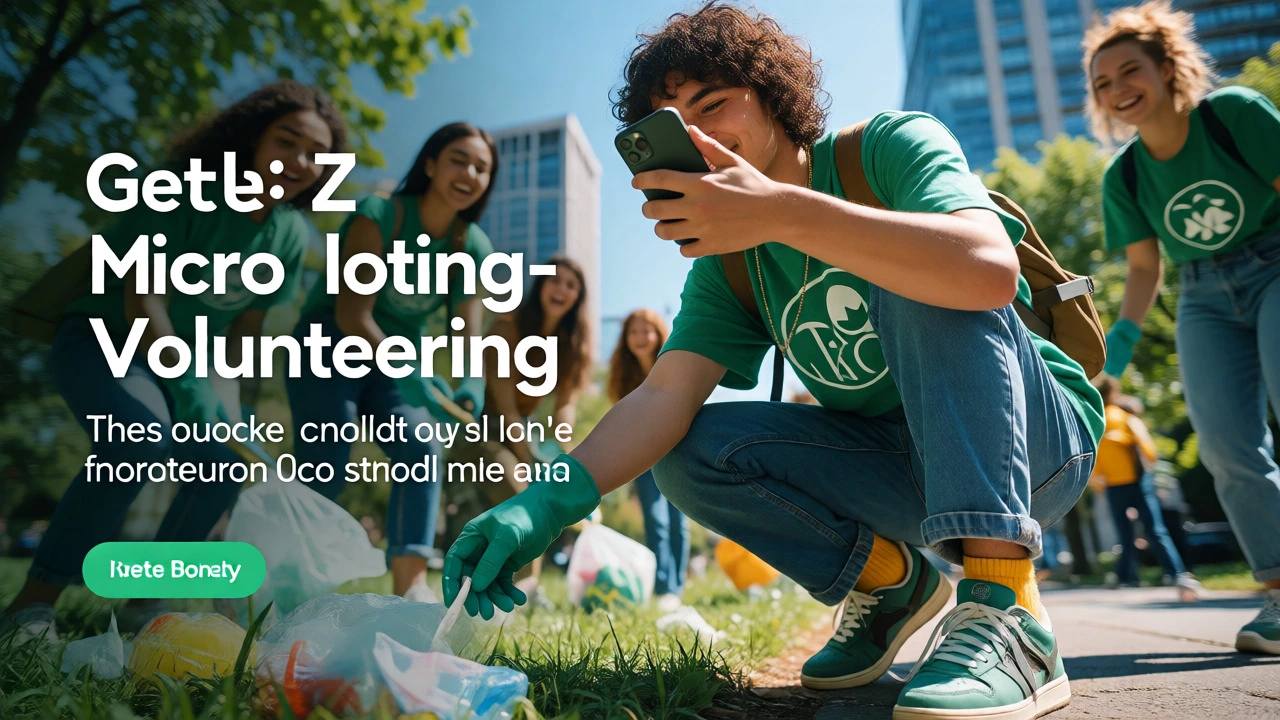
Gen Z is heavily motivated by social justice issues. They engage with causes that align with their identity, such as climate change, racial equity, and mental health awareness. They prefer micro-volunteering-short, impactful tasks that fit into a busy schedule. Apps that allow users to sign up for a one-off cleanup or a virtual tutoring session thrive because they remove the barrier of long-term commitment. If you want young people involved, you have to meet them where they are: on their phones, on their terms, and focused on immediate results.

How Life Stages Impact Participation
It’s hard to volunteer when you’re working two jobs and raising toddlers. The "sandwich generation"-adults caring for both children and aging parents-often sees a dip in formal volunteering due to sheer exhaustion. This is a critical insight for organizers. If your target audience is 35-to-45-year-olds, you’re competing with school runs, mortgage payments, and career peaks.
However, this dip is temporary. As children grow older and careers stabilize, participation rates climb again. This curve explains why mid-life professionals might be inconsistent year-to-year but become reliable pillars in their fifties. Understanding this lifecycle helps you manage expectations. You might lose a volunteer for six months while they navigate a personal crisis or a new baby, but they aren’t gone forever. Keep them engaged with low-effort updates so they can return when life settles down.
Regional Differences and Cultural Contexts
Where you live changes who volunteers. In the UK, for example, community cohesion remains strong in smaller towns and rural areas, where older residents often lead initiatives. In major cities like London or Edinburgh, younger populations drive high-volume, event-based volunteering. Cultural norms also play a role. In some communities, religious institutions serve as the primary hub for volunteerism, skewing demographics toward active churchgoers, who tend to skew older. In secular urban centers, secular NGOs attract a broader, often younger mix.
Consider the type of work available. Food banks often rely on a mixed-age workforce, but animal shelters frequently attract younger volunteers interested in animal welfare. Environmental groups see a surge in youth participation due to the urgency of climate activism. Knowing the specific niche helps you predict the age profile of your applicants.
Matching Tasks to Generational Strengths
So, how do you use this info? Stop treating all volunteers as interchangeable units. Match the task to the demographic likely to succeed. Here is a quick guide to aligning roles with age groups:
| Age Group | Preferred Commitment | Motivation | Best Fit Roles |
|---|---|---|---|
| Under 25 | Short-term, flexible, remote options | Skill building, social connection, ethical alignment | Digital marketing, event support, peer mentoring |
| 25-44 | Project-based, weekend intensive | Career networking, family activity, tangible impact | Board advisory, pro-bono consulting, fundraising events |
| 45-64 | Regular shifts, leadership roles | Community standing, utilizing professional skills | Treasurer, mentorship programs, operational management |
| 65+ | Long-term, consistent presence | Legacy, social interaction, routine | Greeting visitors, administrative support, gardening, companionship visits |
This table isn't a rulebook, but it’s a heuristic. If you post a flyer for a "weekly Tuesday shift," you’re speaking directly to the 55+ crowd. If you post an Instagram reel about "helping save the local park this Saturday," you’re hooking the Gen Z and Millennial crowd.
Overcoming Barriers for Each Generation
Every group has friction points. For seniors, technology can be a hurdle. Don’t assume everyone over 70 is tech-savvy, but don’t assume they’re clueless either. Offer training. For younger volunteers, the barrier is often perceived irrelevance. If they don’t see immediate feedback or clear outcomes, they drop out. Provide instant recognition-a thank-you email, a social media shout-out, or a quick debrief.
For the middle-aged, the barrier is logistics. Can they bring their kids? Is there parking? Can they volunteer during lunch breaks? Removing these small logistical obstacles can double your recruitment success rate among the 30-50 demographic.
The Future of Volunteering Across Ages
We are moving toward a hybrid model. The rigid distinction between "young" and "old" volunteering is blurring. Intergenerational projects-where teens teach seniors tech skills and seniors share historical knowledge-are gaining traction. These models leverage the strengths of both ends of the spectrum. They combat loneliness in seniors and provide real-world context for youths.
As automation takes over more routine tasks, the human element of volunteering becomes more valuable. Empathy, judgment, and connection cannot be coded. These are skills honed by age and energy alike. The future belongs to organizations that can blend the digital fluency of the young with the institutional wisdom of the old.
Which age group volunteers the most in terms of hours?
Generally, adults aged 55 and older contribute the highest number of total volunteer hours per year. This is largely due to having more disposable time post-retirement and a preference for regular, long-term commitments compared to younger generations who may volunteer in shorter, more frequent bursts.
Do teenagers volunteer less than adults?
Not necessarily. While teenagers may have fewer hours due to school and part-time jobs, they often participate in high-engagement, short-term activities. Many schools require community service for graduation, which artificially inflates teen participation rates in certain sectors like education and environment.
Why do millennials volunteer differently than boomers?
Millennials tend to value flexibility and transparency. They prefer to know exactly what their contribution achieves before committing. Boomers often value loyalty and organizational structure, preferring stable roles within established institutions. Millennials are also more likely to engage in "skills-based" volunteering rather than general labor.
Is there a difference in gender across age groups?
Historically, women have volunteered at higher rates than men across most age groups, particularly in caregiving and community support roles. However, the gap is narrowing among younger generations, where men are increasingly participating in environmental and sports-related volunteering.
How can I attract younger volunteers to my charity?
Offer flexible scheduling, emphasize social impact, and utilize digital platforms for recruitment. Younger volunteers respond well to clear calls to action, opportunities for social sharing, and roles that allow them to use modern skills like social media management or graphic design.