Charity Event Strategy Finder
Not sure which charity event format fits your needs? Answer these three questions to get a personalized recommendation.
You’ve heard the term “charity event,” but you might also hear people talking about galas, benefit concerts, or fun runs. It’s confusing because there isn’t just one name for these gatherings. The specific title depends on how money is raised, who attends, and what the atmosphere looks like. Knowing the difference helps you choose the right format for your cause or find the right ticket to buy.
When we talk about raising money for a good cause, we are really talking about Fundraising, which is the process of soliciting and gathering donations from individuals, foundations, corporations, and other sources. This umbrella term covers everything from asking for spare change in a bucket to hosting a black-tie dinner for hundreds of thousands of pounds. To make sense of it all, we need to break down the specific types of events under this roof.
The Formal Side: Galas and Banquets
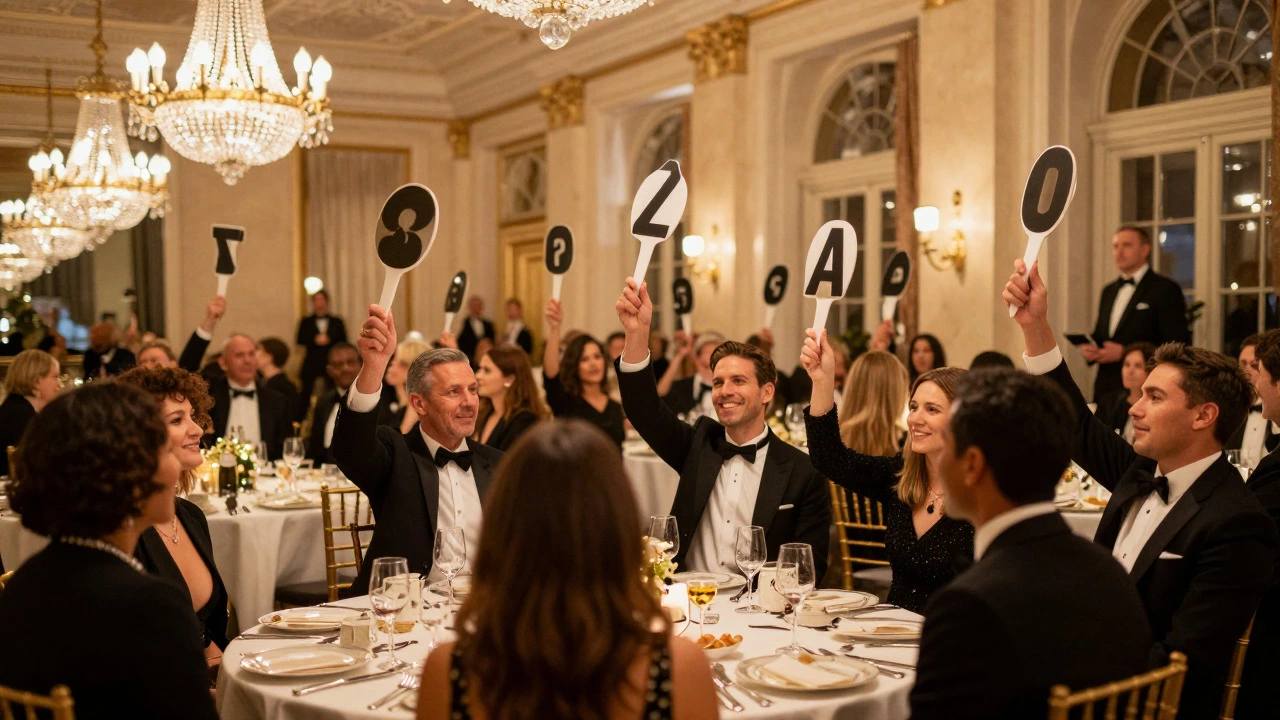
If you want to raise a large amount of money from a smaller group of high-net-worth donors, you usually go formal. These events are often called Galas or Benefit Dinners. They are designed to feel exclusive and luxurious. Think rented ballrooms, catered multi-course meals, and live entertainment. The goal here is not just to get a donation, but to build long-term relationships with major donors.
In a typical gala, the fundraising happens through several mechanisms. You might have a silent auction where guests bid on experiences like vacation packages or signed memorabilia. There could be a live auction featuring high-value items like cars or art. Sometimes, the organization uses a "paddle raise," where the host asks attendees to hold up numbered paddles to pledge specific amounts of money publicly. This peer pressure works surprisingly well in a room full of peers.
Another variation is the Black-Tie Dinner. While similar to a gala, this term emphasizes the dress code and the social aspect over the auction mechanics. It’s less about bidding wars and more about networking and making direct appeals during speeches. These events require significant upfront investment in venue and catering, so they rely heavily on sponsorship from local businesses to cover costs before any profit is made for the charity.
Celebrity Power: Benefit Concerts and Performances
When a famous musician or actor wants to support a cause, they don’t just donate cash; they lend their name and talent. This creates a Benefit Concert. The primary draw is the performance itself. Tickets are sold to fans who want to see the artist, and a portion (or all) of the proceeds goes to the charity. Think of Live Aid or Farm Aid as historical examples of this model.
This format differs from a gala because the audience is broader. You aren’t just targeting wealthy donors; you’re targeting fans. The barrier to entry is lower-ticket prices might range from £50 to £200, whereas a gala ticket can cost £1,000 or more. However, the logistics are complex. You need to manage stage production, sound engineering, and crowd control, which requires professional event management teams.
A related concept is the Telethon. This is a broadcast event, usually on television or streaming platforms, that runs for many hours. It features interviews, performances, and direct appeals to viewers at home. Telethons rely on small donations from a massive number of people rather than large checks from a few. They create a sense of urgency and community participation that static events struggle to match.
Active Participation: Runs, Walks, and Challenges
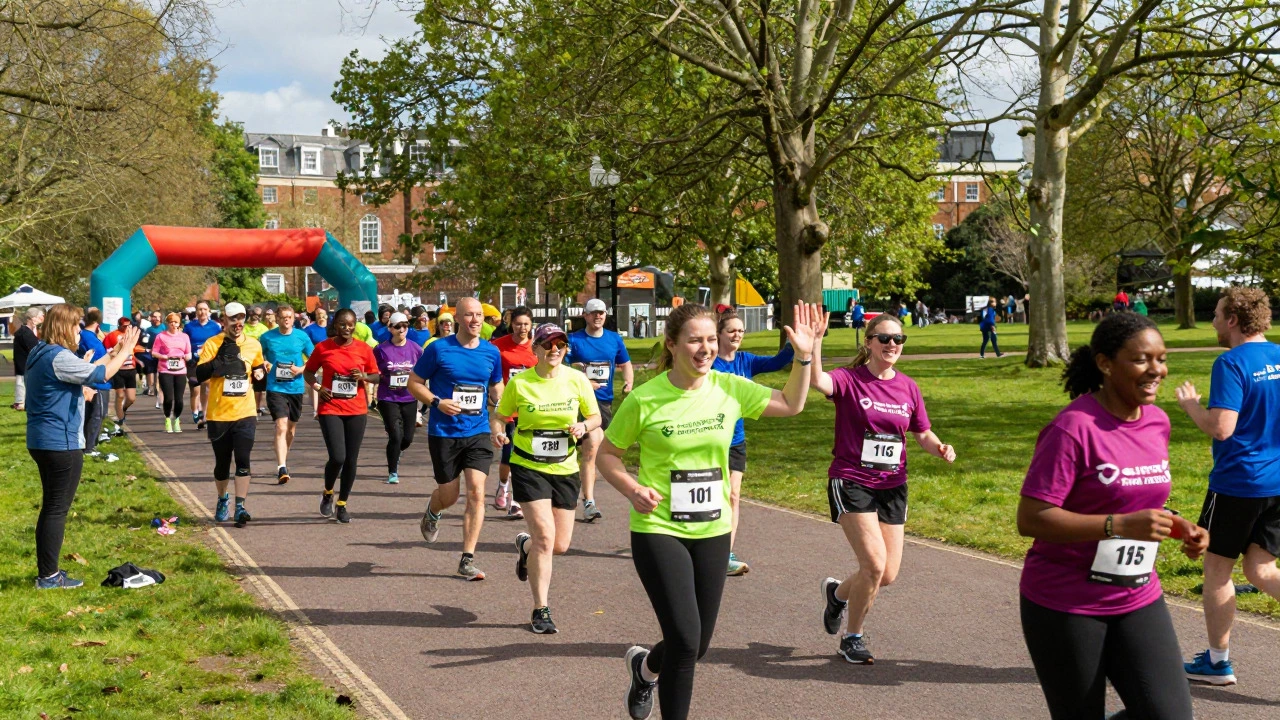
Not everyone wants to sit in a chair and eat dinner. Many people prefer to sweat for their cause. This leads us to active fundraising events. The most common type is the Charity Run or Fun Run. Participants register for a 5k, 10k, or marathon distance. They pay an entry fee, but more importantly, they set up online pages to solicit pledges from friends and family based on their completion or pace.
These events are powerful because they turn participants into ambassadors. When someone wears a t-shirt saying "I ran for [Charity Name]," they are advertising the cause to everyone they meet. The psychological commitment of training for months makes people more likely to follow through on their fundraising goals. Organizations like the London Marathon or local parkrun challenges generate millions annually through this model.
Variations include Walkathons, which are slower and more inclusive, allowing families and older adults to participate. Then there are extreme challenges, such as climbing mountains, swimming open water channels, or cycling across countries. These attract media attention and high-profile sponsors because of the physical feat involved. The narrative of endurance resonates deeply with potential donors.
Skill-Based and Social Gatherings
Sometimes the event is centered around a hobby or skill. A Golf Tournament is a classic example, particularly in corporate circles. Companies sponsor teams, and players pay a green fee. The day includes lunch, drinks, and a raffle. It’s a relaxed environment where business deals and charitable giving happen simultaneously. Similarly, you might find charity poker nights, bowling tournaments, or quiz evenings.
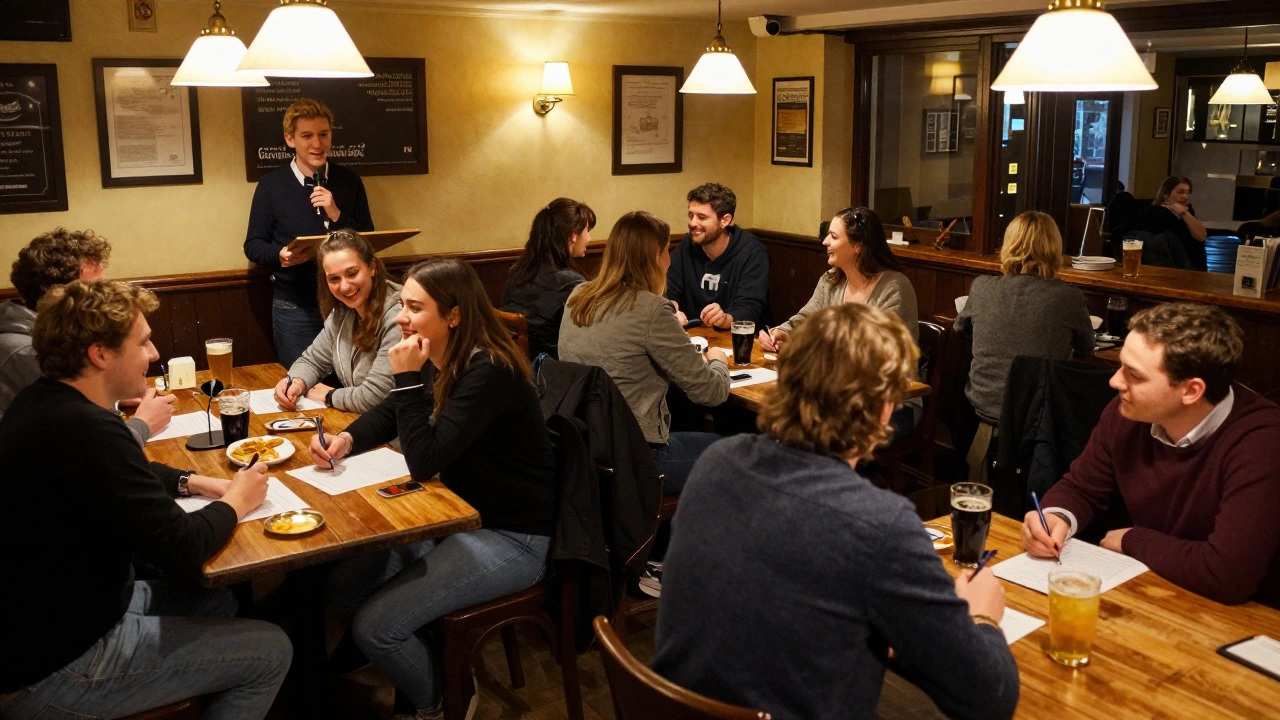
Quiz nights are low-cost, high-engagement events. A local pub hosts a trivia night, charging a small entry fee per person. Teams compete for prizes donated by local shops. While the direct revenue is modest compared to a gala, the overhead is near zero, meaning almost every pound raised goes directly to the cause. These events strengthen community ties and keep the charity visible in the local area.
Another popular format is the Raffle. Technically, this is a mechanism rather than a full event, but it can stand alone. People buy tickets for a chance to win a prize. Raffles are often attached to larger events like galas or fairs, but standalone raffles via email newsletters or social media are common too. They work on the principle of gambling psychology-the hope of winning drives participation.
Community-Centric: Fairs and Festivals
For causes that serve the general public, broad-reach events are essential. A Charity Fair or Flea Market invites vendors to sell goods, with a percentage of sales going to the charity. Alternatively, the charity sells second-hand items directly. These events are accessible to everyone regardless of income. They provide a space for community interaction while generating steady, albeit smaller, streams of income.
Festivals take this further. A music festival, food festival, or arts festival branded as a charity event draws thousands. Ticket sales, vendor fees, and sponsorship deals combine to create substantial revenue. The key here is scale. You need a large team to manage logistics, security, and waste management. However, the brand visibility is immense. Local authorities often support these events because they boost tourism and civic pride.
| Event Type | Primary Goal | Typical Audience | Cost to Organize |
|---|---|---|---|
| Gala/Banquet | Major donor cultivation | Wealthy individuals, corporations | High |
| Benefit Concert | Brand awareness & fan engagement | Fans of the artist | Medium-High |
| Charity Run/Walk | Participant-led fundraising | General public, fitness enthusiasts | Low-Medium |
| Golf Tournament | Corporate sponsorship | Business professionals | Medium |
| Quiz Night | Community engagement | Local residents | Very Low |
Digital and Hybrid Models
The landscape has shifted significantly with technology. Online Fundraisers are now standard. Platforms allow individuals to create personal fundraising pages for birthdays, weddings, or milestones. Friends donate directly online. This removes the geographic limitation of physical events. You can raise money from supporters globally without renting a hall or buying food.
Hybrid events combine both worlds. A gala might stream its keynote speech and auction online, allowing remote donors to bid in real-time. This expands the donor base beyond those who can physically attend. During the pandemic, this became necessary, but it proved so effective that many organizations kept it as a permanent feature. It lowers the barrier to entry for donors who want to contribute but cannot travel.
Choosing the Right Name and Format
So, what should you call your event? It depends on your strategy. If you need quick cash with minimal effort, a raffle or quiz night is best. If you want to build a pipeline of major donors, invest in a gala. If you want to engage the wider community and create advocates, organize a run or fair. The name sets expectations. Calling something a "gala" implies formality and high cost. Calling it a "community fair" implies accessibility and fun. Be honest about the format to attract the right crowd.
Remember, the success of any charity event isn't just about the money raised. It's about the connections made. Whether it's a handshake at a golf course or a high-five after a 5k run, these moments build the trust that keeps donors coming back year after year. Choose the event type that aligns with your mission, your resources, and your community's interests.
What is the difference between a gala and a benefit?
A benefit is a broad term for any event held to raise money for a cause. A gala is a specific type of benefit event that is typically formal, expensive, and includes dining and entertainment. All galas are benefits, but not all benefits are galas.
Are charity runs profitable for organizers?
Yes, if managed well. Costs include permits, insurance, timing chips, and marketing. However, participant pledges often far exceed these costs. The key is encouraging participants to fundraise aggressively among their networks.
What is a paddle raise?
A paddle raise is a fundraising technique used at galas where attendees hold up numbered paddles to indicate their willingness to donate specific amounts. The host calls out amounts, and those willing to give raise their hands. It creates a public commitment to giving.
How do I start a small charity event?
Start with low-cost options like a quiz night, bake sale, or online fundraiser. Secure a free venue like a community center or library. Use social media to promote. Keep overheads minimal so more money goes to the cause. Partner with local businesses for in-kind donations.
What is the most effective type of charity event?
Effectiveness depends on goals. For total revenue, galas and marathons often lead. For donor acquisition and community building, local fairs and runs are superior. For low effort, online fundraisers are best. There is no single "best" type, only the best fit for your specific situation.