Environmental Organization Quiz
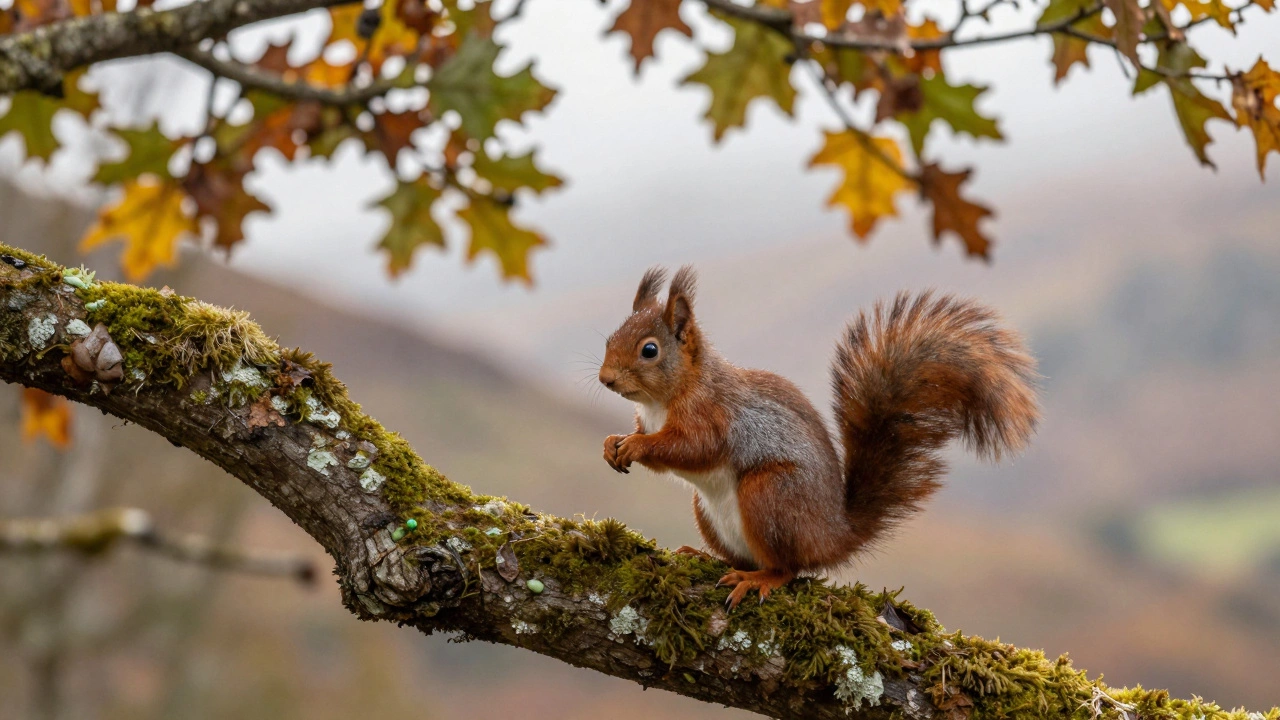
Question 1: What level describes a single red squirrel in the Scottish Highlands?
Question 2: What level includes all the different species living together in a Scottish loch?
Question 3: What level includes both living organisms and non-living elements like soil, water, and sunlight?
Question 4: What level represents all living systems on Earth, including air, water, and soil?
When you think about the environment, it’s easy to picture a forest, a river, or a city park. But beneath that surface lies a layered system-each level connected, each one depending on the one below it. These are the six levels of organization in the environment, and understanding them isn’t just for scientists. It’s the key to seeing how everything from a single insect to a whole planet stays in balance.
Individual Organism
This is where it all starts. An individual organism is a single living thing-a red squirrel in the Scottish Highlands, a single oak tree in a woodland, or even a bacterium in soil. It’s the smallest unit that can carry out life processes: eating, breathing, growing, reproducing. At this level, you’re not looking at populations or habitats yet. You’re just focused on one life form and how it survives in its immediate surroundings.
For example, a lone otter in the River Tweed doesn’t just swim around for fun. It hunts fish, avoids predators, finds shelter under riverbanks, and mates to pass on its genes. Its survival depends on clean water, healthy fish populations, and undisturbed banks. If any of those things change, the otter’s life is directly affected. That’s why protecting individual organisms often means protecting the small details-the water quality, the food supply, the quiet places where they rest.
Population
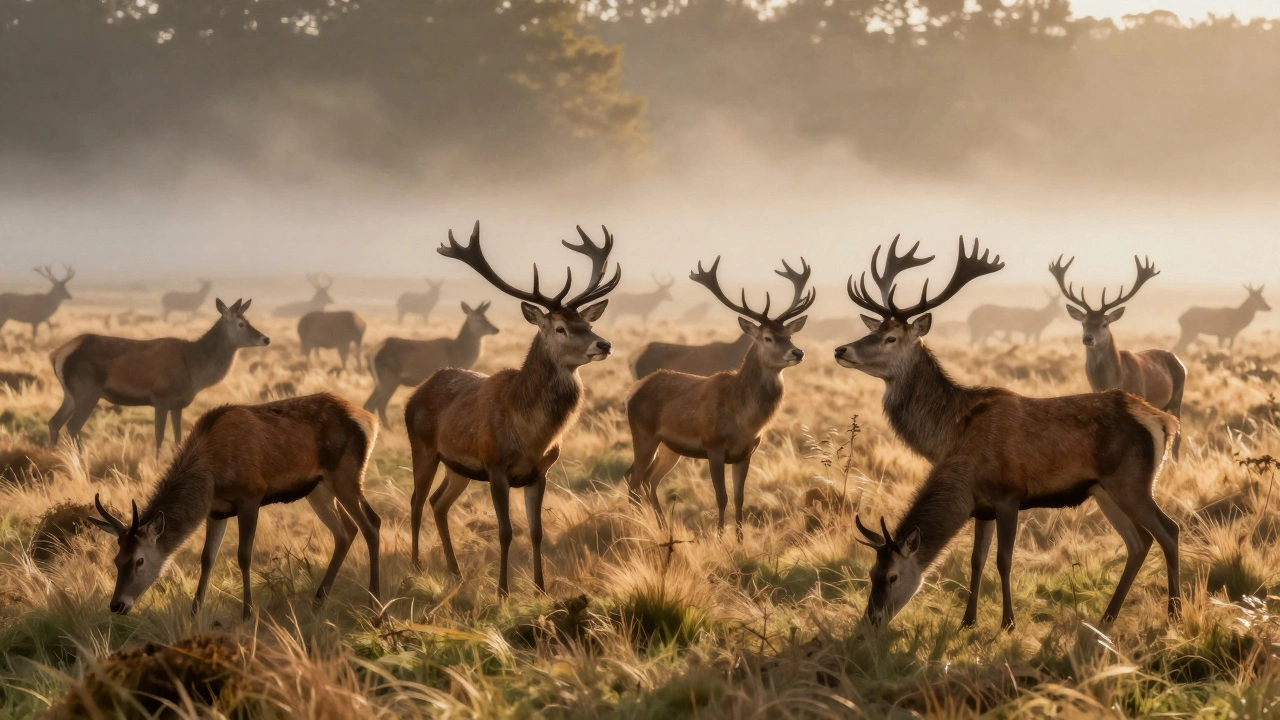
A population is a group of individuals of the same species living in the same area at the same time. Think of it as a community of the same kind of creature. In Scotland, you might find a population of red deer in the Cairngorms, or a population of puffins nesting on the cliffs of the Isle of May.
Populations aren’t just numbers. They interact. They compete for food. They breed. They spread disease. They respond to weather, predators, and human activity. A population can grow quickly if conditions are good-or crash if a disease hits or a forest is cut down. Scientists track populations to know if a species is thriving or at risk. If the number of puffins drops by 30% over five years, that’s a red flag. It tells us something deeper is wrong-not just with the birds, but with the fish they eat, the ocean temperatures, or the fishing boats nearby.
Community
A community is made up of all the different populations living and interacting in one area. It’s not just one species anymore. It’s the whole neighborhood. In a Scottish loch, the community includes fish, frogs, dragonflies, algae, water beetles, reeds, and even the fungi breaking down dead leaves.
These species don’t live in isolation. A frog eats insects. A heron eats frogs. A water lily provides shade that keeps the water cool for fish. If you remove one species-say, by draining the loch for development-the whole community starts to unravel. You might see algae blooms because there are no more insects to eat them. Fish die because the water gets too warm. The community’s balance is fragile, and every species plays a role.
This is where you start to see how interconnected life really is. You can’t save just one animal. You have to protect the whole web of life around it.
Ecosystem
An ecosystem takes the community and adds the non-living parts. That’s the soil, the water, the air, the sunlight, the rocks, and the climate. It’s the living and the non-living working together as one system.
Think of the Glen Coe valley. It’s not just the deer, the eagles, the moss, and the streams. It’s the way rain falls on the mountains, flows into rivers, soaks into peat bogs, and slowly releases water back into the landscape. It’s the way sunlight warms the rocks, which then heat the air, which affects wind patterns that carry seeds. An ecosystem is a living machine with moving parts-and every part matters.
When we talk about restoring an ecosystem, we’re not just planting trees. We’re rebuilding water cycles, fixing soil chemistry, bringing back natural fire patterns, and letting weather and geology do their job. That’s why a single tree planted in a park isn’t an ecosystem. But a whole forest with its streams, fungi, insects, and seasonal changes? That’s a functioning ecosystem.
Biome
A biome is a huge area with similar climate, plants, and animals. It’s like a global category. You’ve probably heard of rainforests, deserts, tundras, and grasslands. Scotland has two main biomes: the temperate deciduous forest and the boreal (or taiga) forest in the north, plus patches of upland moorland that act like a cool, wet tundra.
Biomes are defined by weather patterns-how much rain they get, how cold they get in winter, how long the growing season lasts. A Scottish moorland may look different from an Alaskan tundra, but they’re part of the same biome because they share the same climate and plant types: low-growing shrubs, mosses, lichens, and animals adapted to cold, wet conditions.
Biomes help us understand why certain species live where they do. You won’t find polar bears in a Scottish forest because the biome doesn’t support them. But you will find pine martens, because they evolved to thrive in this specific kind of cool, forested biome. Biomes also tell us what’s at risk. When we lose forests to logging or heatwaves, we’re not just losing trees-we’re losing entire biomes, and with them, the species that can’t live anywhere else.
Biosphere
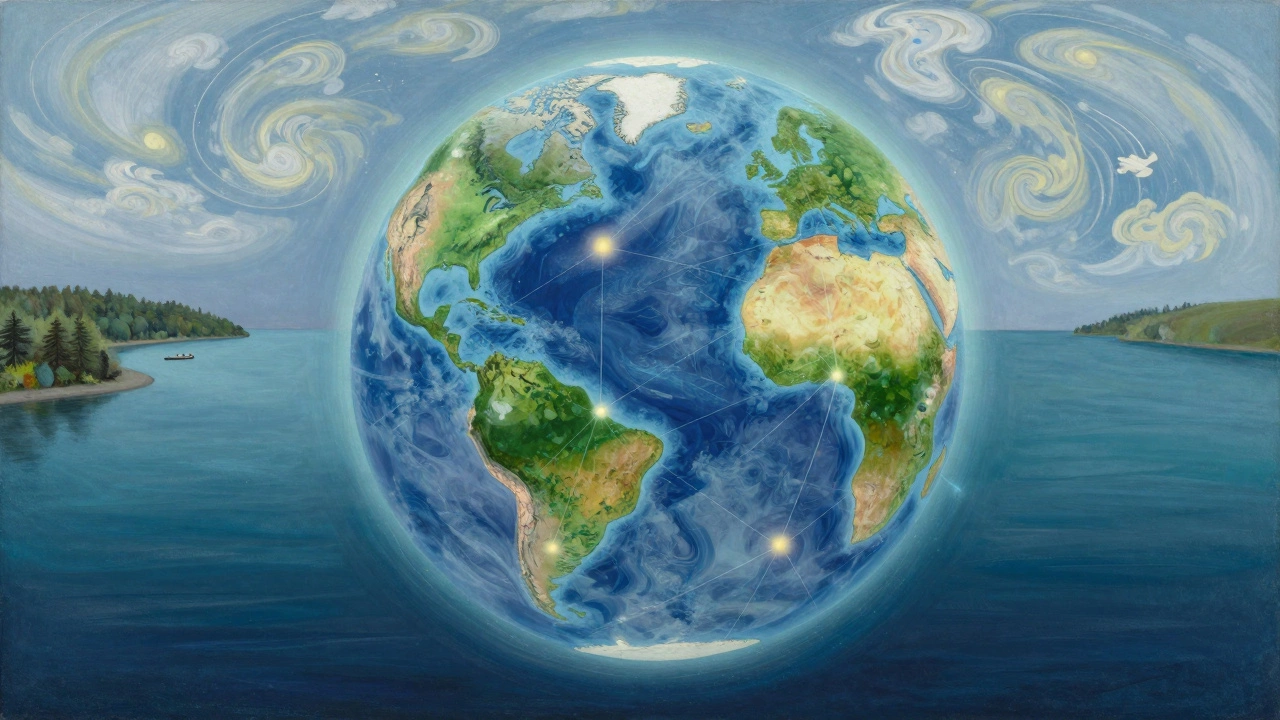
The biosphere is the highest level. It’s the sum of all ecosystems on Earth. It includes every living thing-from the deepest ocean trenches to the highest mountain peaks-and every environment where life can exist: air, water, soil, even inside rocks.
This is the only level that covers the whole planet. The biosphere doesn’t care about borders. A bird that nests in the Highlands might fly to Africa for winter. A river in Scotland might carry nutrients into the North Sea, which then feed fish that end up in Norwegian waters. Pollution, climate change, and ocean currents don’t stop at national lines. What happens in the Amazon affects the weather in Scotland. What we do here ripples across the globe.
The biosphere is the ultimate system. It’s the reason we talk about global warming, not just local temperature changes. It’s why protecting one wetland in Perthshire matters for the whole planet. Because when you zoom out far enough, everything is connected.
Why This Matters
Knowing these six levels isn’t just textbook knowledge. It’s a practical guide for how to protect nature. If you’re trying to save a species, you can’t just focus on the individual. You have to look at the population-how many are left? Are they breeding? Then the community-are other species helping or hurting them? The ecosystem-are the rivers clean? The soil healthy? The biome-is the climate changing? And finally, the biosphere-are we contributing to global problems like carbon emissions or plastic pollution?
Every environmental action should be thought of through this lens. Planting trees? Good. But are you planting the right trees for the local biome? Are you protecting the soil and water underneath? Are you connecting this patch to other forests so animals can move? That’s real conservation.
It’s easy to feel overwhelmed by big environmental problems. But when you break them down into these six levels, it becomes clearer. You don’t need to fix the whole planet. You can start with one stream, one patch of land, one community. Because change starts small-and then moves up.