Environmental Problem Identifier
Select the environmental issue you are concerned about to see which of the three main groups it falls under and recommended actions.
Recommended Individual Actions:
When we hear the phrase "environmental crisis," it often feels like a tangled mess of bad news. We see smokestacks, plastic in the ocean, and headlines about rising temperatures all at once. It is easy to feel overwhelmed because these issues seem to bleed into one another. But to solve them, we need to untangle the knot. Experts generally categorize environmental challenges into three main groups: pollution, resource depletion, and biodiversity loss. Understanding these distinct categories helps us see where the pressure points are and what specific actions can actually make a difference.
This breakdown isn't just academic labeling. It changes how we approach solutions. You cannot fix air quality by planting trees alone, just as you cannot stop species extinction by recycling plastic bottles. Each group requires a different strategy. Let's look at each of these three pillars to understand what they are, why they matter, and how they impact your daily life.
Group 1: Pollution - The Contamination of Our Surroundings
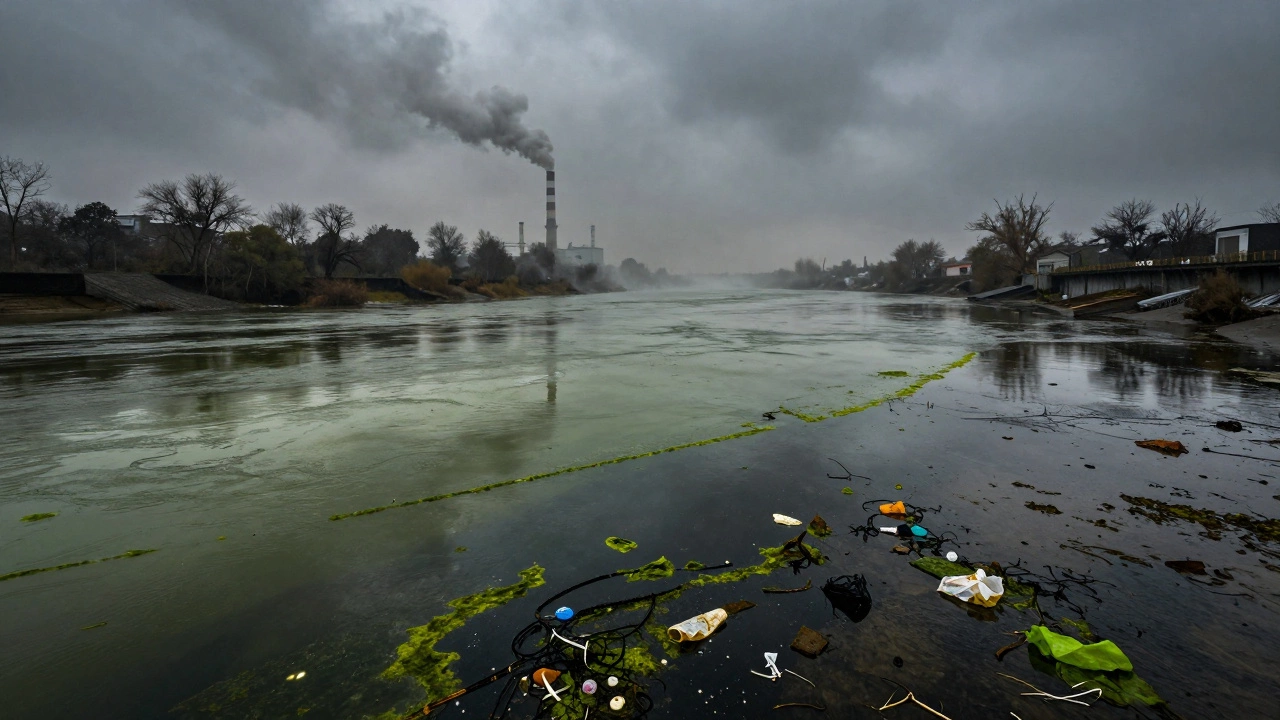
Pollution is the most visible form of environmental damage. It involves introducing harmful substances or energy into the environment that disrupt natural systems. While we often think of trash on the beach, pollution is much broader and more insidious. It falls into several key types, each affecting a different part of our ecosystem.
Air Pollution is the release of particulate matter and toxic gases into the atmosphere. This comes primarily from burning fossil fuels in vehicles, power plants, and industrial facilities. In cities worldwide, nitrogen dioxide (NO2) and fine particulate matter (PM2.5) are major concerns. These particles are small enough to enter your bloodstream, leading to respiratory issues and heart disease. The World Health Organization estimates that millions of premature deaths annually are linked to poor air quality.
Water pollution is equally critical. This occurs when contaminants enter lakes, rivers, oceans, and groundwater. Sources include agricultural runoff carrying pesticides and fertilizers, untreated sewage, and industrial waste discharge. When excess nutrients like nitrogen and phosphorus enter water bodies, they cause algal blooms. These blooms consume oxygen in the water, creating "dead zones" where marine life cannot survive. For example, the Gulf of Mexico has a seasonal dead zone that can stretch over 6,000 square miles, largely due to runoff from the Mississippi River basin.
Soil pollution is the silent killer. Heavy metals, chemical residues, and plastics degrade soil health. This reduces the land's ability to grow food and store carbon. Unlike air or water, polluted soil does not flow away; it stays put, contaminating crops and leaching toxins into groundwater over decades. Microplastics, tiny fragments of broken-down plastic, have now been found in remote Arctic soils and deep-sea sediments, showing how pervasive this contamination has become.
Group 2: Resource Depletion - Using Up What We Have
The second group of environmental problems is resource depletion. This refers to the consumption of renewable and non-renewable resources faster than nature can replenish them. We are essentially spending our ecological capital without saving anything for the future. This category includes everything from fresh water to fossil fuels and arable land.
Freshwater scarcity is becoming a defining issue of the 2020s. Although Earth is covered in water, only about 2.5% is freshwater, and much of that is locked in glaciers or inaccessible aquifers. Agriculture consumes roughly 70% of global freshwater withdrawals. In regions like the Middle East, North Africa, and parts of India, groundwater levels are dropping alarmingly. Once an aquifer is drained, it may take thousands of years to refill, if ever. This creates geopolitical tensions and threatens food security.
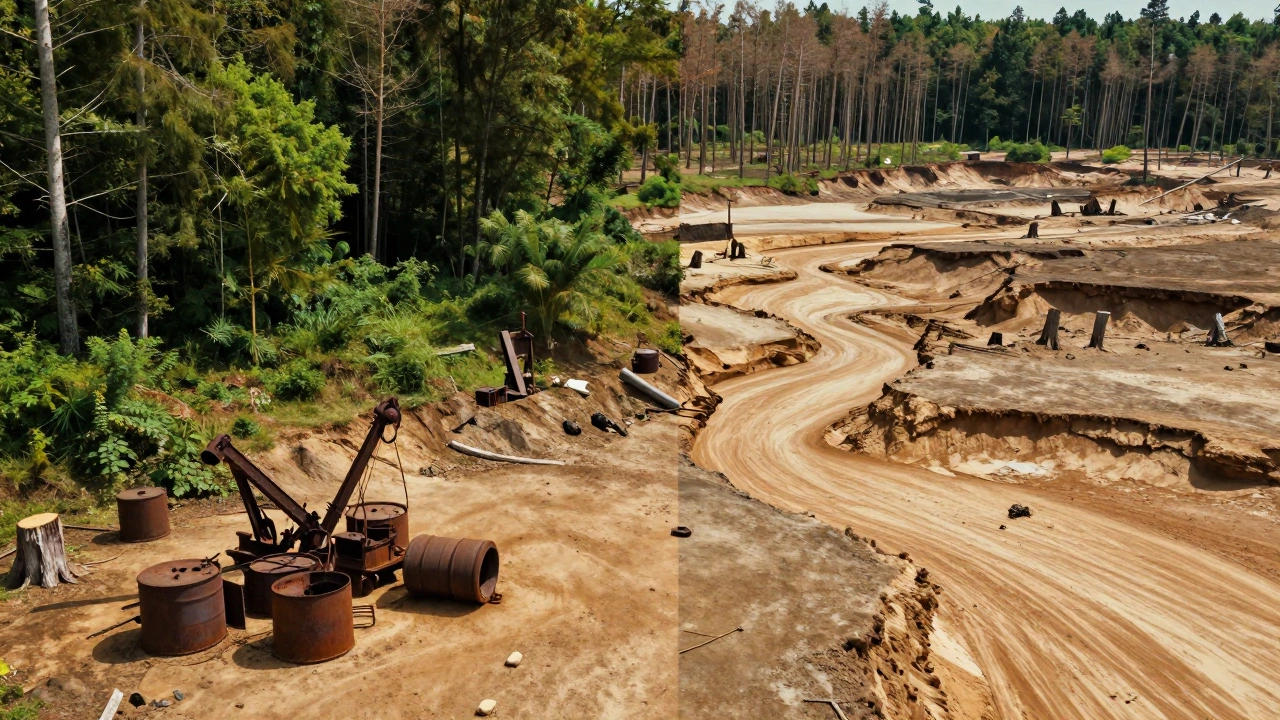
Fossil fuel depletion is often discussed in terms of running out of oil or gas, but the bigger issue is the environmental cost of extraction. Mining coal, drilling for oil, and fracking for natural gas destroy landscapes, pollute local water sources, and release methane-a potent greenhouse gas. Even as we transition to renewables, we still rely on rare earth minerals for batteries and solar panels. Mining lithium, cobalt, and nickel has its own environmental footprint, including habitat destruction and water usage.
Deforestation represents another facet of resource depletion. Trees are cut down for timber, agriculture (especially soy and palm oil), and urban expansion. Forests act as carbon sinks, absorbing CO2 from the atmosphere. When they are removed, that stored carbon is released back into the air, accelerating climate change. The Amazon Rainforest, often called the "lungs of the Earth," has lost significant coverage over the past few decades, reducing its capacity to regulate global weather patterns.
Group 3: Biodiversity Loss - The Collapse of Life Systems
The third group is biodiversity loss, which many scientists consider the most urgent crisis. Biodiversity refers to the variety of life on Earth, from genes to species to ecosystems. Losing this diversity weakens the resilience of natural systems. Think of an ecosystem as a complex web; if you pull too many threads, the whole structure collapses.
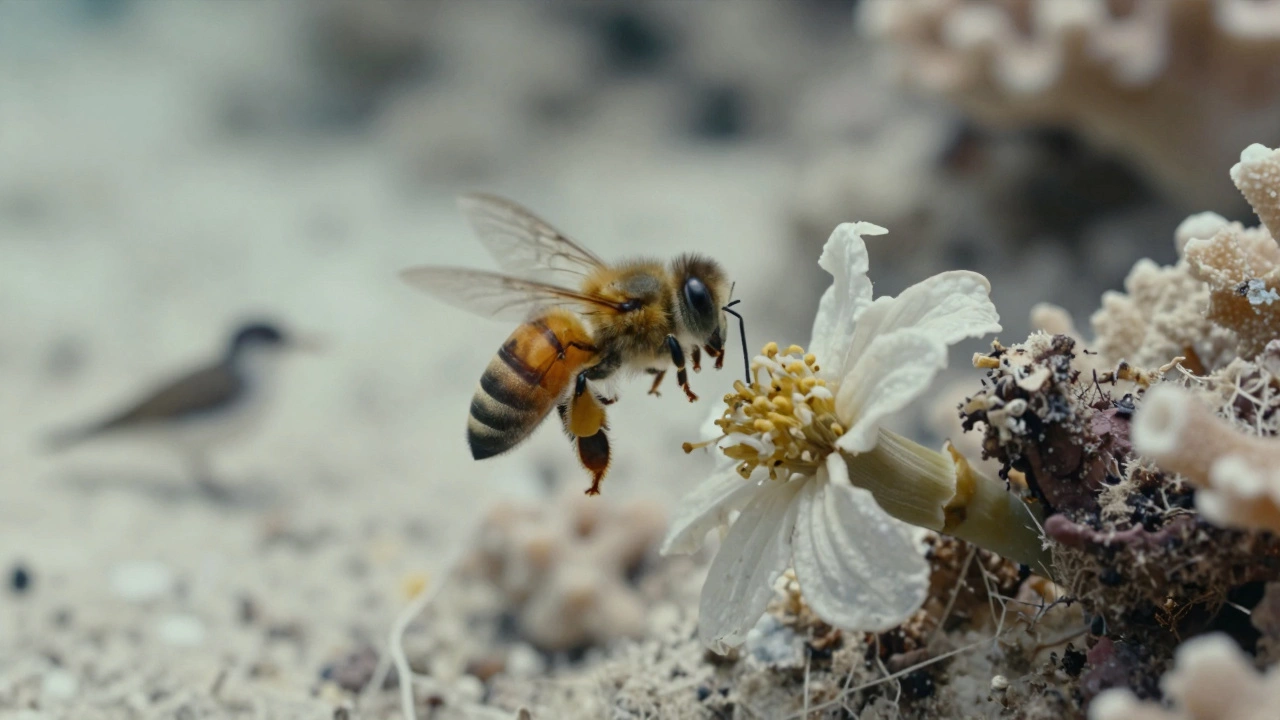
Species extinction is happening at rates far above the natural background level. According to the Intergovernmental Science-Policy Platform on Biodiversity and Ecosystem Services (IPBES), around one million animal and plant species are threatened with extinction, many within decades. Bees, butterflies, and other pollinators are declining rapidly. Since about 75% of global food crops depend on animal pollination, their loss directly threatens our food supply. Without bees, we would see shortages of fruits, vegetables, and nuts, driving up prices and reducing nutritional intake globally.
Habitat destruction is the primary driver of this loss. Wetlands are drained for development, coral reefs are bleached due to warming oceans, and forests are cleared for farming. Coral reefs support 25% of all marine life despite covering less than 1% of the ocean floor. As ocean temperatures rise and acidity increases due to absorbed CO2, corals expel the algae living in their tissues, causing them to turn white and eventually die. This destroys homes for countless fish species, impacting fisheries that billions of people rely on for protein.
Invasive species also play a role in biodiversity loss. Global trade and travel introduce non-native species to new environments where they have no natural predators. These invaders can outcompete native species for resources. For instance, the cane toad in Australia or the zebra mussel in North American Great Lakes have caused severe ecological imbalances, disrupting local food webs and economies.
How These Three Groups Interconnect
It is crucial to understand that these three groups do not exist in isolation. They feed into each other, creating feedback loops that accelerate environmental degradation. Pollution contributes to biodiversity loss. Oil spills kill marine mammals and birds. Pesticides used in agriculture reduce insect populations, which affects birds and bats that eat them. Resource depletion leads to pollution. Mining operations release heavy metals into soil and water. Deforestation releases carbon, contributing to climate change, which in turn stresses ecosystems and drives further species loss.
Climate change acts as a threat multiplier across all three categories. Rising temperatures intensify droughts, worsening water scarcity. Heatwaves increase smog formation, worsening air pollution. Changing climates force species to migrate or adapt quickly, leading to higher extinction risks. Addressing any single group requires considering its impact on the others. For example, restoring wetlands (biodiversity) can help filter water (pollution) and store carbon (climate/resource management).
| Problem Group | Primary Cause | Key Impact | Example Solution |
|---|---|---|---|
| Pollution | Emissions, waste discharge, chemicals | Human health risks, ecosystem toxicity | Stricter emission standards, circular economy |
| Resource Depletion | Overconsumption, inefficient use | Scarcity, economic instability, habitat loss | Renewable energy adoption, sustainable agriculture |
| Biodiversity Loss | Habitat destruction, invasive species, climate change | Ecosystem collapse, food insecurity | Protected areas, rewilding, conservation breeding |
What Can Individuals Do?
Knowing the three groups helps you target your efforts more effectively. If you care about pollution, focus on reducing single-use plastics and supporting clean energy initiatives. If resource depletion worries you, conserve water, reduce meat consumption (which uses vast amounts of land and water), and buy durable goods. For biodiversity, support organizations protecting habitats, plant native species in your garden, and avoid products linked to deforestation like unsustainably sourced palm oil.
Voting and advocacy also matter. Policies that cap emissions, protect wildlife corridors, and subsidize green technology address these root causes at scale. Individual actions add up, but systemic change driven by collective demand is what shifts industries and governments. Start by identifying which of these three groups resonates most with you, then take consistent action there. You don't have to solve everything at once. Just pick one thread and pull it.
Why are environmental problems divided into three groups?
Dividing environmental issues into pollution, resource depletion, and biodiversity loss helps experts and policymakers create targeted solutions. Each group has different causes and effects. For instance, cleaning up oil spills addresses pollution but does not directly stop deforestation. Categorization allows for specialized strategies rather than a one-size-fits-all approach.
Which of the three groups is the most serious?
Many scientists argue that biodiversity loss is the most critical because it undermines the foundation of life support systems. However, all three are interconnected. Severe pollution can lead to mass extinctions, and resource depletion drives habitat destruction. Ignoring any one group risks accelerating crises in the others.
How does climate change fit into these three groups?
Climate change is often treated as a separate issue, but it intersects with all three. It worsens air pollution through heat-induced smog, accelerates resource depletion via droughts, and drives biodiversity loss by altering habitats faster than species can adapt. It acts as a threat multiplier that intensifies the impacts of the other two groups.
Can individual actions really make a difference against such large problems?
Yes, individual actions contribute to cultural shifts and market demands. Choosing sustainable products signals to companies that consumers care about environmental impact. Reducing personal waste lowers the burden on landfills and incinerators. While systemic change is necessary, widespread individual behavior changes create the political will needed for larger policy reforms.
What is the connection between resource depletion and poverty?
Resource depletion disproportionately affects poorer communities who rely directly on natural resources for livelihoods. When fisheries collapse or soil becomes barren, these communities lose income and food security. Conversely, wealthy nations often export their resource consumption, importing raw materials while exporting waste, shifting the environmental burden to developing countries.