
Donation Suitability Checker
Select the category of item you want to donate to see if it's a high-impact choice or a potential "donation dump" risk.
Coats, dresses, professional wear, t-shirts, etc.
Appliances, linens, kitchenware, decor, etc.
Toiletries, soaps, skincare, sanitary products.
Books, DVDs, CDs, educational materials.
Accounting, Design, Legal, IT, Marketing.
One-off payments, monthly gifts, Gift Aid.
✨ High Impact Choice
⚠️ Avoid / Recycle
Quick Tips for Giving
- Quality over Quantity: Only give items that are clean and functional.
- Check the Need: Call ahead to see if a charity is currently accepting specific items.
- Think Beyond Clothes: Professional skills and time are often more valuable than physical goods.
- Tax Records: Keep receipts for high-value items to claim tax relief.
The Basics: Physical Goods and Household Items
When you decide to clear out your closets, it's easy to throw everything in a bag and hope for the best. However, Charity Shops is a retail model where donated goods are sold to raise funds for philanthropic causes. Because they have to sell these items to make money, they are very picky about quality. Clothing is the most common donation, but it's also the most wasted. To make a real impact, focus on seasonal needs. In the winter, heavy coats and thermal wear are high-demand. In the summer, light linens and children's play clothes move quickly. Avoid donating "fast fashion" items that are torn or stained; these often cost charities money to dispose of, which actually hurts the cause you're trying to help. Household goods like kitchenware, small appliances, and home decor are great, but check for safety. A toaster with a frayed wire is a hazard, not a gift. Books and media are still popular, though many shops are now saturated with old DVDs and CDs. Before you drop off a box of books, check if a local library or a community center needs them more than a retail shop does.Specialized Donations for High Impact
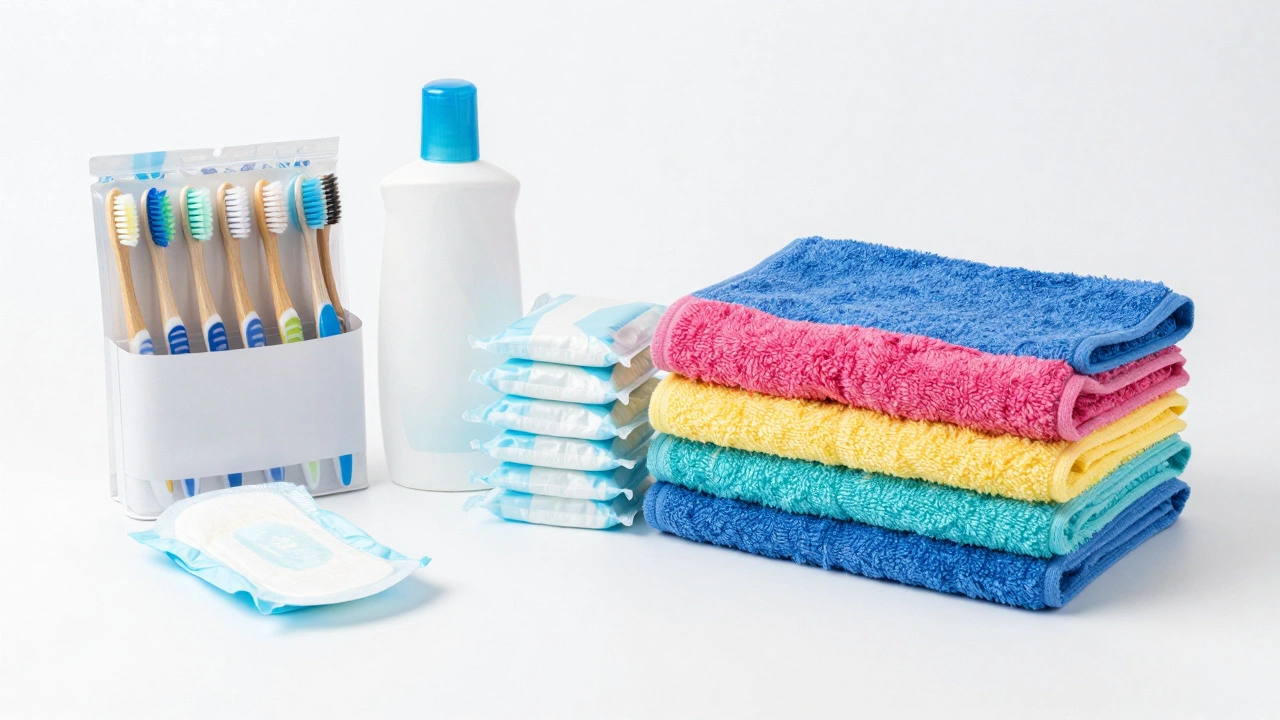
Sometimes the best things to give aren't the ones you find in your attic. There are specific items that high-impact organizations need constantly, but which people rarely think to donate.For example, Women's Shelters often have a desperate need for brand-new toiletries and menstrual products. These are items they can't always accept as used for hygiene reasons. Giving a pack of unopened toothbrushes, deodorant, or sanitary pads is often more helpful than giving an old dress.
Similarly, animal shelters usually struggle to find clean towels, blankets, and unopened pet food. If you're updating your linens, don't toss the old towels; they are perfect for drying off wet dogs after a bath. For those looking to help children, new or gently used educational toys and puzzles are far better than large plastic toys that take up massive amounts of storage space.| Item Category | High Demand Items | Low Demand / Avoid | Best Recipient |
|---|---|---|---|
| Clothing | Winter coats, professional attire | Underwear, stained t-shirts | Clothing Banks, Thrift Stores |
| Home Goods | Working small appliances, linens | Broken electronics, old mattresses | Charity Shops, Refugee Centers |
| Health/Beauty | Unopened soap, toothpaste, pads | Open makeup, expired creams | Hospitals, Women's Shelters |
| Media | Current non-fiction, children's books | Old encyclopedias, VHS tapes | Local Libraries, Schools |
Donating Your Expertise and Professional Skills
If you don't have a spare room full of stuff, you have something even better: your brain. Skill-based Volunteering is the practice of using professional skills to help a non-profit achieve its goals. This is often far more valuable than a one-time cash gift because it builds long-term capacity for the organization. Imagine you're a graphic designer. Instead of giving 20 pounds, you could spend five hours creating a professional flyer for a local food bank. That flyer might help them attract ten new volunteers or a hundred new donors. That's a massive return on investment for your time. Other high-value skills include:- Accounting and Bookkeeping: Helping a small charity manage its taxes and budgets.
- Marketing and SEO: Helping a non-profit get seen on Google so more people find their services.
- Legal Advice: Providing pro-bono guidance on contracts or governance.
- IT Support: Setting up secure databases or fixing a crashing website.
Financial Giving Beyond the Basic Donation
When you do choose to give money, you can do more than just a one-off payment. Recurring Donations are the lifeblood of most non-profits. A commitment to give 5 pounds a month is often more helpful than a single 60-pound gift because it allows the charity to plan their budget for the year with confidence. Another powerful tool is the use of Gift Aid, which is a UK government scheme that allows charities to claim back the basic rate of tax on donations from taxpayers. If you're a UK taxpayer, declaring your Gift Aid increases the value of your donation by 25% at no extra cost to you. It's essentially free money for the charity. If you have assets you no longer need, consider donating shares or property. Some people choose to leave a portion of their estate to a cause in their will. While that sounds heavy, it's actually one of the most significant ways to create a lasting legacy. A legacy gift can fund an entire wing of a hospital or a scholarship for a student who otherwise couldn't afford university.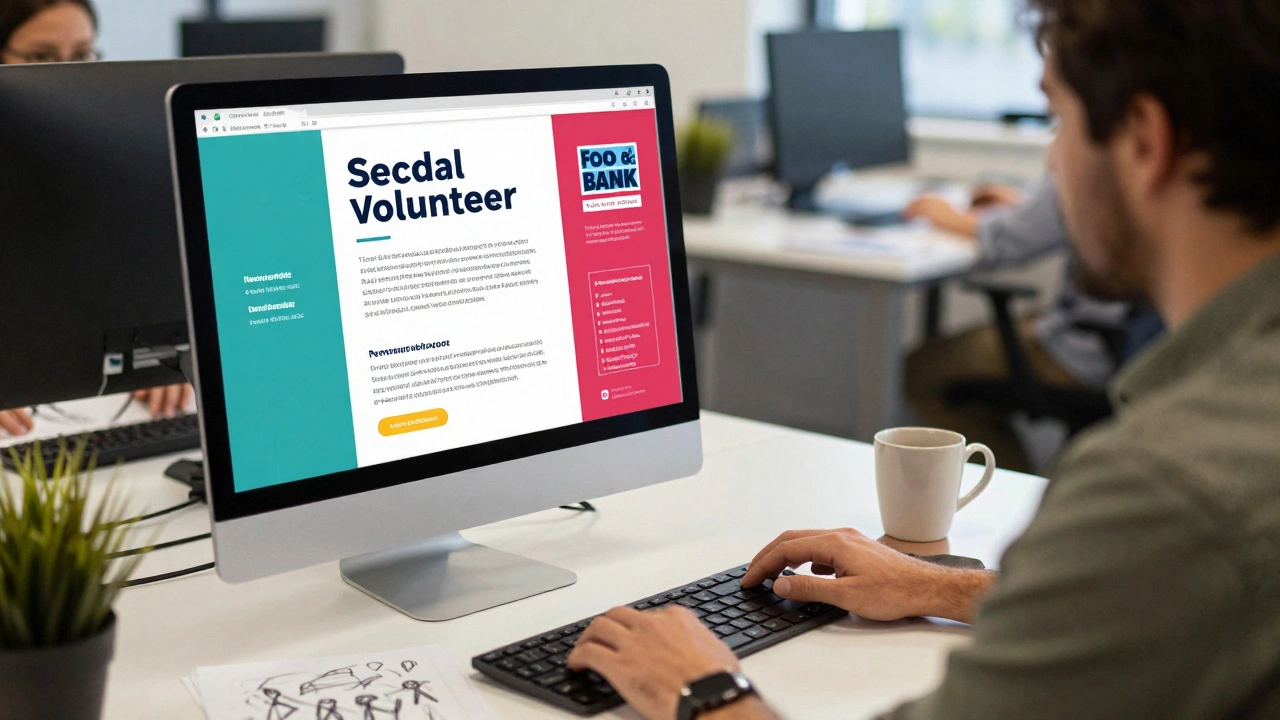
Avoiding the "Donation Dump" Pitfall
There is a dark side to charitable giving: the donation dump. This happens when people treat charity shops as a free waste disposal service. When you drop off three bags of ripped clothes and broken toys, you aren't helping; you're creating a labor and financial burden for the staff who have to sort through it and pay for the waste removal. To avoid this, ask yourself: "Would I give this to a friend?" If the answer is no because it's too worn out or dirty, it's not a donation-it's trash. Be honest about the condition of your items. If a piece of furniture has a deep stain or a chair has a broken leg, it's better to take it to the recycling center than to leave it on a charity's doorstep. Also, be mindful of timing. Dropping off a massive haul of winter coats in the middle of July can overwhelm a small shop's storage. Try to align your giving with the season so the items can be put on the floor and sold immediately to fund the charity's work.How to Find the Right Cause
With thousands of organizations out there, it's easy to feel overwhelmed. The best way to decide what can I give to charity is to look at your own values and your local community. Do you care about animal welfare, climate change, or homelessness? Starting with a passion makes the giving process feel less like a chore and more like a contribution to something you love. Use online directories to check the transparency of a charity. Look for organizations that publish their annual reports and show exactly how much of every pound goes toward the actual cause versus administration. A healthy charity will be open about its spending and its impact. If you're unsure, start small. Try a local "Freecycle" group or a community fridge. These are grassroots ways to give that provide immediate help to people living on your street. Once you see the impact of a small gesture, it's much easier to commit to larger-scale giving.Can I donate old electronics to charity?
Yes, but with caution. Many charities accept working laptops, tablets, and phones. However, you must factory reset your devices to remove personal data. Avoid donating very old monitors (CRTs) or broken printers, as these are often expensive for charities to recycle and may not be accepted.
Is it better to give money or physical goods?
Generally, money is more flexible because the charity can use it to buy exactly what they need at the lowest price. However, physical goods are essential for shelters and food banks. The best approach is to ask the organization what their "current gap" is and fill that specific need.
What happens to clothes that charity shops can't sell?
Items that aren't fit for sale are often sold to textile recyclers in bulk. These are then shredded for insulation, stuffing, or recycled into new fabrics. While this is better than a landfill, the charity makes much less money from recycled textiles than from sold items.
Can I get a tax break for donating my time?
In most cases, you cannot claim a tax deduction for the "value" of your volunteered hours. However, you can often claim back out-of-pocket expenses if you spend your own money to help a charity, such as travel costs or materials bought for a project.
What are some things I didn't know I could donate?
Consider donating blood or platelets, which can save lives immediately. You can also donate "micro-donations" through apps that round up your spare change. Some people even donate their unused gift cards or loyalty points to specific causes.