Environmental Impact Estimator
It’s easy to look at a plastic bottle floating in the ocean or a smokestack belching black clouds and assume we know exactly what is killing our planet. We’ve all seen the images. We’ve heard the warnings. But if you ask scientists what destroys the earth the most, the answer isn’t just one thing. It’s a tangled web of human activities that feed into each other, creating a crisis far bigger than any single pollutant.
We often focus on the visible symptoms-the trash, the smog, the melting ice caps. But the real damage happens beneath the surface, in the soil, in the oceans, and in the complex systems that keep life alive. Understanding the true scale of this destruction requires looking past the headlines and examining the data behind the environmental collapse we are witnessing today.
The Silent Killer: Climate Change and Carbon Emissions
When people talk about what destroys the earth, they usually start with climate change. And for good reason. The burning of fossil fuels-coal, oil, and natural gas-releases carbon dioxide (CO2) and other greenhouse gases into the atmosphere. This isn’t just about hotter summers; it’s about destabilizing the entire planetary system.
Climate change is the long-term alteration of temperature and typical weather patterns in a place. It acts as a threat multiplier. Warmer temperatures lead to more intense storms, longer droughts, and rising sea levels. These changes disrupt agriculture, displace millions of people, and destroy habitats faster than species can adapt.
The energy sector alone accounts for nearly three-quarters of global greenhouse gas emissions. Every time you turn on a light powered by coal or drive a car fueled by gasoline, you are adding to this burden. The impact is immediate and measurable. In 2023, the world experienced its hottest year on record, breaking previous highs set just years before. This trend shows no sign of slowing down without drastic intervention.
- Fossil fuel combustion releases billions of tons of CO2 annually.
- Ocean acidification occurs as the sea absorbs excess carbon, harming marine life.
- Extreme weather events become more frequent and severe, causing billions in economic damage.
Biodiversity Loss: The Collapse of Life Support Systems
If climate change is the fever, then biodiversity loss is the organ failure. We are currently living through what many scientists call the Sixth Mass Extinction. Unlike previous extinctions caused by asteroids or volcanoes, this one is driven entirely by human activity.
Biodiversity refers to the variety of life in the world or in a particular habitat or ecosystem. It includes everything from microscopic bacteria to massive blue whales. Each species plays a role in maintaining the health of ecosystems. Bees pollinate crops. Forests filter water and store carbon. Wetlands absorb floodwaters. When we wipe out these species, we break the chains that hold our environment together.
The rate of extinction is now 1,000 times higher than the natural background rate. According to recent reports from the Intergovernmental Science-Policy Platform on Biodiversity and Ecosystem Services (IPBES), around one million animal and plant species are threatened with extinction, many within decades. This loss is not just tragic; it is dangerous. Without healthy ecosystems, humans lose access to clean air, fresh water, and food security.
| Driver | Impact Level | Key Consequence |
|---|---|---|
| Habitat Destruction | Critical | Loss of shelter and breeding grounds for wildlife |
| Overexploitation | High | Depletion of fish stocks and endangered species |
| Pollution | High | Toxicity in soil, water, and air affecting all life forms |
| Invasive Species | Moderate | Disruption of native ecosystems and competition for resources |
Pollution: Choking the Planet
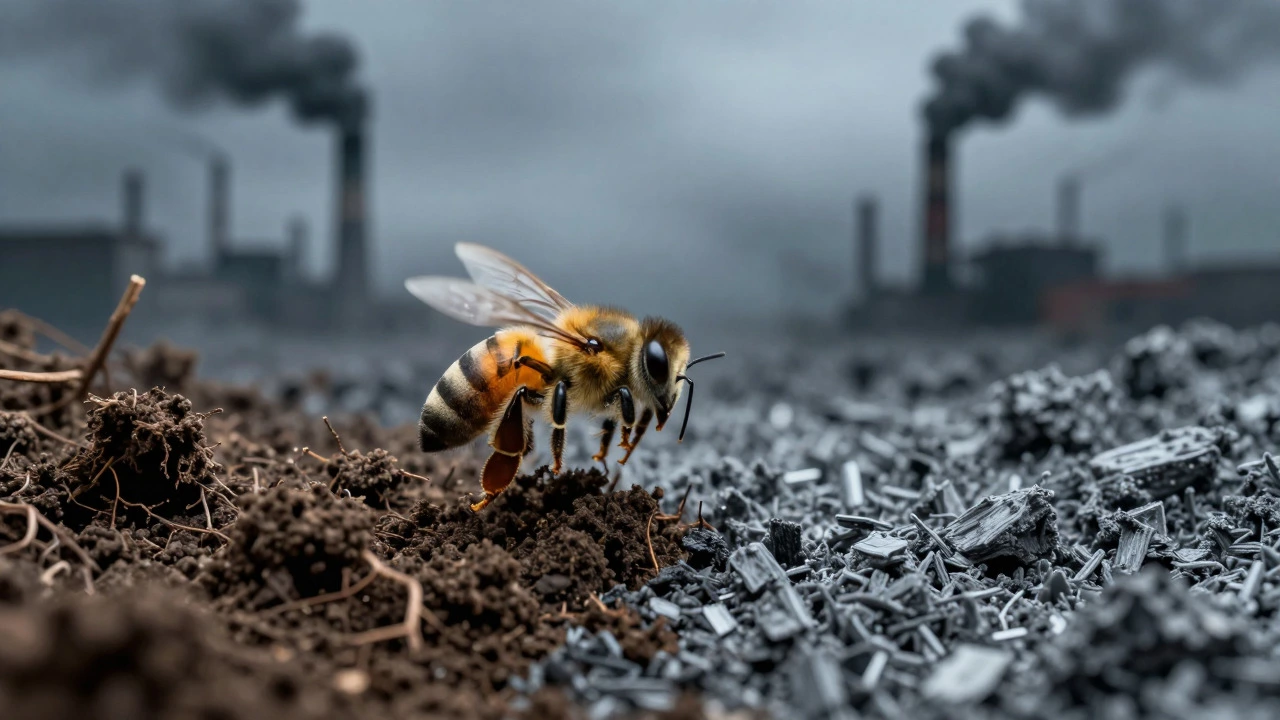
Pollution is perhaps the most visible form of environmental destruction. It comes in many shapes and sizes, but three types stand out as particularly devastating: plastic waste, chemical runoff, and air pollution.
Plastic production has skyrocketed since the 1950s. Today, over 400 million tons of plastic are produced globally each year. A significant portion of this ends up in landfills or the natural environment. Microplastics have been found in the deepest parts of the ocean, on top of mountains, and even in human blood. These tiny particles carry toxins and disrupt hormonal systems in animals and humans alike.
Air pollution kills an estimated seven million people prematurely every year. Particulate matter (PM2.5) from vehicle exhaust, industrial processes, and wood burning penetrates deep into the lungs and enters the bloodstream. It causes heart disease, stroke, lung cancer, and respiratory infections. In cities across Asia and Africa, the air is so thick with smog that residents wear masks just to walk outside.
Chemical pollution from agriculture also poses a massive threat. Fertilizers and pesticides wash into rivers and lakes, creating dead zones where oxygen levels are too low for fish to survive. The largest dead zone in the world sits in the Gulf of Mexico, covering an area larger than some countries. These zones expand every summer due to nutrient runoff from farms upstream.
Deforestation: Cutting Down the Lungs of the Earth
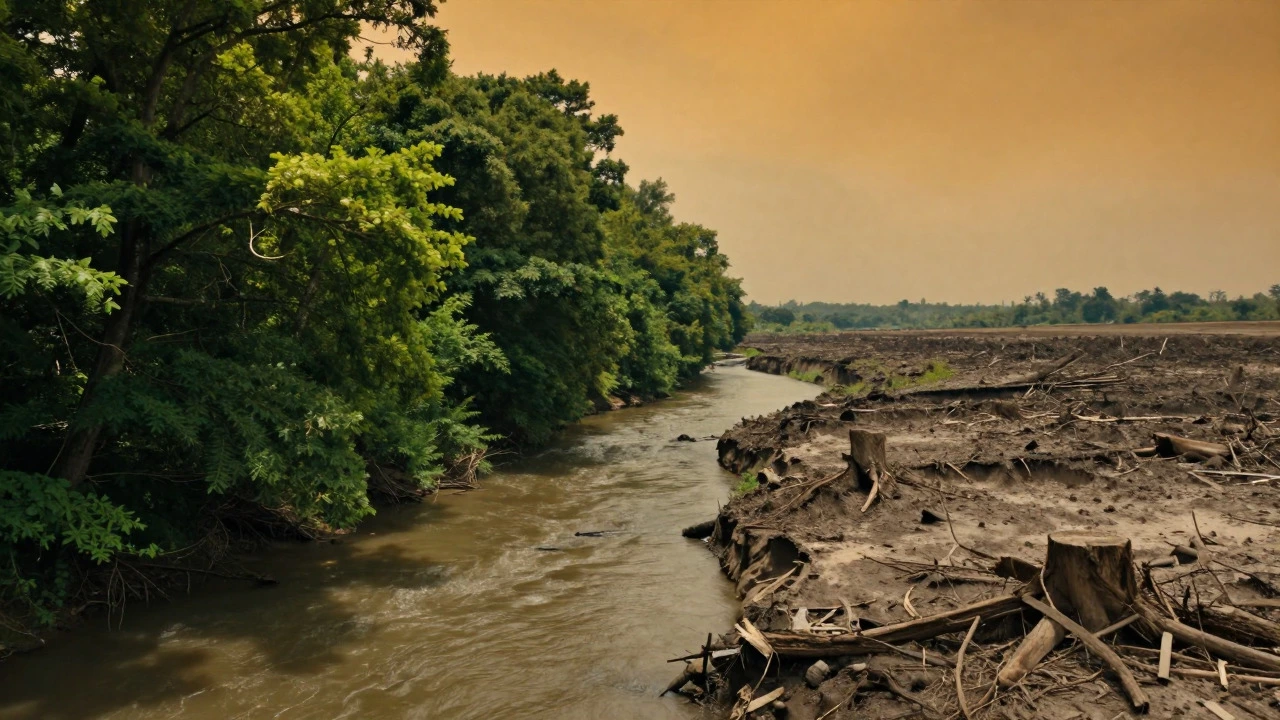
Forests cover about 31% of the global land area. They are home to 80% of terrestrial biodiversity and play a crucial role in regulating the climate. Yet, we are losing them at an alarming rate. Every year, approximately 10 million hectares of forest disappear-roughly equivalent to the size of Iceland.
Deforestation is the permanent removal of trees to make room for something other than forest. The primary drivers include agriculture, logging, mining, and infrastructure development. In the Amazon rainforest, cattle ranching and soybean farming have cleared vast swathes of land. This not only destroys habitats but also releases stored carbon back into the atmosphere, accelerating climate change.
Without trees, soil erodes more easily, leading to landslides and reduced fertility. Rivers silt up, damaging aquatic ecosystems. Indigenous communities who depend on forests for their livelihoods are displaced. The loss of forests weakens the planet’s ability to regulate rainfall and temperature, making extreme weather events worse.
Overconsumption and Resource Depletion
All of these issues stem from a root cause: overconsumption. The average person in high-income countries uses resources at a rate far beyond what the Earth can sustainably provide. If everyone lived like the average American, we would need five planets to support us.
We extract raw materials faster than they can replenish. Freshwater aquifers are being drained for irrigation and industry. Topsoil is degrading due to intensive farming practices. Minerals used in electronics are mined under harsh conditions, leaving scars on the landscape and poisoning local communities.
This linear model of take-make-dispose ignores the limits of our planet. We produce goods designed to be thrown away after short use. Fast fashion, single-use plastics, and planned obsolescence in technology drive constant demand for new resources. The result is a mountain of waste and a depleted Earth.
How Environmental Groups Are Fighting Back
Despite the grim picture, there is hope. Environmental groups around the world are working tirelessly to address these challenges. Organizations like Greenpeace, WWF, and Friends of the Earth advocate for policy changes, protect critical habitats, and raise public awareness.
These groups use various strategies to combat environmental destruction:
- Advocacy: Lobbying governments to pass stricter regulations on emissions and waste.
- Conservation: Purchasing land to create protected areas for wildlife.
- Education: Teaching communities about sustainable practices and recycling.
- Legal Action: Suing corporations and governments for failing to protect the environment.
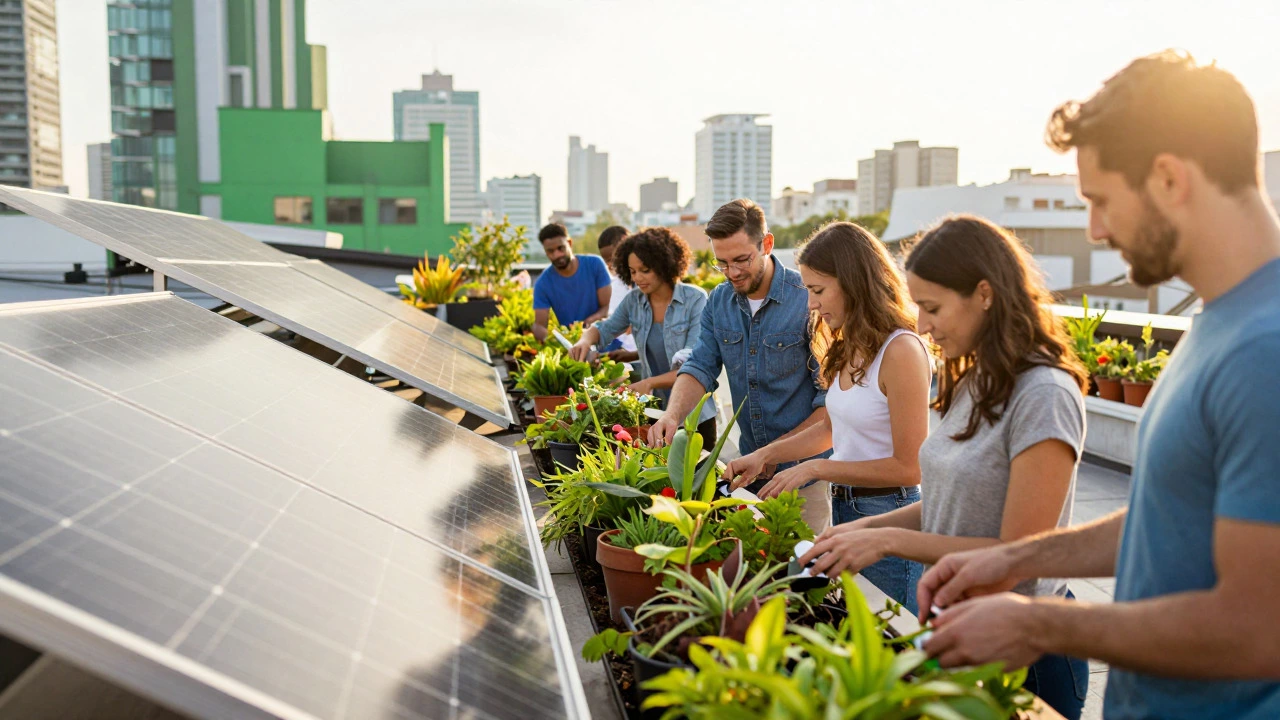
Local initiatives also play a vital role. Community gardens reduce food miles. Solar co-ops bring renewable energy to neighborhoods. Citizen science projects monitor air quality and track bird populations. Small actions add up when done collectively.
What Can You Do?
You might feel powerless against such large-scale problems, but individual choices matter. Here are practical steps you can take to help preserve the Earth:
- Reduce Meat Consumption: Livestock farming contributes significantly to greenhouse gas emissions and deforestation. Eating less meat reduces your carbon footprint.
- Minimize Waste: Recycle properly, compost organic waste, and avoid single-use plastics. Bring reusable bags and bottles wherever you go.
- Conserve Energy: Switch to LED bulbs, unplug devices when not in use, and consider installing solar panels if possible.
- Support Sustainable Brands: Choose products made from recycled materials or sourced ethically. Look for certifications like Fair Trade or Rainforest Alliance.
- Voice Your Opinion: Vote for leaders who prioritize environmental protection. Contact your representatives to demand stronger climate policies.
Every small change counts. When millions of people adopt greener habits, it creates pressure on industries and governments to follow suit. The goal is not perfection but progress.
What is the biggest threat to the Earth right now?
While multiple factors contribute to environmental degradation, climate change driven by fossil fuel emissions is widely considered the most urgent global threat. It exacerbates other issues like biodiversity loss and extreme weather events.
How does plastic pollution affect the environment?
Plastic pollution harms marine life through ingestion and entanglement. Microplastics enter the food chain, potentially affecting human health. Additionally, plastic production relies heavily on petroleum, contributing to greenhouse gas emissions.
Why is biodiversity important for humans?
Biodiversity ensures ecosystem services such as pollination, water purification, and soil formation. Diverse ecosystems are more resilient to disturbances. Losing species weakens these systems, impacting food security and human well-being.
Can individual actions really make a difference?
Yes, individual actions collectively influence market demands and political priorities. By choosing sustainable products and supporting eco-friendly policies, individuals drive systemic change toward a healthier planet.
What role do environmental groups play in protecting the Earth?
Environmental groups advocate for policy reforms, conserve habitats, educate the public, and hold polluters accountable. Their efforts amplify voices demanding action and provide solutions for sustainable living.