Volunteer Grit Self-Assessment
Are you a gritty volunteer? Answer these 5 questions based on your recent experiences to see where you stand between "Drifter," "Resilient Worker," and "Gritty Leader."
Your Grit Profile
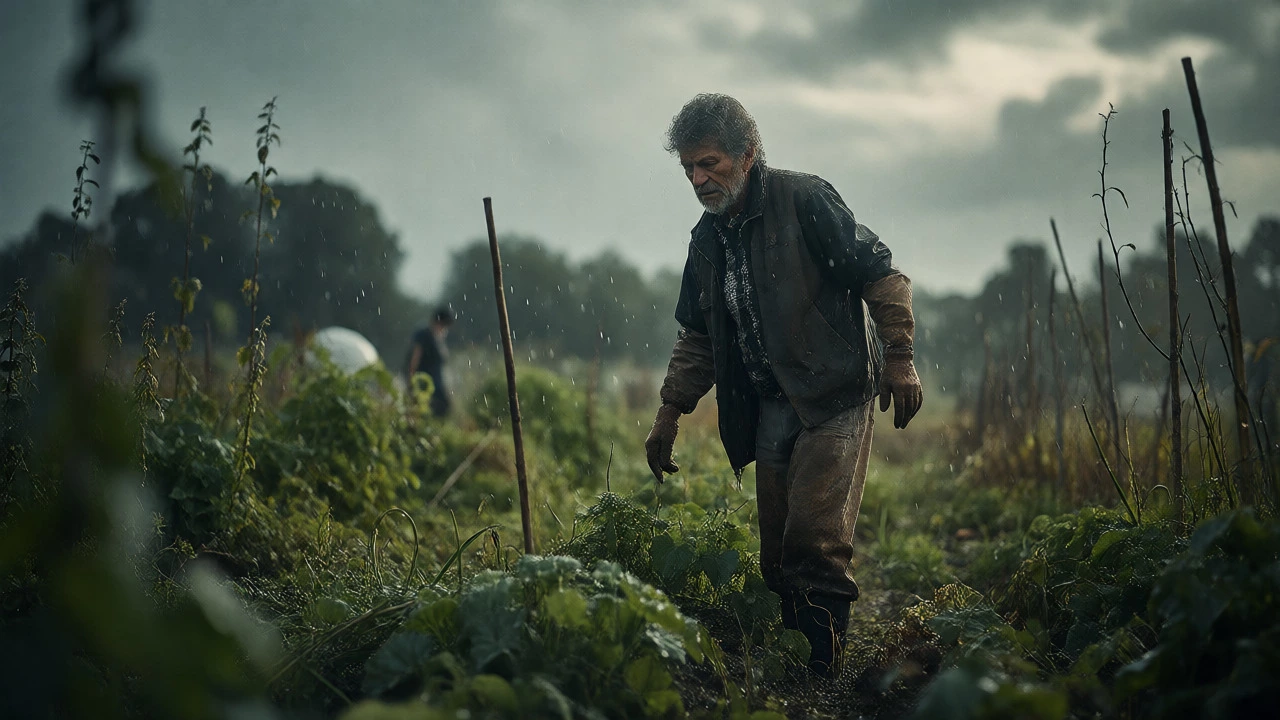
You know that neighbor who shows up to the community garden every single Saturday, rain or shine, even when the weeds are taller than they are. Or the volunteer at the local food bank who has been sorting donations for five years straight, long after the initial excitement faded. What do you call a person who never gives up? Psychologists have a specific term for it: grit. It is not just about working hard; it is about sustaining passion and effort over very long periods, despite setbacks, failures, and plateaus.
In the world of volunteering, grit is the difference between someone who signs up for one clean-up day and someone who helps build a lasting movement. If you are wondering how to cultivate this trait or why it matters so much in community work, you are in the right place. We will break down what grit actually looks like in practice, how it fuels social change, and how you can develop it yourself without burning out.
The Science Behind Sticking With It
Before we get into the trenches of community service, let’s look at where this idea comes from. Grit was popularized by psychologist Angela Duckworth. She defined it as "passion and perseverance for long-term goals." Unlike talent, which is often innate, grit is something you can build. It combines two things: consistency of interest (you care about the same thing for years) and consistency of effort (you keep working at it, even when it gets boring or hard).
Why does this matter for volunteers? Because most charitable work is slow. You don’t fix homelessness overnight. You don’t save an ecosystem in a weekend. If you lack grit, you quit when the results aren’t immediate. If you have grit, you understand that progress is often invisible until it suddenly isn’t.
Grit vs. Resilience: Know the Difference
People often use these words interchangeably, but they are distinct concepts. Understanding the difference helps you apply them correctly in your volunteer life.
| Attribute | Grit | Resilience |
|---|---|---|
| Focus | Long-term goal achievement | Bouncing back from adversity |
| Timeframe | Years or decades | Short-term recovery |
| Mindset | "I will stick with this until I succeed" | "I will recover from this setback" |
| Volunteer Application | Committing to a multi-year project | Handling a difficult client interaction |
You need both. Resilience helps you survive the bad days-the rude phone calls, the funding cuts, the exhaustion. Grit keeps you coming back year after year because you believe in the mission. Without resilience, you burn out. Without grit, you drift away.
Real-World Examples of Grit in Action
Let’s make this concrete. Imagine you are volunteering with a charity focused on youth literacy. In the first month, you read to kids, and they love it. You feel great. Then, three months in, the novelty wears off. The kids are still there, but the progress is slow. Some children are disruptive. The funding grant hasn’t come through yet. This is the "valley of despair" where most volunteers quit.
A gritty volunteer doesn’t quit. They adjust their strategy. Maybe they try different books. Maybe they ask for training on classroom management. They stay because their identity is tied to helping these kids learn, not just to feeling good about themselves today. That sustained effort leads to measurable outcomes-like higher reading scores-that only appear after consistent work.
Another example: environmental cleanup groups. Cleaning a riverbank once is nice. But changing the behavior of a community so they stop dumping trash requires years of education, lobbying, and physical labor. Those who persist are driven by grit. They accept that cultural change is slow.

How to Build Grit in Your Volunteer Work
If you feel like you give up too easily, don’t worry. Grit is a muscle. Here is how to train it.
- Pick one big goal: Don’t scatter your energy across ten different charities. Choose one cause that genuinely interests you. Commit to it for at least a year. Consistency builds depth.
- Embrace the boredom: Most important work is repetitive. Sorting cans, filing paperwork, walking dogs. Learn to find satisfaction in the routine itself, not just the outcome.
- Reframe failure: When a project fails, don’t see it as a personal defeat. See it as data. What didn’t work? How can you tweak the approach next time?
- Find your tribe: Grit is easier when you’re surrounded by others who share your values. Join a team, not just a task list. Shared commitment reinforces individual persistence.
It also helps to track your progress visually. Keep a journal of small wins. Did you help one person? Did you raise £50? Write it down. When motivation dips, look back at the evidence of your impact.
The Dark Side: When Persistence Becomes Stubbornness
There is a fine line between grit and stubbornness. Grit is adaptive; stubbornness is rigid. A gritty volunteer listens to feedback and changes tactics while keeping the ultimate goal in mind. A stubborn volunteer insists on doing things the same way, even when it’s clearly not working.
Ask yourself: Am I sticking with this because it’s effective, or because I’m afraid to admit it might be wrong? Sometimes, quitting a specific role is an act of grit if it means you can redirect your energy to where you are more needed. True perseverance is about serving the mission, not protecting your ego.

Why Communities Need Gritty Volunteers
Non-profits operate on tight budgets and high turnover. Staff members leave for better-paying jobs. New volunteers arrive full of energy and then vanish. The backbone of any organization is the people who stay. These individuals provide institutional memory. They know where the files are, who to call for emergency supplies, and how to calm down an angry donor.
This stability allows organizations to plan long-term projects. They can launch initiatives that take three years to bear fruit because they trust that their core team will still be there. Without gritty volunteers, charities become reactive rather than strategic, constantly firefighting instead of building solutions.
Practical Steps to Start Today
You don’t need to be a superhero to start. Here is a simple checklist to assess and boost your own grit in volunteering:
- Evaluate your current commitments. Are you spread too thin?
- Identify one area where you have lost motivation recently. Why?
- Set a micro-goal for the next week (e.g., attend two meetings, complete one shift).
- Connect with a mentor or peer who has stayed with the organization for more than two years. Ask them what kept them going during tough times.
- Reflect monthly on whether your actions align with your stated values.
Remember, nobody starts with perfect grit. It grows through action. Every time you show up when you’d rather stay in bed, you strengthen that mental muscle.
Is grit something you are born with or can you learn it?
While some personality traits are innate, research suggests grit is highly malleable. You can grow it by practicing deliberate effort, maintaining a growth mindset, and finding purpose in your work. It is less about talent and more about habit formation and emotional regulation.
How is grit different from just being hardworking?
Hard work is intense effort over a short period. Grit is sustained effort over a long period. You can work hard for a week and quit. Grit involves staying interested and committed for months or years, especially when progress slows down or obstacles arise.
Can volunteering burnout destroy my grit?
Burnout threatens grit, but it doesn’t have to destroy it. Burnout is usually a result of chronic stress without adequate recovery. To protect your grit, ensure you balance service with self-care. Taking breaks is part of sustainable perseverance, not a sign of weakness.
What are signs that I am losing my grit in a volunteer role?
Common signs include frequent excuses to skip shifts, cynicism about the organization’s mission, feeling resentful rather than fulfilled, and a drop in the quality of your work. If you notice these, it may be time to reassess your role or seek support.
Does grit guarantee success in fundraising or community projects?
No, grit increases the probability of success but doesn’t guarantee it. External factors like economic conditions, policy changes, or organizational leadership play huge roles. However, gritty individuals are more likely to adapt to these challenges and find alternative paths to their goals.