Charity Gala Profitability Calculator
Event Details & Revenue
Financial Analysis
Net Revenue
$0
Enter details to calculateBreakdown
More Than Just a Fancy Dinner
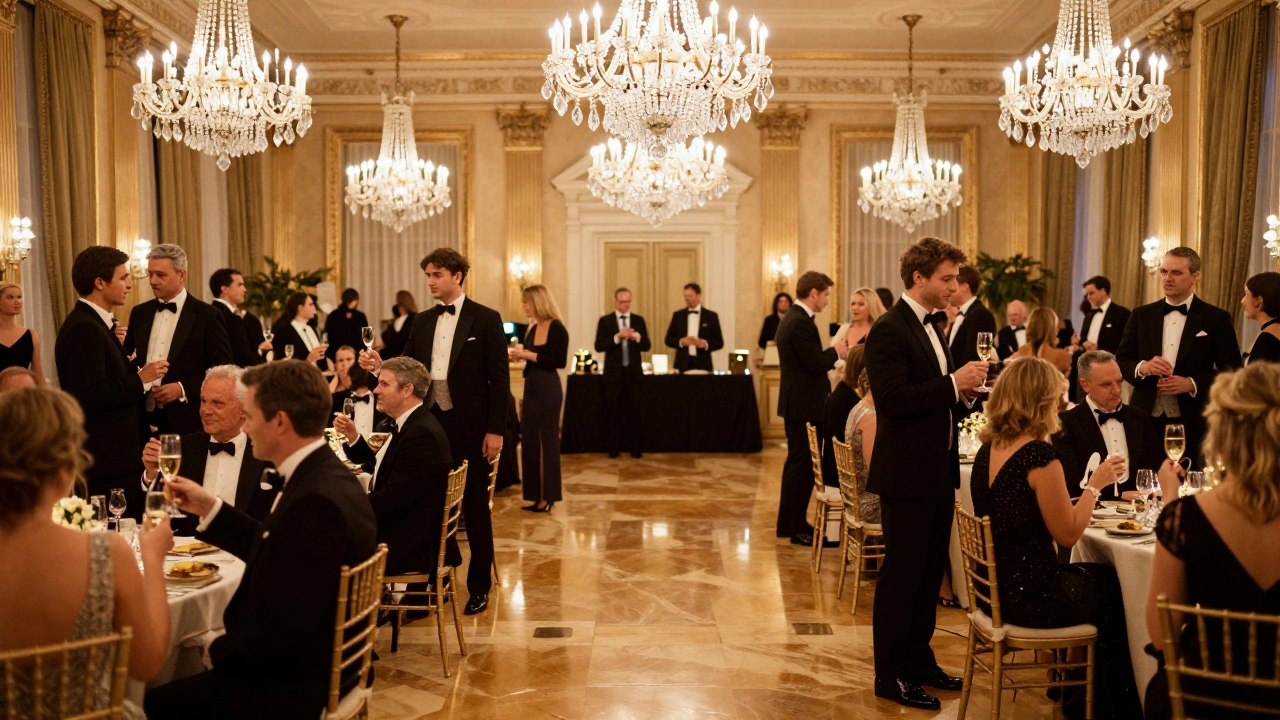
You’ve probably seen the photos: people in tuxedos and evening gowns, clinking champagne glasses under crystal chandeliers, while a silent auction buzzes in the corner. It looks like pure glamour. But there is a serious engine running beneath that sparkle. A charity ball, also known as a gala dinner or fundraising gala, is a formal fundraising event organized by a nonprofit organization to raise money for a specific cause. These events are not just about looking good; they are strategic financial tools designed to bring high-net-worth individuals, corporate sponsors, and dedicated donors into one room.
Think of it this way: if a bake sale is a grassroots effort, a charity ball is the heavyweight champion of major gift fundraising. The goal isn’t just to collect small donations from many people. It is to secure large commitments from fewer, more influential people. Whether it supports cancer research, local arts, or homeless shelters, the structure remains the same: sell tickets, attract sponsors, and create an experience so memorable that guests open their wallets.
How Does a Charity Ball Actually Work?
The mechanics of a charity gala rely on a mix of revenue streams. You might think the money comes solely from ticket sales, but that is only part of the picture. In fact, ticket sales often cover the basic costs of the venue and catering. The real profit-and the impact-comes from other areas.
Here is where the money usually comes from:
- Sponsorships: Companies pay thousands to have their logos on banners, programs, and digital ads. This is often the biggest revenue source.
- Silent and Live Auctions: Guests bid on unique experiences, art, or luxury items. The proceeds go directly to the charity.
- Paddle Raises: During speeches, hosts ask attendees to raise numbered paddles to pledge specific amounts (e.g., $1,000, $5,000) on the spot.
- Direct Donations: Cash boxes or QR codes for immediate giving during the event.
The key is the "net" revenue. If you spend £50,000 on a venue and food, you need to generate significantly more than that to make the event worthwhile. Successful organizations aim for a net return of at least 30-50% after all expenses are paid.
The Anatomy of a Successful Event
Organizing a benefit concert or formal dinner requires meticulous planning. It involves a committee, often led by an executive director or a volunteer chairperson. The timeline usually starts 6 to 12 months in advance.
First, you need a compelling theme. "Dinner in the Dark" for a blindness charity or "Gala on the Green" for an environmental group creates buzz. Next is the venue. Hotels, historic mansions, and museums are popular choices because they offer built-in elegance and staff. Catering is crucial-guests expect high-quality food and drink, which justifies the ticket price.
Entertainment plays a huge role. It could be a live band, a DJ, or even a performance by a well-known artist who donates their time. The entertainment keeps energy high between meals and encourages socializing, which is where deals are made and relationships are strengthened.

Who Attends These Events?
If you are wondering whether you fit in at a nonprofit fundraiser, the answer depends on the specific event. Generally, the audience falls into three categories:
- Major Donors: Individuals with significant wealth who can make large tax-deductible contributions. They attend to show support for causes they care about and to network with peers.
- Corporate Representatives: Executives from companies that sponsor the event. For them, it is a form of Corporate Social Responsibility (CSR) and brand visibility.
- Community Supporters: Regular donors, volunteers, and staff members who buy tickets to celebrate the mission. They provide the atmosphere and enthusiasm.
You do not need to be a millionaire to attend. Many charities offer tiered ticket prices or scholarships for students and young professionals. The dress code is typically "black tie" or "formal," meaning suits and tuxedos for men, and evening gowns or cocktail dresses for women. However, some modern galas opt for "creative black tie" or even casual themes to lower barriers to entry.
Why Do Charities Still Hold Balls?
In a world of online crowdfunding and viral social media campaigns, why bother with expensive physical events? The answer is human connection. Digital platforms are great for reaching millions with small amounts. But to raise large sums, you need trust, relationship, and emotion.
A charity event allows donors to see the impact firsthand. Hearing a beneficiary speak live, seeing the excitement in the room, and feeling the collective generosity creates a powerful psychological trigger. It transforms abstract statistics into personal stories. Furthermore, these events serve as a "thank you" to top supporters, making them feel valued and part of an exclusive community.

Tips for Attendees
If you are invited to your first fundraising gala, here is how to make the most of it:
- Arrive Early: The pre-dinner reception is when networking happens. Meet the organizers, sponsors, and other guests before the rush of dinner.
- Participate in the Auction: Even if you don’t win, bidding shows engagement. Look for items that align with your interests.
- Be Prepared for the Ask: When the host asks for pledges, decide beforehand what you are comfortable giving. It’s okay to say no, but having a number in mind helps.
- Dress Appropriately: Check the invitation for the dress code. When in doubt, overdressing is safer than underdressing.
- Follow Up: Connect with new contacts on LinkedIn or via email after the event. Relationships built at galas can lead to future opportunities.
The Evolution of the Charity Ball
Traditionally, these events were stiff and overly formal. Today, they are evolving. Hybrid events, which combine in-person attendance with virtual streaming, became common post-pandemic and continue to grow. This allows remote donors to participate in auctions and donate digitally. Themes are becoming more interactive, with immersive installations, photo booths, and experiential marketing elements that encourage social sharing.
Moreover, transparency is now expected. Modern attendees want to know exactly how their money will be used. Successful galas now include clear messaging about the specific projects funded by the night’s proceeds, such as "£50,000 raised tonight will build one new clinic." This direct link between donation and impact increases donor confidence and satisfaction.