Fun Run Fundraising Calculator
Event Parameters
Projected Outcome
- Entry Fees Revenue $0
- Sponsorship Revenue $0
- Difference from Goal -$0
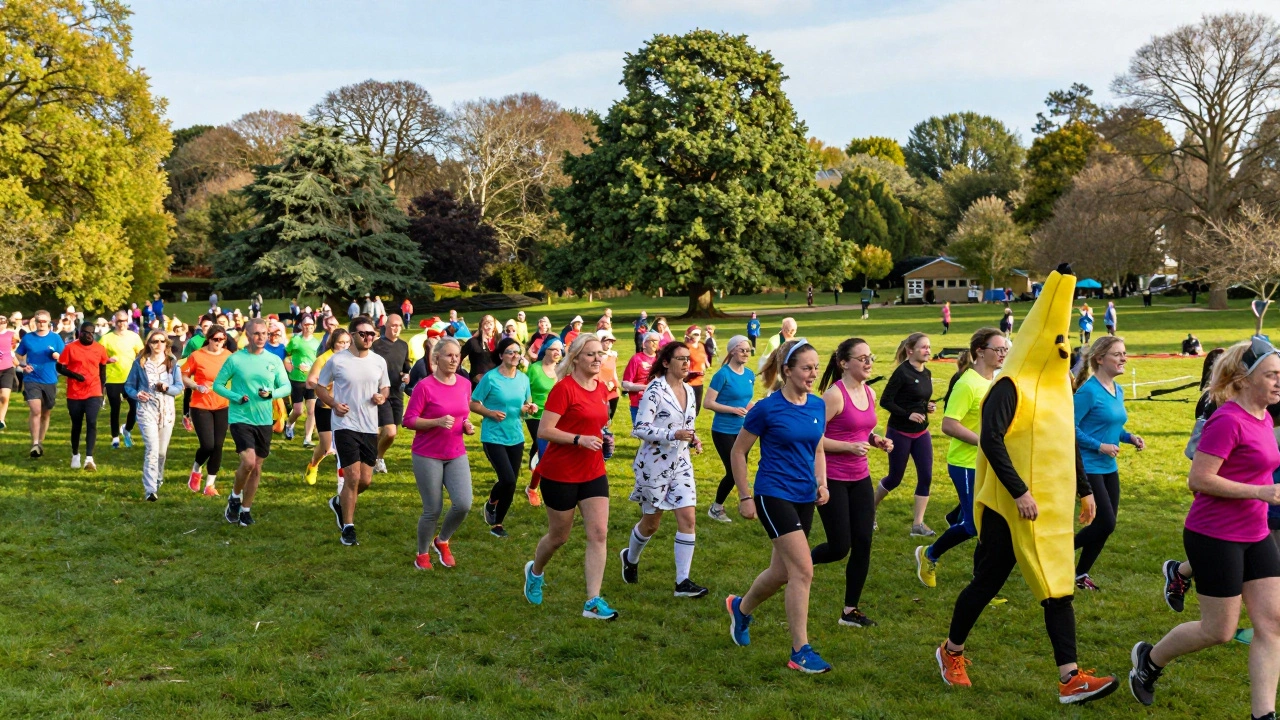
Picture this: it’s a crisp Saturday morning in July. The air is fresh, maybe a bit chilly if you’re in Edinburgh, but the energy is warm. Hundreds of people are lining up at the park entrance. They aren’t wearing matching uniforms or expensive gear. Some are in neon spandex, others in pajamas, and a few might even be dressed as giant bananas. They aren’t here for a medal or a personal best. They are here to run-or walk, or shuffle-because someone they care about needs help.
This is the essence of a fun run fundraiser. It is a charitable event where participants pay an entry fee or raise money from sponsors to take part in a recreational race. Unlike competitive marathons, the focus isn’t on speed; it’s on community, fun, and raising vital funds for a cause.
The Anatomy of a Fun Run
To understand what makes these events tick, we need to look past the finish line tape. A fun run is actually a complex mix of logistics, psychology, and community spirit. At its core, it transforms physical activity into financial support for charities.
Here is how the basic structure works:
- The Entry Fee: Participants pay a set amount to register. This goes directly to the organizer or the charity.
- Sponsorships: Many runners ask friends, family, and local businesses to donate per mile or a flat amount. This often raises more money than the entry fee alone.
- The Course: Routes vary from 1K (great for toddlers) to 5K (the standard adult distance) to 10K. Some events offer a "walk/run" option to ensure inclusivity.
- The Vibe: Music, costumes, post-race food trucks, and face painting create an atmosphere that feels like a festival rather than a sport.
Why does this model work so well? Because it lowers the barrier to entry. You don’t need to train for six months to participate. You just need to show up. This accessibility means a wider pool of donors, which translates to higher total revenue for the cause.
Why Fun Runs Are Effective for Charity
You might wonder why organizations choose runs over galas or auctions. The answer lies in engagement and scale. Traditional fundraising events often target high-net-worth individuals. A fun run targets everyone.
Consider the multiplier effect. When one person signs up for a 5K, they tell ten friends. Those friends might not run, but they might buy a t-shirt, donate £5, or come along to cheer. The event becomes a social hub. In cities like London or New York, major fun runs draw tens of thousands of participants. Even small town events can generate significant buzz because they involve local schools, sports clubs, and neighborhood groups.
Moreover, fun runs build long-term relationships with donors. Someone who sponsors your run today is likely to remember your organization next year. It creates a sense of ownership among the community. People feel good about contributing physically and financially, which strengthens their emotional connection to the charity’s mission.
Planning Your Own Fun Run Fundraiser
If you’re thinking about organizing one, you’re stepping into a role that requires both creativity and meticulous planning. Here is a step-by-step approach to getting started.
1. Define Your Goal and Cause
Before you pick a date, decide what you’re raising money for. Is it for a specific medical research project? A local animal shelter? A school building fund? Having a clear, compelling story helps attract sponsors. For example, "Run for Reading" is more tangible than "Help Our School."
2. Choose the Right Date and Location
Avoid clashing with other major local events. Check the weather patterns for your region-if you’re in Scotland, maybe avoid January unless you want a polar plunge theme. Look for parks or closed-off streets that allow for easy access and parking. Ensure you have permission from local authorities. In many places, you’ll need permits for road closures, noise levels, and public gatherings.
3. Set Up Registration and Sponsorship Platforms
Use digital tools to handle sign-ups. Platforms like Eventbrite or specialized charity sites make it easy for people to pay entry fees and create sponsorship pages. Make sure the platform allows for recurring donations and shares updates via email.
4. Recruit Volunteers
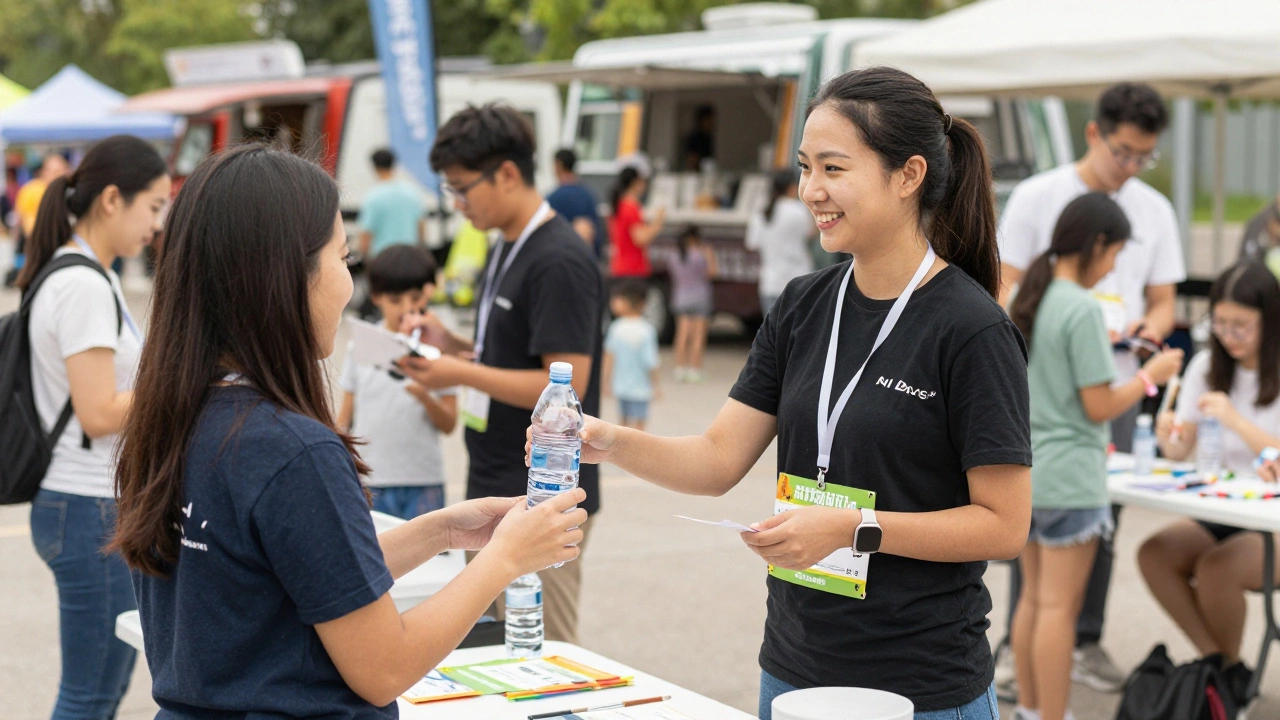
You cannot do this alone. You’ll need people for registration tables, water stations, course marshals, and cleanup. Reach out to local universities, scout groups, or corporate volunteer teams. Offer them free entry and snacks in return.
5. Market the Event
Start early. Use social media, local newspapers, and community boards. Highlight the fun aspects-costume contests, live music, and post-race parties. Partner with local businesses for sponsorships. A bakery might provide muffins; a gym might offer discount memberships to participants.
Tips for Participants: How to Maximize Your Impact
If you’re joining a fun run, your goal isn’t just to cross the finish line-it’s to raise as much as possible. Here is how to stand out.
- Create a Personal Story: Why are you running? Did you lose someone to cancer? Do you love animals? Share this on your sponsorship page. People donate to stories, not just statistics.
- Start Early: Don’t wait until the week before. Start asking for donations a month in advance. Send gentle reminders.
- Leverage Your Network: Ask your employer for a matching gift program. Many companies will match employee donations up to a certain amount.
- Engage Online: Post training updates, funny costume ideas, or progress bars on social media. Keep your supporters engaged.
- Have Fun! If you’re having a great time, your enthusiasm will rub off on others. Smile, wave, and enjoy the day.
Common Pitfalls to Avoid
Even the best-laid plans can go sideways. Here are some common mistakes organizers make and how to fix them.
| Mistake | Impact | Solution |
|---|---|---|
| Poor Communication | Participants arrive late or confused | Send multiple emails with maps, times, and FAQs |
| Inadequate Water Stations | Dehydration and negative feedback | Place water every 1-2 miles; have extra supplies |
| Ignoring Weather | Event cancellation or safety risks | Have a rain plan; monitor forecasts closely |
| Complex Logistics | Long lines and frustration | Use timed entry slots; have enough staff |
Another critical aspect is safety. Ensure you have first aid kits and trained personnel on site. If the route involves roads, coordinate with traffic control services. Liability insurance is also a must-check item for any organizer.

Variations on the Theme
Fun runs aren’t one-size-fits-all. Over the years, creative twists have emerged to attract different audiences.
- Night Runs: Held after dark with LED lights and glow sticks. Great for summer evenings.
- Costume Runs: Encourage themed outfits. Think superheroes, historical figures, or puns. These are highly shareable on social media.
- Virtual Runs: Participants run anywhere, anytime, and log their miles online. This expands reach globally.
- Family-Friendly Relays: Teams of mixed ages run short segments together. Perfect for involving kids and grandparents.
Each variation serves a different purpose. Night runs appeal to young adults looking for a party vibe. Family relays strengthen community bonds. Virtual runs remove geographical barriers. Choose the format that best fits your audience and goals.
The Future of Fun Run Fundraisers
As technology evolves, so do these events. Wearable tech now allows real-time tracking of participant progress, which can be displayed on leaderboards or used for gamification. Apps enable instant donation processing via QR codes, reducing friction for supporters.
Additionally, there is a growing emphasis on sustainability. Organizers are moving away from single-use plastics, opting for reusable cups and digital tickets. Courses are designed to minimize environmental impact, and waste management plans are integral to the setup.
Despite these changes, the core remains the same: bringing people together for a good cause. Whether you’re lacing up your sneakers for the first time or managing the logistics for the tenth year, the joy of seeing a community unite is unmatched.
How much money can a fun run raise?
The amount varies widely based on size and location. Small local events might raise £1,000-£5,000, while large city-wide events can generate hundreds of thousands or even millions. Key factors include participant count, average sponsorship per person, and corporate partnerships.
Do I need to be a fast runner to participate?
Absolutely not. Fun runs are inclusive by design. Most events welcome walkers, joggers, and runners of all speeds. The focus is on participation and fundraising, not competition. Many events have no cut-off time.
What permits do I need to organize a fun run?
Requirements depend on your location. Generally, you’ll need permits for road closures, public assembly, and noise. You may also need health and safety certifications, liability insurance, and approval from local councils or parks departments. Start applying at least 3-6 months in advance.
Can children participate in fun runs?
Yes, many fun runs include shorter distances like 1K or 2K specifically for children. Some events require parental supervision for younger participants. Always check the age restrictions and safety guidelines for each event.
How do I find sponsors for my fun run?
Reach out to local businesses that align with your cause. Offer them visibility through logos on t-shirts, banners, or social media mentions. Corporate sponsors often look for community engagement opportunities, so present a clear proposal outlining benefits and reach.