Green Community Self-Assessment
Answer the following questions honestly to see where your current living environment stands on the path to becoming a true Green Community.
1. Energy & Infrastructure
2. Waste Management
3. Transportation
4. Community & Nature
Your Green Community Score
0%Recommended Next Steps:
You’ve probably seen the term "green community" popping up in local news or on social media feeds lately. But what does it actually mean? It’s not just about planting a few trees in the park or recycling your plastic bottles. A green community is a residential area where residents actively collaborate to reduce their environmental footprint while improving quality of life. Think of it as a neighborhood that treats sustainability as a shared project rather than an individual chore.
If you’re wondering whether your street could qualify, or if you want to start one, this guide breaks down exactly how these communities function. We’ll look at the core pillars, real-world examples, and the tangible benefits for people who live there. No jargon, no fluff-just practical insights into building a place that works better for both people and the planet.
The Core Definition: More Than Just Recycling
At its heart, a green community integrates environmental responsibility into daily life through collective action. Unlike isolated efforts by single households, these groups leverage shared resources and governance structures to achieve larger impacts. The Environmental Protection Agency (EPA) defines such communities by their focus on reducing waste, conserving energy, and promoting healthy ecosystems within a defined geographic boundary.
This definition might sound broad, but the execution is specific. It involves coordinated decisions about housing design, transportation, food sourcing, and waste management. For instance, instead of every household buying a lawnmower, a community might maintain a tool library. Instead of driving separate cars to the grocery store, they might organize a carpool network or advocate for better bus routes. The key differentiator is the systemic approach. Individual actions matter, but structural changes driven by community consensus create lasting change.
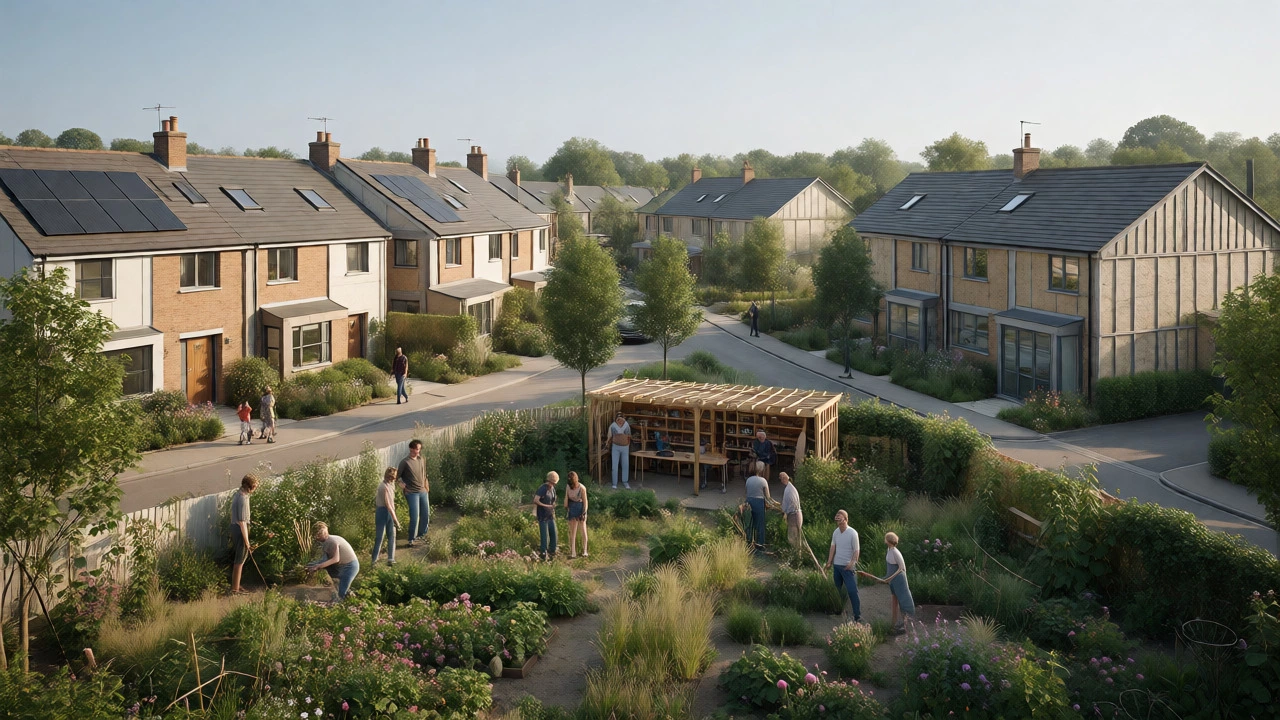
Consider the difference between a standard suburb and a green community. In the former, residents might recycle occasionally if it’s convenient. In the latter, composting programs are standardized, rainwater harvesting systems are installed in public spaces, and local zoning laws prioritize pedestrian access over parking lots. This shift from passive compliance to active stewardship is what defines the concept.
Key Pillars of Sustainable Neighborhoods
To understand how a sustainable living model operates, we need to look at its foundational elements. These aren’t optional add-ons; they are the infrastructure that supports the lifestyle.
- Energy Efficiency: This goes beyond LED bulbs. Green communities often invest in solar panels for common areas, improve insulation in older homes through grants, and switch to renewable energy providers. Some even implement microgrids, allowing neighbors to share excess power generated by their rooftop panels.
- Waste Reduction: Landfills are expensive and environmentally damaging. These communities aim for zero-waste goals by setting up comprehensive composting facilities and banning single-use plastics in local shops. Shared repair cafes help extend the life of appliances and furniture, keeping them out of the trash.
- Green Spaces and Biodiversity: Concrete jungles don’t support wildlife. Green communities prioritize native plants, pollinator gardens, and urban forests. These spaces aren’t just pretty; they manage stormwater runoff, reduce heat islands, and provide mental health benefits for residents.
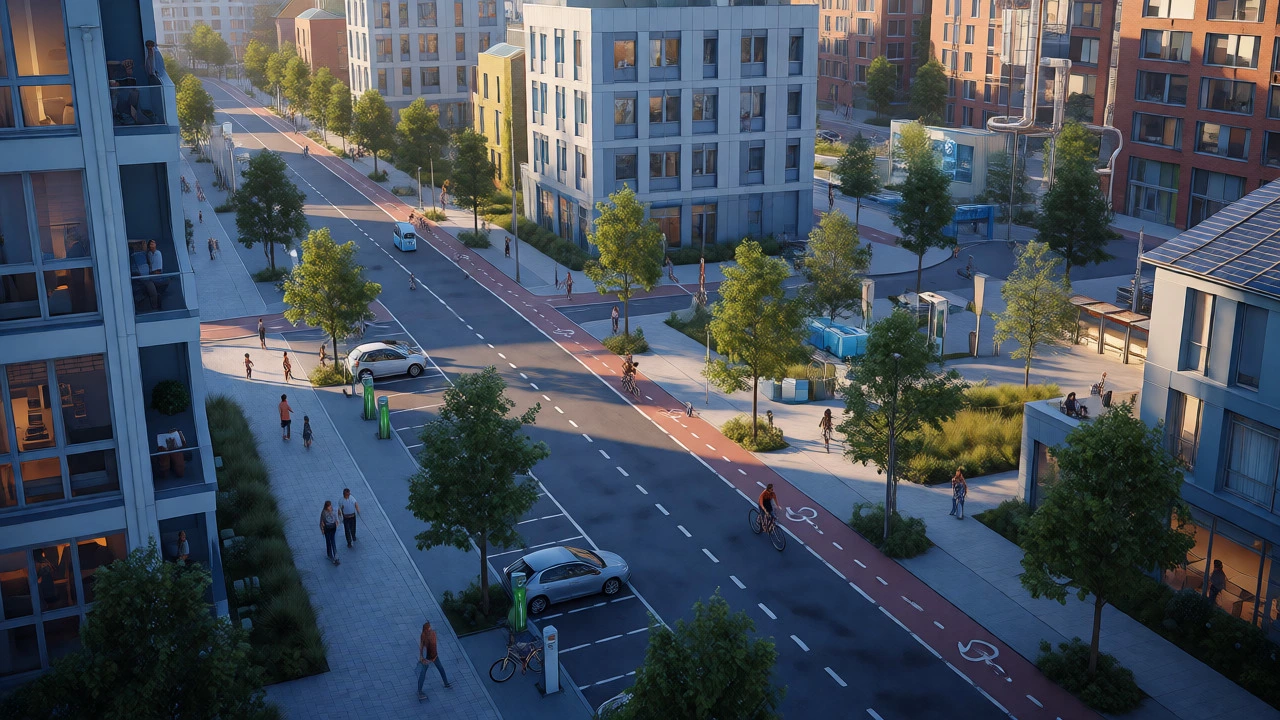
- Sustainable Transportation: Car dependency is a major source of emissions. By designing walkable streets, installing bike lanes, and supporting electric vehicle charging stations, these neighborhoods reduce the need for private cars. Proximity to public transit is also a critical factor.
Each pillar reinforces the others. Better insulation reduces energy costs, which frees up funds for community projects like tree planting. Improved walkability encourages people to leave their cars at home, further lowering emissions. It’s a holistic ecosystem of small, interconnected improvements.
Real-World Examples: What Does Success Look Like?
Theory is useful, but seeing is believing. Let’s look at two distinct models that illustrate how diverse green communities can be.
Vauban, Freiburg, Germany is often cited as a gold standard. Built on a former military base, this district was designed with strict sustainability criteria. Most families here don’t own cars; those who do must park in garages outside the neighborhood, costing extra money. The result? Streets are safe for children to play on, air quality is high, and social interaction is frequent because people are walking or biking past each other. Energy consumption is near-zero thanks to passive house standards.
In contrast, Hammarby Sjöstad, Stockholm, Sweden transformed an industrial wasteland into a vibrant residential area. Their innovation lies in the "Hammarby Model," a closed-loop system for water, waste, and energy. Sewage sludge becomes biogas for buses and heating; household waste is incinerated for district heating; and stormwater is cleaned naturally before entering Lake Mälaren. This example shows how existing cities can retrofit old infrastructure into modern green solutions.
These cases prove that geography doesn’t dictate success. Whether you’re in a dense European city or a sprawling American suburb, the principles of resource efficiency and community engagement apply universally.
Benefits Beyond the Planet
Why should you care if your neighbor starts composting? Because the benefits ripple outward into your wallet and your well-being. Critics often argue that going green is expensive. While upfront costs exist, long-term savings are significant.
Financially, energy-efficient homes have lower utility bills. According to the U.S. Department of Energy, efficient buildings can save homeowners 30% or more on heating and cooling costs. Additionally, properties in well-maintained green neighborhoods often hold higher resale values due to perceived desirability and lower operating costs.
Socially, these communities foster stronger connections. When neighbors work together on a garden plot or attend a town hall meeting about solar installations, trust builds. This social capital is crucial during crises. During recent climate events, tight-knit communities recovered faster because residents knew who needed help and who had resources to spare. Health-wise, cleaner air and more physical activity (walking vs. driving) correlate with lower rates of respiratory issues and obesity.
How to Start or Join a Green Initiative
You don’t need to move to Germany to live in a green community. You can transform your current block. Here’s a practical roadmap for getting started.
- Audit Your Area: Walk around your neighborhood. Note the problems: excessive traffic, lack of shade, overflowing bins. Identify quick wins, like adding a recycling bin or organizing a cleanup day.
- Find Your Allies: Talk to neighbors. You’ll likely find others frustrated by the same issues. Use local Facebook groups or Nextdoor apps to gauge interest. Look for existing environmental groups already working in your city-they might offer templates or funding.
- Pilot a Small Project: Don’t try to change everything at once. Start with a community garden or a monthly swap meet for clothes and tools. Success breeds momentum.
- Engage Local Government: Attend council meetings. Advocate for bike lanes or better waste collection schedules. Politicians respond when organized blocks show up consistently.
- Educate and Celebrate: Host workshops on composting or energy audits. Make sustainability fun, not preachy. Celebrate milestones publicly to keep morale high.
Remember, perfection isn’t the goal. Progress is. A community that recycles 50% of its waste today will likely hit 70% next year if the culture remains positive and inclusive.
| Feature | Traditional Neighborhood | Green Community |
|---|---|---|
| Transportation | Car-dependent, limited sidewalks | Walkable, bike lanes, EV charging |
| Waste Management | Single-stream recycling, landfill reliance | Composting hubs, repair cafes, zero-waste goals |
| Energy Source | Mixed grid, low insulation | Renewables, passive house standards, smart meters |
| Community Interaction | Low, privacy-focused | High, shared gardens, regular meetings |
| Cost Structure | Lower upfront, higher utility bills | Higher initial investment, lower long-term costs |
Common Misconceptions About Eco-Living
Several myths stop people from engaging with green initiatives. Let’s bust a few.
Myth 1: It’s only for wealthy people. While some eco-homes are luxury items, many green practices save money. Line-drying clothes, growing herbs, and sharing tools cost little but yield big returns. Moreover, government grants often subsidize retrofits for lower-income households.
Myth 2: It requires sacrificing comfort. Modern green technology enhances comfort. Better insulation keeps homes warmer in winter and cooler in summer. Air quality improves, leading to fewer allergies. You’re not giving up convenience; you’re upgrading your environment.
Myth 3: One person can’t make a difference. True, individual actions have limits. But when individuals form a group, their impact scales exponentially. Collective bargaining power allows communities to negotiate better rates for renewable energy or pressure developers for greener designs.
Next Steps for Your Neighborhood
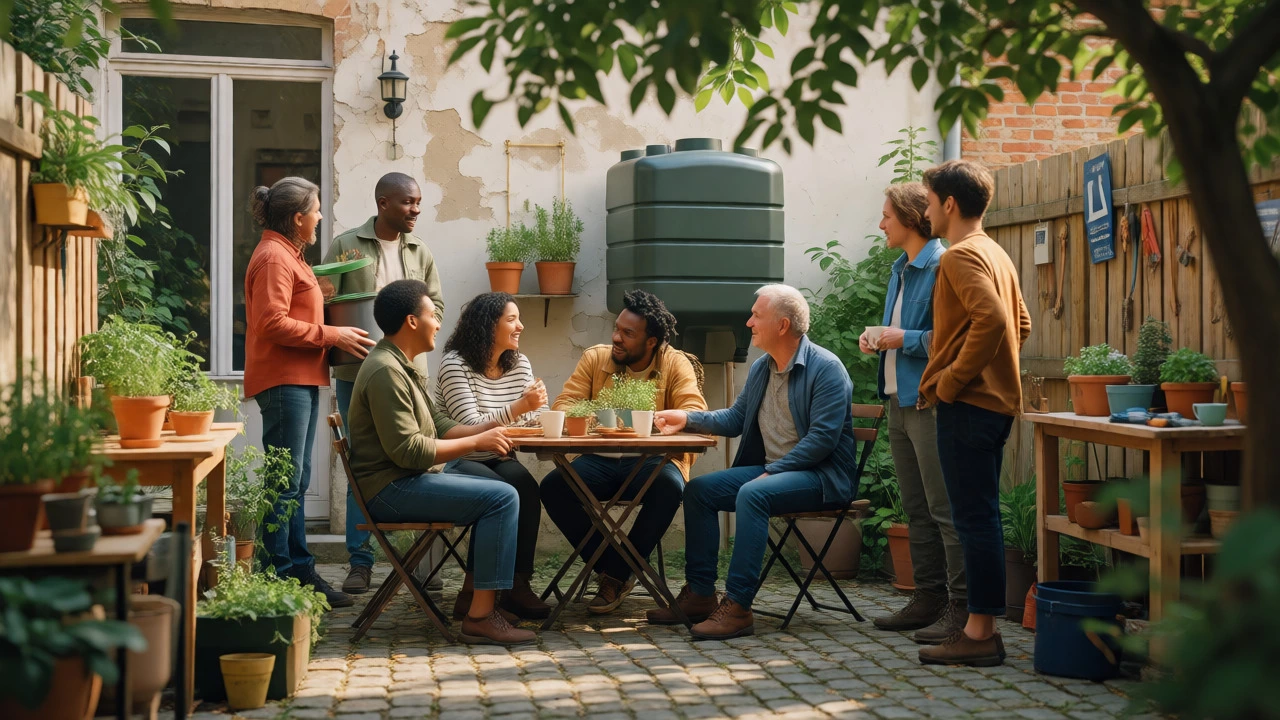
Ready to take action? Start small. Pick one issue that bothers you most about your local environment. Is it litter? Traffic noise? Lack of trees? Focus on that single point. Invite three neighbors to coffee and discuss a solution. If they agree, set a date for a clean-up or a petition drive.
Keep communication open and non-judgmental. People resist change when they feel criticized. Frame discussions around benefits: safer streets for kids, lower bills, nicer parks. Over time, these small collaborations build the trust necessary for larger structural changes.
Living in a green community isn’t about returning to the Stone Age. It’s about using modern knowledge and technology to create healthier, happier places to live. It’s practical, profitable, and profoundly human.
Do I need to move to join a green community?
No, you don't. Many established neighborhoods evolve into green communities through gradual changes. Residents can introduce new habits, advocate for policy changes, and start local projects without relocating. Transformation is often easier and cheaper than moving.
Are green communities more expensive to live in?
Initial investments in energy-efficient upgrades can be higher, but long-term operational costs are typically lower. Reduced utility bills, less waste disposal fees, and potential tax incentives often offset the upfront costs. Property values may also increase due to demand for sustainable housing.
What role do local governments play?
Local governments provide essential support through zoning laws, infrastructure funding, and regulatory frameworks. They can approve bike lanes, offer grants for solar panels, and enforce waste reduction policies. Community advocacy often drives these governmental actions.
Can renters participate in green initiatives?
Absolutely. Renters can influence landlord decisions regarding waste management, energy sources, and maintenance. Participating in community gardens, joining local clean-ups, and advocating for tenant rights related to sustainability are effective ways to contribute.
How do green communities handle conflict?
Like any group, disagreements arise. Successful communities use transparent communication, regular meetings, and democratic decision-making processes. Focusing on shared goals and maintaining a respectful tone helps resolve conflicts constructively.