
When people talk about community outreach, they’re not just saying fancy words. They’re talking about showing up - in person, consistently, and with real intent. But if you’ve ever tried to find a simple synonym for it, you’ve probably hit a wall. Terms like "public relations" or "marketing" feel too corporate. "Volunteering" is close, but it’s just one piece. So what do nonprofits, city workers, and local leaders actually call it when they’re building trust, listening to needs, and connecting people to resources?
Community Engagement Is the Closest Real-World Synonym
The most accurate, widely used replacement for "community outreach" is community engagement. It’s not just a thesaurus swap - it’s a shift in mindset. Outreach sounds like you’re reaching out from the outside. Engagement means you’re already inside, sitting at the table, asking questions, and staying for the long haul.
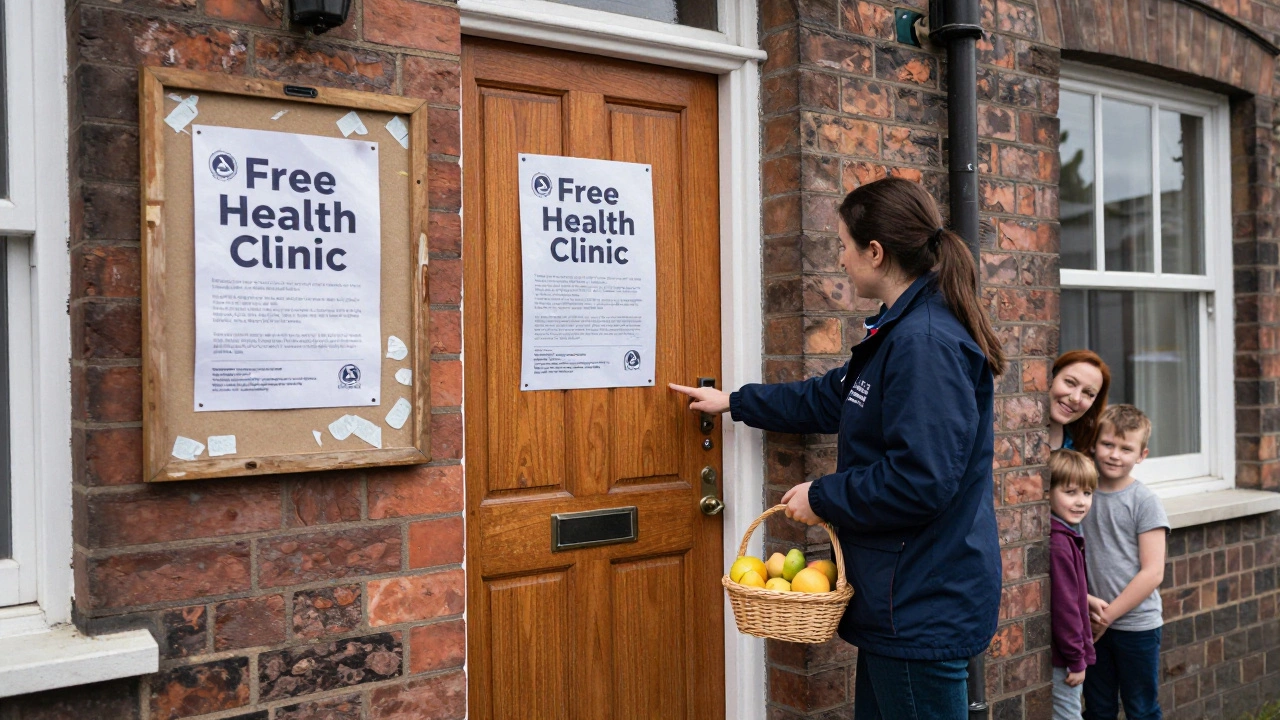
Think of it this way: A city sends flyers about a free health clinic. That’s outreach. A local health worker goes door-to-door in the same neighborhood, talks to parents at the bus stop, brings snacks to the senior center, and asks, "What’s stopping you from coming?" That’s engagement. The difference isn’t semantics - it’s power.
Organizations like the Scottish Community Development Centre and Edinburgh’s own Health Inequalities Unit use "community engagement" in their official reports because it implies two-way dialogue. It’s not about broadcasting. It’s about building relationships that last beyond one event or campaign.
Other Terms You’ll Hear in the Field
While "community engagement" is the top synonym, you’ll see other phrases pop up depending on context. Here’s what they really mean:
- Grassroots organizing - When local residents lead the effort themselves, not just respond to it. Think of neighbors forming a group to fix a dangerous intersection, not waiting for council action.
- Neighborhood outreach - Often used when the work is hyper-local, like a housing charity visiting flats in a specific postcode. It’s outreach with a geographic anchor.
- Public outreach - More formal, used by government agencies or large NGOs. It’s broader, less personal, and often one-directional - think town halls or radio ads.
- Relationship building - The quiet, behind-the-scenes work: coffee meetings with faith leaders, weekly calls with school principals, showing up at PTA meetings. No flyers. No banners. Just presence.
- Community mobilization - When you’re not just connecting people, you’re activating them to act. Like helping a group of tenants organize to demand better heating in social housing.
None of these are perfect replacements. But they’re all more honest than "outreach," which often hides the fact that the person doing it doesn’t live in the community.
Why the Right Word Matters
Language shapes action. If you call it "outreach," you might think your job ends when the event is over. If you call it "engagement," you know your job starts the day after.
Take the example of food banks in Glasgow. Ten years ago, they ran "outreach" events - handing out boxes at church halls. Now, they train local volunteers to deliver meals with a simple question: "Is there anything else you need?" That shift in language led to a 40% increase in referrals to mental health services and housing support - because people started trusting them enough to say what they really needed.
When you use "community engagement," you’re signaling that you’re not here to fix people. You’re here to work with them. That changes who shows up, what gets solved, and how long the solutions last.
What Doesn’t Work as a Synonym
Some terms sound close but miss the point entirely:
- Public relations - This is about image, not impact. It’s what corporations use to look good. Community work isn’t about looking good - it’s about doing right.
- Marketing - Selling a product is not the same as building trust with someone who’s been ignored for decades.
- Volunteering - Volunteers are essential, but they’re tools, not the strategy. Outreach isn’t about who shows up - it’s about who gets heard.
- Events - A bake sale isn’t outreach. A bake sale that leads to a monthly support group for single parents? That’s engagement.
Using the wrong term doesn’t just sound off - it leads to failed programs. If you’re planning a "community outreach" event and your goal is to get 100 people to sign up for a service, you’re already thinking wrong. You’re not trying to fill a room. You’re trying to open a door.
How to Know Which Term to Use
Here’s a simple rule: Ask yourself - is this about doing something to people, or doing something with people?
- If it’s to: Use "public outreach" or "information campaign."
- If it’s with: Use "community engagement," "grassroots organizing," or "relationship building."
Most of the time, especially if you’re working with low-income areas, marginalized groups, or older populations, you want the second. The first is easier. The second is harder. But it’s the only one that lasts.
Real Examples from Scotland
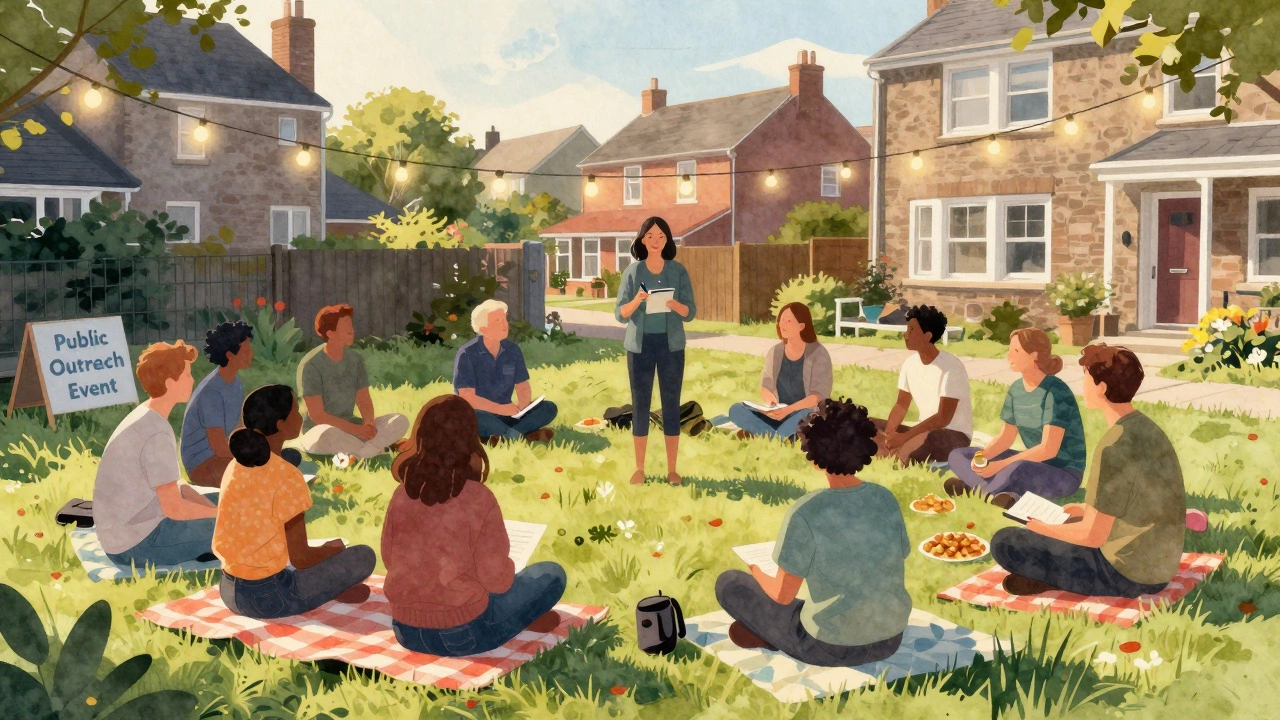
In Edinburgh, the West Port Community Project doesn’t run "outreach" sessions. They have a weekly "kitchen table" meeting - no agenda, no formal leader. People come with their tea, talk about rent hikes, childcare problems, or just loneliness. From those conversations came a community-led housing group, a free laundry service, and a youth mentorship program started by a 72-year-old retired nurse.
That’s not outreach. That’s engagement.
In Aberdeen, the North Sea Community Trust stopped calling their work "outreach" after a survey showed 68% of residents felt "talked at" during their events. They switched to "neighborhood conversations" - small groups, hosted in homes, led by locals. Participation tripled. Trust improved.
These aren’t gimmicks. They’re responses to decades of failed top-down programs.
Bottom Line: Stop Saying "Outreach" Unless You Mean It
There’s no perfect synonym. But if you’re trying to sound professional, accurate, and respectful - use community engagement. It’s the term used by the people who actually get results. It’s the term used by those who know that change doesn’t come from flyers. It comes from showing up, listening, and staying.
If you’re writing a grant, designing a program, or training volunteers - swap "outreach" for "engagement." It’s not just a word change. It’s a commitment.
Is "community outreach" the same as volunteering?
No. Volunteering is one activity that can happen within community outreach - like someone handing out meals or tutoring kids. But outreach is the broader strategy of connecting with a community, understanding its needs, and building trust. Volunteering is a tool. Outreach is the plan.
What’s the difference between community engagement and public outreach?
Public outreach is often one-way: you give information, people receive it. Think posters, radio ads, or a one-time event. Community engagement is two-way: you listen, adapt, and act together. It’s about ongoing relationships, not one-off activities. Engagement asks, "What do you need?" Outreach says, "Here’s what we’re offering."
Can a business do community outreach?
Yes - but only if they stop treating it like marketing. A business can sponsor a local festival (outreach), or they can hire local residents to co-design a job training program and pay them to run it (engagement). The second builds real trust. The first just gets a logo on a banner.
Why do some organizations still use "outreach"?
Because it’s easier to measure. You can count flyers handed out or people at an event. Engagement is harder to track - it’s about trust, which grows slowly. But trust is what changes lives. Many funders still demand "outreach metrics," so organizations use the term to get money - even if they know it’s not the real work.
What should I call it if I’m starting a new program?
Call it "community engagement." It’s the most accurate, respected term in the field. If you’re working with a specific group - like seniors or youth - you can add that: "youth engagement" or "senior community engagement." Avoid "outreach" unless you’re describing a single, one-time activity with no follow-up.