Find Your Environmental Role
Not sure where to start? Answer these three questions to find the perfect environmental group and role for you.
Result Title
Description goes here.
Suggested Actions:
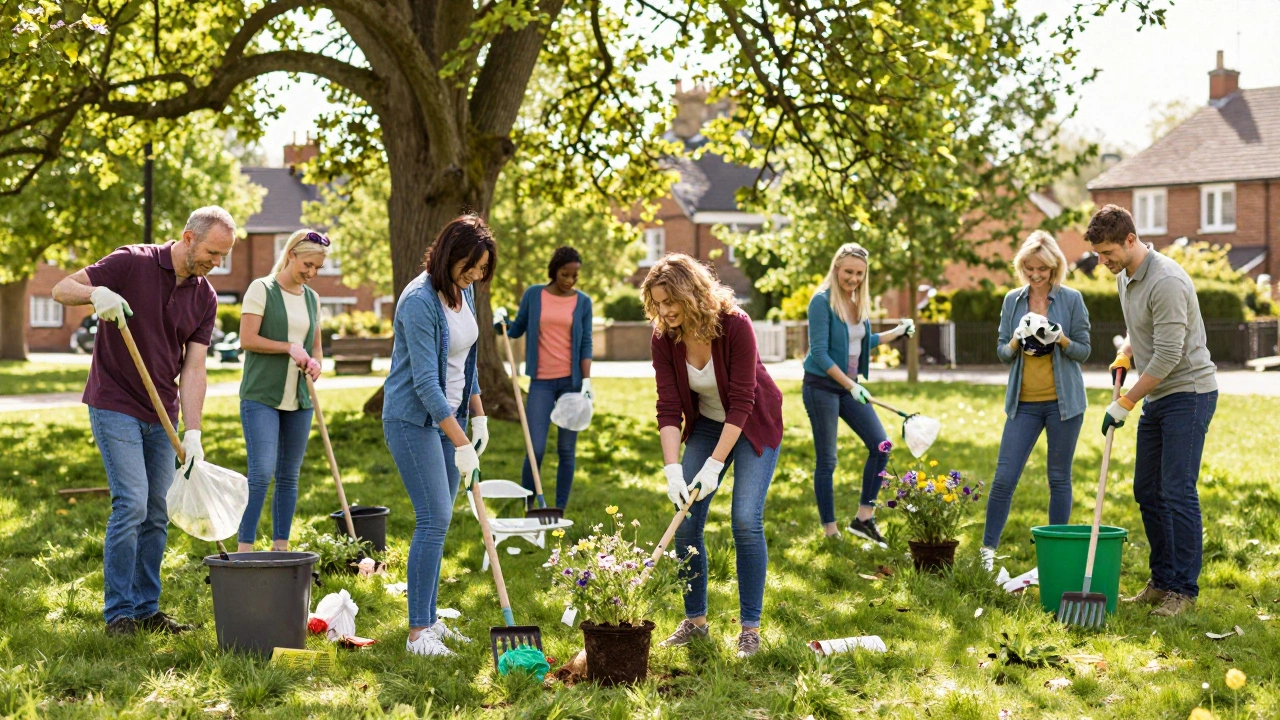
Have you ever looked around your neighborhood and felt a nagging sense that something was missing? Maybe the local park is overrun with litter, or the air quality near the school feels heavy on busy days. You might think, "Someone should do something about this." That impulse is exactly what drives environment support groups, which are community-led organizations dedicated to protecting, restoring, and advocating for the natural world at a local level.
These aren't just distant NGOs writing reports in Geneva. They are the people next door who show up on Saturday mornings with gloves and grabbers. They are the backbone of grassroots ecology. If you've been wondering how to turn your concern into action, understanding these groups is the first step.
The Core Mission: Why These Groups Exist
An environment support group typically forms around a specific shared goal. Unlike global corporations or government bodies, their power comes from collective local effort. Their mission usually falls into three buckets: restoration, protection, and education.
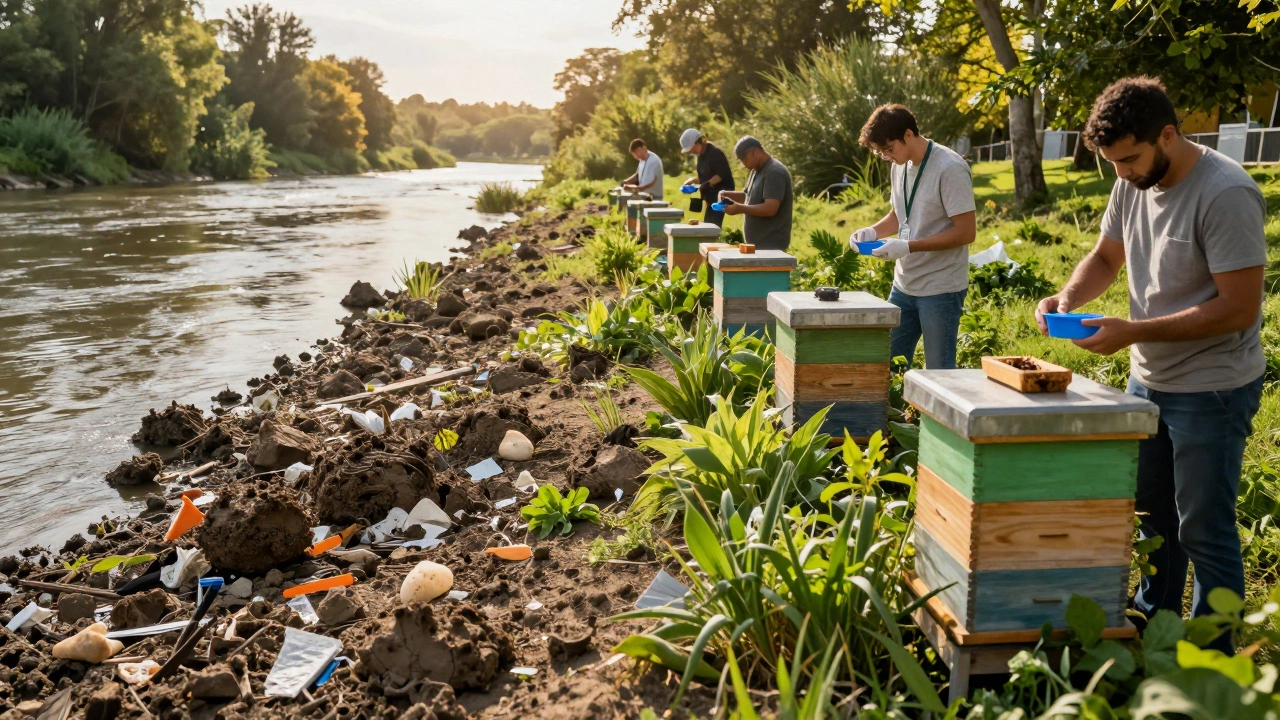
Restoration involves hands-on work. Think planting native trees to replace invasive species, cleaning up riverbanks after a flood, or building bee hotels in urban gardens. This is physical labor that directly improves the ecosystem.
Protection is about defense. These groups often monitor local wildlife, track pollution levels, or campaign against developments that threaten green spaces. They act as the eyes and ears for the environment when official resources are stretched thin.
Education ensures the change lasts. By teaching neighbors about composting, organizing workshops on sustainable living, or guiding school children through nature trails, they build a culture of care. This cultural shift is often more powerful than any single cleanup event.
| Group Type | Primary Activity | Typical Members | Impact Scope |
|---|---|---|---|
| Local Conservation Trusts | Habitat management, land stewardship | Volunteers, ecologists | Specific parks or reserves |
| River/Waterway Groups | Cleanup, water quality testing | Residents, anglers | Local watersheds |
| Urban Gardening Collectives | Food growing, pollinator support | Gardeners, students | Neighborhood blocks |
| Climate Action Networks | Advocacy, policy lobbying | Activists, professionals | City or regional policy |
How They Operate: The Grassroots Model
You might wonder how these groups function without big budgets. The answer lies in resourcefulness. Most environment support groups rely on a mix of volunteer time, small grants, and community donations.
Leadership is often rotational. One person might organize the monthly tree planting, while another handles social media. This distributed model prevents burnout and keeps ideas fresh. It also means you don't need to be an expert to join. You just need to show up.
Funding usually comes from local council grants, crowdfunding campaigns, or partnerships with businesses. For example, a local hardware store might donate tools for a beach cleanup in exchange for positive publicity. These small alliances create a sustainable ecosystem for the group itself.
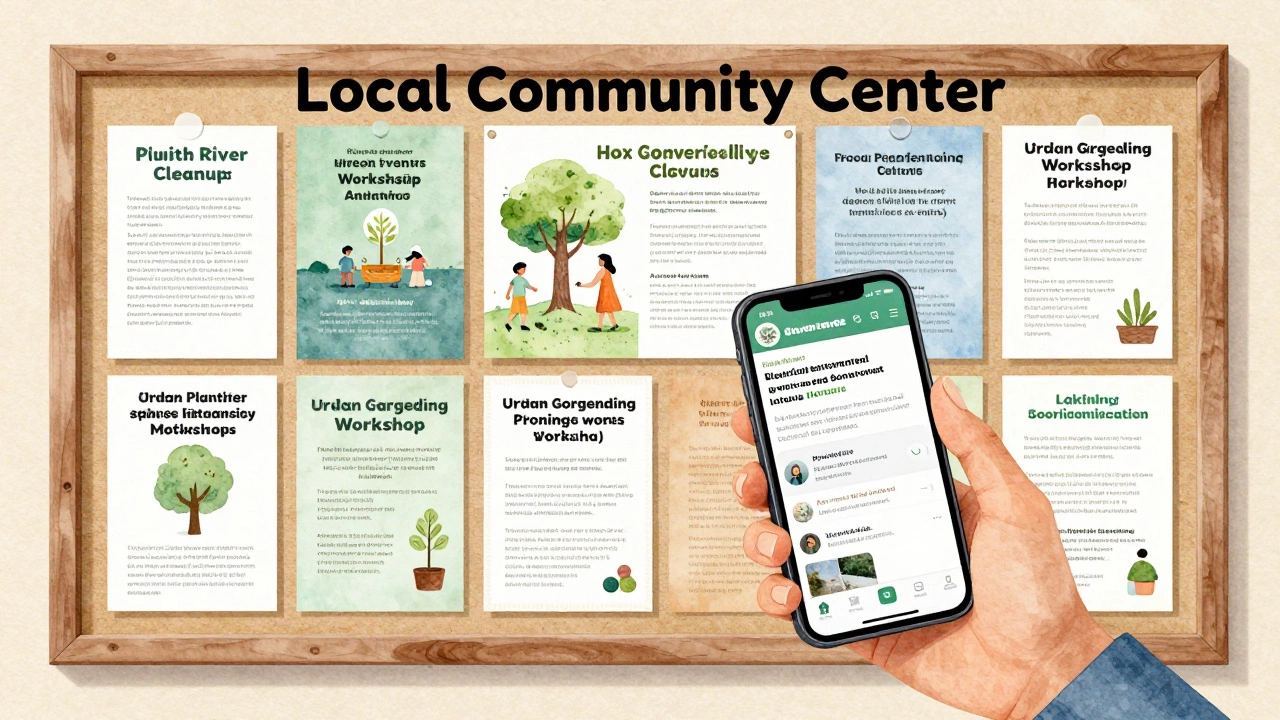
Communication is key. Many groups use simple platforms like WhatsApp groups or Facebook pages to coordinate events. This low-tech approach lowers the barrier to entry. Anyone with a smartphone can get involved.
Finding Your Group: Where to Look
If you're ready to get involved, finding the right group is easier than you think. Start by looking at your immediate surroundings. Notice any notice boards in cafes, libraries, or community centers. Often, flyers for local cleanups or garden projects are posted there.
Online directories are also valuable. Websites like Charity Commission registers or local council community portals list registered groups. Search terms like "conservation," "green space," or "sustainability" followed by your town name will yield results.
Social media is another goldmine. Join local community groups on Facebook or Nextdoor. Ask members if there are active environmental initiatives. You'll likely find hidden gems-smaller, less formal groups that don't have websites but are incredibly active.
Consider your interests. Do you prefer working with your hands? Look for planting or cleanup crews. Are you better with words? Advocacy and education roles might suit you. Matching your skills to the group's needs makes the experience more rewarding.
The Impact: More Than Just Cleaning Up
The value of environment support groups extends far beyond the immediate task. When a group cleans a local stream, they're not just removing trash. They're improving water quality for fish, reducing flood risk for homes downstream, and creating a safer play area for children.
These groups also foster social cohesion. Working side-by-side with neighbors breaks down barriers. People who might never interact otherwise find common ground in caring for their shared home. This social fabric strengthens communities, making them more resilient to other challenges.
Data supports this. Studies show that communities with active environmental groups report higher levels of civic engagement and trust. The act of contributing to a common good builds a sense of agency. People feel they can make a difference, which motivates further positive action.
Challenges and How to Overcome Them
No group is perfect. Environment support groups face real hurdles. Volunteer fatigue is common. People sign up with enthusiasm but drop out when life gets busy. To combat this, successful groups keep tasks manageable and celebrate small wins.
Funding instability is another issue. Grants dry up, and donations fluctuate. Diversifying income sources helps. Combining grant funding with regular member subscriptions or sponsored events creates a more stable financial base.
Bureaucracy can also slow things down. Dealing with permits for public events or navigating council regulations takes time. Building relationships with local officials early on can smooth this process. Show them you're a partner, not a pest.
Finally, measuring impact can be tricky. It's hard to quantify the value of a cleaner street or a happier community. Use simple metrics: number of volunteers, weight of waste collected, or acres restored. Share these stories widely to demonstrate your worth.
Starting Your Own Group
If no group exists in your area, consider starting one. It sounds daunting, but it's simpler than you think. Begin with a clear, achievable goal. Don't try to save the planet overnight. Aim to plant ten trees or clean one block.
Recruit a core team of three to five committed people. Meet regularly to plan and share responsibilities. Keep communication open and inclusive. Invite feedback from neighbors to ensure the group addresses real local concerns.
Register as a charity or non-profit if needed. This adds credibility and opens doors to funding. Seek mentorship from established groups. They can offer advice on legalities, fundraising, and effective organizing.
Start small and grow organically. Host a pilot event. Evaluate what worked and what didn't. Adjust your approach based on feedback. Consistency is key. Regular, small actions build momentum over time.
The Future of Local Environmental Action
As climate challenges intensify, the role of environment support groups becomes even more critical. Governments and large organizations cannot address every local issue. Community groups fill the gaps with agility and passion.
Technology is changing how these groups operate. Apps for reporting pollution, drones for monitoring habitats, and online platforms for coordinating volunteers are expanding their reach. Embracing these tools can amplify impact without increasing workload.
Collaboration is trending. Groups are increasingly partnering across borders-sharing knowledge, resources, and strategies. A river cleanup group in one town might learn best practices from a similar group hundreds of miles away. This network effect strengthens the entire movement.
Your involvement matters. Whether you join an existing group or start a new one, you contribute to a larger story of resilience and hope. The environment doesn't protect itself. It needs us. And we need each other.
What is the difference between an NGO and an environment support group?
NGOs (Non-Governmental Organizations) are often larger, formally structured entities that may operate nationally or internationally. Environment support groups are typically smaller, community-based, and focus on hyper-local issues. While some NGOs have local chapters, support groups are usually independent and driven by immediate neighborhood concerns.
Do I need special skills to join an environment support group?
No, most groups welcome beginners. They provide training for tasks like planting or safety protocols. Enthusiasm and reliability are often more valued than expertise. Skills can be developed on the job, and many groups appreciate diverse talents, from gardening to graphic design.
How much time commitment is required?
Commitment varies by group. Some meet weekly for short sessions, while others organize monthly events. Many allow flexible participation, letting you join specific activities that fit your schedule. It's best to discuss expectations with the group leaders before committing.
Can schools participate in environment support groups?
Absolutely. Schools are vital partners. Students can engage in educational projects, citizen science, and practical conservation work. Teachers can integrate group activities into curriculum, providing real-world learning experiences. Many groups actively seek school collaborations.
Is there any cost to joining?
Most environment support groups are free to join. Some may ask for optional donations to cover materials or insurance. Rarely, specialized groups might charge membership fees for access to exclusive resources, but this is uncommon for general community groups.