Environmental Community Knowledge Quiz
Discover how well you understand the power of collective environmental action.
Ready to Test Your Knowledge?
This quiz covers key concepts from the guide on Environmental Communities, including types of groups, the role of digital platforms, and common pitfalls.
Quiz Complete!
You might think of environmentalism as a solo act: recycling your plastic bottles, driving an electric car, or planting a tree in your backyard. But real change rarely happens in isolation. It happens when people connect, share resources, and push for systemic shifts together. That’s where the environmental community comes in. It is not just a club for people who like hiking; it is a structured network of individuals, organizations, and businesses working toward shared ecological goals.
If you have ever felt overwhelmed by climate news or unsure where to start making a difference, joining or building an environmental community can be the answer. This guide breaks down exactly what these communities are, how they function, and why they matter more than ever in 2026.
Defining the Modern Environmental Community
At its core, an environmental community is a group bound by a common commitment to protecting natural systems and promoting sustainable living practices. Unlike traditional social clubs, these groups are mission-driven. They exist to solve specific problems-whether that is reducing local waste, restoring a wetland, or advocating for cleaner air regulations.
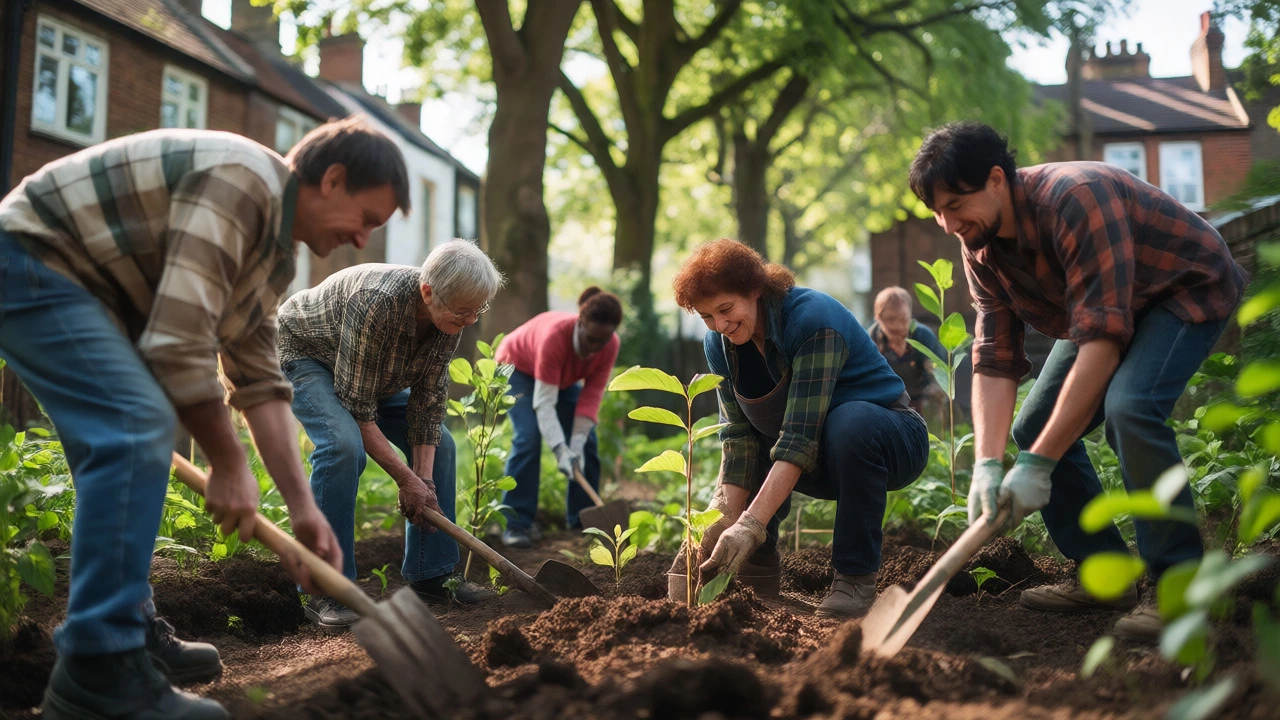
The scope varies wildly. You might find a small neighborhood group organizing monthly park cleanups, which fits the definition of a grassroots collective. On the other end of the spectrum, large non-profits like the Sierra Club operate as national environmental communities with millions of members influencing policy. The connecting thread is action. Passive agreement isn’t enough; these communities require participation, whether through volunteering, donating, or changing consumer habits.
It helps to distinguish these from general "green" lifestyle brands. A company selling bamboo toothbrushes is part of the green economy, but it isn’t necessarily a community unless it fosters interaction among its users. True environmental communities prioritize relationships and collective impact over transactions.
Types of Groups You Can Join
Not all environmental communities look the same. Depending on your skills, time, and interests, you might gravitate toward one of these four main types:
- Local Activist Groups: These are hyper-local. Think of neighbors fighting to save a historic tree-lined street or parents demanding safer playgrounds away from industrial zones. Their power lies in proximity. They know every council member and every zoning law affecting their zip code.
- Conservation Organizations: These groups focus on preserving land and wildlife. Examples include local land trusts or chapters of larger entities like the Nature Conservancy. Members often participate in habitat restoration projects, such as removing invasive species or planting native trees.
- Sustainability Cooperatives: These are practical, resource-sharing networks. Food co-ops, tool libraries, and energy cooperatives fall here. The goal is reducing individual consumption footprints by sharing assets. If you borrow a drill instead of buying one, you are participating in this type of community.
- Eco-Villages and Intentional Communities: These are residential models where people live together with shared ecological values. Residents might share solar panels, composting systems, and childcare. While less common, they represent the deepest level of commitment, integrating environmental ethics into daily life.
Why Collective Action Beats Individual Effort
You might ask, "Can't I just do my part alone?" Sure, but the math doesn't always add up. An individual switching to LED bulbs saves money and energy, but a community lobbying for better grid infrastructure can reduce carbon emissions for thousands of households at once.
Research consistently shows that social norms drive behavior more effectively than information alone. When your neighbor starts composting, you are statistically more likely to follow suit. This is called social contagion. Environmental communities leverage this dynamic. They make sustainable choices visible and normal.
Moreover, communities provide resilience. Climate change brings uncertainty. Having a network means you aren't facing floods, heatwaves, or supply chain disruptions alone. During recent extreme weather events, mutual aid networks formed within environmental communities were often faster to respond than government agencies, distributing water, food, and labor where needed most.

How to Start or Join a Local Group
Finding the right fit requires some digging. Here is a step-by-step approach to getting involved without burning out:
- Identify Your Passion: Do you care about ocean health? Urban gardening? Air quality? Narrowing your focus helps you find relevant groups. A broad interest in "saving the planet" is too vague; a specific interest in "reducing single-use plastics in schools" is actionable.
- Search Locally: Use platforms like Meetup, Facebook Groups, or local library boards. Search terms like "[Your City] sustainability," "[Your County] conservation," or "zero waste [Your Region]." Check if your city has a dedicated Office of Sustainability-they often list partner organizations.
- Vet the Activity Level: Some groups meet weekly; others gather quarterly. Read recent posts or attend an open meeting. Are they actually doing things, or just talking? Look for evidence of completed projects, like photos of cleaned beaches or signed petitions.
- Start Small: Don't commit to being a board member on day one. Volunteer for a single event. See if the culture matches your personality. Is it collaborative or hierarchical? Do they welcome beginners?
- Bring Your Skills: Every group needs different talents. If you are good with spreadsheets, offer to manage membership rolls. If you are a graphic designer, help with flyers. Offering a concrete skill makes you valuable immediately and builds trust quickly.
The Role of Digital Platforms in Building Connection
In 2026, physical presence isn't the only requirement for community. Digital tools have expanded the reach of environmental advocacy. Apps like iNaturalist allow citizens to contribute data to scientific research, creating a global community of citizen scientists. You don't need to be a biologist to identify birds or plants; the app guides you, and your observations help track biodiversity trends.
Online forums also lower barriers to entry. Introverts who might dread door-to-door canvassing can engage deeply through digital campaigns. However, caution is warranted. Online echo chambers can form, where everyone agrees and no new ideas emerge. The best digital communities encourage offline meetups or hybrid events to maintain human connection.
Consider using digital tools to amplify local efforts. A neighborhood WhatsApp group can coordinate a sudden cleanup after a storm. A shared spreadsheet can track which households have installed rain barrels. Technology should serve the community's goals, not replace face-to-face interaction.
Common Pitfalls to Avoid
Joining an environmental community can be rewarding, but it isn't always smooth sailing. Watch out for these common issues:
| Challenge | Description | Mitigation Strategy |
|---|---|---|
| Burnout | Members take on too much responsibility, leading to exhaustion. | Set clear boundaries. Rotate leadership roles. Celebrate small wins. |
| Greenwashing | Partner corporations claim sustainability benefits without real action. | Demand transparency. Ask for data on carbon reductions or waste diversion rates. |
| Exclusivity | Groups become cliques, ignoring diverse voices or low-income perspectives. | Actively recruit from underrepresented neighborhoods. Offer free workshops. |
| Analysis Paralysis | Too much debate, not enough action. | Implement pilot projects. Test ideas on a small scale before scaling up. |
Avoid the trap of perfectionism. No community gets everything right instantly. Progress is messy. If a project fails, analyze why, learn, and move on. Blame games kill momentum faster than bad weather does.
Measuring Impact: How Do You Know It Works?
Feeling good isn't enough. You want to see results. Effective environmental communities track metrics. For a cleanup crew, that might be pounds of trash removed. For an advocacy group, it could be number of signatures collected or policies changed. For a cooperative, it might be dollars saved per household.
Ask potential groups how they measure success. If they can't articulate their impact, they might be operating on vibes rather than strategy. Look for groups that publish annual reports or share updates regularly. Transparency builds accountability.
Remember that impact can be indirect. Sometimes, the biggest win is shifting cultural attitudes. If a school garden program inspires students to pursue careers in agriculture or ecology, that long-term ripple effect outweighs the immediate harvest.
Do I need to be an expert to join an environmental community?
No. Most groups value enthusiasm and reliability over credentials. In fact, many prefer fresh perspectives because experts can sometimes get stuck in established ways of thinking. You will learn on the job, and mentors within the group are usually happy to teach newcomers.
How much time does active participation require?
It varies widely. Some volunteers commit to two hours a month for specific events, while core organizers might spend ten hours a week. Be honest about your capacity during the onboarding process. Consistency matters more than volume; showing up reliably for a small task is better than promising big things and flaking.
Are environmental communities only for young people?
Absolutely not. While youth movements like Fridays for Future get media attention, intergenerational collaboration is strongest in successful local groups. Older members bring historical context, professional skills, and financial stability, while younger members often bring energy and digital fluency. Mixed-age teams tend to sustain projects longer.
What if there are no groups near me?
You can start one. Begin with three friends who share your concern. Define a simple first project, like a monthly litter walk or a seed swap. Use social media to invite others. Often, people are waiting for someone else to break the ice. Starting small removes the pressure of building a massive organization overnight.
How do I handle disagreements within the community?
Disagreements are healthy if managed well. Establish ground rules early: listen without interrupting, focus on the issue not the person, and seek consensus where possible. If conflicts persist, consider mediation or forming sub-groups for specific tasks. Remember, you are united by the ultimate goal, even if you disagree on the path to get there.