
Charitable Impact Calculator
Your Contribution Details
Your Charitable Impact Summary
Enter your details to see how much you contribute to society.
Imagine you’re walking down the high street in Edinburgh. You see a group of people handing out flyers for a local food bank. Later that day, you donate £5 online to a wildlife rescue center. That evening, you spend two hours sorting clothes at a community shelter. All three actions are different, but they share one common thread: they are all forms of charitable activity. But what exactly does that term mean? Is it just giving money? Or does it include your time, skills, or even hosting an event?
Understanding charitable activity is more than just semantics. It’s about knowing how your efforts contribute to society, whether you can claim tax benefits, and how organizations use these activities to create real change. In this guide, we’ll break down what counts as charitable activity, the different ways you can get involved, and the rules that keep everything transparent and effective.
Quick Summary / Key Takeaways
- Charitable activity includes any action aimed at benefiting the public good, not just financial donations.
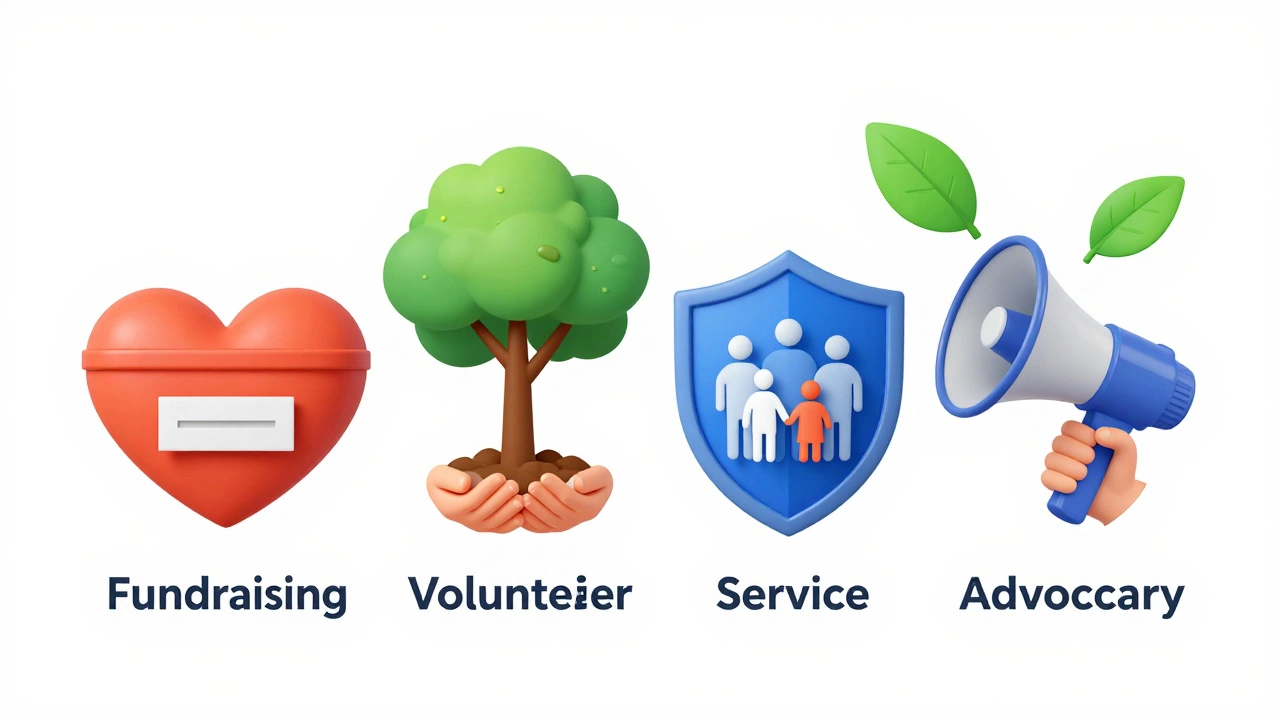
- It falls into four main categories: fundraising, volunteering, service delivery, and advocacy.
- In the UK, registered charities must follow strict regulations set by bodies like the Charity Commission for England and Wales.
- You can benefit from tax relief on gifts, and businesses can gain corporate social responsibility (CSR) advantages.
- Digital platforms have transformed charitable activity, making micro-donations and virtual volunteering easier than ever.
The Core Definition: What Makes an Activity "Charitable"?
At its heart, charitable activity is any organized effort designed to provide a public benefit without generating profit for individuals. This definition might sound broad, but it has specific legal boundaries. For instance, in the United Kingdom, an organization must be registered with a regulatory body-such as the Charity Commission for England and Wales, OSCR in Scotland, or the Charity Commission for Northern Ireland-to officially operate as a charity.
But here’s the catch: not every good deed qualifies as a formal charitable activity. If you help your neighbor move house, that’s kind, but it’s not charitable activity in the legal sense. To count, the activity must serve a wider public interest. Examples include relieving poverty, advancing education, protecting the environment, or supporting health initiatives.
Think of it this way: if the outcome helps a large group of people or addresses a societal issue, it likely fits the bill. The key is intentionality and structure. Random acts of kindness are wonderful, but charitable activity usually involves planning, resources, and measurable goals.
Four Main Types of Charitable Activity
Charitable activity isn’t one-size-fits-all. It breaks down into four primary types, each playing a unique role in the nonprofit ecosystem.
- Fundraising: Raising money through events, campaigns, or direct appeals. This could be a gala dinner, a crowdfunding page, or a simple text-to-donate campaign.
- Volunteering: Offering your time and skills without pay. From serving meals at a soup kitchen to mentoring students, volunteering is the backbone of many charities.
- Service Delivery: Directly providing aid or services. This includes running shelters, distributing medical supplies, or offering legal advice to low-income families.
- Advocacy: Campaigning for policy changes or raising awareness about issues like climate change or human rights. Advocacy pushes for systemic solutions rather than immediate fixes.
Each type requires different resources and strategies. Fundraising needs marketing savvy, while service delivery demands logistical expertise. Understanding these distinctions helps both donors and volunteers choose where their energy will have the most impact.
How Charity Events Fit Into the Picture
When people think of charitable activity, they often picture charity events, which are organized gatherings designed to raise funds or awareness for a cause. These events range from small community bake sales to massive marathons like the London Marathon, which raises millions annually for various causes.
Charity events are powerful because they combine fundraising with community building. They allow participants to connect emotionally with a cause while contributing financially. However, organizing them comes with challenges. You need permits, insurance, sponsors, and volunteer coordination. Plus, there’s the pressure to ensure that a significant portion of the proceeds actually reaches the intended beneficiaries.
For example, a local animal shelter might host a “Paws in the Park” dog walk. Participants pay an entry fee, and the shelter covers costs like veterinary care and food for rescued animals. The transparency here is crucial-donors want to know exactly how their money is used. This is why reputable charities publish annual reports detailing income and expenditure.
Legal Frameworks and Regulations
Charitable activity doesn’t operate in a vacuum. It’s governed by laws designed to protect donors and ensure accountability. In the UK, the Charity Commission is the independent regulator of charities in England and Wales. Similar bodies exist in other regions, such as OSCR in Scotland and the Charity Commission for Northern Ireland.
These regulators enforce several key requirements:
- Registration: Organizations meeting certain thresholds must register publicly.
- Governance: Charities must have a board of trustees who oversee operations and ensure compliance.
- Financial Reporting: Annual accounts must be audited and published to show how funds are spent.
- Purpose Test: Activities must align with the charity’s stated mission and provide public benefit.
Failure to comply can result in fines, removal from the register, or even criminal charges. For instance, if a charity diverts funds to personal use, it breaches trust law and faces severe penalties. This regulatory framework exists to maintain public confidence in the sector.
Tax Implications for Donors and Organizations
One major incentive for engaging in charitable activity is the potential for tax benefits. In the UK, donors can claim Gift Aid, which allows charities to reclaim 25% of the donation amount from HM Revenue & Customs (HMRC). So, a £100 donation becomes worth £125 to the charity.
For businesses, charitable activity ties into Corporate Social Responsibility (CSR). Companies may deduct charitable contributions from taxable profits, provided they meet specific criteria. Additionally, employee matching schemes encourage staff to donate by having employers match their contributions dollar-for-dollar.
However, navigating tax rules can be complex. Missteps can lead to audits or lost deductions. That’s why many charities partner with accountants specializing in nonprofit finance. For individuals, keeping records of donations and understanding eligibility for Gift Aid is essential.
The Rise of Digital Charitable Activity
Technology has revolutionized how we engage in charitable activity. Platforms like GoFundMe, JustGiving, and Patreon have made it easier than ever to raise funds online. Social media amplifies awareness, allowing campaigns to go viral within hours.
Digital tools also enable new forms of participation. Virtual volunteering lets people offer skills remotely-like graphic design or translation-for nonprofits worldwide. Micro-donations, where users give small amounts regularly via apps, create sustainable revenue streams without burdening individual donors.
Yet, digital charity isn’t without risks. Scams proliferate online, exploiting emotional triggers during crises. Donors must verify the legitimacy of organizations before contributing. Reputable platforms conduct due diligence, but vigilance remains important.

Common Pitfalls to Avoid
Even well-intentioned charitable activity can stumble if not managed properly. Here are some frequent mistakes:
- Lack of Transparency: Not sharing how funds are used erodes trust. Always provide clear breakdowns of expenses.
- Poor Planning: Rushing into events without budgets or timelines leads to wasted resources.
- Ignoring Feedback: Failing to listen to beneficiaries or donors results in misaligned efforts.
- Burnout: Overcommitting time or money harms both the giver and the cause. Set realistic limits.
Avoiding these pitfalls requires discipline and communication. Regular check-ins with stakeholders and honest assessments of progress help keep charitable activity on track.
| Type | Primary Goal | Key Resources Needed | Example |
|---|---|---|---|
| Fundraising | Raise money | Marketing, sponsorship | Charity gala dinner |
| Volunteering | Provide labor/skills | Time, training | Mentoring youth |
| Service Delivery | Direct aid | Facilities, staff | Running a food bank |
| Advocacy | Change policies | Research, lobbying | Climate justice campaign |
Why Charitable Activity Matters Today
In a world facing unprecedented challenges-from climate change to inequality-charitable activity plays a vital role. Governments alone cannot solve every problem. Nonprofits fill gaps, innovate solutions, and mobilize communities.
Consider the response to natural disasters. When floods hit Pakistan in 2022, international charities delivered water, medicine, and shelter faster than some government agencies. Similarly, during the pandemic, mutual aid groups ensured vulnerable neighbors received groceries and medication.
Charitable activity also fosters social cohesion. By bringing diverse groups together around shared goals, it builds empathy and reduces isolation. Whether you’re knitting blankets for refugees or coding websites for schools, your contribution matters.
Is donating money the only form of charitable activity?
No, donating money is just one aspect. Volunteering your time, offering professional skills pro bono, advocating for policy changes, and delivering direct services are all valid forms of charitable activity. Each contributes uniquely to the public good.
Do I need to register my organization to conduct charitable activity?
In most jurisdictions, yes. If your group meets certain income thresholds or engages in regulated activities, registration is mandatory. Unregistered entities risk legal issues and lose access to tax benefits. Check with your local regulator for specific requirements.
Can businesses engage in charitable activity?
Absolutely. Many companies integrate charitable activity into their CSR strategies. This includes donating profits, sponsoring events, encouraging employee volunteering, and matching staff contributions. Such actions enhance brand reputation and foster community ties.
How do I know if a charity is legitimate?
Verify registration status through official databases like the Charity Commission website. Look for published annual reports, transparent financial statements, and clear missions. Be wary of vague descriptions or excessive administrative costs.
What tax benefits come with charitable activity?
Donors in the UK can claim Gift Aid, increasing donation value by 25%. Businesses may deduct charitable contributions from taxable profits under specific conditions. Consult a tax advisor to maximize benefits while staying compliant.
How has technology changed charitable activity?
Technology enables global reach, instant funding via crowdfunding, remote volunteering, and data-driven decision-making. Apps simplify recurring donations, while social media spreads awareness rapidly. However, digital scams require careful verification.
What makes a successful charity event?
Successful events balance fun with purpose. Clear messaging, engaging activities, strong sponsorships, and efficient logistics drive attendance and donations. Post-event follow-ups thanking participants and sharing impact stories build long-term support.
Next Steps: How to Get Involved
If you’re inspired to participate in charitable activity, start small. Identify causes close to your heart-whether it’s animal welfare, education, or environmental protection. Research local organizations working in those areas. Attend meetings, volunteer occasionally, or make modest donations.
As you gain experience, consider taking on leadership roles. Organizing a fundraiser or leading a volunteer team deepens your impact. Remember, consistency beats intensity. Regular, manageable contributions sustain momentum better than sporadic grand gestures.
Finally, stay informed. Follow news related to your chosen causes. Understand emerging trends and challenges. Knowledge empowers you to advocate effectively and allocate resources wisely. Charitable activity isn’t a destination-it’s a journey of continuous learning and growth.