When people talk about outreach, they often mean something vague - like handing out flyers or showing up at a local event. But the best definition of outreach isn’t about what you do. It’s about how you connect. True outreach doesn’t start with a plan. It starts with listening.
Think about a neighborhood where families are struggling to find affordable childcare. A nonprofit shows up with a brochure about their new program. They hand it out. They leave. A week later, no one’s signed up. Why? Because they didn’t ask what the parents actually needed. They assumed. That’s not outreach. That’s broadcasting.
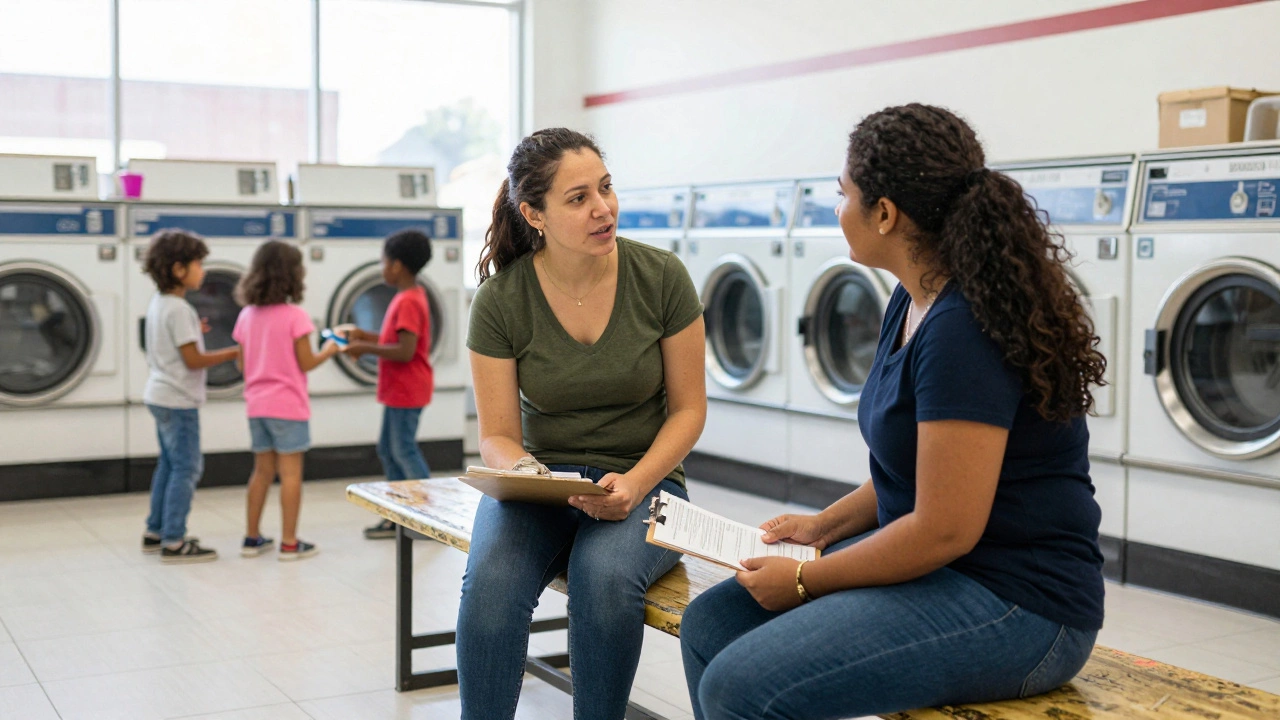
Real outreach is when someone from that nonprofit sits down with a single mom at the laundromat, not to sell anything, but to hear her story. Maybe she works two shifts. Maybe her kids are home alone after school. Maybe the brochure’s after-school program doesn’t open until 4 p.m., but she gets off work at 3:30. Now you’ve got a problem - and a real chance to fix it.
Outreach Isn’t a Program - It’s a Relationship
Many organizations treat outreach like a project with a start date and an end date. They set up a booth at the farmers market for three weekends. They run a social media campaign for a month. Then they pack up and wait for funding to come back.
That’s not outreach. That’s event planning.
True outreach is ongoing. It’s showing up even when no one’s watching. It’s remembering someone’s name after you met them six months ago. It’s following up because you promised to check in. It’s admitting when you got something wrong and changing course.
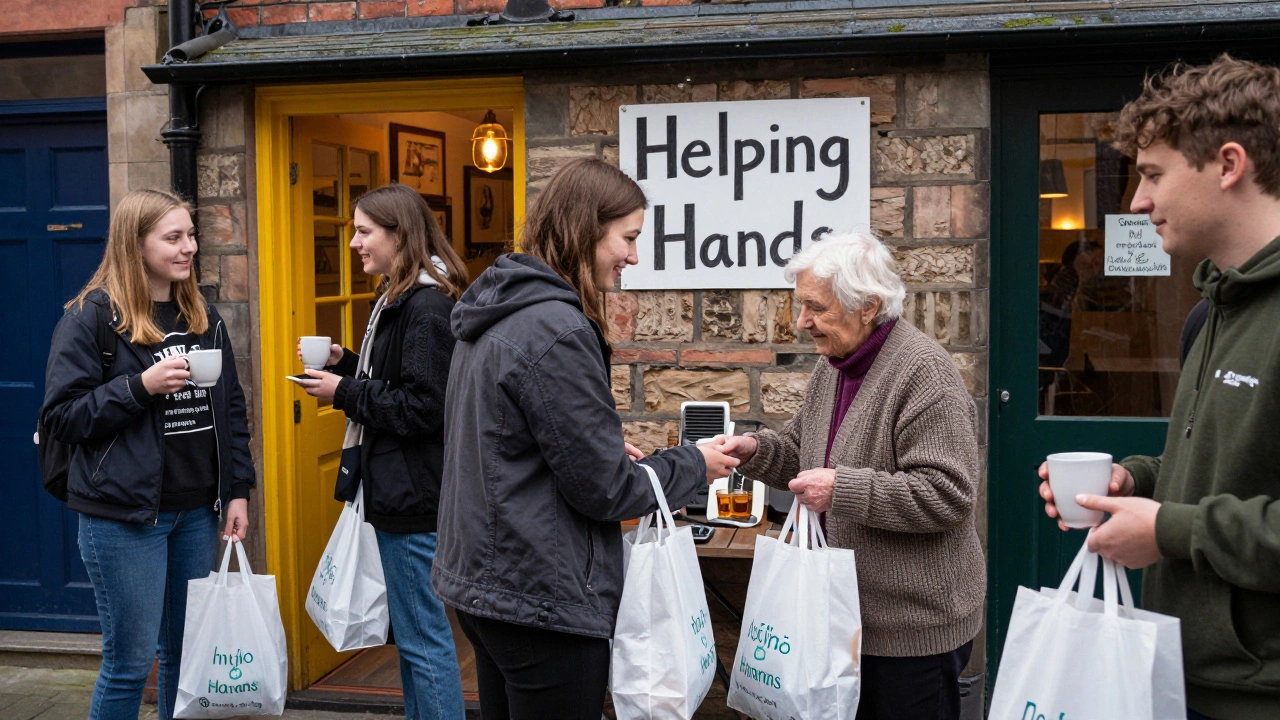
In Edinburgh, the West Port Community Hub didn’t launch a new food bank because they saw a need. They launched it because a group of teenagers came to them and said, "We’re helping our neighbors carry groceries, but we don’t have a place to store them." That’s outreach - led by the community, not imposed from above.
What Outreach Actually Looks Like
Here’s what real outreach includes, and what it doesn’t:
- Does: Going to where people already are - corner shops, bus stops, places of worship, school drop-off lines.
- Doesn’t: Waiting for people to come to your office or website.
- Does: Asking open-ended questions: "What’s been the hardest part this year?" "What would make things easier?"
- Doesn’t: Leading with your agenda: "Our program can help you with X."
- Does: Training volunteers to listen, not pitch.
- Doesn’t: Using jargon like "stakeholders," "target demographics," or "intervention strategies." Real people don’t talk like that.
One of the most powerful outreach tools is silence. Let the person finish. Let them pause. Let them say something unexpected. Often, the real need isn’t in the first answer. It’s in the quiet after.
Common Myths About Outreach
There are a lot of myths floating around - especially in nonprofits and local government.
Myth 1: More flyers = better outreach.
You can hand out 500 flyers in a day. But if only 5 people read them, and none of them trust the organization behind them, you’ve wasted time. Trust is built over months, not minutes.
Myth 2: Outreach is for "hard-to-reach" people.
That phrase implies some people are broken or hiding. The truth? People aren’t hard to reach. Systems are hard to access. If someone doesn’t show up to your event, it’s not because they’re uninterested. It’s because your event requires a car, a phone, a bank account, or English fluency - things they might not have.
Myth 3: We need data before we start.
You don’t need a survey to know someone is hungry. You don’t need a heatmap to know a playground is unsafe. Sometimes, the best data is walking through the neighborhood and talking to five people.
How to Build a Real Outreach Strategy
Forget fancy templates. Here’s how to build outreach that lasts:
- Start with one person. Find someone in the community who already trusts others. Not a leader. Not a volunteer. Just someone who’s known and respected. Ask them: "Who should I be talking to?"
- Go where they go. If people gather at the community center on Tuesdays, show up on Tuesdays. Not Monday. Not Wednesday. Tuesdays.
- Bring nothing but your presence. No brochures. No clipboard. No logo. Just you. Say: "I’m here to learn. What’s one thing we’re not doing that you wish we were?"
- Listen more than you speak. If you talk more than 30% of the time, you’re not listening.
- Return. And return again. Show up next week. Next month. Even if nothing changes. Trust isn’t built in meetings. It’s built in consistency.
There’s no magic formula. No app. No template. Just presence. And patience.

What Outreach Isn’t
Outreach isn’t:
- A PR campaign
- A fundraising tactic
- A compliance requirement
- A checkbox on a grant application
It’s not about reporting numbers. It’s not about proving impact to donors. It’s not about getting your name in the newspaper.
Outreach is about changing the power dynamic. It’s about saying: "I don’t have the answers. But I’m here to find them with you."
Why This Matters Right Now
In 2026, communities are more divided than ever. Rising rents, underfunded services, and digital isolation are pushing people further apart. But the most resilient communities aren’t the ones with the most funding. They’re the ones with the deepest connections.
When the local library in Leith stopped hosting "information sessions" and started hosting "story circles" - where people shared their experiences without judgment - attendance tripled. Not because they advertised. But because they stopped talking at people and started talking with them.
That’s the best definition of outreach: When you stop trying to fix someone, and start walking beside them.
Is outreach the same as marketing?
No. Marketing tells people what you have. Outreach asks what they need. Marketing wants you to buy something. Outreach wants you to be heard. Marketing is transactional. Outreach is relational. You can market a program. But you can’t market trust.
Do I need special training to do outreach?
You don’t need a degree. You need curiosity and humility. The best outreach workers aren’t always the most experienced. Sometimes they’re the ones who admit, "I don’t know," and ask, "Can you help me understand?" Training helps, but presence matters more.
How do I know if my outreach is working?
Look for small signs: Someone asks you for coffee instead of just a flyer. A neighbor starts bringing you extra fruit from their garden. A local shop owner says, "I saw you there again - good to see you." Real outreach grows quietly. It doesn’t show up in reports. It shows up in relationships.
What if people are rude or uninterested?
You’ll meet people who don’t want to talk. That’s okay. Not everyone will open up - and that’s not your failure. Outreach isn’t about convincing everyone. It’s about being reliable for the ones who do. Keep showing up. One person at a time.
Can outreach happen online?
Yes - but only if it’s personal. A Facebook post doesn’t count. A DM asking, "Hey, I saw your comment about the bus route - can I buy you a coffee and hear more?" That’s outreach. Digital tools can help, but connection still needs humanity.