Loneliness feels heavier these days. You might scroll through social media, seeing everyone else's highlight reels, and wonder why your own life feels so quiet. It is a common feeling, especially in 2026, where digital connection often replaces real interaction. You are not alone in wanting to make friends. The question is not whether you can, but where you should look to find them. The answer depends on what you value most: shared interests, convenience, or deep purpose.
Shared Interest Groups and Social Clubs
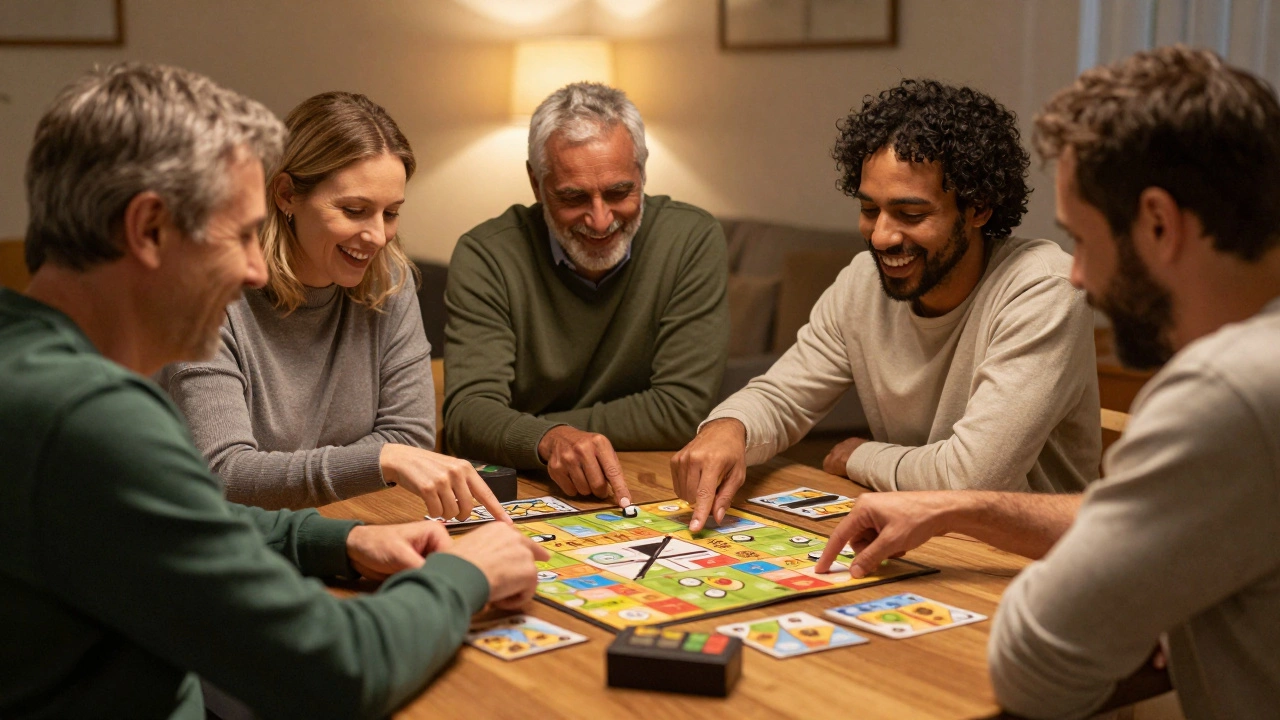
The most reliable way to meet people is through a shared activity. When you focus on a task, the pressure to talk constantly disappears. Social Clubs are organized groups where people gather regularly around a specific hobby or interest. In 2026, these groups have evolved beyond traditional book clubs. Think about board game nights, hiking groups, or coding workshops.
Why do these work better than bars or parties? Because the activity provides a built-in conversation starter. You are not forced to ask "What do you do?" immediately. Instead, you ask, "Do you want to take this turn?" or "How did you set up that camera?" This reduces social anxiety significantly.
- Board Game Groups: Great for strategy lovers and those who enjoy structured interaction.
- Hiking Clubs: Perfect for nature enthusiasts who prefer side-by-side conversation over face-to-face intensity.
- Cooking Classes: Ideal for foodies who want to collaborate on a tangible result.
Look for local chapters of national organizations. For example, if you live in Edinburgh, there are dozens of walking groups that meet in the park regardless of the rain. Consistency is key here. If you show up every Tuesday, people start to recognize you. Familiarity breeds comfort, and comfort breeds friendship.
Volunteering for Connection
If you want friends who share your values, volunteering is the strongest path. Volunteering is unpaid work done to help a community or organization. It creates a bond based on shared purpose rather than just shared leisure.
When you work side-by-side to help others, you see people at their best. You witness their empathy, their work ethic, and their kindness. This is a much stronger foundation for a friendship than meeting at a networking event where everyone is selling themselves.
Consider local food banks, animal shelters, or community gardens. These environments require teamwork. You are not just standing around talking; you are sorting cans, walking dogs, or planting seeds. The shared effort creates a natural camaraderie. Plus, you are contributing to something bigger than yourself, which improves your own mental well-being while you build your network.
Digital Platforms and Apps
Technology is not the enemy of friendship; it is just a tool. In 2026, apps have become much more sophisticated at matching people for platonic connections. Meetup is a platform that helps users discover and join local groups. It remains one of the top choices for finding structured events.
Then there are dedicated friendship apps. Bumble BFF is a mode within the Bumble app designed specifically for finding friends. It uses swiping mechanics similar to dating apps but with a clear intent for friendship.
These tools work best when you treat them like a dating app for friends. Be honest in your profile. If you want to go for coffee, say you want to go for coffee. If you want to join a running group, state that clearly. Do not be vague. Specificity attracts the right people and filters out those who are not looking for the same thing.
| Method | Cost | Commitment | Best For |
|---|---|---|---|
| Social Clubs | Low to Medium | Weekly | Hobby enthusiasts |
| Volunteering | Free | Flexible | Value-driven individuals |
| Friendship Apps | Free to Premium | As Needed | Introverts or busy schedules |
| Classes | Medium | Course Duration | Skill builders |

Physical Spaces and Community Centers
Sometimes the best place is simply where people gather. Community Centers are public facilities that provide services and activities for local residents. They are often underutilized but packed with potential connections.
Libraries are another goldmine. They host reading groups, tech workshops, and children's story times. If you are a parent, the playground is the ultimate networking hub. If you are not, look for the adult learning programs. These spaces are designed for interaction, unlike cafes where people often hide behind laptops.
Also, consider fitness classes. Gyms can be intimidating, but group classes like yoga, spin, or CrossFit create a team atmosphere. You suffer through the workout together. There is a specific bond that comes from pushing your physical limits alongside strangers. It is a shared vulnerability that often leads to post-workout chats and eventually coffee dates.
Overcoming the Approach Barrier
Finding the place is only half the battle. The other half is actually talking to people. Many people wait for an invitation that never comes. You must take the initiative. It feels awkward, but it is necessary.
Start small. You do not need to ask someone to be your best friend immediately. Just ask a question. "Is this seat taken?" "Do you know when the next bus comes?" "What did you think of the presentation?" These micro-interactions build comfort. If the conversation flows, suggest a low-stakes follow-up. "I am going to grab a coffee after this, want to join?" It is casual and easy to say no to, which reduces pressure on both sides.
Remember that most people are just as lonely as you are. They are waiting for someone to make the first move. By being the one to speak, you might be doing them a favor. Social anxiety is real, but it is manageable. Focus on being curious about the other person rather than worrying about how you appear. Ask open-ended questions that require more than a yes or no answer.

Maintaining New Connections
Making a friend is one thing; keeping them is another. Friendships require maintenance. In the past, we relied on proximity. Now, we rely on intention. If you meet someone at a class, exchange contact information. Send a message within 24 hours. "It was great meeting you at the pottery class. Here is my number."
Schedule the next interaction before you leave. Do not wait for a vague "we should hang out sometime." That phrase rarely leads to action. Instead, say, "I am going to the market this Saturday. Want to meet there?" Specificity creates accountability.
Understand that friendship has seasons. Some friends are for a specific chapter of your life, like college or a specific job. Others stick around for decades. Do not force a connection if it does not feel right. But do not give up too easily either. It often takes seven to ten interactions to move from acquaintance to friend. Be patient and consistent.
Frequently Asked Questions
Is it too late to make friends as an adult?
No, it is never too late. While school provides a built-in social structure, adulthood requires more intention. Many people find their closest friends in their 30s, 40s, and beyond. The key is to seek out environments where adults gather regularly.
What if I get rejected?
Rejection is part of the process. Not every connection will work out, and that is okay. It does not mean you are unlikable. It often means timing or interests did not align. Keep trying with different groups until you find your people.
Are online friends real friends?
Yes, they can be. The medium does not determine the quality of the bond. However, moving an online connection to a video call or an in-person meeting usually strengthens the relationship. Aim to meet physically if possible.
How much does it cost to join social groups?
Costs vary widely. Volunteering is free. Meetup groups often charge a small fee to cover venue costs. Classes and gyms require membership fees. Budget for a few pounds per month to access paid groups, as they often have higher commitment levels.
What should I do if I have social anxiety?
Start with low-pressure environments. Volunteering or structured classes are good because the focus is on the task, not small talk. Consider speaking to a therapist if anxiety is severe. Small, gradual exposure to social situations helps build confidence over time.
Building a social circle takes time and effort. It is not about finding the perfect place instantly. It is about showing up consistently in spaces that align with your interests. Whether it is a local community center, a volunteer group, or a digital platform, the best place to make friends is where you feel most comfortable being yourself. Start today, take one small step, and watch your network grow.