
Fundraiser Profit Estimator
Event Configuration
Projected Outcome
Configure your fundraiser details on the left to see a profit estimate.
You don’t need a massive budget to raise money for a cause. In fact, some of the most successful fundraisers are the ones that cost almost nothing upfront. If you’re organizing an event for a local school, a neighborhood group, or a small non-profit, every penny spent on decorations or permits is a penny not going to your mission. The real question isn’t just what costs the least-it’s what brings in the most return for that minimal investment.
Many organizers fall into the trap of thinking they need a big party to make a difference. They spend hundreds on venues and catering, only to break even at best. The smartest approach flips this model: keep overhead near zero and maximize community participation. Below, we break down the absolute cheapest ways to fundraise, how to execute them without burning out, and why simplicity often beats spectacle.
The Digital-First Approach: Zero Overhead
If you want the literal cheapest fundraiser, it’s one that doesn’t require physical materials at all. Online crowdfunding has changed the game completely. Platforms like GoFundMe, Kickstarter, or specialized charity sites allow you to create a campaign page for free. You pay nothing until you start receiving donations, and even then, the fees are usually a small percentage taken from the donor’s contribution, not from your pocket.
The key here is storytelling. People don’t donate to a blank page; they donate to a story. Take the example of a local animal shelter in Edinburgh that needed funds for winter supplies. Instead of buying flyers, they created a simple video showing the animals shivering in their current setup. They shared this link across local Facebook groups and WhatsApp chats. Within two weeks, they raised enough to buy blankets and heating pads. The cost? Time. The result? A fully funded project with zero financial risk.
To make this work, you need a clear goal and a compelling narrative. Don’t just say "we need money." Say "we need £500 to provide hot meals for 100 families this Christmas." Specificity drives action. Also, leverage social proof. When people see others donating, they are more likely to join in. Share updates regularly to keep momentum going.
Skill-Based Services: Trading Talent for Cash
Another incredibly cheap option is offering services based on skills you or your volunteers already have. This requires no inventory, no venue, and no marketing materials if done through word-of-mouth. Think about what your community needs. Can someone bake? Offer custom cakes for birthdays. Is there a gardener who can tidy up lawns? Charge a donation fee for garden clean-ups. Do you know how to fix computers? Host a free repair day where participants donate whatever they can afford.
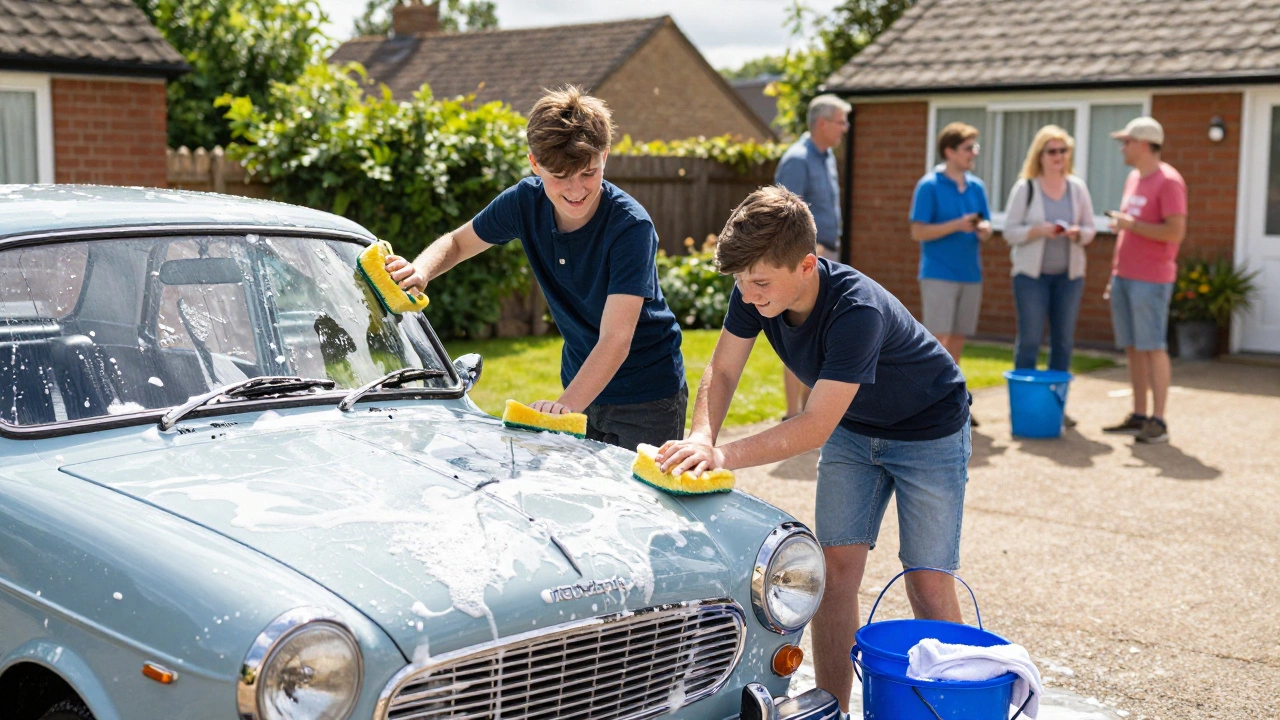
This method works because it provides immediate value to the customer while supporting a cause. It builds goodwill and strengthens community ties. For instance, a youth group might offer car washes on weekends. The only costs are soap and water, which can be donated by local businesses. The profit margin is nearly 100%. Plus, it gets young people involved in a tangible way, teaching them entrepreneurship and teamwork.
When organizing skill-based fundraisers, focus on reliability. Make sure appointments are kept and quality is high. One bad experience can hurt your reputation. Use simple booking systems like Google Forms or free scheduling apps to manage requests. Promote these services through local community boards and social media pages dedicated to your town or city.
Virtual Events: No Venue Costs
Traditional events eat up budgets fast. Renting a hall, buying insurance, and arranging security can wipe out profits before you even start. Virtual events eliminate these costs entirely. Host a quiz night, a talent show, or a webinar via Zoom or Microsoft Teams. Participants pay an entry fee to join the call. You can use free platforms for hosting and payment processing.
Quiz nights are particularly popular because they are easy to organize and highly engaging. Create rounds using trivia questions relevant to your audience. You can find free question banks online or write your own. Assign a moderator to read questions and announce winners. To add excitement, include a "lightning round" or a "mystery prize" sponsored by a local business. These sponsors might provide prizes in exchange for promotion, further reducing your costs.
Talent shows also work well, especially for schools or community centers. Invite residents to perform songs, dances, or comedy routines. Viewers pay a small fee to watch the stream. You can encourage tipping during performances. This format is flexible and can run for hours, maximizing revenue potential without additional expenses. Just ensure you have a stable internet connection and test your audio/video setup beforehand.
Community Sales: Selling What Others Don’t Need
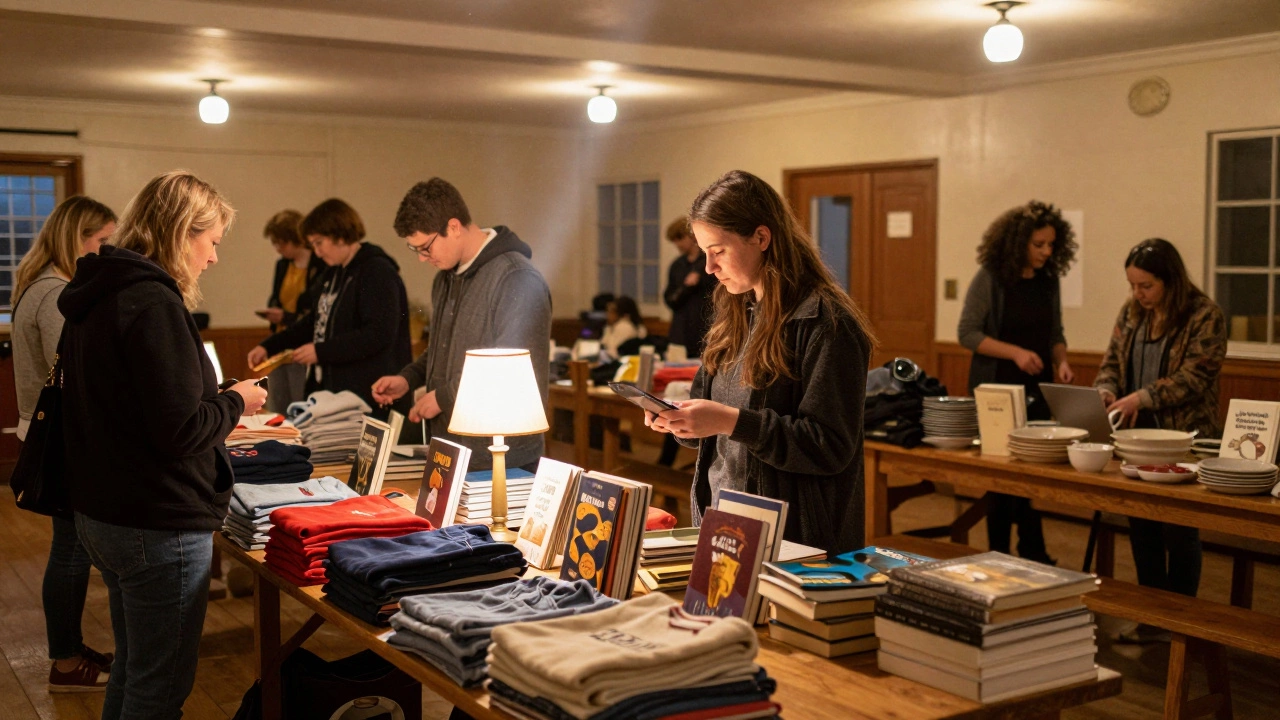
Sales-based fundraisers are classic for a reason: they generate cash quickly. But traditional bake sales or book sales require you to buy ingredients or source items. A cheaper alternative is a "swap shop" or "free store" sale. Ask community members to donate items they no longer need-clothes, books, toys, kitchenware. Sell these items at low prices, keeping 100% of the proceeds for your cause.
This approach has multiple benefits. It reduces waste by giving items a second life, appeals to eco-conscious donors, and requires no upfront capital. You just need a space to display goods, which could be a church hall, a park pavilion, or even a driveway. Set up tables with clear pricing signs. Accept cash and card payments via mobile terminals if available.
To boost sales, theme your event. A "Summer Clearance Sale" or "Back-to-School Essentials" draw attracts specific shoppers. Partner with local influencers or community leaders to spread the word. Encourage bulk purchases by offering discounts for larger baskets. This creates urgency and increases average transaction values.
Petition Drives and Awareness Campaigns
Sometimes the best fundraiser isn’t about collecting money directly but raising awareness that leads to support. Petition drives for local issues-like improving park facilities or protecting green spaces-can mobilize communities. While signatures themselves don’t raise cash, they build a base of supporters who may later donate or volunteer. You can combine this with a small donation request per signature.
Awareness campaigns can also involve challenges. Think of the Ice Bucket Challenge, which went viral globally. Create a local version, such as a "Walk for Water" challenge where participants ask friends to sponsor each mile walked. Provide a tracking sheet or app link for sponsors to contribute. The cost is minimal-just printing sheets or setting up a digital form-and the reach can be significant if participants share their progress online.
These methods rely heavily on engagement. Make it easy for people to participate and share. Use hashtags unique to your campaign to track activity. Highlight stories of impact to keep donors motivated. Transparency is crucial; show exactly how funds will be used to maintain trust.
| Method | Upfront Cost | Effort Level | Potential Return | Best For |
|---|---|---|---|---|
| Online Crowdfunding | Near Zero | Medium (Storytelling) | High (Viral Potential) | Causes with strong emotional appeal |
| Skill-Based Services | Very Low (Materials) | High (Time-Intensive) | Medium-High | Groups with skilled volunteers |
| Virtual Quiz Night | Low (Prizes) | Medium (Organization) | Medium | Community groups seeking fun interaction |
| Swap Shop Sale | Zero (Donated Goods) | High (Logistics) | Medium | Eco-friendly initiatives & decluttering trends |
Pitfalls to Avoid When Budgeting Tight
Even with low-cost strategies, mistakes can drain resources. One common error is underestimating hidden costs. Printing flyers seems cheap, but if you need 500 copies, it adds up. Always calculate total expenses before launching. Another pitfall is poor communication. If people don’t know about your fundraiser, they won’t donate. Invest time in promotion, even if it’s just sharing posts consistently.
Also, beware of overcomplicating things. A simple idea executed well beats a complex one done poorly. Don’t try to do everything yourself. Delegate tasks to volunteers based on their strengths. Someone good at design can handle graphics, while another manages logistics. Clear roles prevent burnout and ensure smooth operations.
Finally, track your results. After each fundraiser, review what worked and what didn’t. Did certain channels bring more donors? Were some activities more profitable than others? Use this data to refine future efforts. Continuous improvement helps you maximize returns over time.
Maximizing Impact with Minimal Means
The cheapest fundraiser is ultimately the one that aligns with your community’s interests and capabilities. There’s no one-size-fits-all solution, but focusing on digital tools, existing skills, and virtual formats drastically cuts costs. Remember, the goal is sustainability. A fundraiser that breaks even financially but builds lasting relationships and awareness is a success.
Start small, test different approaches, and scale what works. Engage your network early and often. Show appreciation to every donor, no matter the amount. Gratitude fosters loyalty and encourages repeat support. With creativity and determination, you can raise meaningful funds without breaking the bank.
What is the absolute cheapest way to fundraise?
The absolute cheapest way is online crowdfunding. It requires no upfront costs for materials or venues. You only need a computer and internet access to set up a campaign page. Fees are typically deducted from donations received, so you never lose money unless you fail to raise any.
How much money can I realistically raise with a low-cost fundraiser?
It depends on your network size and engagement level. Small community groups often raise between £200 and £1,000 with basic efforts. Larger organizations with established followings can raise thousands. Focus on building a broad base of small donors rather than relying on a few large contributions.
Do I need special permissions for virtual events?
Generally, no. Hosting events on platforms like Zoom does not require permits since there is no public gathering. However, if you plan to broadcast copyrighted music or content, you may need licenses. Check local regulations regarding charitable collections if soliciting donations publicly.
Can I combine multiple cheap fundraising methods?
Yes, combining methods is highly effective. For example, host a virtual quiz night where winners receive prizes from a swap shop sale. Or launch an online campaign alongside a skill-based service offer. Diversifying tactics reaches different segments of your audience and increases overall revenue.
How do I promote a fundraiser without spending money on ads?
Leverage organic social media channels, email newsletters, and word-of-mouth. Ask volunteers to share posts within their networks. Partner with local businesses for cross-promotion. Use community bulletin boards and local newspapers’ free listing sections. Consistent, authentic messaging resonates better than paid ads anyway.