Climate & Biodiversity Threat Assessment
Answer five quick questions to gauge your grasp of the twin crises. Your score reveals how well you understand why these threats reinforce each other.
Walk through any park in Edinburgh on a summer evening and you’ll hear the debate: Is it the heatwaves that will break us, or the silent disappearance of species that truly matters? It’s a question that keeps scientists up at night and activists busy at rallies. The short answer? It’s not one single villain. It’s a tangled web of crises where climate change and biodiversity loss feed into each other like a bad spiral.
We often treat these as separate problems. We talk about carbon emissions in one meeting and habitat destruction in another. But in reality, they are two sides of the same coin. If we only fix one, we’re just delaying the inevitable. To understand what actually threatens our planet most, we have to look at how these forces interact, who is driving them, and what can actually be done before the tipping points are crossed.
The Twin Crises: Climate and Nature
Climate change is the long-term shift in global temperatures and weather patterns, primarily driven by human activities such as burning fossil fuels. It’s the headline grabber for good reason. Rising temperatures affect everything from crop yields to sea levels. But Biodiversity loss is the decline in the variety of life on Earth, including plants, animals, and microorganisms, often due to habitat destruction and pollution. This one gets less attention but is equally deadly.
Here’s why they are linked: Healthy ecosystems act as natural buffers against climate impacts. Forests absorb carbon. Wetlands store water during floods. When we destroy these habitats, we lose both the species living there and the services those ecosystems provide. A dead forest doesn’t just mean fewer birds; it means less carbon storage and more erosion. So, if you ask which is the greatest threat, the honest answer is that they are mutually reinforcing enemies.
| Threat | Primary Driver | Immediate Impact | Reversibility |
|---|---|---|---|
| Climate Change | Fossil fuel combustion | Extreme weather events | Low (requires rapid decarbonization) |
| Biodiversity Loss | Habitat destruction | Species extinction | Moderate (habitat restoration possible) |
| Pollution | Industrial waste/plastics | Ecosystem toxicity | High (clean-up efforts effective) |
Why Habitat Destruction Wins the "Greatest" Title
If forced to pick a single root cause, many ecologists point to Habitat destruction, which is the alteration or removal of natural environments, typically for agriculture, urbanization, or resource extraction. Why? Because it directly kills the biological machinery that keeps our planet stable.
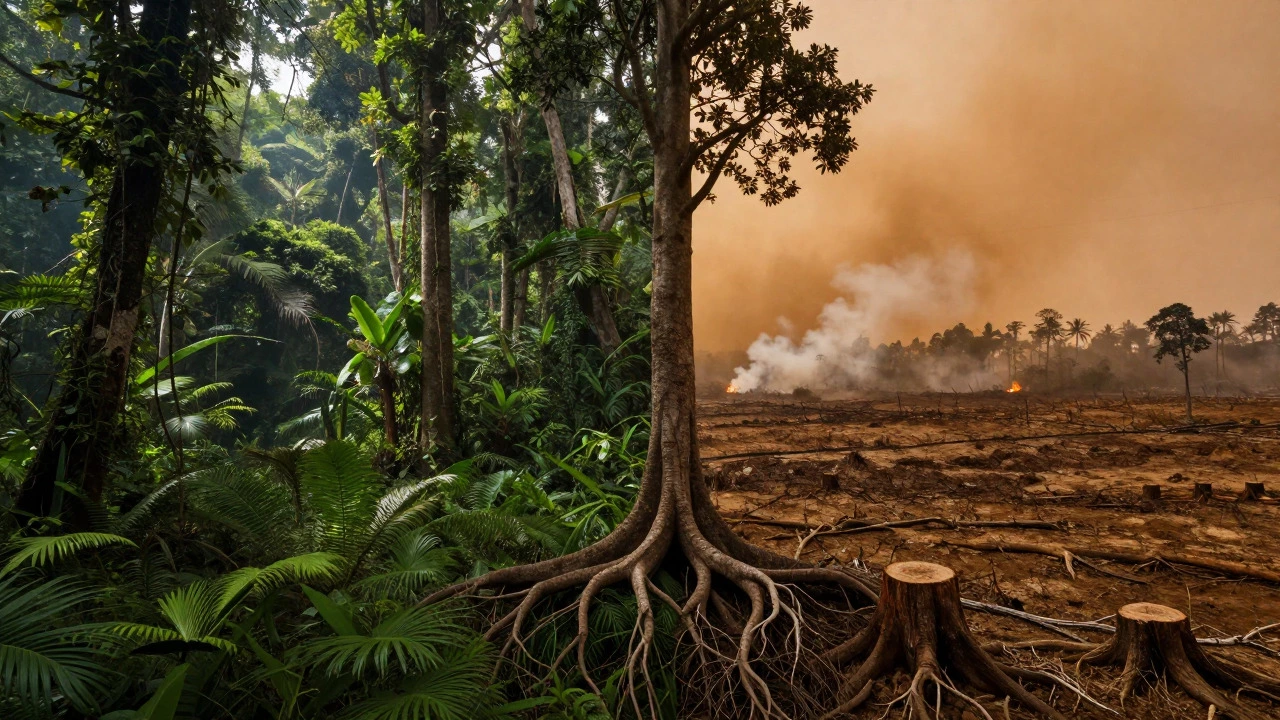
Consider the Amazon rainforest. It’s called the "lungs of the Earth," though that’s a slight oversimplification-it’s more like a giant sponge and carbon vault. When we clear land for cattle ranching or soy production, we release stored carbon (worsening climate change) and kill off countless species (reducing biodiversity). The loss of soil structure leads to erosion, which silts up rivers and kills aquatic life downstream. It’s a chain reaction starting with one bulldozer.
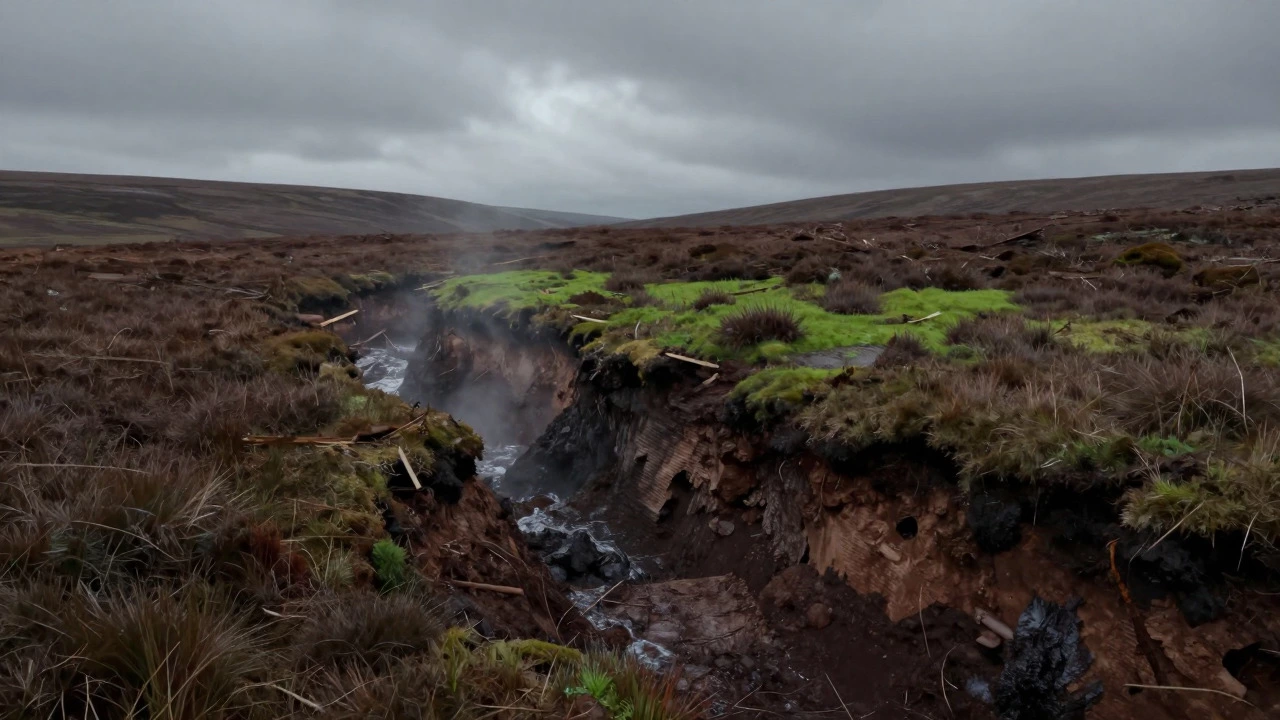
In Scotland, we see smaller-scale versions of this. Peatland drainage for farming releases massive amounts of stored carbon. Peatlands cover about 30% of the UK’s land area but hold 50% of its soil carbon. Draining them turns a carbon sink into a carbon source. This local example mirrors the global issue: when we alter landscapes for short-term economic gain, we pay a long-term ecological price.
The Role of Human Behavior and Policy
None of this happens by accident. It’s driven by economic models that value immediate profit over long-term stability. Sustainable development is an approach to growth that meets present needs without compromising the ability of future generations to meet their own needs. The problem is that sustainability is often treated as a buzzword rather than a strict operational rule.
Policy plays a huge role here. Subsidies for fossil fuels still dwarf subsidies for renewable energy in many countries. Agricultural subsidies often encourage monocultures, which strip soil health and reduce insect populations. When governments incentivize practices that degrade the environment, the market follows. To change the trajectory, we need policy shifts that put a price on carbon and internalize the cost of ecosystem damage.
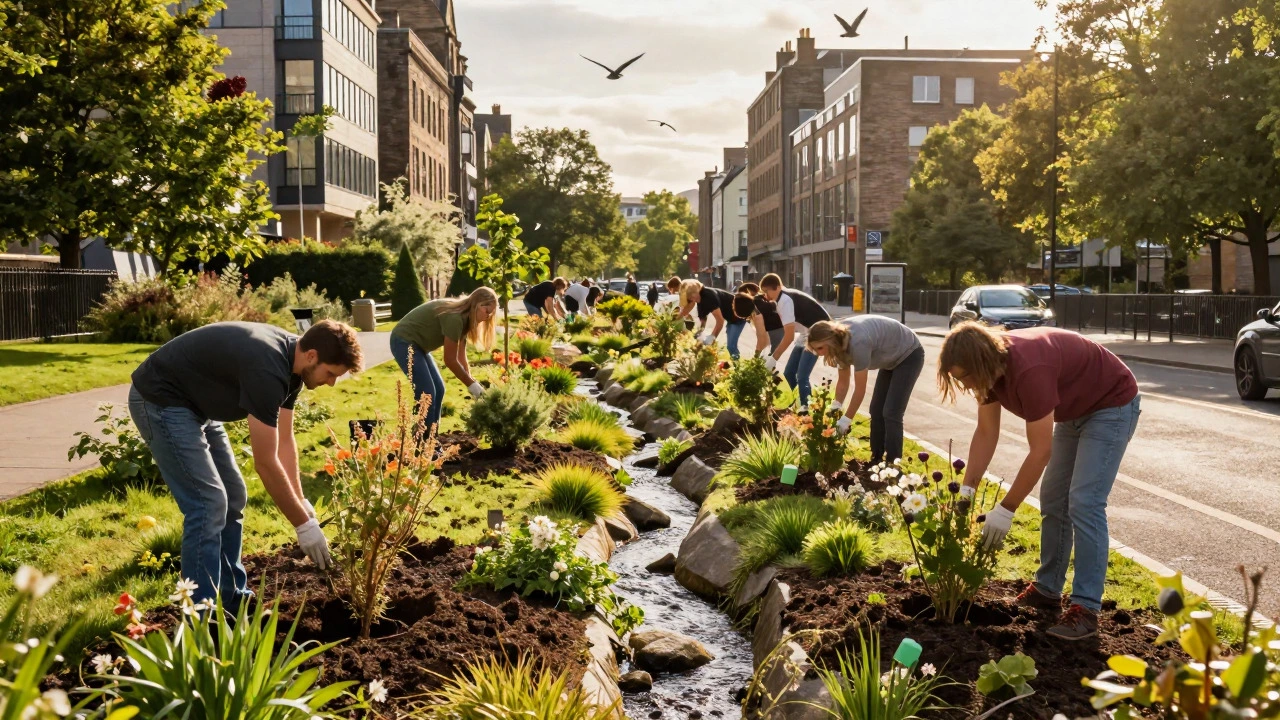
Community action also matters. Local conservation groups in places like Edinburgh work on peatland restoration and urban rewilding. These projects show that recovery is possible. Rewilding isn’t just about letting nature run wild; it’s about active management to restore natural processes. It creates green corridors that allow species to migrate as climates shift, linking back to the climate-biodiversity connection.
Can We Reverse the Damage?
It’s easy to feel hopeless, but despair is a luxury we can’t afford. The science suggests that while some damage is irreversible (like certain extinct species), much of the current crisis is manageable if acted upon now.
Key strategies include:
- Protecting existing habitats: It’s cheaper and more effective to protect intact forests than to try and regrow them later.
- Restoring degraded lands: Reforestation and wetland recovery can sequester carbon and bring back wildlife.
- Shifting diets and consumption: Reducing meat consumption lowers pressure on land use and reduces methane emissions.
- Investing in green technology: Solar and wind power must become the default, not the alternative.
These aren’t just technical fixes; they require cultural shifts. We need to stop seeing nature as a resource to be exploited and start viewing it as a partner in our survival. The greatest threat to Earth isn’t a single event; it’s our continued failure to adapt our systems to live within planetary boundaries.
FAQ
Is climate change the biggest threat to the planet?
While climate change is highly visible, biodiversity loss is arguably more fundamental because it destroys the ecosystem services that keep life viable. However, they are so intertwined that addressing one without the other is ineffective. Most experts argue that habitat destruction is the primary driver of both crises.
How does peatland drainage affect global warming?
Peatlands store carbon for thousands of years. When drained for agriculture, the exposed organic matter decomposes and releases CO2 and methane. In the UK, drained peatlands emit more carbon annually than the entire transport sector combined, making restoration a critical climate action.
What is the fastest way to reduce biodiversity loss?
Protecting remaining intact habitats is the fastest and most cost-effective method. Stopping deforestation and expanding protected areas prevents new losses immediately, whereas restoration takes decades to fully recover ecosystem functions.
Does individual action really make a difference?
Individual actions like reducing plastic use or changing diet help, but systemic change is needed for large-scale impact. However, individual choices drive market demand and political will, so personal responsibility remains a key part of the solution alongside policy reform.
What is rewilding and how does it help?
Rewilding involves allowing natural processes to resume in managed areas. It helps by restoring complex food webs, improving soil health, and creating resilience against climate shocks. It’s not just about planting trees; it’s about reintroducing keystone species and letting ecosystems self-organize.