Volunteer Burnout Risk Assessment
How to use this tool
Answer these questions honestly to understand your risk of burnout. This assessment helps identify if your volunteering is sustainable or if you need to adjust your commitment.
People sign up to volunteer because they want to make a difference. They picture handing out meals, tutoring kids, planting trees, or sitting with someone who’s lonely. And sure, those moments happen. But what no one tells you upfront is how heavy volunteering can get-not because the work is hard, but because of what it does to you inside.
Time Isn’t the Biggest Hurdle
You think the hardest part is finding the hours. You’re juggling a job, family, maybe school. You try to squeeze in two hours a week at the food bank, but then your kid gets sick, your boss asks for overtime, and suddenly it’s been three weeks since you showed up. You feel guilty. But guilt isn’t the real problem. It’s the expectation that you should be able to do it all.
Most organizations don’t ask for perfection. They ask for consistency. And that’s where people drop out-not because they’re lazy, but because they promised more than they could give. One volunteer at the Edinburgh animal shelter told me she signed up for four hours a week. After two months, she was doing twelve. No one asked her to. She just didn’t want to let the staff down. That’s not dedication. That’s burnout waiting to happen.
The Emotional Weight Nobody Prepares You For
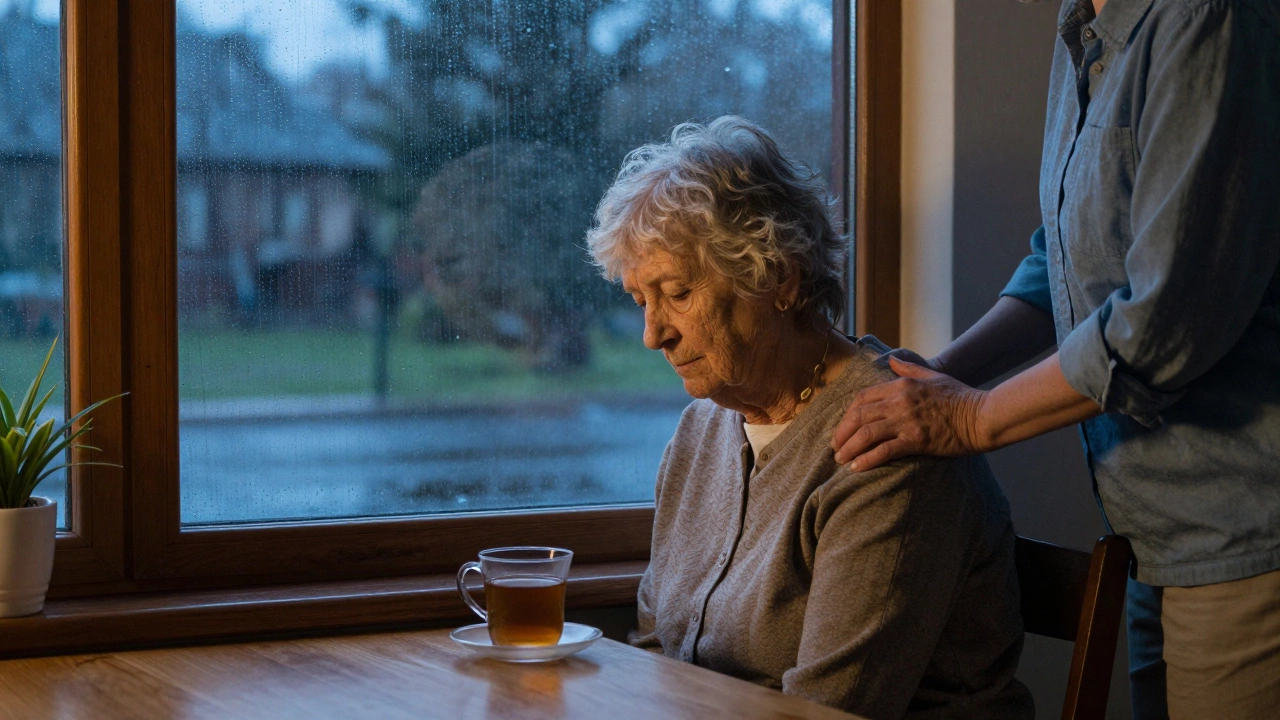
Volunteering with vulnerable people changes you. You meet someone like Maria, a 72-year-old woman who comes to the senior center every Tuesday because she has no one else to talk to. You learn she lost her husband two years ago, her daughter moved to Australia, and her pension doesn’t cover heating. You bring her tea. You listen. You start to care.
Then one Tuesday, she doesn’t come. You call. No answer. You go to her flat. The neighbor says she passed quietly in her sleep. You didn’t know she was that sick. You didn’t know she was dying. You feel like you failed her. You didn’t save her. You didn’t fix anything.
This is the silent cost of volunteering. You don’t get trauma counseling. You don’t get a debrief. You just go back next week, smile, and say, ‘How are you today?’ while your heart is still breaking. Volunteers in hospice care, homeless outreach, and domestic violence shelters carry this weight daily. No one talks about it. But it’s there. And it adds up.
The System Isn’t Always Fair
You show up ready to help. You bring energy, ideas, even your own supplies. But the organization? They’re understaffed, underfunded, and drowning in bureaucracy. You want to start a reading program for kids at the community center. You spend weeks planning it. You get flyers printed. You recruit three other volunteers. Then you’re told the funding for after-school programs got cut last month. The director apologizes. ‘We’re just glad you’re here,’ she says.
That’s demoralizing. You didn’t sign up to be a Band-Aid. You wanted to help fix something. But systems don’t change because one person shows up with good intentions. Volunteers become the glue holding broken systems together-and then get blamed when they crack.
It’s not your fault. But it feels like it is.
Feeling Invisible
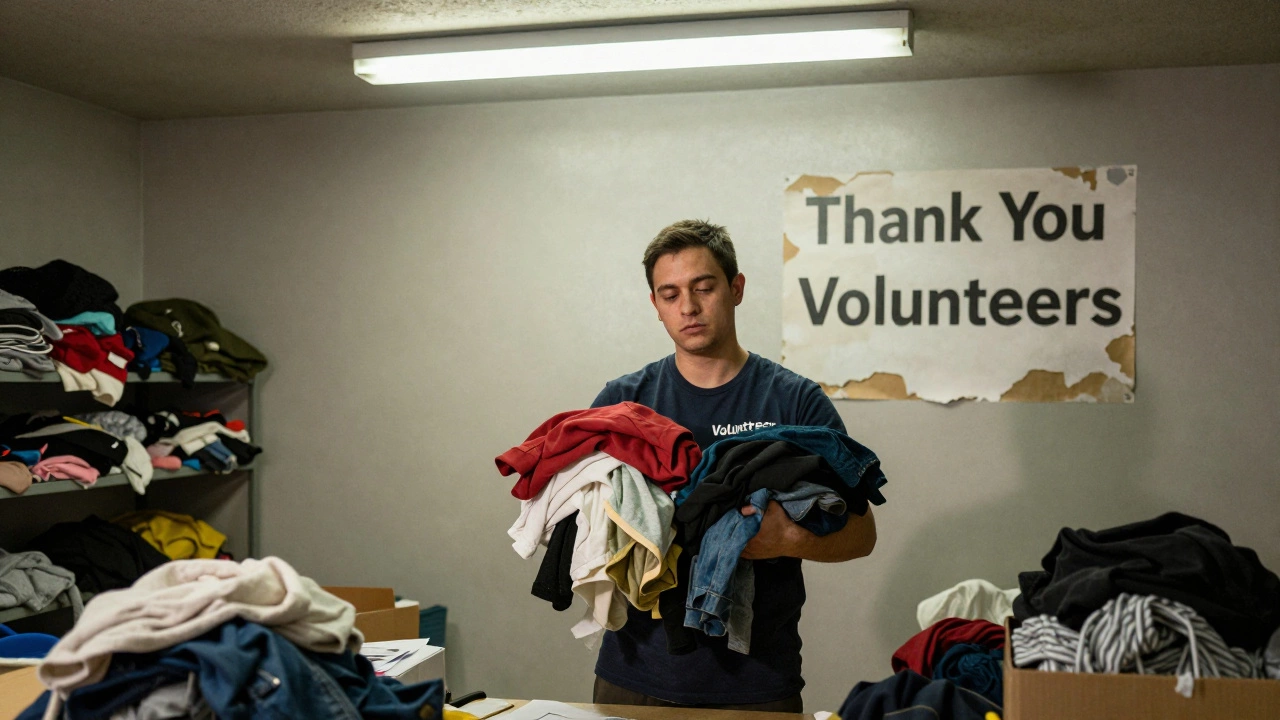
Volunteers are the backbone of so many services. Yet they’re often treated like extras. You’re asked to show up early, stay late, clean up after events, and never complain. You’re praised in newsletters as ‘our amazing volunteers,’ but no one ever asks how you’re doing.
At the youth drop-in center, I watched a teenager who’d been in foster care for five years say to a volunteer, ‘You’re the only one who remembers my name.’ That’s powerful. But it’s also terrifying. That kid didn’t need another activity. He needed someone who saw him. And now that volunteer carries that weight alone.
Volunteers rarely get recognition that feels real. A thank-you card doesn’t heal exhaustion. A coffee voucher doesn’t undo grief. And when you’re treated like a replaceable resource, it’s easy to wonder: Does my effort even matter?
When You Start to Question Your Motives
Here’s the quietest, most confusing part: sometimes you start to wonder if you’re doing this for them-or for yourself.
Are you volunteering because you genuinely care? Or because you need to feel useful? Because you’re bored? Because you think it looks good on your resume? Because you feel guilty you have more than others?
There’s no shame in any of those reasons. But when you start noticing them, it shakes you. You think, ‘Am I helping them, or just feeding my ego?’
That’s when you need honesty-not judgment. The best volunteers aren’t the ones who never doubt themselves. They’re the ones who keep showing up anyway, even when they’re unsure.

It’s Okay to Step Back
There’s a myth that real volunteers never quit. That’s false. Real volunteers know when they need to rest. Real volunteers say no. Real volunteers ask for help.
You don’t have to be the person who does everything. You don’t have to be the one who stays until midnight. You don’t have to fix everything. You just have to show up-when you can, how you can.
Volunteering isn’t about martyrdom. It’s about connection. And connection needs boundaries.
If you’re feeling drained, overwhelmed, or numb, it’s not a failure. It’s a signal. Take a break. Talk to someone. Find a different role. Maybe you’re better suited to helping behind the scenes-organizing donations, writing grants, designing flyers. Maybe you need to volunteer once a month instead of every week. Maybe you need to stop volunteering altogether for a while.
That doesn’t make you weak. It makes you human.
What Keeps People Going
So why do people keep doing it?
Because sometimes, you see a kid who couldn’t read last year now reading aloud to the group. Because you hear a senior say, ‘You’re the only one who calls me just to check in.’ Because you helped a family get food for the first time in months, and they cried-not because they were poor, but because someone cared enough to show up.
Those moments don’t erase the hard parts. But they make them worth it.
Volunteering isn’t easy. It’s messy, emotional, and sometimes heartbreaking. But it’s also one of the few things in life where your presence alone can change someone’s day. And that’s rare.
You don’t have to be perfect. You don’t have to be fearless. You just have to be willing to show up-even when it hurts.
Is volunteering worth it if it makes me feel so drained?
Yes-if you’re honest about your limits. Volunteering isn’t about sacrificing yourself. It’s about giving what you can, without burning out. If you’re feeling drained, it’s not a sign you should quit entirely-it’s a sign you need to adjust. Try reducing your hours, switching roles, or taking a break. The right kind of volunteering leaves you tired but not hollow.
How do I know if I’m experiencing volunteer burnout?
Burnout shows up as chronic exhaustion, irritability, detachment, or feeling like your efforts don’t matter-even when you know they do. You might start avoiding calls, skipping shifts, or feeling guilty for not doing more. If you’ve been feeling this way for weeks, it’s not laziness. It’s your body telling you to pause. Talk to the organization. Ask for support. Rest isn’t quitting. It’s sustainability.
Can I volunteer if I have mental health struggles?
Absolutely. Many volunteers have anxiety, depression, or trauma. Volunteering can help some people feel grounded and connected. But it’s important to choose roles that match your energy level. Avoid high-emotion roles like crisis hotlines or hospice if you’re not ready. Start with low-pressure tasks like sorting donations or helping with events. Your well-being comes first.
What if I get too attached to the people I help?
Attachment is natural. It means you’re doing your job well. But you can’t fix everyone’s life-and you shouldn’t try to. Set gentle boundaries: be kind, be present, but don’t take on their pain as your own. It’s okay to feel sad when someone leaves or passes away. Grief is part of caring. Talk to someone you trust. Many organizations offer peer support groups for volunteers. You’re not alone.
How do I find a volunteer role that won’t overwhelm me?
Start by asking: What do I have to give-not what I think I should give? Be honest about your time, energy, and emotional capacity. Look for roles with clear expectations: ‘2 hours every other Saturday,’ not ‘as needed.’ Ask the organization what kind of support they offer volunteers. If they don’t have any, that’s a red flag. Good organizations train, check in, and respect boundaries.
If you’re thinking about volunteering, go ahead. But go in with your eyes open. The hardest part isn’t the work. It’s learning how to care without losing yourself. And that’s a skill worth learning.