Volunteer Demographics Calculator
How do you compare to national volunteer statistics?
This calculator shows how your demographic compares to the most common volunteer profiles based on data from the UK and US.
Your Volunteer Profile
Based on your age and gender, you fall into the demographic.
Volunteer Rate Comparison
Your potential volunteer rate compared to the most common groups:
Recommended Roles
When you think of a volunteer, what comes to mind? Maybe someone handing out sandwiches at a shelter, or a teenager tutoring kids after school. But if you looked at the actual data-across cities, countries, and decades-there’s one type of volunteer that shows up more than any other. And it’s not who you might expect.
The Most Common Volunteer Is a Woman Over 55
According to data from the UK’s Office for National Statistics and the Corporation for National and Community Service in the US, the most frequent volunteer isn’t a college student, a retired teacher, or even a corporate employee on a company-sponsored day off. It’s a woman between the ages of 55 and 74. She’s likely retired, lives in a suburban or small-town area, and volunteers an average of 3 to 5 hours per week.
This group makes up nearly 30% of all formal volunteers in the UK and over 25% in the US. Why? Many have more free time after raising families and leaving full-time jobs. They also tend to have strong social networks, good health, and a desire to stay connected. For many, volunteering isn’t just charity-it’s how they maintain purpose and community.
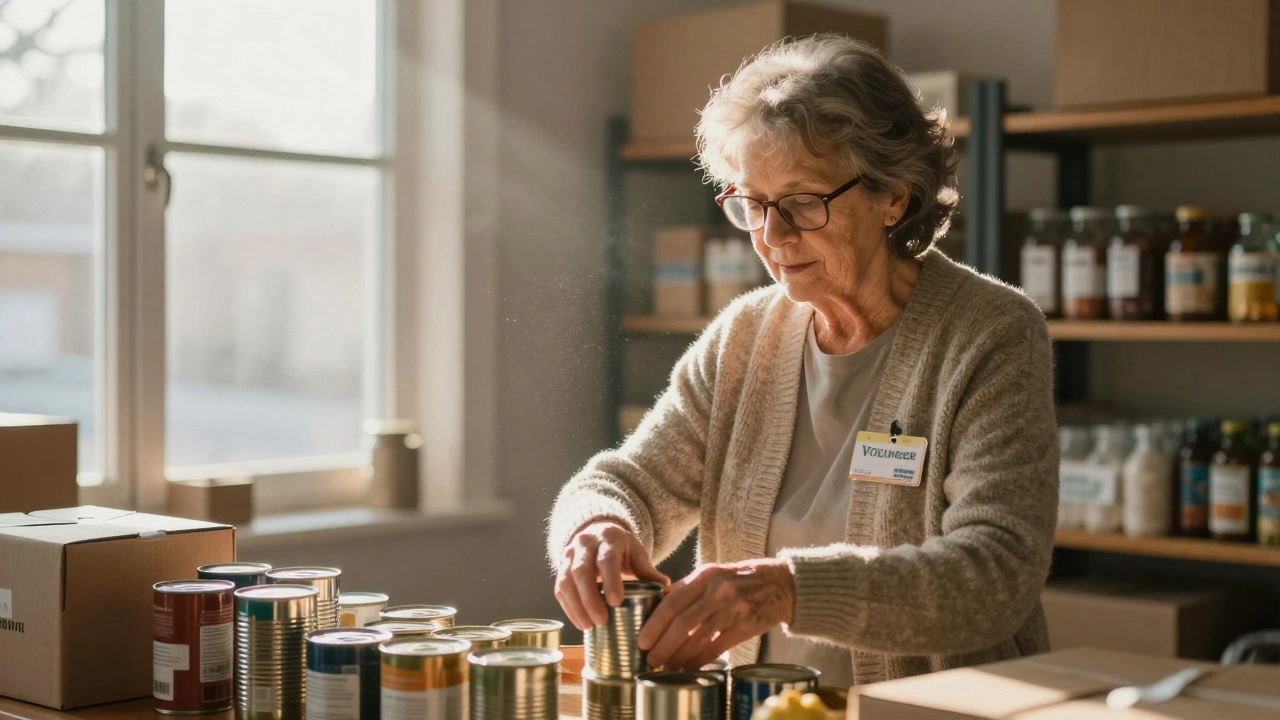
She’s the one showing up at the local food bank every Tuesday, organizing the church rummage sale, driving seniors to medical appointments, or reading to children at the library. She doesn’t post about it on social media. She doesn’t get a trophy. But she’s the backbone of thousands of local organizations.
What Do These Volunteers Actually Do?
It’s easy to assume volunteers do big, flashy things-building homes, running marathons for charity, or leading international trips. But the most common volunteer work is quiet, repetitive, and deeply local.
- Helping at food banks and meal delivery services
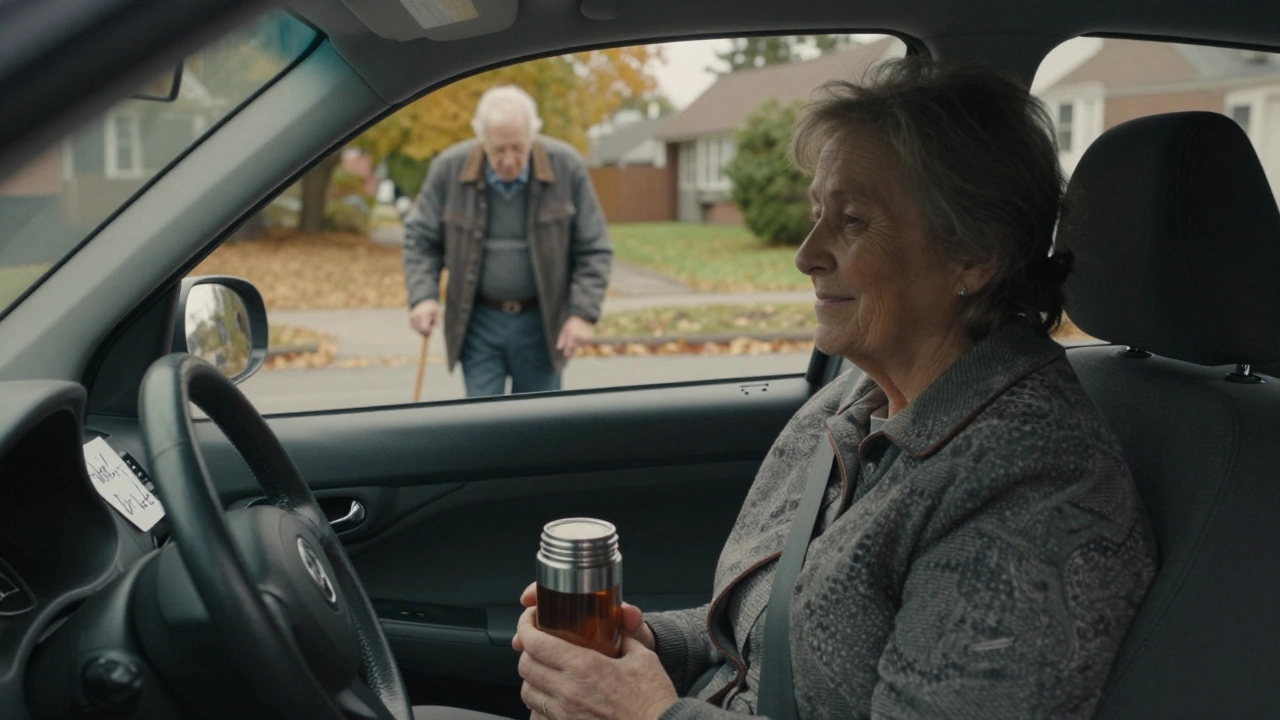
- Driving elderly or disabled people to appointments
- Reading to children in schools or libraries
- Staffing charity shops and thrift stores
- Assisting with church or community center events
- Volunteering at animal shelters or wildlife rescues
These aren’t glamorous roles. They don’t make headlines. But without them, many community services would collapse. In Scotland alone, over 1.2 million people volunteer each year, and the majority of their time goes into these everyday tasks. The NHS estimates that volunteers save the health system over £1.2 billion annually-mostly through transport, companionship, and administrative support.
Why This Group Volunteers More Than Others
It’s not just about having free time. Older women are more likely to volunteer because of three key factors: social norms, life experience, and emotional motivation.
First, women have historically been socialized to care for others-nurturing children, managing households, supporting spouses. That caregiving instinct doesn’t disappear after retirement; it just finds new outlets.
Second, they’ve lived through economic shifts, family losses, and community changes. Many have seen how fragile support systems can be. They know what it means to need help-and they want to make sure others don’t go without.
Third, volunteering helps combat loneliness. A 2024 study from the University of Edinburgh found that older women who volunteered regularly reported 40% lower levels of isolation than those who didn’t. It’s not just about giving back-it’s about staying seen, heard, and needed.
Who Else Volunteers? And How They Compare
Women over 55 aren’t the only ones volunteering-but they’re the most consistent. Other groups show up in different ways:
| Group | Volunteer Rate | Average Hours/Week | Most Common Roles |
|---|---|---|---|
| Women, 55-74 | 30% | 4.2 | Food banks, transport, reading programs |
| Men, 65+ | 22% | 3.1 | Repair work, gardening, administrative help |
| Students (16-24) | 25% | 2.5 | School tutoring, event support, youth programs |
| Working adults (25-54) | 18% | 1.8 | Corporate volunteering, one-off events |
| People with disabilities | 15% | 2.0 | Peer support, advocacy, online mentoring |
Students volunteer in bursts-often tied to school requirements or short-term projects. Working adults often do one-off events like charity runs or fundraising drives. But older women? They show up week after week, year after year. They’re the ones who know the names of every regular at the food bank. They remember which senior needs a ride on the third Tuesday. They’re the glue.
Why This Matters for Nonprofits
If you run a charity or community group, you need to understand this reality. You can’t just post a flyer on Facebook and expect young people to fill your slots. The people who show up consistently-those who make your program run-are often invisible to you.
Here’s what actually works:
- Offer flexible, low-commitment roles (e.g., 2 hours a week, no training required)
- Recognize them in person-not just on social media
- Provide tea, a seat, and a thank-you note
- Let them use their own skills (e.g., knitting, baking, filing, driving)
- Don’t assume they’re tech-savvy. Offer phone sign-ups, not just apps
Many organizations still design volunteer programs for millennials-digital, flashy, Instagrammable. But the real engine? It’s quiet. It’s older. It’s often alone. And it’s the most reliable.

How to Support These Volunteers
They don’t need more recognition-they need better support.
Transportation is a huge barrier. Many can’t drive anymore. Public transport isn’t always reliable. Offering a ride-share program or partnering with local taxi services can make a massive difference.
Health issues matter too. A volunteer with arthritis might not be able to lift boxes all day-but she can sort donations, answer phones, or write thank-you letters. Tailor tasks to ability, not age.
And don’t forget the emotional side. A simple “We noticed you’ve been here every week for six years” means more than a certificate. Many of these volunteers have buried spouses, watched friends pass away, or moved away from family. They’re not just giving time-they’re holding space for others. That’s worth honoring.
What You Can Do Today
You don’t have to be over 55 to see the value in this. If you want to make a real difference, start by looking at who’s already showing up in your community.
Visit your local food bank. Talk to the person who’s been sorting cans for 12 years. Ask them what they need. Maybe it’s help with a van. Maybe it’s someone to sit with them while they fill out forms. Maybe it’s just someone to say, “I see you.”
Volunteering isn’t about finding the perfect role. It’s about showing up-for the people who need help, and for the people who’ve been helping all along.
The most common volunteer isn’t a trend. She’s a tradition. And she’s still here.
Is volunteering only for older people?
No, people of all ages volunteer-but older women are the most consistent group. Younger volunteers often participate in short-term projects, while those over 55 tend to commit long-term. Both are valuable, but the steady presence of older volunteers keeps many community services running.
Why don’t more young people volunteer regularly?
Many young people are juggling school, jobs, and student debt. They often volunteer during specific campaigns-like holiday drives or campus events-but don’t have the time for weekly commitments. That doesn’t mean they don’t care-it means they need more flexible, one-time, or remote opportunities.
Do men volunteer less than women?
Men volunteer at lower rates overall, especially in caregiving roles. But men over 65 do volunteer frequently-often in maintenance, driving, or administrative tasks. The gap isn’t about willingness-it’s about how roles are structured and promoted. Many men aren’t asked to help with things like reading to kids or serving meals, so they don’t sign up.
Can I volunteer if I have a disability?
Absolutely. Over 15% of volunteers in the UK and US have a disability. Many serve as peer mentors, advocates, or online volunteers. Organizations that offer remote, flexible, or low-physical-demand roles often find these volunteers to be among the most committed.
How can I find opportunities to volunteer near me?
Start with your local council website, library bulletin boards, or community centers. In Scotland, websites like Volunteer Scotland or local charities like Age Scotland or Citizens Advice can connect you with nearby opportunities. Don’t wait for a perfect match-show up where help is needed most, even if the role seems small.
Next Steps: What to Do If You Want to Help
If you’re wondering how to get involved, don’t overthink it. The best place to start is where the need is quietest-and the volunteers are most worn out.
Walk into your local food bank on a Tuesday morning. Ask if they need help sorting donations. Offer to drive someone to their doctor’s appointment next week. Call your library and ask if they need someone to read stories to kids on Saturday afternoons.
You don’t need special skills. You don’t need to be young. You just need to show up.
Because the most common volunteer isn’t a stereotype. She’s your neighbor. She’s the woman who waves from the porch. She’s the one who remembers your name. And she’s still waiting for someone to sit down beside her-and say, “I’m here too.”