Senior Care Needs Assessment Tool
Care Capability Checklist
Select the option that best describes your loved one's current ability to perform these tasks.
Ready to Assess?
Complete the checklist on the left to receive a personalized recommendation regarding home care assistance levels.
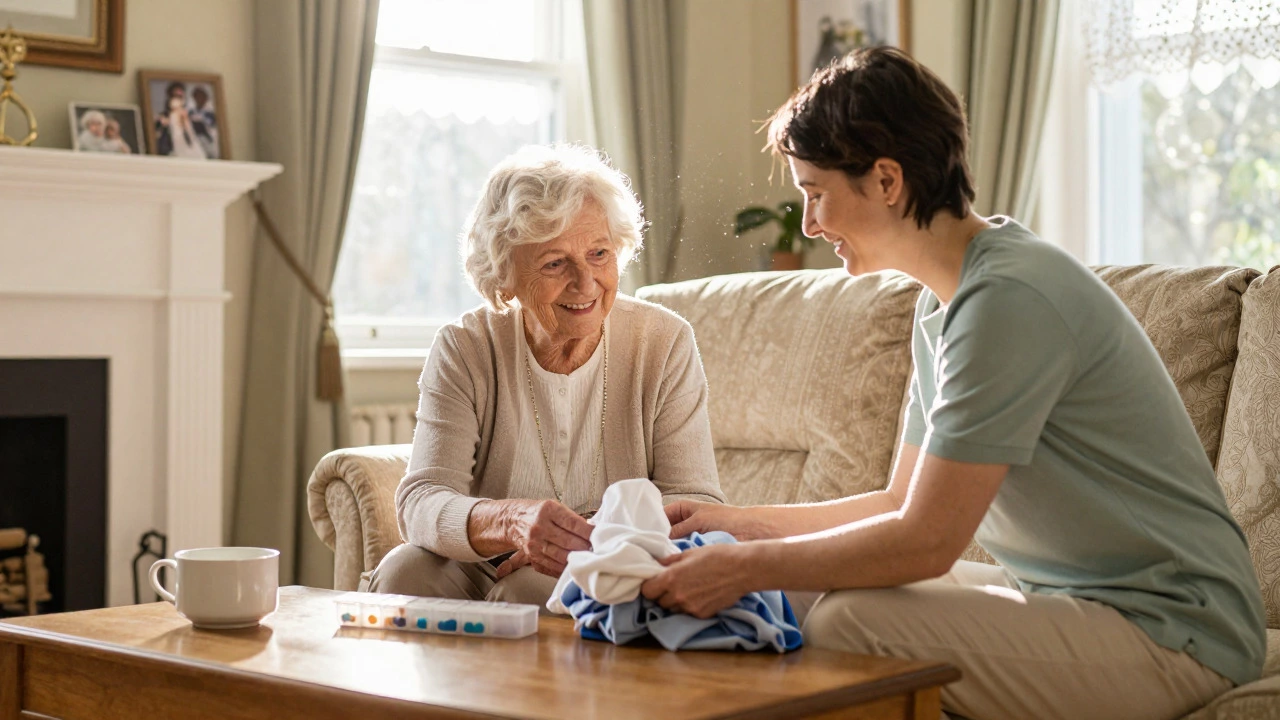
Ask anyone who has an aging parent or grandparent what their biggest worry is, and you’ll likely hear about safety, independence, or loneliness. But if you look at the actual data on what seniors request from support networks, the answer might surprise you. It isn’t always high-level medical intervention or complex nursing care. The single most requested support service for the elderly is home care assistance, specifically help with activities of daily living (ADLs) and instrumental activities of daily living (IADLs).
This includes tasks like cooking, cleaning, bathing, and managing medications. While this seems straightforward, the demand for these specific services has skyrocketed in recent years. According to reports from the National Council on Aging and various healthcare studies, over 80% of older adults express a strong desire to age in place-meaning they want to stay in their own homes for as long as possible rather than moving to assisted living facilities. Home care is the bridge that makes this possible.
The Core Need: Activities of Daily Living
To understand why home care tops the list, we need to break down what it actually involves. Support services generally fall into two buckets: basic physical care and household management. When seniors reach out for help, they are usually struggling with one or both of these areas.
Activities of Daily Living (ADLs) are basic self-care tasks such as bathing, dressing, eating, toileting, transferring (moving from bed to chair), and continence care. These are the fundamental actions required for personal hygiene and mobility. As people age, muscle strength diminishes, balance issues arise, and chronic conditions like arthritis make these simple tasks exhausting or even dangerous. A slip in the shower can lead to a hip fracture, which is a leading cause of loss of independence among seniors. Consequently, hiring a caregiver to assist with bathing and dressing is often the first major step families take when realizing their loved one needs more support.
Then there are Instrumental Activities of Daily Living (IADLs), which include more complex skills needed to live independently in the community, such as managing finances, using the telephone, shopping, food preparation, housekeeping, laundry, transportation, and medication management. Many seniors can still bathe themselves but struggle to cook a nutritious meal or remember to take their heart medication twice a day. The inability to manage IADLs is often the precursor to needing full-time residential care. By addressing these needs early through home support services, families can extend the period of independent living significantly.
Why Home Care Beats Institutional Options
You might wonder why so many seniors prefer home care over assisted living facilities, especially since facilities offer 24/7 supervision. The answer lies in psychological well-being and routine. Moving to a new environment later in life is traumatic for many. It disrupts sleep patterns, removes familiar comforts, and strips away a sense of autonomy.
Home care allows seniors to maintain their routines. They wake up in their own bed, eat meals prepared in their kitchen (or by a trusted helper), and interact with neighbors they’ve known for decades. This continuity is crucial for cognitive health. Studies have shown that maintaining a familiar environment can slow the progression of dementia symptoms. Furthermore, home care is highly customizable. Unlike a facility where everyone follows a set schedule, home care visits can be tailored to the individual’s peak energy times and specific preferences.
| Feature | Home Care Assistance | Assisted Living Facility |
|---|---|---|
| Environment | Familiar home setting | Institutional or communal setting |
| Customization | Highly personalized schedules | Fixed facility schedules |
| Cost Structure | Paid per hour/service | Monthly flat fee + extras |
| Social Interaction | Depends on family/community effort | Built-in peer community |
| Medical Access | Requires coordination with external providers | On-site staff and quick response |
The Hidden Crisis: Transportation and Social Isolation
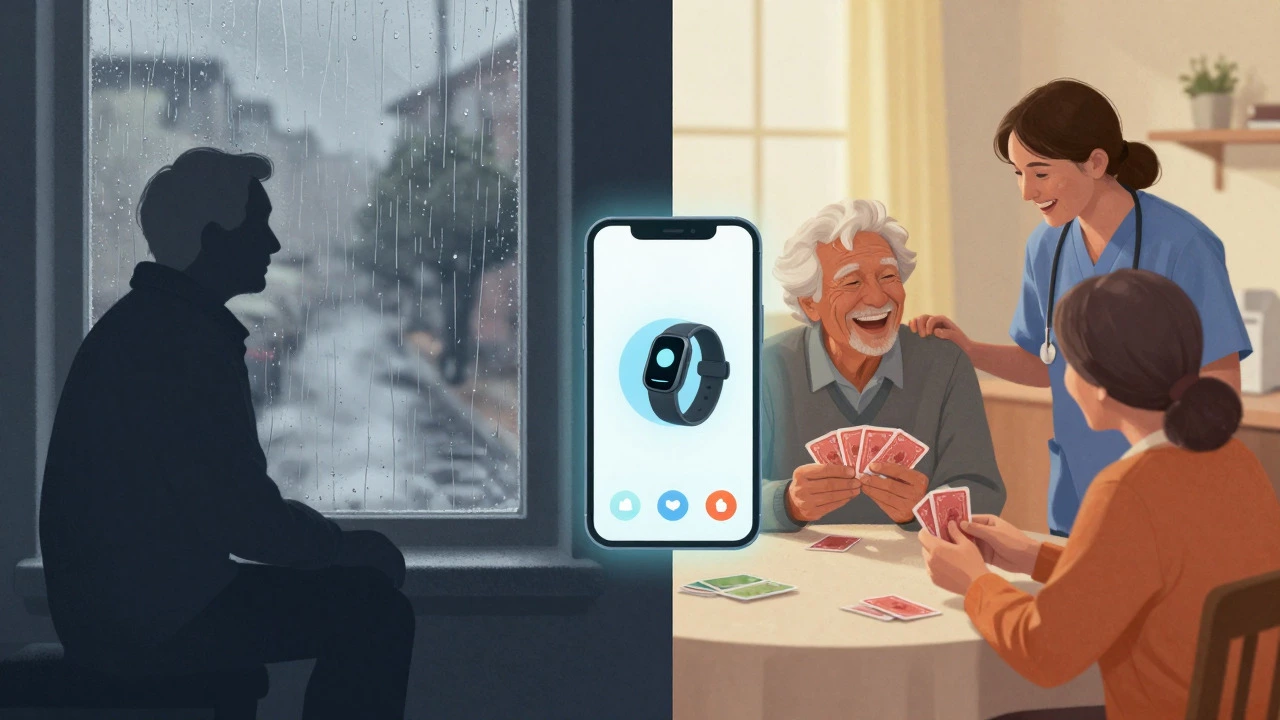
While ADL and IADL assistance is the most requested *service*, the underlying driver for much of this demand is social isolation and lack of mobility. Many seniors stop driving due to vision issues or fear of accidents. Without a car, they lose access to grocery stores, doctor appointments, and social gatherings. This leads to a secondary but critical request: Non-Emergency Medical Transportation (NEMT) is transportation services for patients to and from medical appointments, dialysis centers, and therapy sessions.
When seniors cannot get out of the house, depression rates soar. Loneliness is now recognized by public health officials as a significant risk factor for mortality, comparable to smoking fifteen cigarettes a day. Therefore, the most requested support often includes companionship services. Caregivers don’t just clean; they chat, play games, read aloud, and provide emotional support. This dual role of practical helper and companion is what makes home care so vital.
Medication Management: A Critical Component
Another massive area of demand is medication management. The average senior takes five or more prescription medications daily. Missing a dose, taking too much, or mixing incompatible drugs can lead to hospitalizations. Pharmacotherapy refers to the use of drug substances to treat disease or alleviate symptoms. For seniors, managing pharmacotherapy becomes a complex logistical challenge.
Home health aides and nurses are frequently hired specifically to organize pillboxes, remind patients when to take pills, and monitor for side effects. This service prevents costly emergency room visits and ensures that chronic conditions like diabetes and hypertension remain under control. Families often report that peace of mind regarding medication adherence is the primary reason they engage professional support.
Navigating the Cost and Availability Gap
If home care is the most requested service, why doesn’t everyone have it? The barrier is cost and availability. In many regions, including parts of Scotland and the UK, private home care can be expensive. Hourly rates vary widely depending on the level of care needed. Basic companionship might cost less, while skilled nursing care commands a higher premium.
Many families rely on a patchwork of solutions. They might hire a private aide for morning help, use local council-funded services for lunch delivery, and depend on adult children for evening check-ins. Government programs like Medicaid in the US or local authority assessments in the UK can subsidize some costs, but eligibility criteria are strict. Long-term care insurance also plays a role for those who planned ahead, covering a portion of home care expenses.
The shortage of caregivers is another pressing issue. The workforce in elder care faces high burnout rates and low wages, leading to staffing shortages. This means that even when families want home care, finding reliable, consistent help can be difficult. Waiting lists for publicly funded home care can stretch for months, forcing families to make tough decisions quickly.
Technology as a Support Enabler
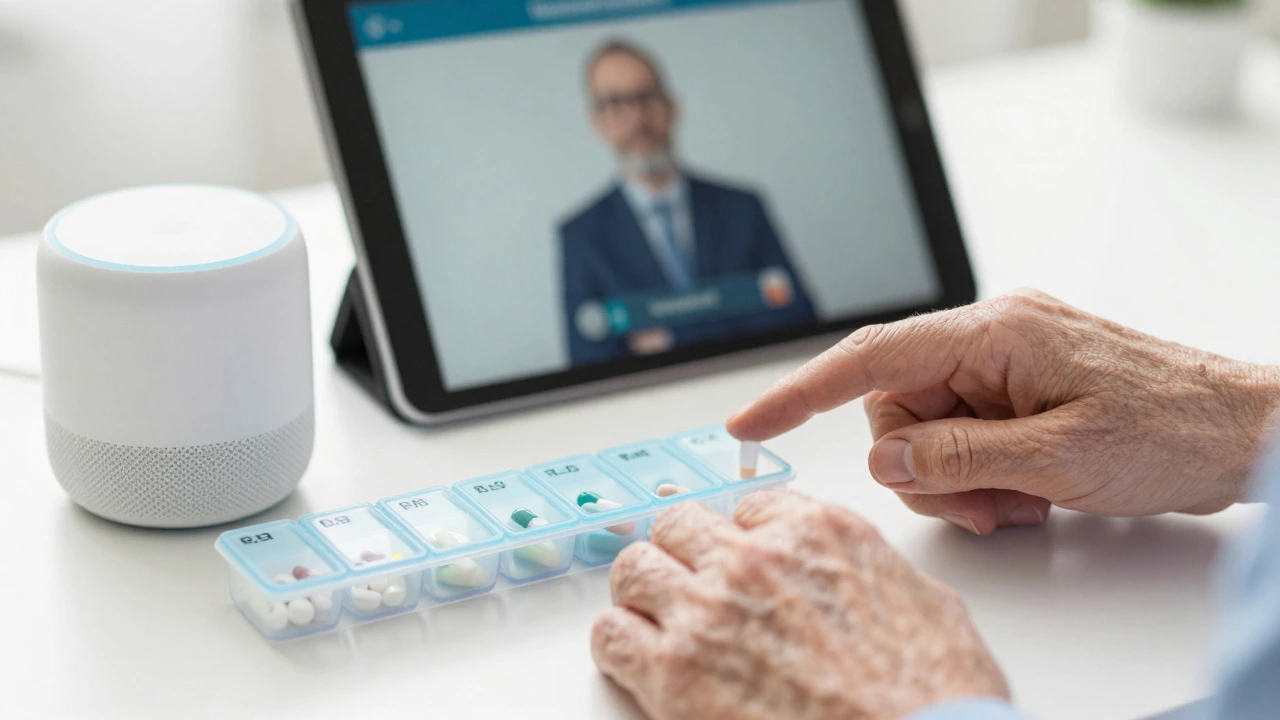
As demand outstrips supply, technology is stepping in to fill the gaps. Smart home devices are becoming integral parts of elderly support systems. Voice-activated assistants can remind seniors to take medications, order groceries, or call family members. Wearable devices with fall detection capabilities allow seniors to live alone with greater safety, alerting emergency contacts if a tumble occurs.
Telehealth services have also exploded in popularity. Instead of traveling to a clinic, seniors can consult with doctors via video calls. This reduces the burden of transportation and exposes them to fewer germs. While technology doesn’t replace the human touch of home care, it enhances efficiency and provides an extra layer of security that appeals to both seniors and their families.
How Families Can Prepare
If you are caring for an aging relative, understanding these trends can help you plan better. Start by assessing their current ability to perform ADLs and IADLs. Look for signs of struggle: unclean clothes, expired food in the fridge, missed appointments, or confusion about bills. These are red flags that professional support may be needed soon.
Explore local resources early. Don’t wait for a crisis. Contact local aging agencies, ask about respite care options, and investigate financial assistance programs. Building a relationship with a home care agency before an emergency strikes gives you leverage to find good matches and understand pricing structures. Remember, the goal is not just to keep your loved one safe, but to keep them happy and engaged in life.
The Future of Elderly Support
Looking ahead, the demand for home care will only increase as the global population ages. The "silver tsunami" of baby boomers reaching old age means that traditional models of care are unsustainable. We are seeing a shift towards hybrid models where technology monitors health metrics while human caregivers focus on companionship and complex physical care. Community-based initiatives, such as shared housing arrangements or volunteer neighbor networks, are also gaining traction as ways to combat isolation without the high cost of professional care.
Ultimately, the most requested service reflects a universal human desire: to remain independent, dignified, and connected to our communities for as long as possible. Home care assistance, in all its forms, is the key that unlocks this possibility for millions of seniors worldwide.
What is the difference between home care and home health care?
Home care typically refers to non-medical assistance with daily tasks like cooking, cleaning, and bathing. Home health care involves licensed medical professionals providing skilled nursing, physical therapy, or wound care. Most seniors requesting general support are looking for home care, though some may need both.
How much does home care for the elderly cost?
Costs vary significantly by location and level of care. On average, hourly rates for non-medical home care can range from $20 to $35 per hour in many developed countries. Live-in care is more expensive, often costing several thousand dollars per month. Government subsidies or long-term care insurance may cover part of these costs.
When should I consider moving a senior to assisted living?
Consider assisted living if home care becomes insufficient to manage severe medical needs, if the senior experiences rapid cognitive decline (like advanced dementia), or if the family caregiver suffers from severe burnout. Safety is the primary indicator; if the home environment poses constant risks despite modifications, a facility may be safer.
Can technology replace human caregivers for the elderly?
No, technology cannot fully replace human interaction. While smart devices and telehealth improve safety and convenience, they do not provide the emotional support, physical assistance with mobility, and companionship that humans need. Technology is best used as a supplement to, not a replacement for, human care.
What are Instrumental Activities of Daily Living (IADLs)?
IADLs are complex tasks required for independent living, such as managing finances, shopping for groceries, preparing meals, doing laundry, using transportation, and handling phone communications. Difficulty with IADLs often signals the need for support before basic self-care (ADLs) becomes compromised.