Youth Organization Fit Finder
Not sure which group is right for you or your child? Answer these three questions to find a recommendation that aligns with your core values and goals.
Recommended Organization Type:
Key Activities
Skills Developed
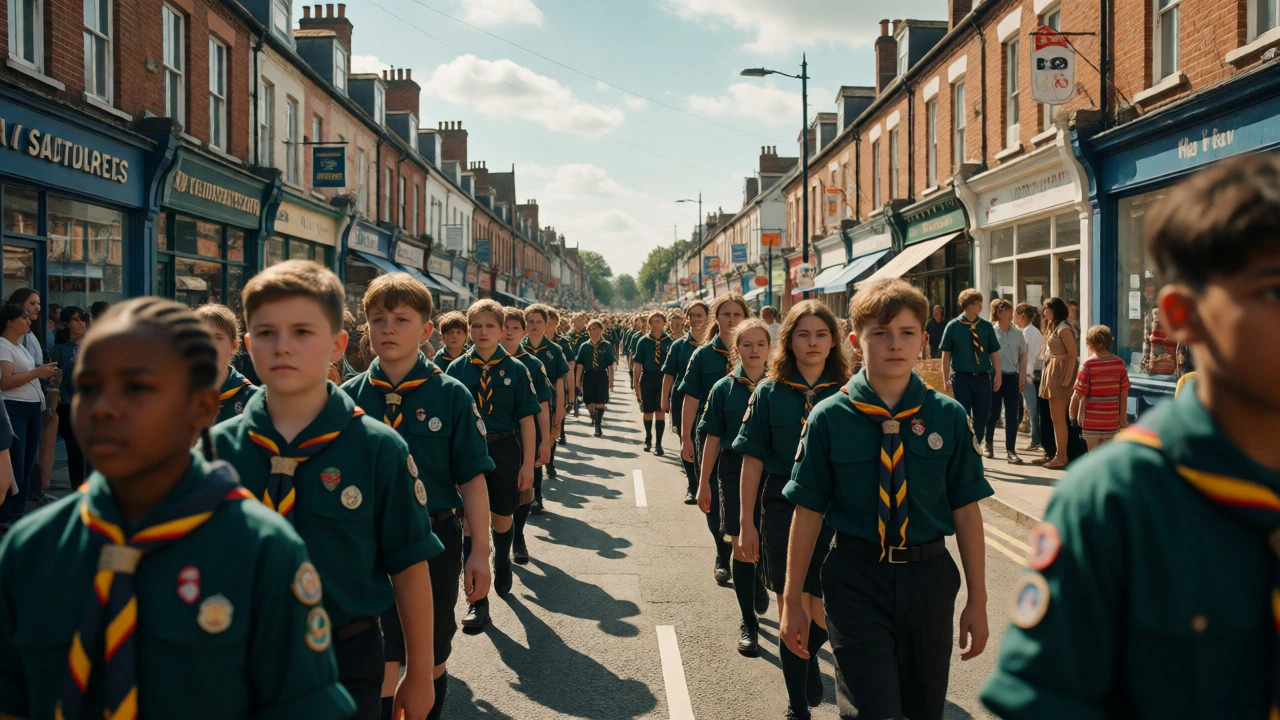
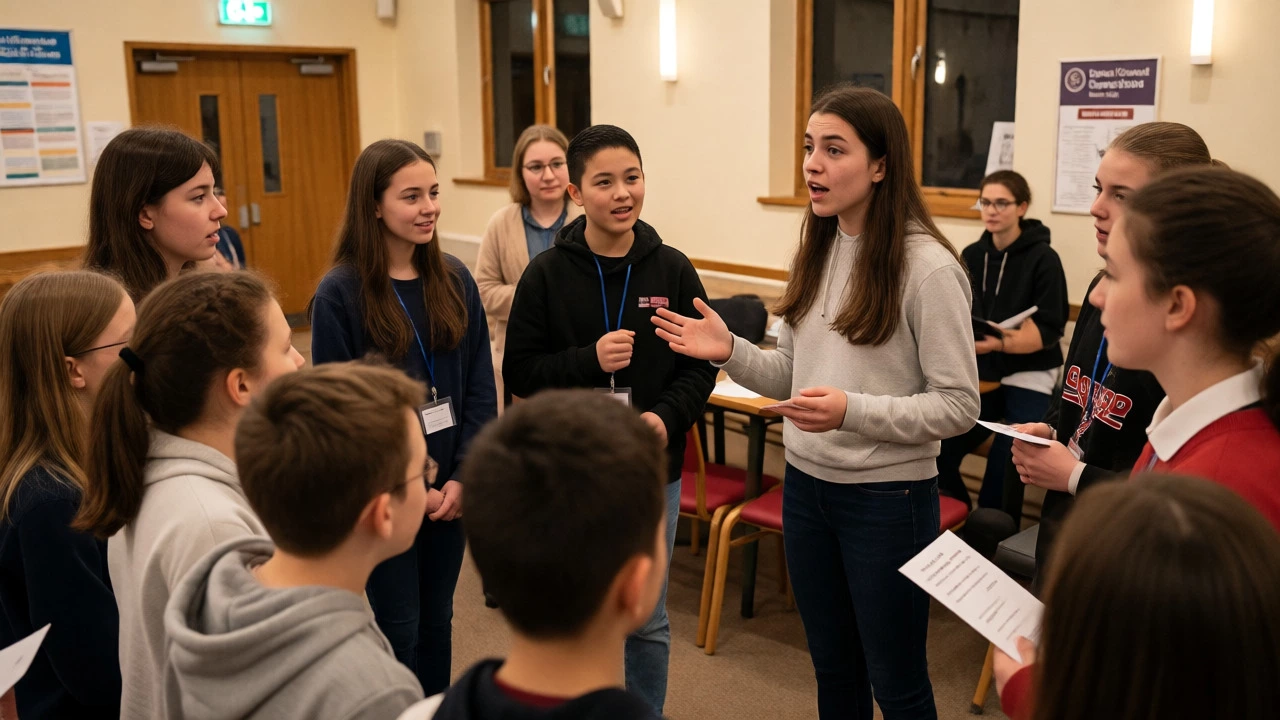
You’ve probably seen them. The kids in uniform marching down the high street on a Saturday morning, or the teenagers gathered in a church hall debating local council plans. It’s easy to look at these youth organizations and think they’re just about keeping busy. But that’s a massive oversimplification. If you ask anyone who has spent their formative years in a Scout troop, a Girlguiding unit, or a local youth club, they’ll tell you it was about much more than learning knots or baking biscuits. These groups serve as critical incubators for adulthood, bridging the gap between dependent childhood and independent citizenship.
The core mission isn’t just entertainment; it’s transformation. We are talking about structured environments designed to build character, foster resilience, and teach practical life skills that schools often overlook. In an era where digital isolation is rising, the physical presence of these groups offers something irreplaceable: real-world connection. Let’s break down what these organizations actually do and why they remain vital pillars of our communities.
Beyond the Badge: Building Essential Life Skills
Schools teach calculus and grammar, but they rarely teach how to negotiate with a difficult peer, manage a small budget, or lead a team when things go wrong. This is where youth programs step in. They provide a safe sandbox for failure. When a group project collapses because two members argued, or a fundraising event rains out, young people learn to adapt. They develop soft skills like communication, teamwork, and problem-solving through direct experience rather than theoretical lectures.
Consider the structure of a typical activity. It’s rarely solitary. Whether it’s setting up a tent in the rain or organizing a charity bake sale, the task requires coordination. Participants must listen to others, articulate their own ideas, and compromise. These interactions create neural pathways associated with emotional intelligence. Over time, this translates into confidence. A shy teenager who successfully leads a hike or presents a plan to a community board carries that self-assurance into job interviews and university applications later in life.
Fostering Social Connection and Reducing Isolation
We live in a paradoxically connected yet lonely world. Young people have thousands of online followers but may struggle to make a single friend face-to-face. Youth organizations combat this by creating mixed-age, mixed-background communities. Unlike school, where social circles are often rigidly defined by year group or academic stream, youth groups bring together individuals from different walks of life united by shared interests or values.
This diversity is crucial. It exposes participants to perspectives they might never encounter in their immediate neighborhood. For many, especially those from marginalized backgrounds, these groups act as a safety net. They provide mentorship from adult volunteers who aren’t parents or teachers. These mentors can offer unbiased advice, acting as role models who demonstrate professional behavior and civic responsibility. The sense of belonging reduces anxiety and provides a support network that persists long after the weekly meetings end.
Civic Engagement and Community Responsibility
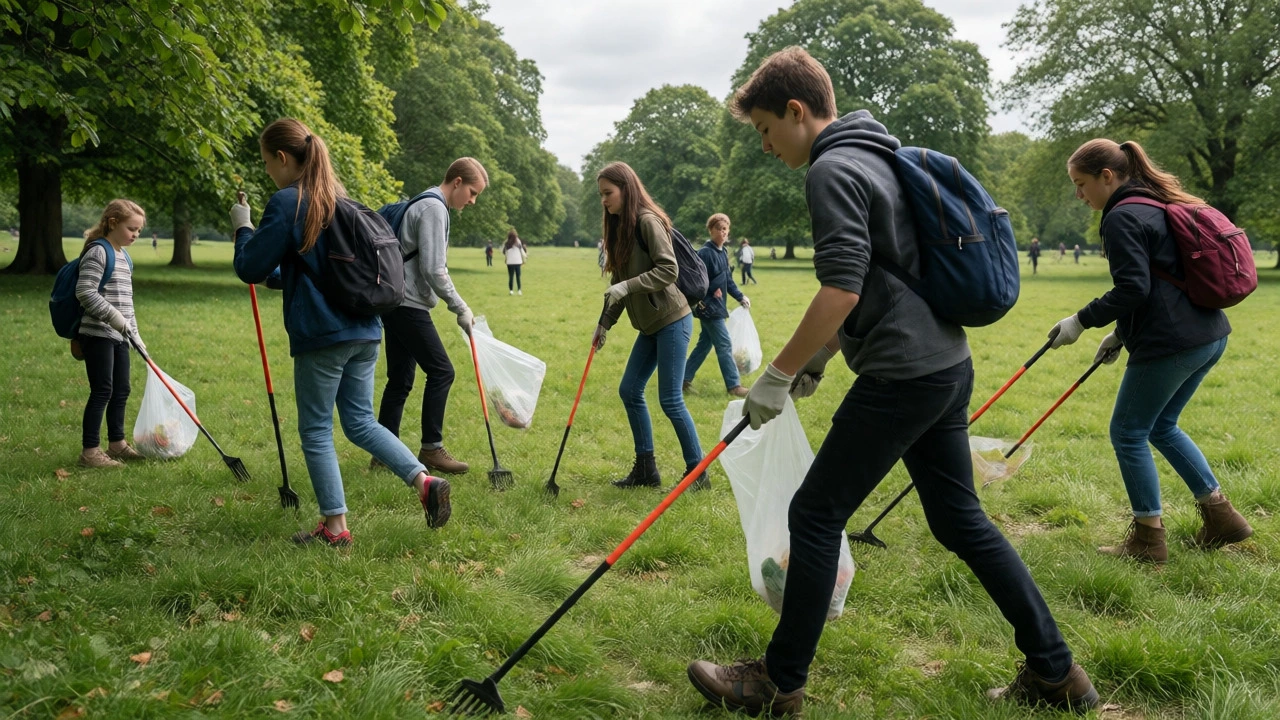
A major pillar of most youth organizations is the concept of service. From the Boy Scouts’ promise to help other people at all times to the Girlguiding focus on global citizenship, the ethos is deeply rooted in contribution. These groups don’t just exist within the community; they actively participate in improving it. Volunteers organize clean-up drives, visit care homes, or advocate for environmental policies.
This early exposure to civic duty shapes future voters and taxpayers. When a young person sees the tangible impact of their effort-like seeing a litter-strewn park cleaned by their own hands-they understand the power of collective action. It demystifies politics and community management, making them feel like active agents rather than passive observers. This fosters a lifelong habit of volunteering and community involvement, which is essential for a healthy society.
Physical and Mental Well-being
In an age dominated by screens, physical activity is often sacrificed. Many youth organizations prioritize outdoor adventures, sports, and hands-on projects. Hiking, camping, and team games get hearts pumping and bodies moving. But the benefits extend beyond physical health. Being outdoors and engaging in physical challenges has been shown to reduce stress and improve mental clarity.
Mental well-being is also addressed through structured reflection and supportive environments. Leaders are trained to spot signs of distress and provide a listening ear. The routine of meeting friends, achieving goals, and stepping out of comfort zones contributes to a robust sense of identity. For many adolescents struggling with the pressures of modern life, the youth center or scout hut becomes a sanctuary-a place where they can be themselves without the judgment of social media metrics.
Preparing for the Future Workforce
Employers increasingly value candidates who have demonstrated initiative outside the classroom. Participation in youth organizations signals several desirable traits: reliability (showing up every week), commitment (sticking with a program for years), and leadership potential. Many organizations offer specific awards, such as the Duke of Edinburgh’s Award in the UK, which require participants to complete service, skill, physical, and adventurous journey sections. Completing these challenges proves a young person can set goals and see them through.
Furthermore, some groups offer vocational training or career guidance. Workshops on CV writing, public speaking, or financial literacy equip teens with tools they need before entering higher education or the job market. By simulating workplace dynamics-deadlines, team roles, client expectations-these programs provide a low-stakes rehearsal for professional life.
| Organization Type | Primary Focus | Key Activities | Skill Development |
|---|---|---|---|
| Scouts/Guides | Character & Outdoor Skills | Camping, First Aid, Badges | Resilience, Navigation, Teamwork |
| Youth Clubs | Social Support & Recreation | Games, Mentoring, Drop-in Sessions | Social Interaction, Conflict Resolution |
| Sports Teams | Physical Health & Discipline | Training, Matches, Coaching | Discipline, Goal Setting, Physical Fitness |
| Service Corps | Civic Duty & Volunteering | Community Projects, Fundraising | Empathy, Project Management, Leadership |
Addressing Modern Challenges
Today’s youth organizations are adapting rapidly. They are no longer static institutions. Many now incorporate digital literacy workshops, addressing cyberbullying and online safety. Others focus on sustainability, teaching climate action through gardening or energy-saving initiatives. The flexibility of these groups allows them to respond to emerging issues faster than larger bureaucratic systems.
For instance, during recent economic downturns, many youth clubs expanded food banks and clothing swaps, directly addressing poverty among families. This responsiveness highlights their dual role: they are both educational platforms and social welfare providers. By staying relevant, they ensure that their purpose remains aligned with the actual needs of the younger generation, not just outdated traditions.
How to Choose the Right Fit
If you are looking for a group for yourself or your child, consider the specific goals. Do you want to boost confidence? Look for performance-based groups like drama clubs or debate societies. Need physical outlets? Sports leagues or adventure camps are ideal. Seeking community connection? Local youth centers or faith-based groups often provide strong social networks. Don’t hesitate to try multiple options. The best organization is one where the individual feels safe, challenged, and valued.
Do youth organizations still matter in the digital age?
Yes, arguably more than ever. While digital platforms connect us globally, they often fail to provide deep, local community ties. Youth organizations offer face-to-face interaction, physical activity, and mentorship that screen time cannot replicate. They provide a necessary counterbalance to virtual isolation, helping young people develop social cues and empathy through direct human contact.
Are these organizations only for children under 18?
While many focus on ages 6-18, the definition is broadening. Some groups extend into young adulthood (up to 25) to support the transition to independence. Additionally, adult volunteers play a crucial role, meaning participation isn't limited to youth alone. The structure often evolves to meet the developmental stages of older teens, focusing more on leadership and career preparation.
How do youth organizations fund their activities?
Funding sources vary widely. Common methods include membership fees, government grants, charitable trusts, and corporate sponsorships. Many groups also rely heavily on fundraising events organized by the youth themselves, such as car washes, raffles, or sponsored challenges. This mix ensures sustainability while allowing for diverse programming regardless of socioeconomic background.
Can participation help with university applications?
Absolutely. Admissions officers look for evidence of well-roundedness and commitment. Long-term involvement in a youth organization demonstrates consistency, leadership potential, and community engagement. Specific achievements, like earning a Gold Duke of Edinburgh’s Award or leading a project, provide concrete examples of personal growth and responsibility that stand out in application essays.
What if my local area lacks youth organizations?
If traditional groups are scarce, look for alternative community hubs. Libraries often host teen clubs, and religious institutions may offer youth groups. You can also start small by joining online communities that organize local meetups or advocating to local councils for funding. Sometimes, informal sports leagues or hobby clubs serve the same social and developmental purposes as formal organizations.