Kids Club Quality Checker
Assess your kids club against the 5 essential elements from the article. Score each category from 1 (needs improvement) to 5 (excellent) based on what you observe.
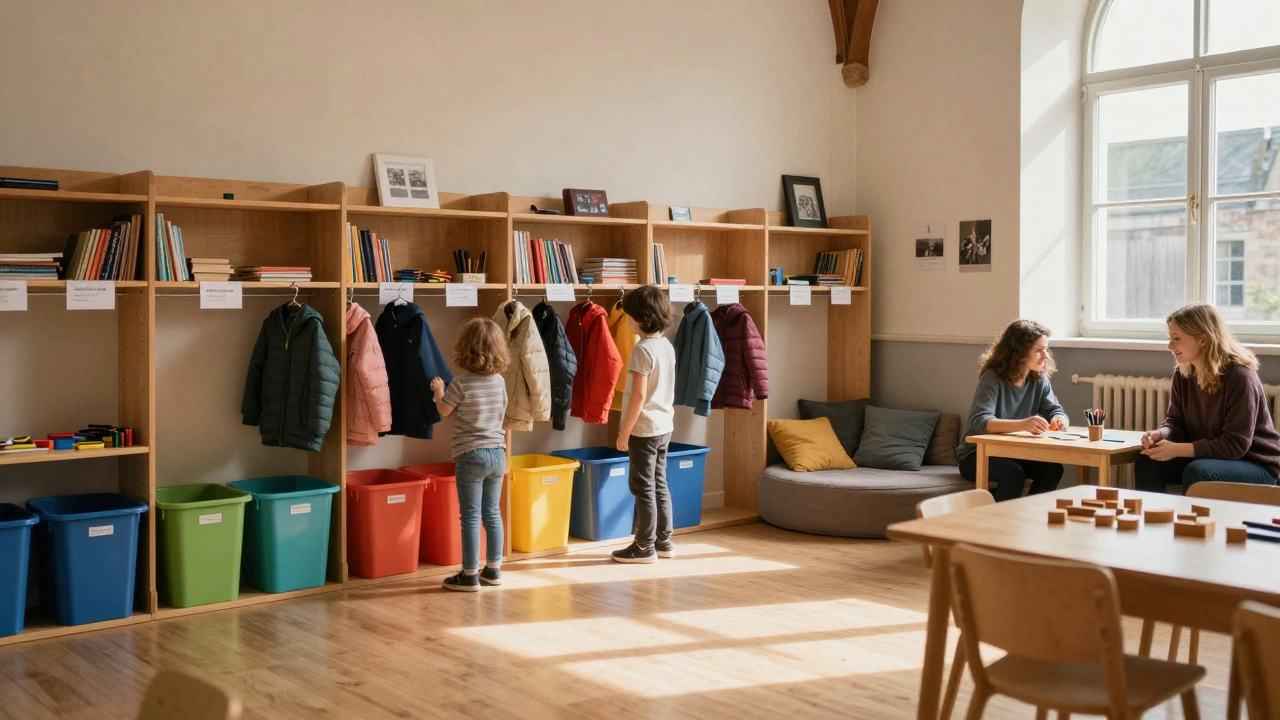
Does the club have clear visual cues (color-coded bins, labeled shelves) and consistent routines that help children navigate independently?
Do staff consistently know children by name, notice emotional states, and maintain stable relationships (2+ years of staff retention)?
Does the club offer choice with activities that encourage participation at all skill levels (not just one-size-fits-all)?
Does the club adapt to individual needs (anxiety, language, gender) without making it a special case?
Does the club communicate with families in simple, real-time ways (e.g., photos with short captions)?
Your Club Assessment
Ever walked past a kids club and wondered why some feel like a second home while others feel like a chore? It’s not just about snacks and crafts. A good kids club doesn’t just fill time-it builds confidence, safety, and belonging. And it’s not luck. It’s design.
Safe, predictable, and welcoming spaces
Before you even think about activities, the space matters. A good kids club isn’t just clean-it’s predictable. Kids know where to hang their coats, where to find crayons, and where the quiet corner is. No surprises. No confusion. That’s the foundation.
In Edinburgh, I’ve seen clubs that use color-coded bins for different activities, labeled shelves with pictures for younger kids, and clear zones: one for quiet reading, one for building, one for talking. It’s not fancy. It’s functional. And kids notice. They feel safe when they can navigate the space without asking for help.
Security isn’t just about locked doors. It’s about knowing who’s in charge. Staff should be visible, approachable, and consistently present. Kids should never wonder if an adult is watching. One club I visited had a daily ‘check-in circle’-every child greeted an adult by name as they arrived. Simple. Powerful.
Staff who see the child, not just the schedule
Good staff don’t just run activities. They notice the child who doesn’t speak much, the one who always sits alone, the one who suddenly stops raising their hand. They remember names, birthdays, favorite animals. They don’t just manage behavior-they build relationships.
Training matters. Staff should know basic child development, de-escalation techniques, and how to spot signs of stress or neglect. Not because they’re social workers-but because they’re the first line of care for many kids after school. A 2024 study by the Scottish Youth Federation found clubs with trained staff saw 40% more children reporting they felt ‘heard’ compared to those without.
Low staff turnover is key. Kids form attachments. If the same person greets them every day, they relax. If the team changes every month, trust doesn’t grow. Look for clubs where staff have been there over two years. That’s not a coincidence-it’s intention.
Activities that spark curiosity, not just fill time
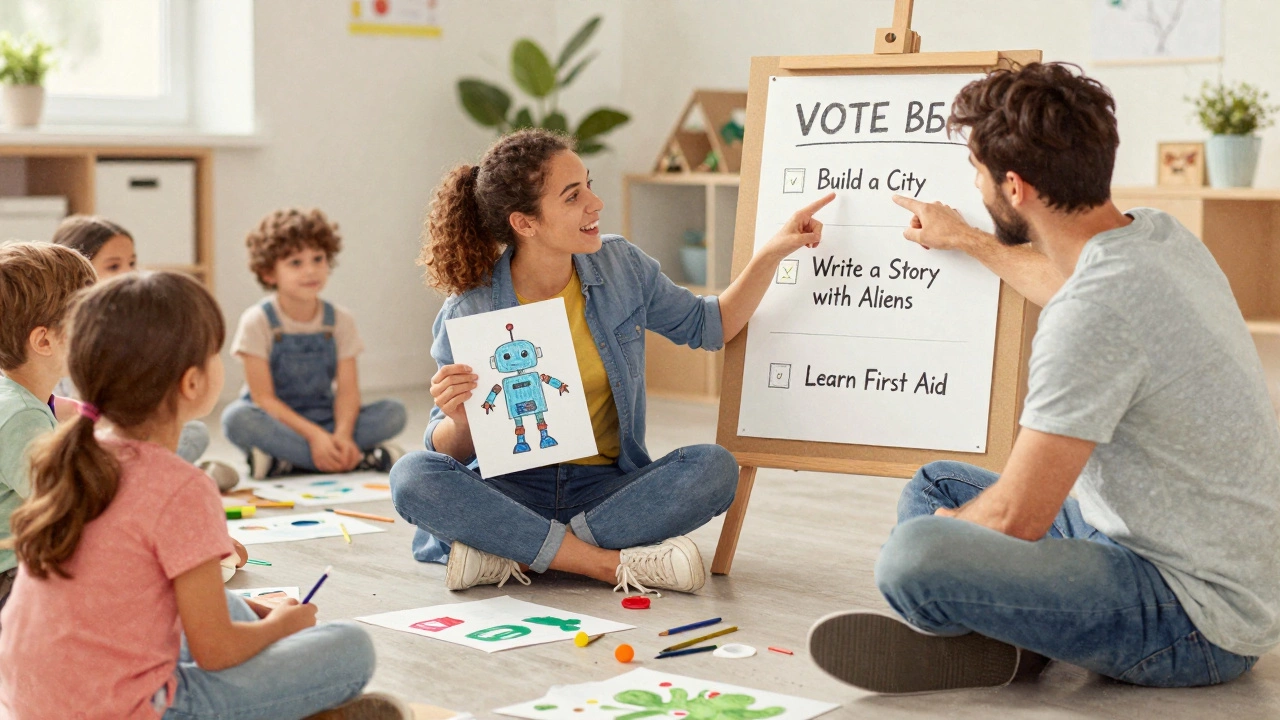
Art projects, soccer drills, coding games-none of these matter if they’re forced. A good kids club offers choice. Not 10 options that overwhelm, but 3-4 meaningful ones each day. Kids pick what excites them. That’s how engagement sticks.
One club in Leith lets kids vote weekly on the theme: ‘Build a city out of cardboard,’ ‘Write a story with aliens,’ or ‘Learn basic first aid.’ The activity changes, but the rule doesn’t: every child must be able to join, no matter their skill level. No one sits out because they ‘can’t do it.’
It’s not about trophies or perfect outcomes. It’s about trying. Messy paintings? Great. A tower that falls? Even better-that’s problem-solving. Clubs that celebrate effort over excellence create kids who aren’t afraid to try again.
Inclusion that’s real, not just a poster on the wall
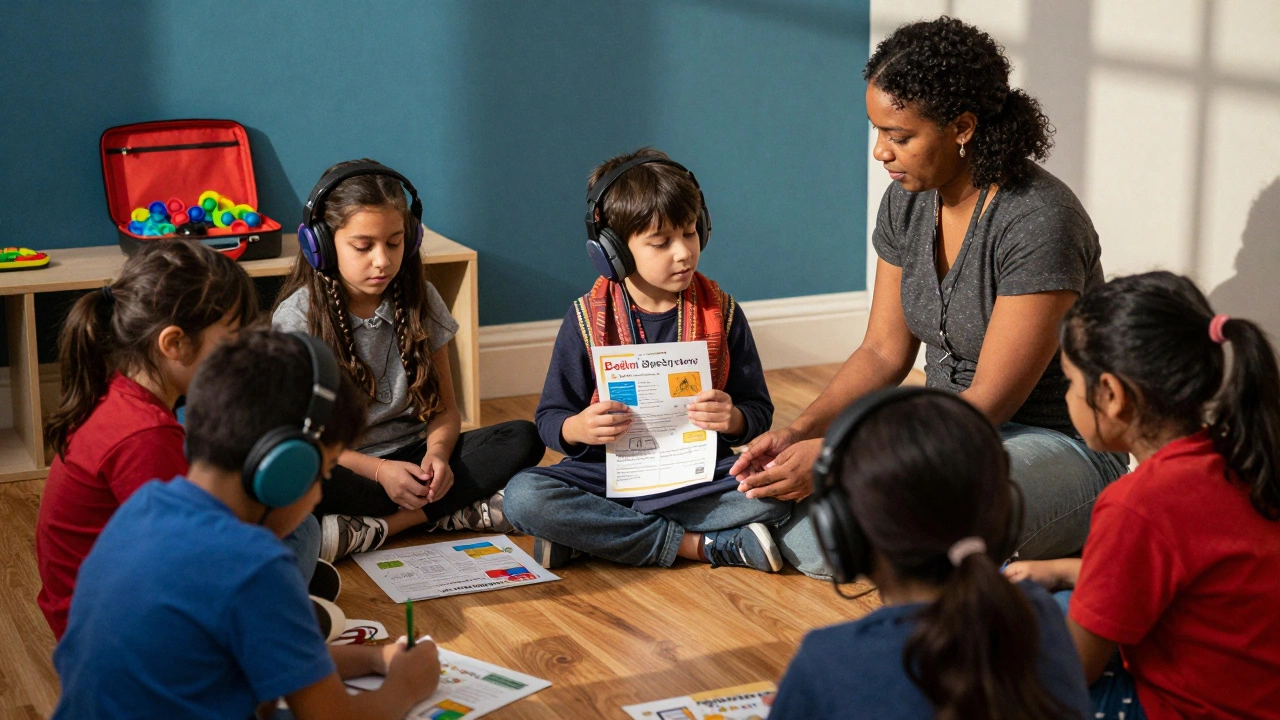
‘Everyone’s welcome’ means nothing if a child with anxiety can’t find a quiet space. Or if a child who speaks little English feels ignored. A good kids club adapts.
Some clubs have ‘calm kits’-fidget toys, noise-canceling headphones, coloring books-for kids who need to reset. Others pair new kids with ‘buddies’ for the first week. One club in Glasgow works with local translators to make weekly updates available in Urdu, Polish, and Arabic-not just English.
It’s not about checking boxes. It’s about noticing who’s missing and asking why. Are girls signing up for robotics? Are boys joining the drama group? If not, why? Good clubs tweak their offerings based on real feedback, not assumptions.
Communication that connects families
Parents aren’t just drop-off points. They’re part of the team. The best clubs don’t just send home a weekly newsletter-they create two-way dialogue.
One club uses a simple app where staff post a photo and one sentence: ‘Liam built a robot out of boxes today-he wouldn’t stop talking about it.’ No fluff. Just real moments. Parents reply with their own updates: ‘He’s been asking for robot toys all week. Thank you.’
Regular, low-pressure check-ins matter too. Not formal meetings. Just a five-minute chat at pickup. ‘How was your day?’ ‘What did you love today?’ That’s how trust builds between home and club.
It’s not about the budget-it’s about the heart
You don’t need a fancy gym or a robot lab to run a great kids club. I’ve seen clubs in church halls and community centers with donated supplies that outshine expensive ones. What they had was consistency, care, and clarity.
The magic isn’t in the materials. It’s in the rhythm. The same staff. The same routine. The same kid who walks in shy and leaves waving goodbye. That’s the goal.
Ask yourself: If your child went here every day after school, would you feel relieved? Would they feel seen? Would they want to come back tomorrow? If the answer is yes, you’ve found something real.